Newsletters


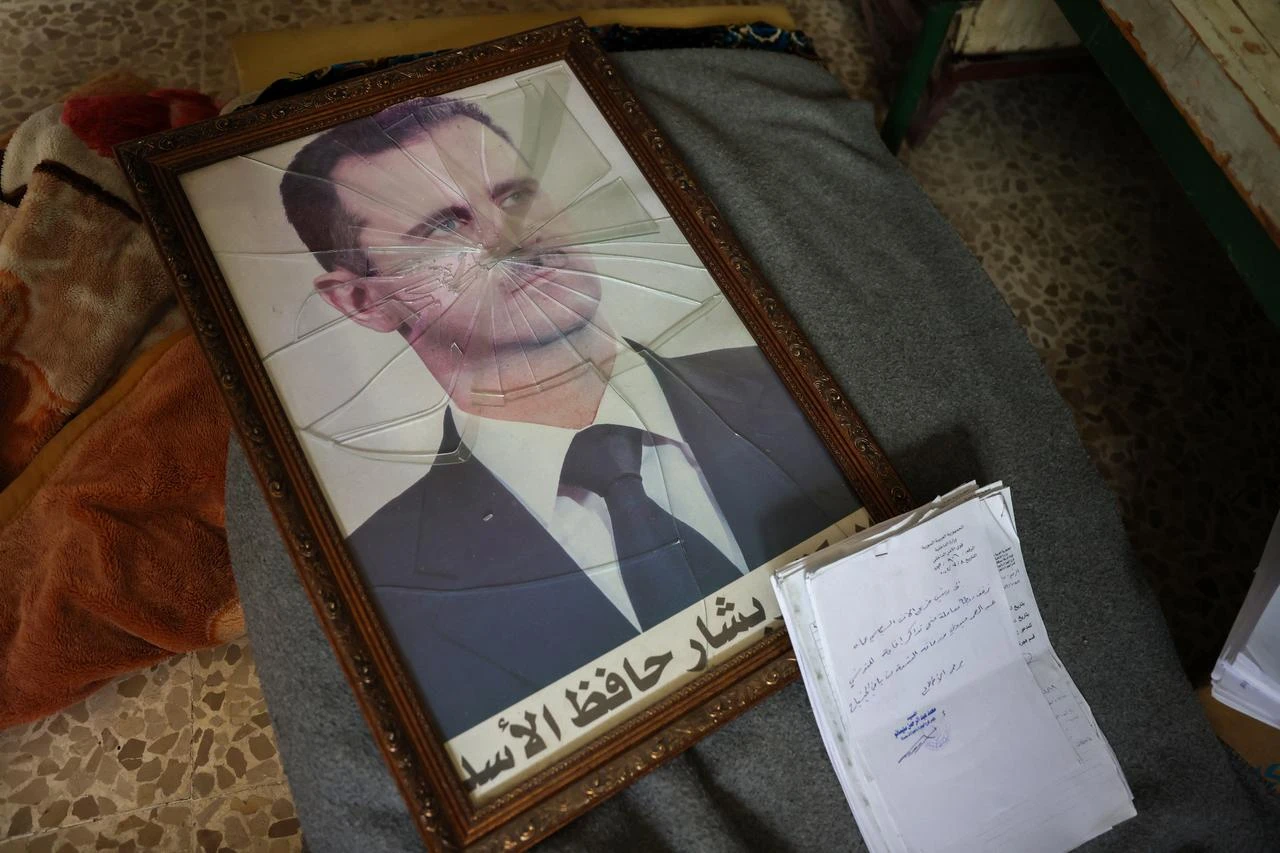


A criminal court in Damascus on Tuesday sentenced former Syrian President Bashar Assad to death in absentia after convicting him of premeditated murder, torture, arbitrary detention and crimes against humanity, the state-run Syrian Arab News Agency (SANA) reported.
Assad's brother, Maher Assad, was sentenced to death in the same case after being convicted of premeditated murder, torture and incitement.
Additionally, the court sentenced Assad's maternal cousin, Atef Najib, to death for leading the security crackdown in the southern province of Daraa that helped spark the 2011 uprising and the civil war that followed.
The decision is the first issued under Syria's transitional authorities since they began trying former government figures in person and in absentia this year.
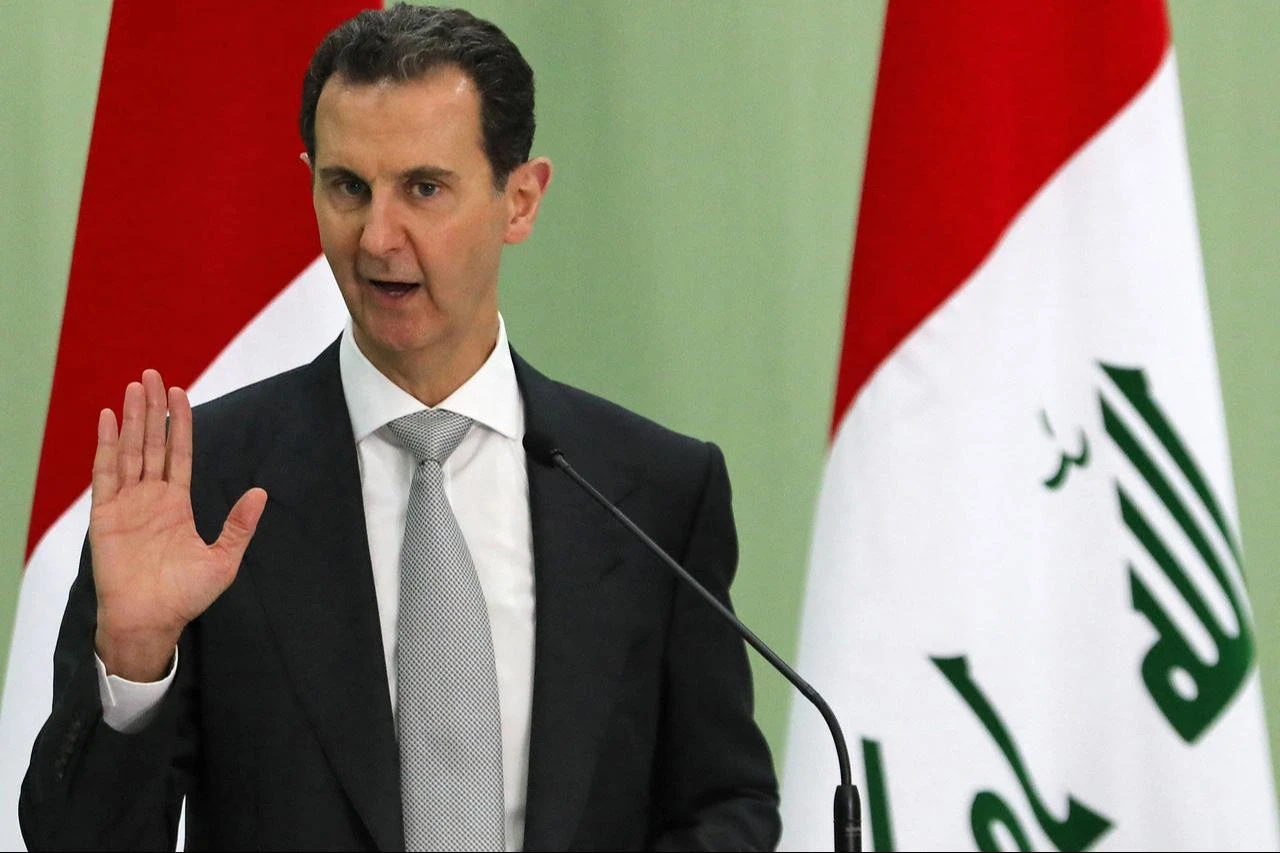

Judge Fakhr al-Din al-Aryan of the Fourth Criminal Court in Damascus stated that consistent witness testimonies firmly established Assad's role as "the highest decision-maker" who utilized state institutions to facilitate the atrocities. According to Al-Ikhbariya, the judge noted that the corroborating witness statements left no possibility of collusion or fabrication.
The court ruled that the crimes committed by the Assad government in Daraa in 2011 amounted to crimes against humanity. Consequently, the tribunal unanimously convicted the fugitive Assad of murder and incitement to murder, sentencing him to death. The broadcaster reported that the judge deemed Assad a "moral perpetrator" who bore ultimate responsibility for mobilizing the state apparatus to commit these crimes.
Separately, the court convicted Najib, a former Syrian army brigadier general who headed the Political Security Branch in Daraa province in 2011. He was found guilty of torture leading to death and premeditated murder, including "the intentional killing of children under 15."
Investigations and witness testimonies proved Najib’s direct involvement in interrogating detainees after the Daraa protests erupted. Furthermore, evidence showed that his Political Security Branch, alongside other security forces, stormed the Omari Mosque in Daraa. The judge added that, according to Najib’s own interrogation records, the former general had led the brutal security campaign against civilians known as "the trap."
The court described the acts attributed to Najib as "crimes against humanity" and handed down "the harshest punishment against him, which is the death penalty."
Al-Ikhbariya reported that the court decided to merge the penalties against Najib and carry out the most severe, the death sentence, and that the ruling against him is subject to appeal by cassation.
Amid tight security, Najib stood inside a cage wearing a prisoner's uniform as the judge read the sentence.
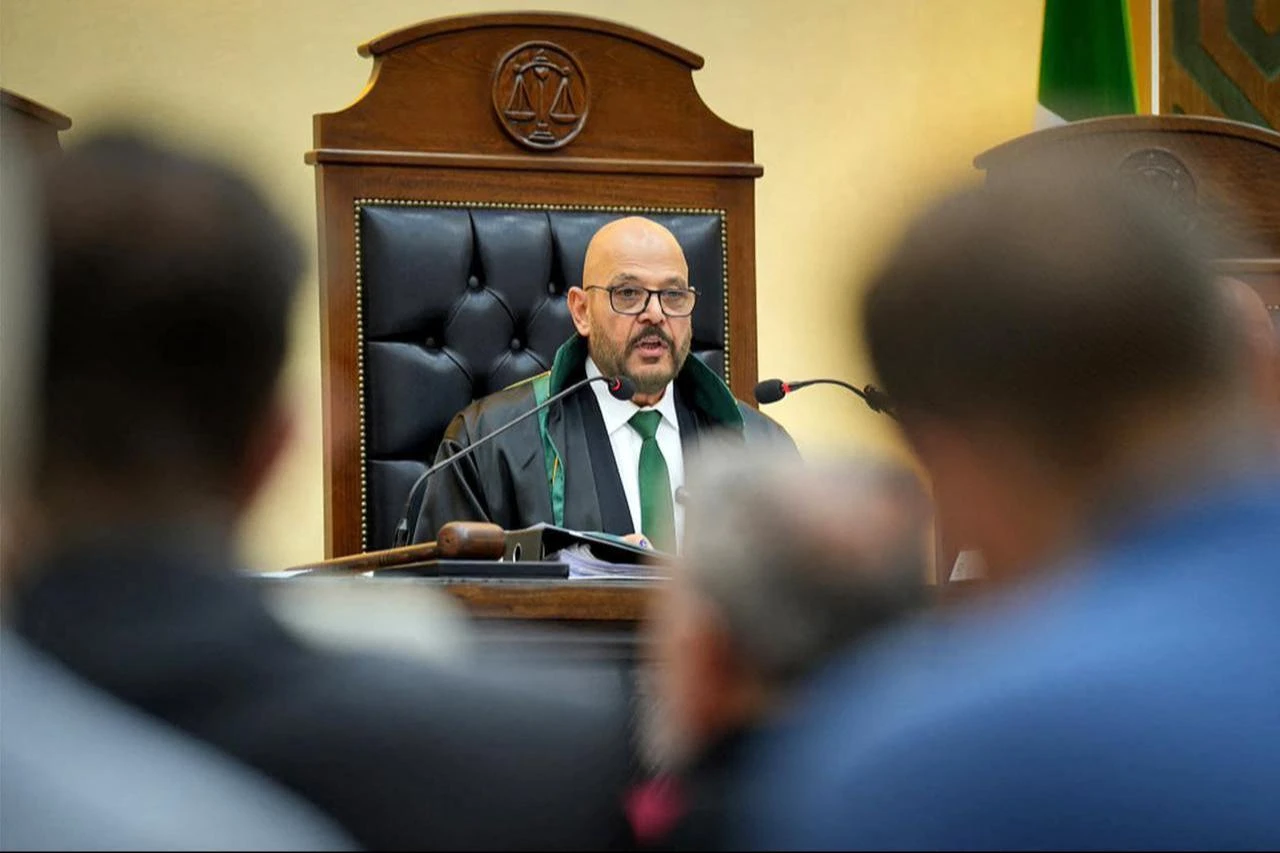
Assad and his brother Maher fled to Russia after insurgent forces marched into Damascus in December 2024. In the wake of the recent death sentences, the Damascus Criminal Court has ordered an international pursuit of both men.
Meanwhile, Najib, who was detained in January 2025, remains one of the highest-ranking former officials to face trial under the new transitional system.
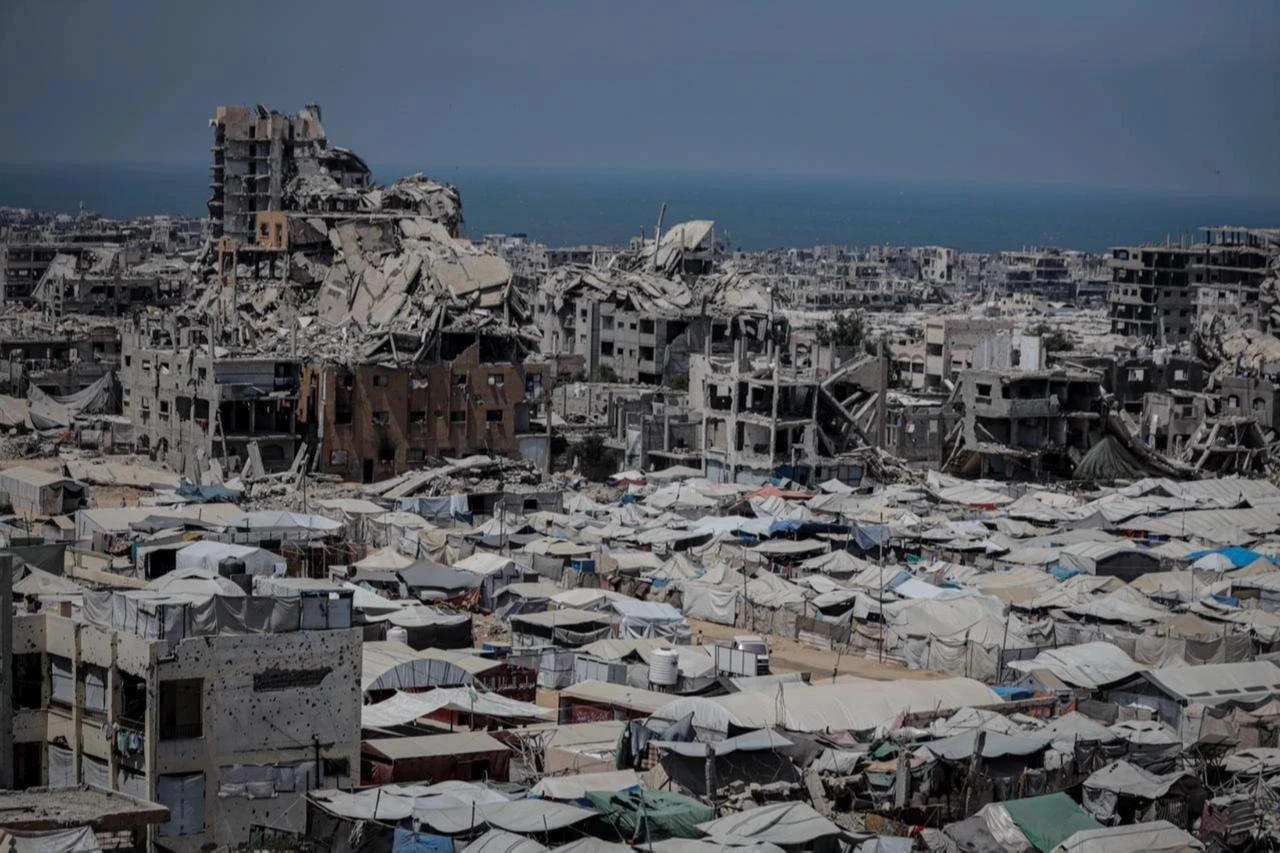
These legal actions address a brutal, roughly 14-year conflict that left an estimated 500,000 people dead. The devastation of the war was severely compounded by the Assad regime's repeated deployment of chemical weapons against civilian populations, a practice that continued until at least 2018.


 Set as preferred source
 Set as preferred source


 2 min read