Newsletters


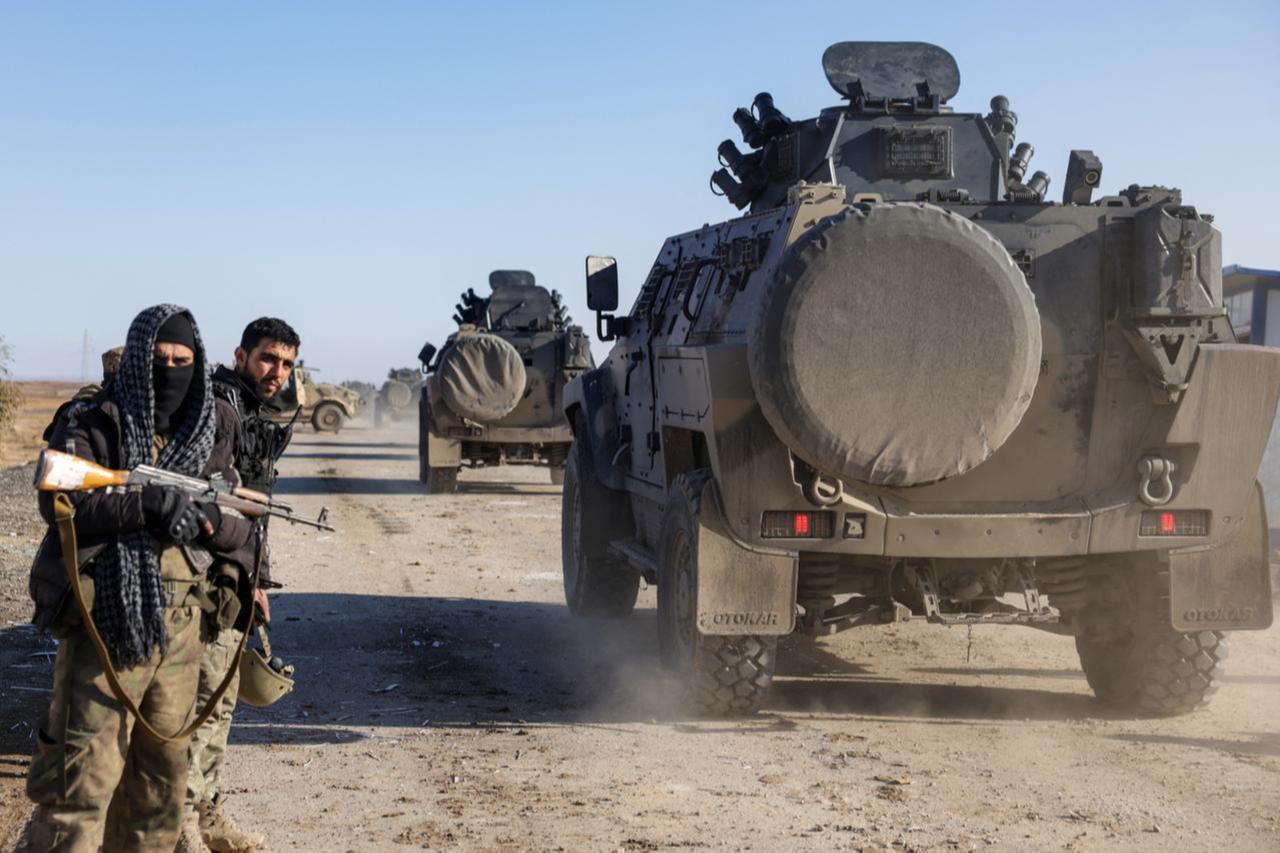


The Syrian government and the SDF reached a comprehensive agreement on Friday that includes a ceasefire and a framework for the group's gradual integration into military and administrative structures.
U.S. Special Envoy for Syria Tom Barrack described the deal as a "historic milestone" toward national reconciliation.
In a statement posted on X, Barrack said the agreement represents a "significant step toward unity, inclusion and de-escalation," building on previous frameworks aimed at integrating military, security and administrative structures into state institutions.
The envoy, also the U.S. ambassador to Türkiye, said the agreement reflects what he described as a shared commitment to preserving Syria's territorial integrity and advancing inclusive governance, while opening the door to broader political participation.
Barrack highlighted recent measures by Damascus concerning the Kurdish community, including steps related to citizenship restoration, language recognition and legal protections, describing them as efforts to address long-standing grievances.
According to Barrack, these developments could help restore trust, strengthen state institutions and create conditions conducive to reconstruction and long-term stability.
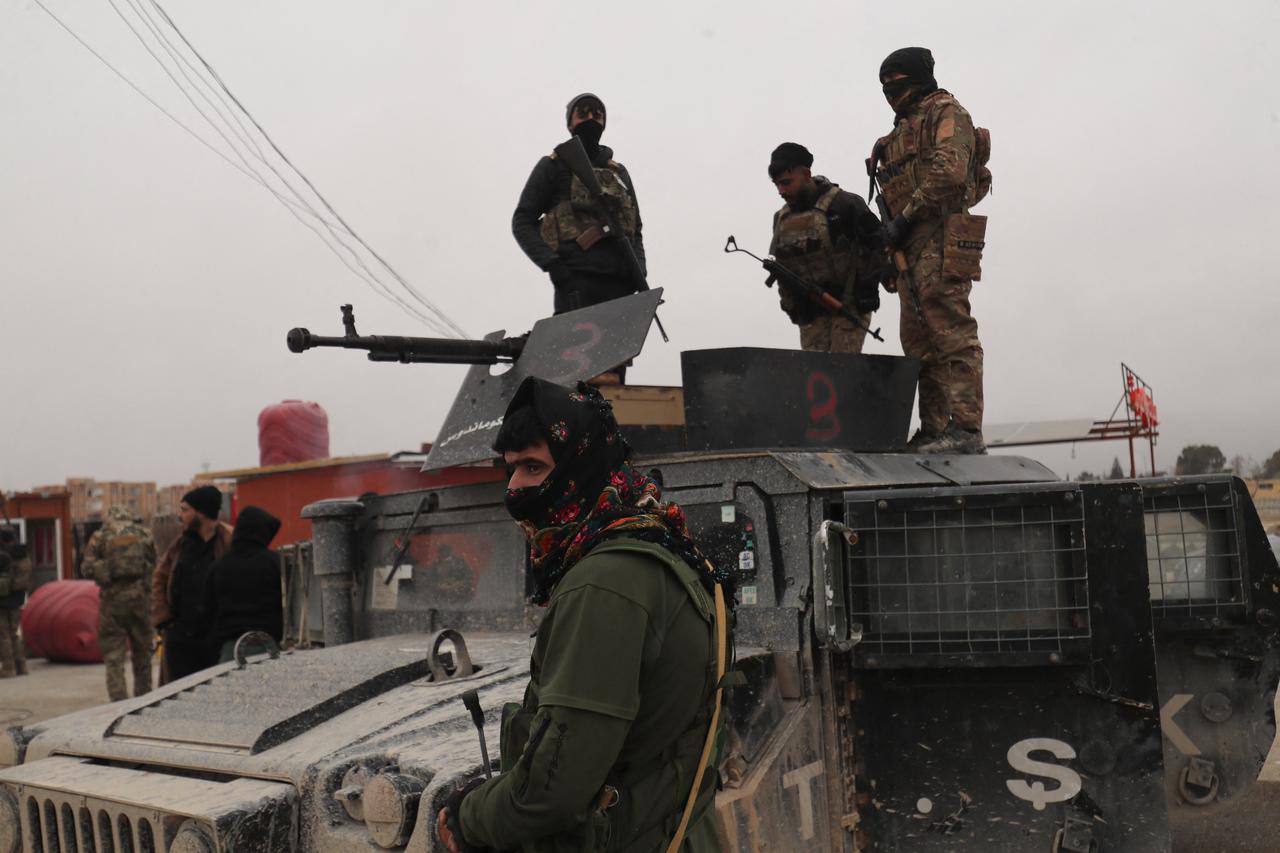

The agreement reached on Jan. 30, 2026, represents the most concrete progress toward Syria achieving a unified, centralized structure, according to Turkish security sources.
"With today's agreement, the yellow zone (SDF-controlled areas) that has long existed on the Syria map is effectively being eliminated," the sources said.
Both sides have expressed satisfaction with the agreement, which the sources noted is crucial for the healthy progression of the process.
The deal includes provisions for regulating and guaranteeing the civil, civic and educational rights of the Kurdish people.
The parties agreed on ensuring the safe return of displaced persons—Arab, Kurdish and other groups—to their home areas.
The agreement aims to preserve Syria's territorial unity, enforce the rule of law and strengthen cooperation among relevant parties to achieve full integration, as well as unify efforts for the country's reconstruction, according to Syrian state television.
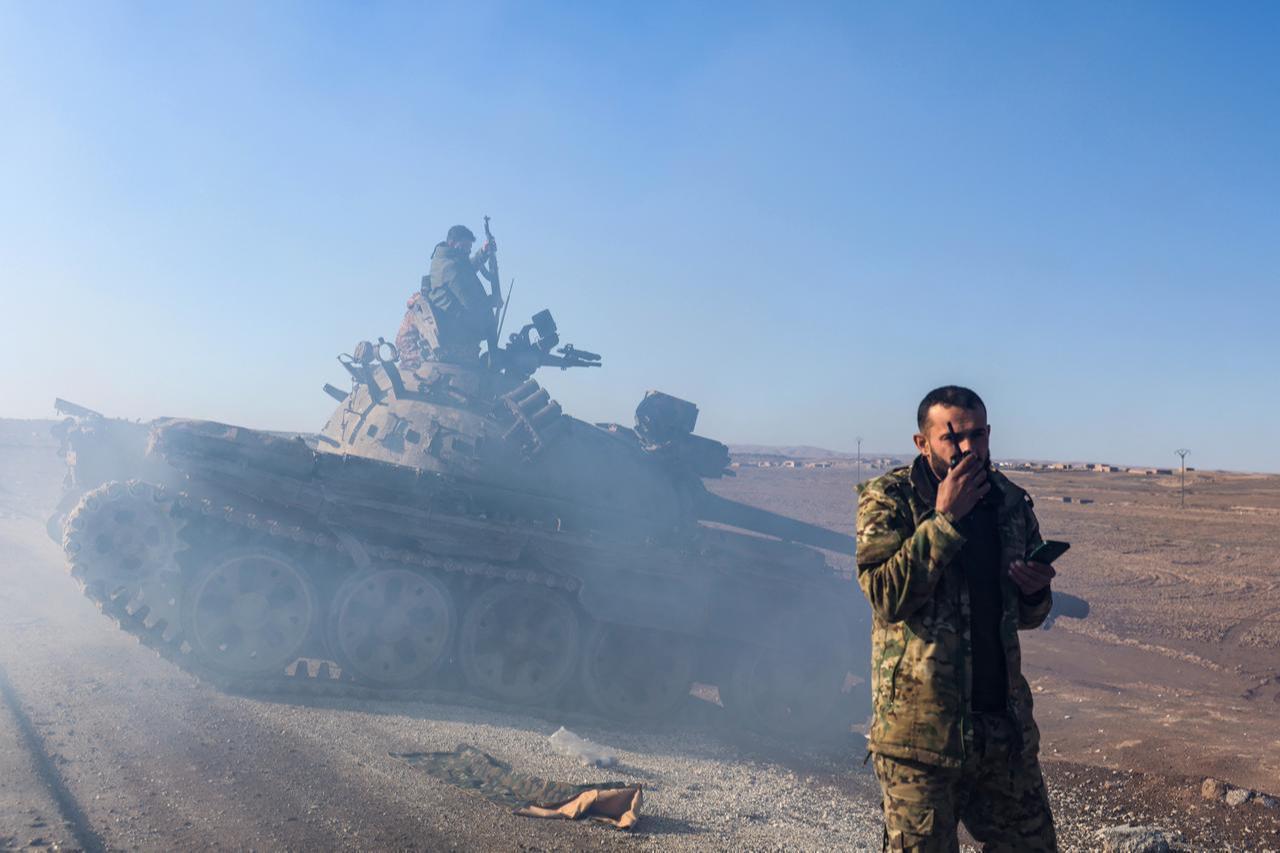
According to Syrian state television, citing government sources, the agreement outlines:
The agreement also includes provisions for the removal of non-Syrian elements from Syria, primarily Turkish citizens, according to Turkish security sources.
This provision addresses a key Turkish concern regarding the presence of foreign fighters affiliated with the PKK/YPG in northeastern Syria.
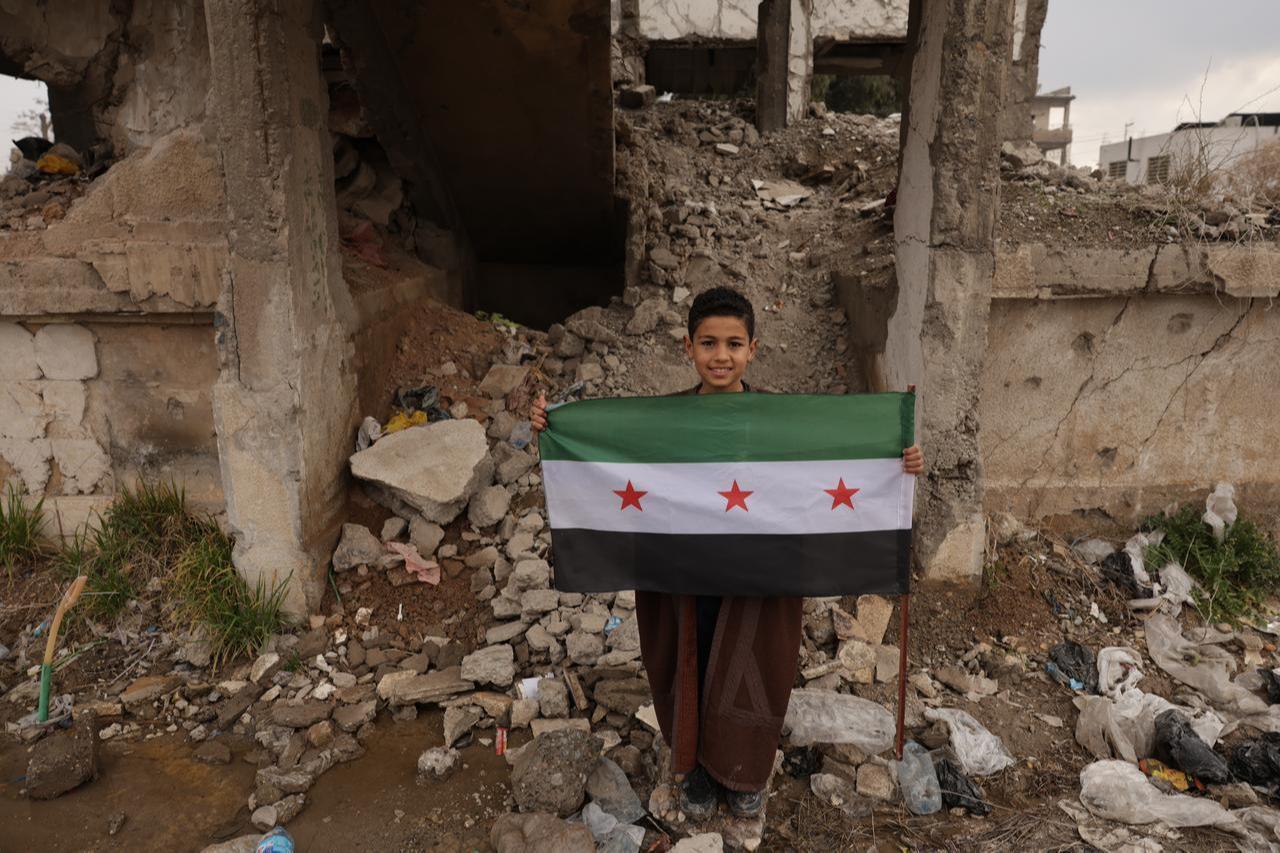
"Türkiye will continue to play an active role on the ground to resolve problems that may arise during implementation," Turkish security sources said.
Upon completion of military and administrative integration:
The Syrian Army launched an operation against the SDF on Jan. 16 in areas west of the Euphrates River. The operation later expanded east of the river with tribal forces, leading to most territories previously under SDF control coming under government authority.
A previous Ceasefire and Full Integration Agreement reached on Jan. 18 included provisions for the group's complete withdrawal from Raqqa and Deir ez-Zor provinces, transfer of public institutions in Haseke to state authority, and placement of all border crossings and energy resources under central government control.
Clashes resumed on Jan. 19 after the SDF refused to comply with the agreement. The Syrian government announced on Jan. 20 that it had declared a ceasefire and granted the group four days to proceed with integration.


 Set as preferred source
 Set as preferred source


 2 min read


 1 min read