Newsletters


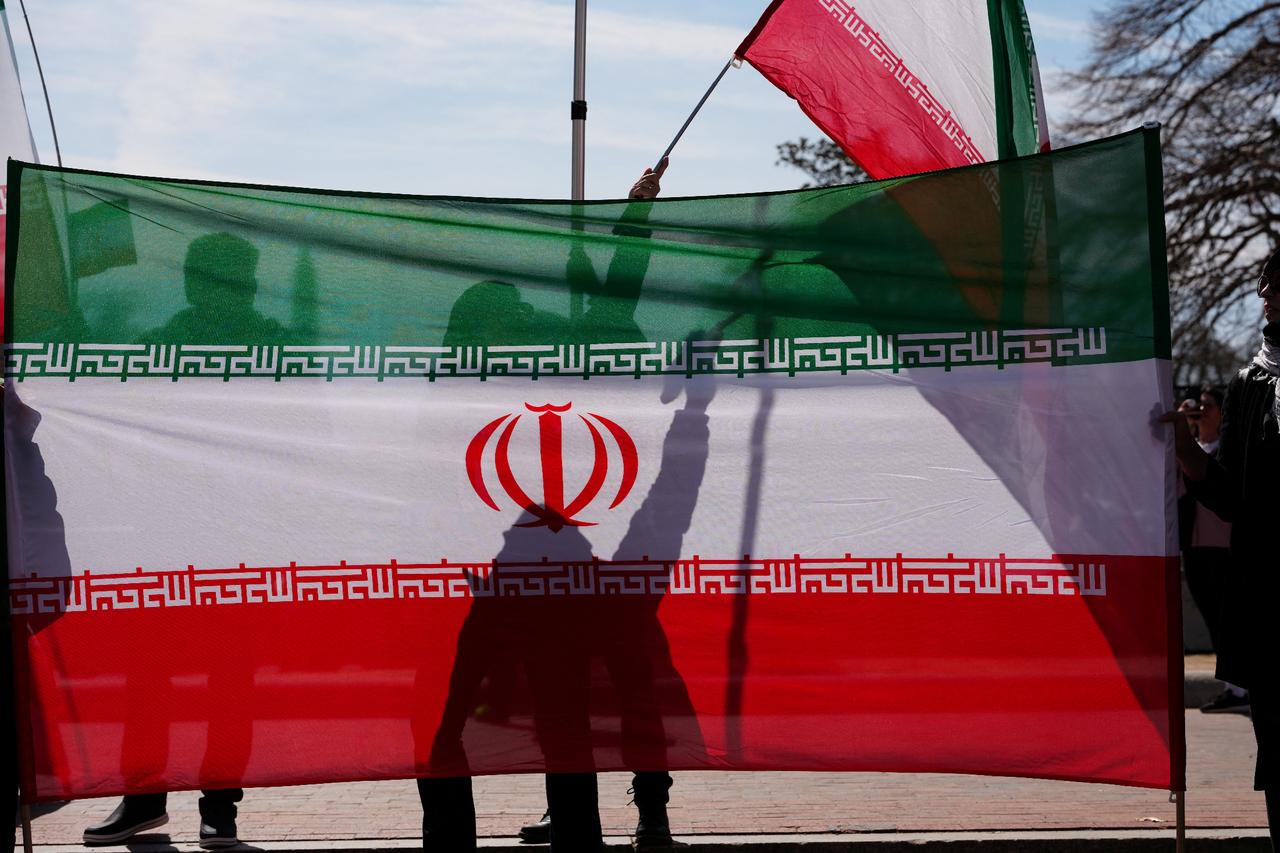


Iranian Foreign Minister Abbas Araghchi stated on Wednesday that the United States started the war with Iran and bears responsibility for "all its consequences."
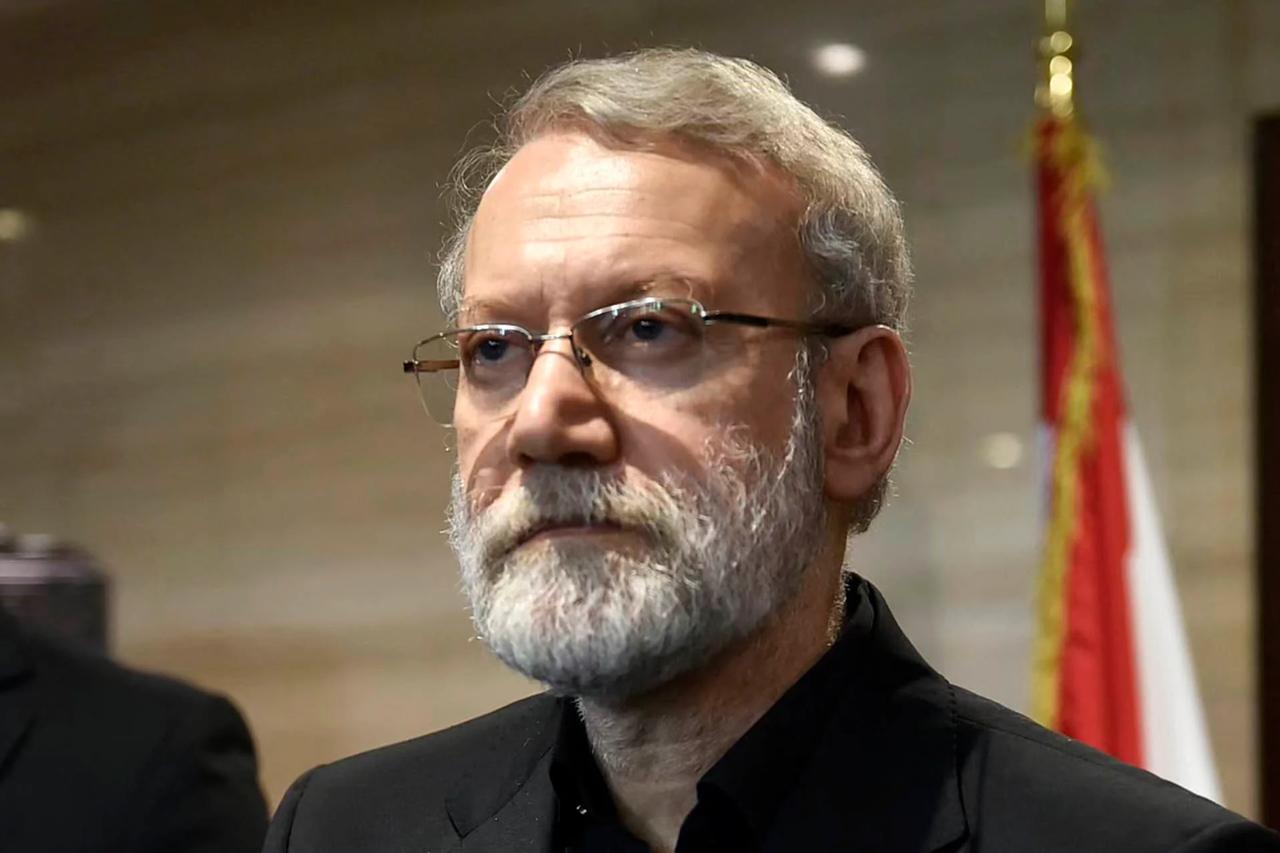
Meanwhile, Iran confirmed that Supreme National Security Council Secretary Ali Larijani was killed in an Israeli airstrike near Tehran, along with his son, aide Reza Bayat and several companions.
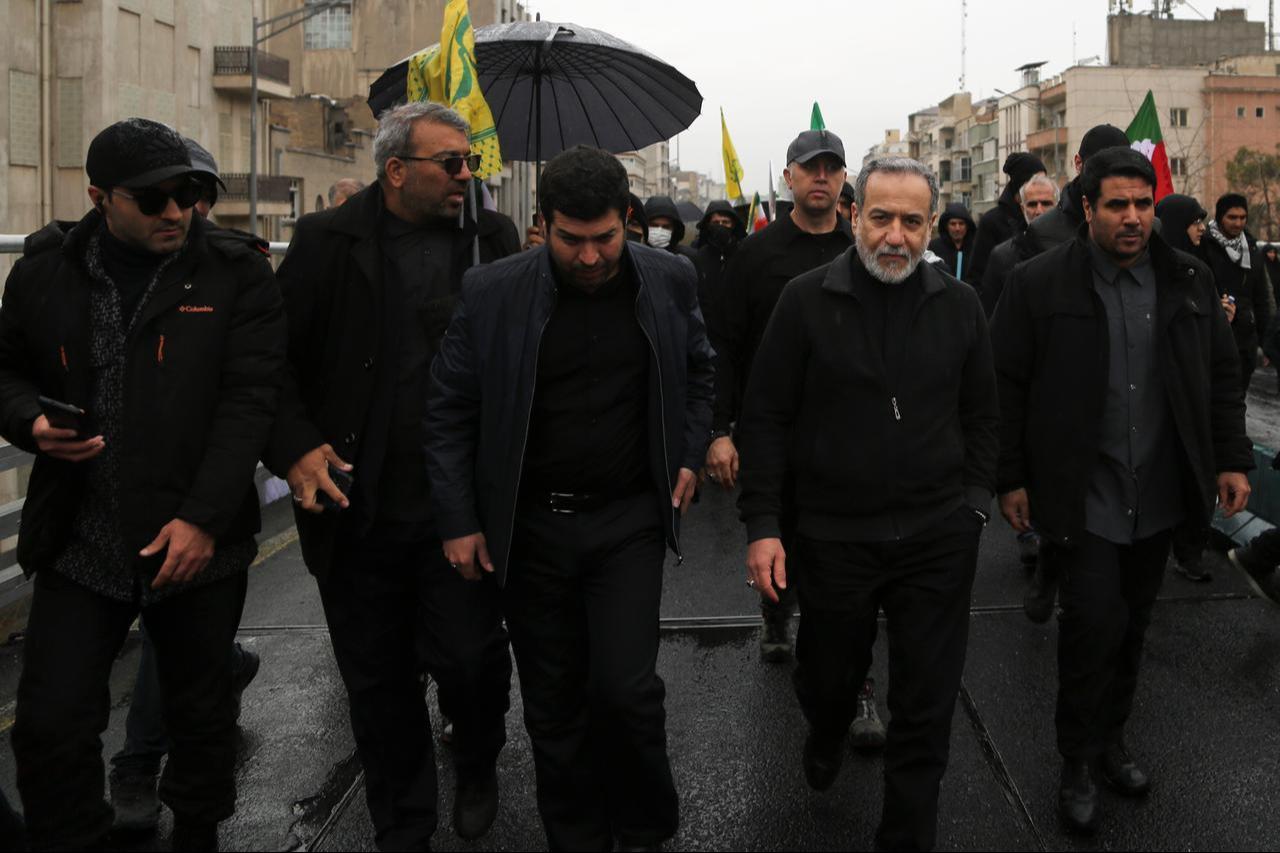

Speaking to Al Jazeera, Araghchi rejected Tehran's characterization of the conflict as a defensive war of its own choosing and placed direct responsibility on Washington.
"This war is not our war. We did not start it. The United States started it and is responsible for all the consequences of this war, human and financial, whether for Iran, for the region, or for the entire world. The United States must be held accountable," he said.
Araghchi noted that the growing conflict in the Gulf was not of Tehran's choosing and that the U.S. military presence across the region makes further escalation "unavoidable."
He also signaled possible new rules for navigation through the Strait of Hormuz, while rejecting a ceasefire in favor of what he described as a permanent end to the war.
Araghchi stated that Iran's political system remains intact despite the killing of senior officials, including the Supreme Leader himself.
"I do not know why the Americans and the Israelis still have not understood this point: The Islamic Republic of Iran has a strong political structure with established political, economic and social institutions," he noted.
"The presence or absence of a single individual does not affect this structure," he added.
The Iranian foreign minister also pointed to the killing of Supreme Leader Ali Khamenei as evidence of the system's "resilience."
"We have not had anyone more important than the leader himself, and even the leader was martyred, yet the system continued its work and immediately provided a replacement," he noted.
"If anyone else is martyred, it will be the same. If the foreign minister were ever to be martyred, there would ultimately be someone else to take the position," Araghchi said.
Iran's Supreme National Security Council confirmed in a statement that Larijani, 67, was killed in an Israeli airstrike near Tehran overnight Tuesday, along with his son, aide Reza Bayat and several companions.
The Israeli military said it carried out a "precise strike," describing Larijani as "the de facto leader" of the Iranian regime.
An Israeli official said Larijani was attacked in a Tehran safe house, Axios reported.
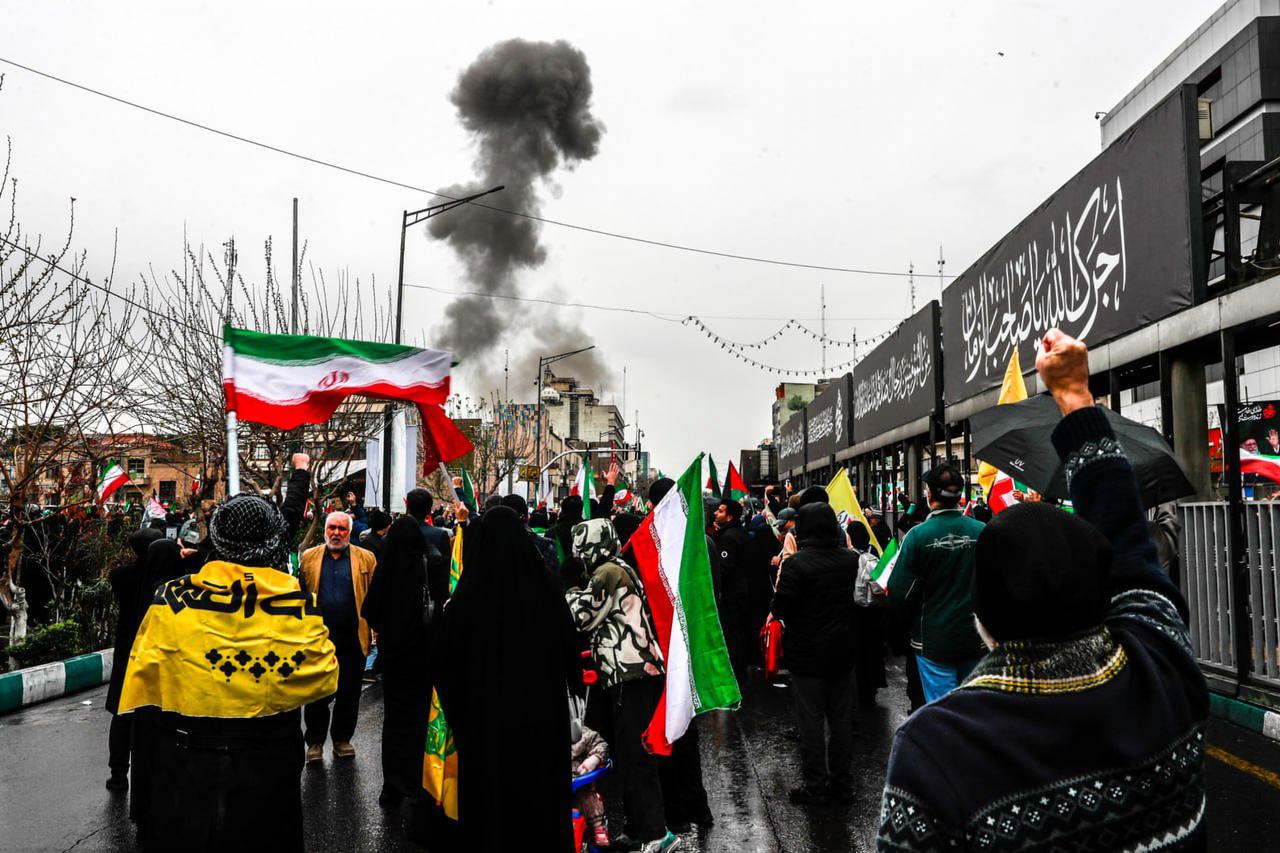
Larijani had appeared publicly the previous Friday during Quds Day rallies in Tehran, hours before his name was reportedly included on a U.S. list offering rewards of up to $10 million for information on 10 senior Iranian officials.
The Israeli army also said it killed Basij paramilitary commander Gholamreza Soleimani in a separate airstrike, striking him alongside several top lieutenants in what was described as a makeshift headquarters.
The killing of Larijani and Soleimani marks the latest in a series of strikes that have decimated Iran's senior leadership since the war began on Feb. 28.
On the first day of strikes, the opening salvo killed Supreme Leader Khamenei alongside top security adviser Ali Shamkhani
On March 3, Israeli forces killed Majid ibn al-Reza, appointed just one day earlier as replacement defense minister, and Reza Khazaei, a top Quds Force member, in a Beirut strike.
On March 8, a drone strike on a Beirut hotel killed four IRGC officials: Majid Hassini, Ali Reza Bi-Azar, Ahmad Rasouli and Hossein Ahmadlou.
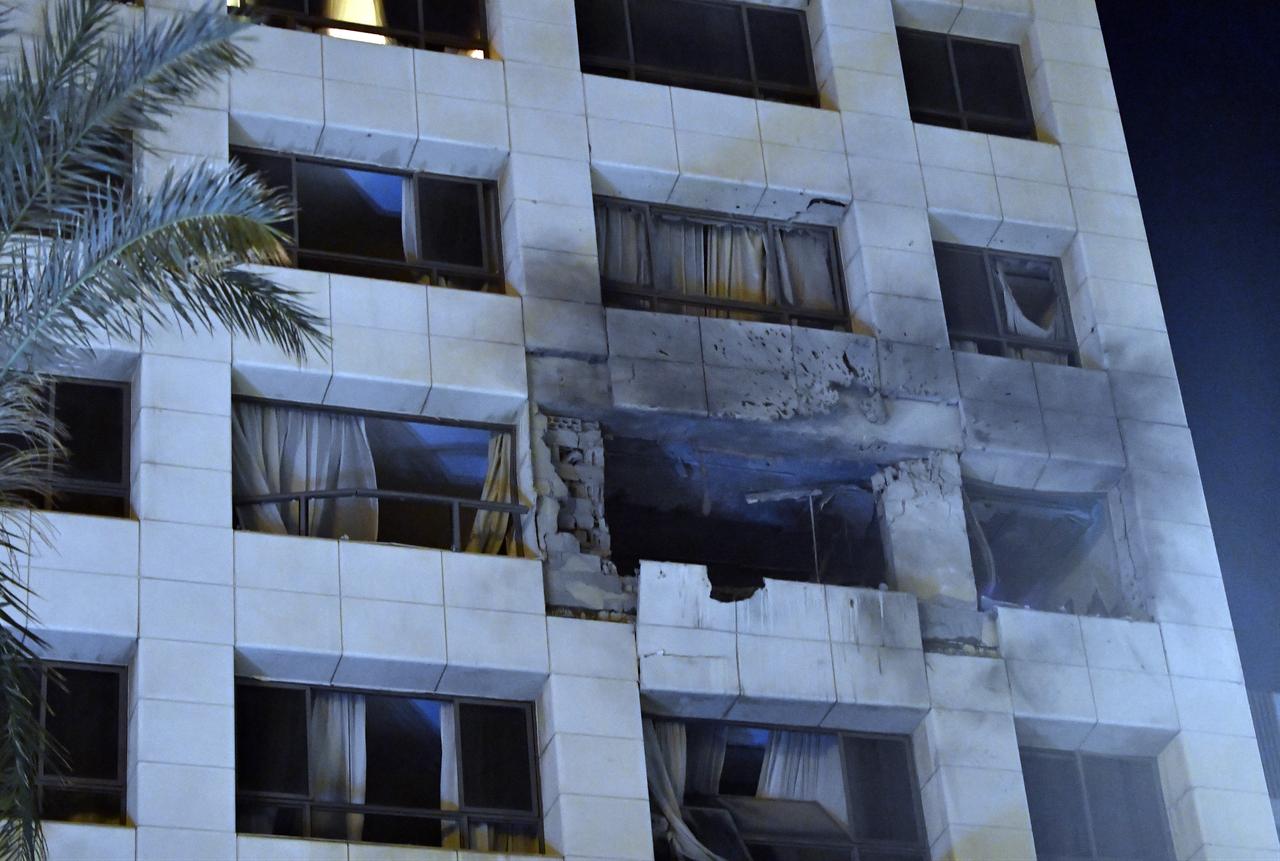
On March 12, Abu Dhar Mohammadi, IRGC missile unit operations commander within Hezbollah, was killed in a strike, Axios reported.
Israel and the U.S. have continued joint attacks on Iran since Feb. 28, killing around 1,300 people so far, including Khamenei.
Iran has retaliated with drone and missile strikes targeting Israel, Jordan, Iraq and Gulf countries hosting U.S. military assets.


 Set as preferred source
 Set as preferred source


 1 min read
 1 min read