Newsletters


Oil tanker captains in the Gulf are being paid the equivalent of $100,000 a month to sail through the Strait of Hormuz, plus a $50,000 bonus for each trip, as Iran steps up attacks on shipping, the Financial Times (FT) reported, citing three people close to tanker owners and crews.
Captains' regular pay is about $15,000 a month, while ordinary sailors, whose monthly wages can start as low as $1,500, receive at least four to six times their normal rates during each Hormuz transit, according to the report.
Shipowners are offering bumper "danger money" to keep crews aboard as Gulf producers try to keep crude flowing through a waterway where at least 93 ships have been hit and 24 sailors killed since the war began Feb. 28, according to the International Maritime Organization (IMO).
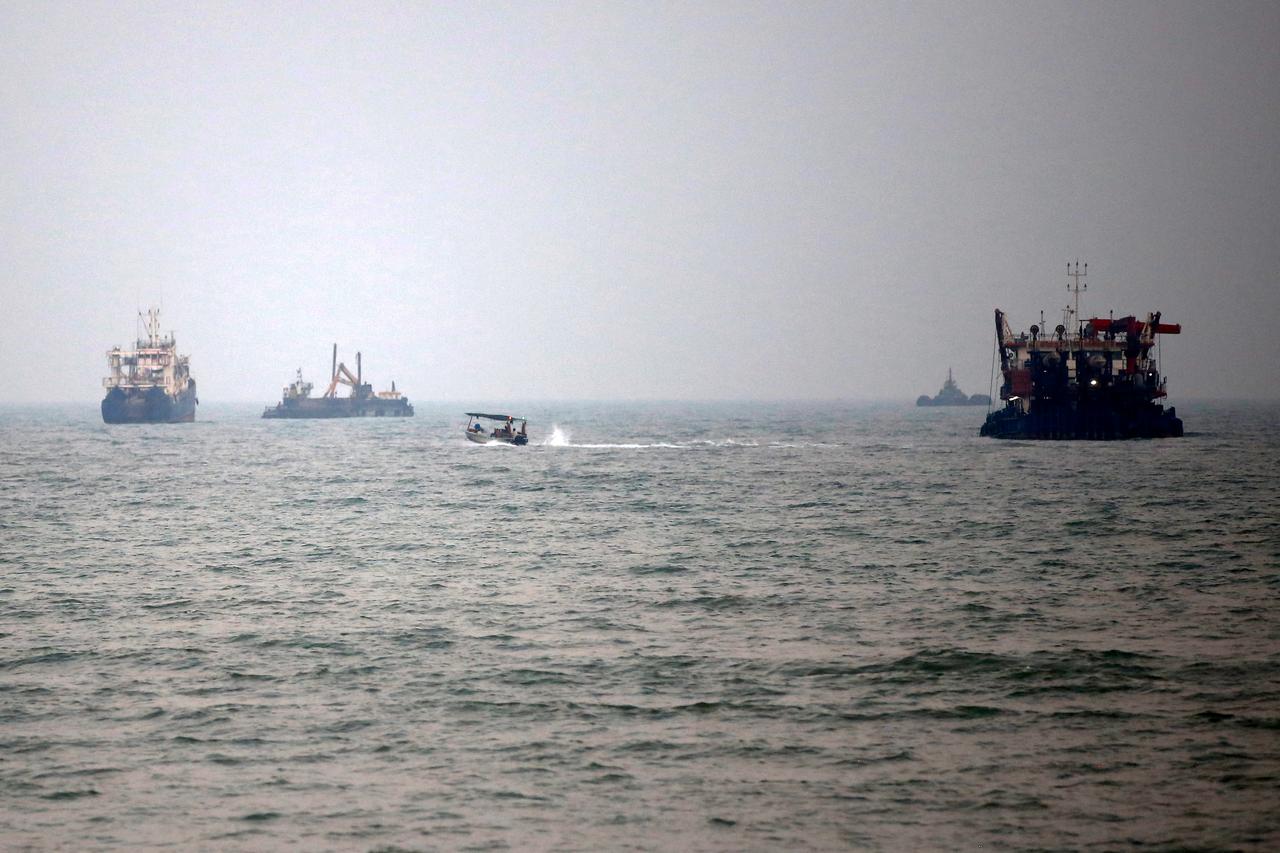

Among seafarers, those making the voyage are "almost being viewed as mercenaries," one of the people told the FT. Because most transits are made by dedicated tankers on regular shuttle runs, sailors can earn the higher rates for months at a time.
Manoj Yadav, secretary-general of the Forward Seamen’s Union of India, said some owners were pressuring unwilling crew to sail by threatening to replace them and deduct repatriation costs from their wages.
"The reality is that these ships and our seafarers are targets. It’s shameful, but it is also a new reality, and it is making the lives of those we rely on very, very difficult," said Scott Bergeron, executive director of Oldendorff Carriers.
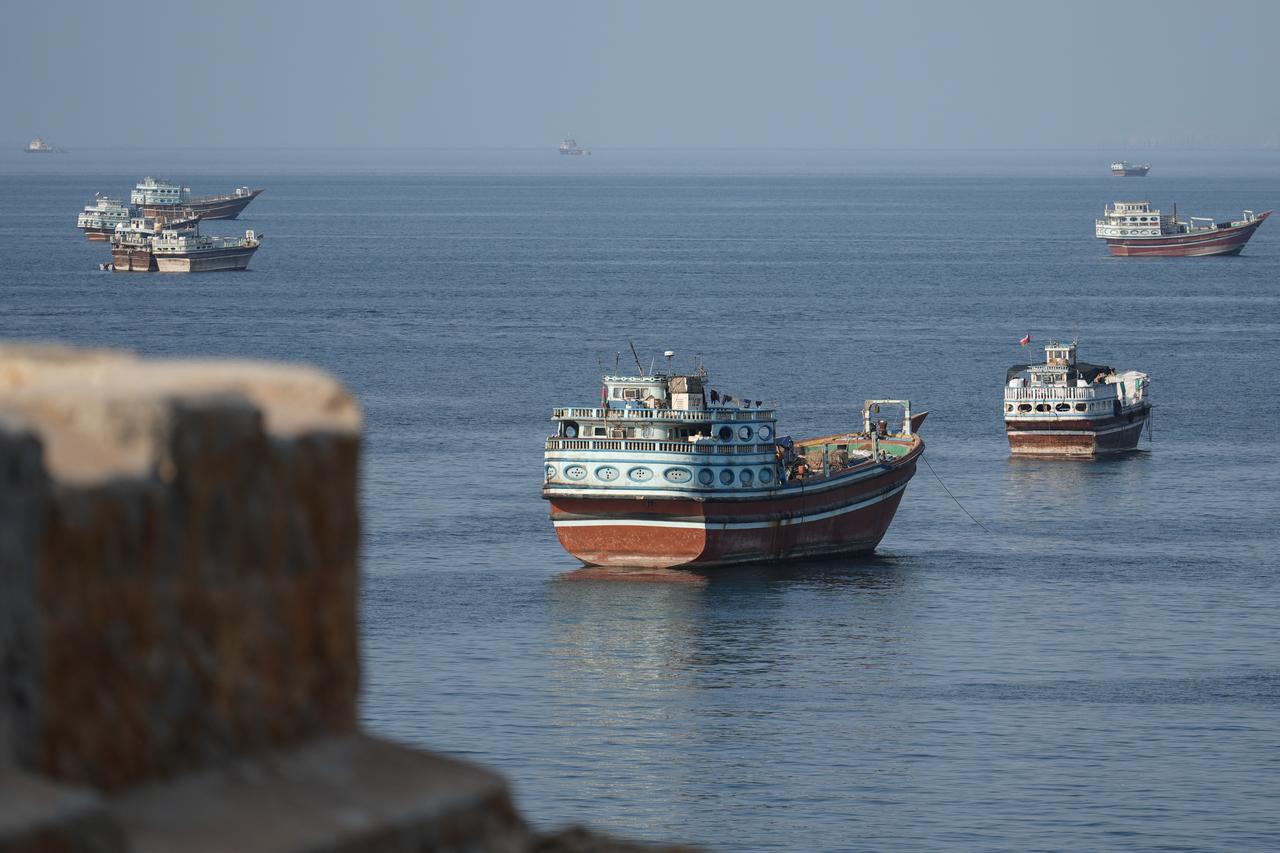
Freight rates for cargoes through the strait reached a record $1.3 million per day this week, compared with $20,000 to $50,000 a day last year.
At least 14 attacks have taken place since Sept. 20, including four vessels struck since Saturday, according to maritime security firm Vanguard. Maritime analyst Windward estimated 13 vessels crossed the strait on Oct. 4, down from 24 a week earlier, and that about 2% of ships transiting in the third quarter were hit.
Most ships cross at night with GPS signaling switched off, while the U.S. Navy has deployed air defenses to cover vessels using a route near the Omani coast.
Oil flows through Hormuz remain about a third below prewar levels, Kpler said, as danger pay rises for crews crossing the Strait of Hormuz.


 Set as preferred source
 Set as preferred source


 2 min read