Newsletters


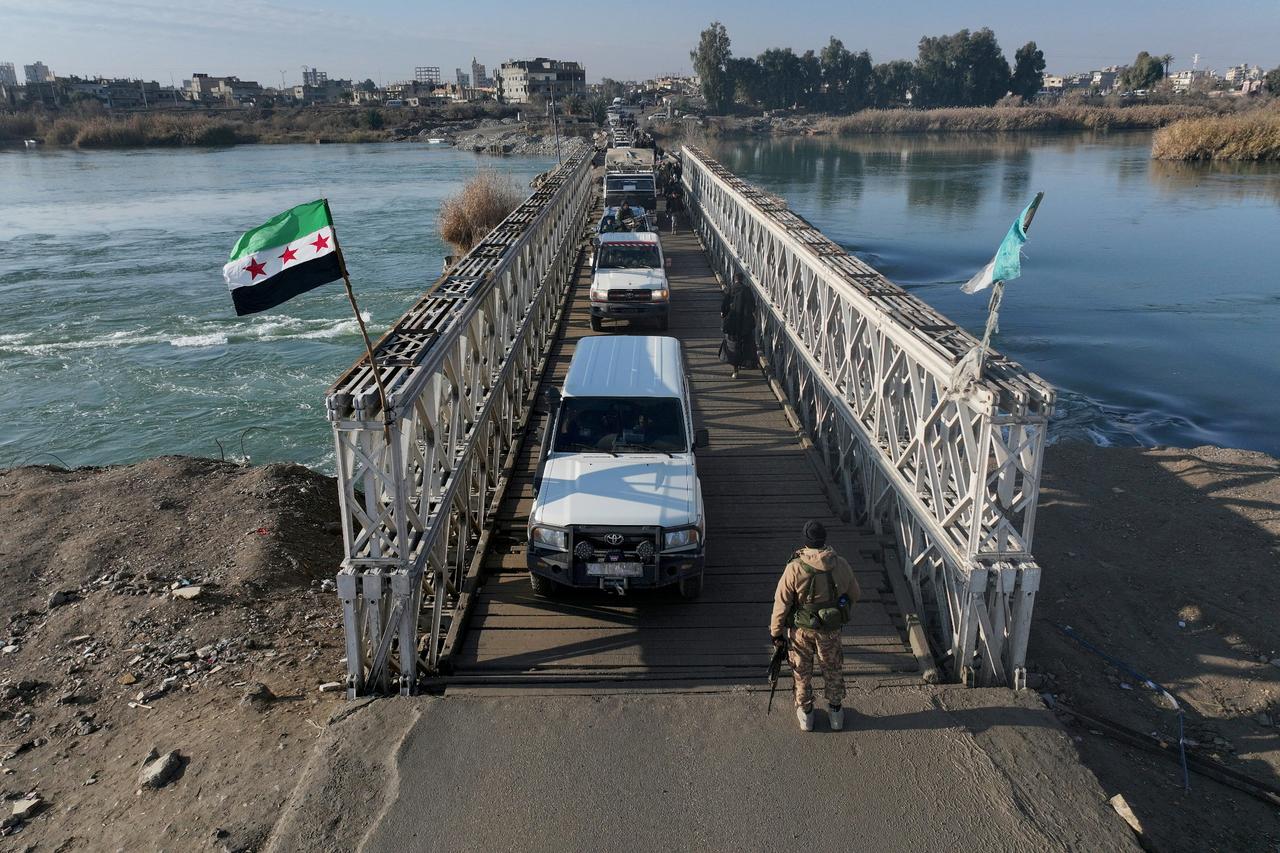


The Ceasefire and Full Integration Agreement in Syria marks the collapse of the YPG/SDF terrorist group's so-called dominion over one-third of Syrian territory and a turning point toward Türkiye's long-sought "terror-free region" objective, Turkish security sources said on Monday.
"The Ceasefire and Full Integration Agreement achieved in Syria has become the beginning of a new process that directly affects the balance of power on the ground and regional security architecture. This agreement, signed between the Syrian government and the SDF, is considered an important stage, especially in terms of Türkiye's 'terror-free region' goal that it has emphasized for many years," Turkish security sources said.
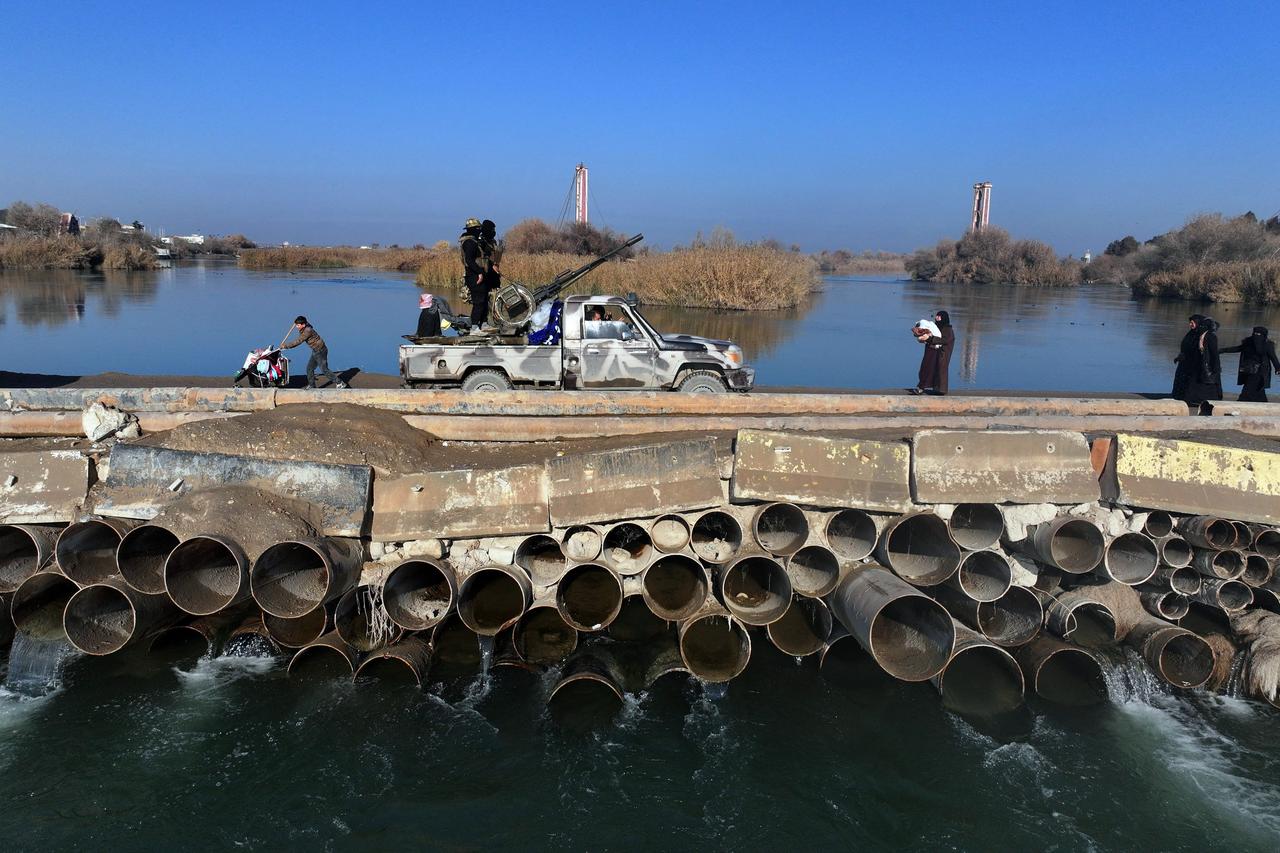

Turkish security sources said the terrorist group's yearslong autonomous administration goal has effectively ended with the agreement.
"With the agreement, the terrorist organization's so-called dominion over one-third of Syria quickly collapsed, and the autonomous governance goal that the SDF has advocated for years has effectively ended," security sources noted.
"The organization, which was forced to accept Syria's territorial integrity, has lost the validity of its claim to establish an independent political and administrative structure in the northeast," the sources added.
The sources also noted the YPG/SDF's effort to position itself as a military structure independent of and stronger than the Syrian army has also collapsed, saying, "The rhetoric of a '100,000-strong disciplined force' that has been expressed for years has been revealed by developments on the ground to be more of a psychological and political propaganda tool than a military reality."
"It is known that a significant portion of this claimed force consists of children, women and local elements forcibly conscripted in occupied areas. Militants dependent on monthly wages and logistical support from external powers, along with temporary alliances, were presented as if there was a comprehensive military capacity," security sources stated.
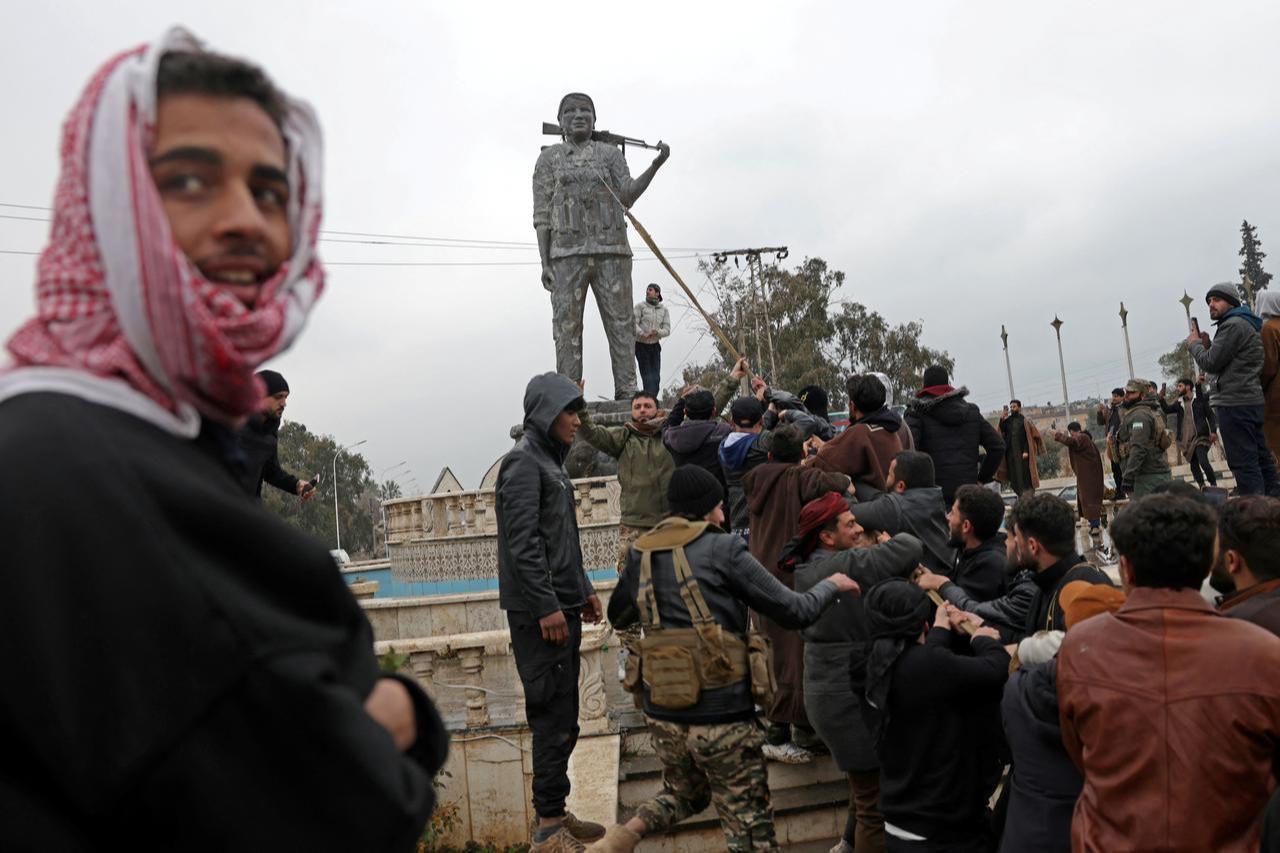
Security sources emphasized the structural fragility of the terrorist group's demographic claims, stating, "Despite approximately 60% of the organization's military structure consisting of Arab elements and the controlled areas demographically largely based on Arab population, this social structure was marketed to the world as a separatist Kurdish base for a long time. However, a significant portion of the Kurdish population in the region was also distant from the organization."
"This structural fragility became visible with Operation Olive Branch and Operation Peace Spring. As a result, the perception of the organization's invincibility collapsed," the sources noted.
"The structure that was uprooted from west of the Euphrates also suffered a heavy blow in the east and was forced to sit at the negotiation table," security sources added.
 1 min read
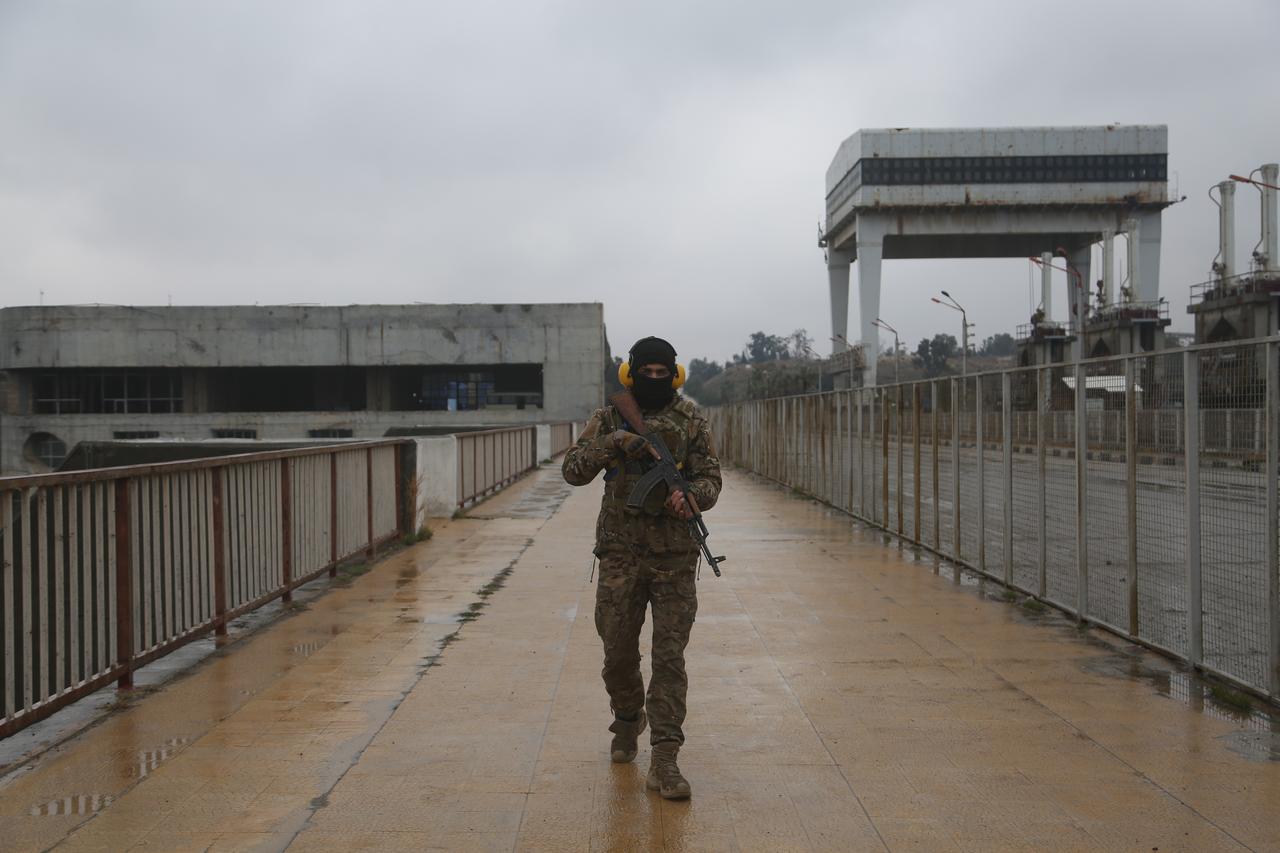
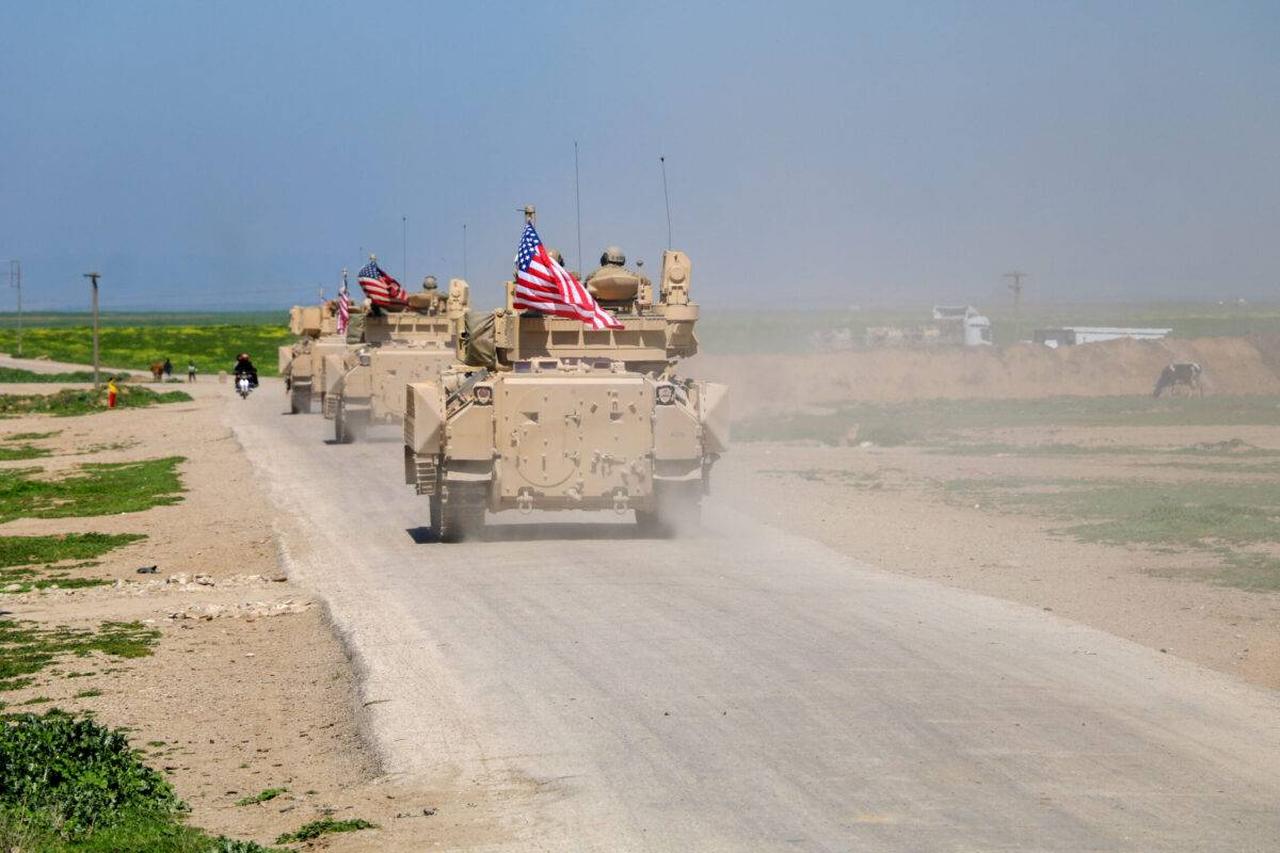
Turkish security sources said the long-held belief within YPG/SDF circles that "the U.S. will never abandon us" has once again become questionable.
"It has been understood more clearly at this point that Washington's approach to the SDF was an operational tool rather than a strategic partnership. This situation has once again demonstrated that security calculations based on external support are not sustainable," security sources said.
The sources noted the terrorist group's claim to be the sole legitimate representative of the people in controlled areas contradicted sociological realities on the ground, adding, "The movement of different ethnic and social segments, especially Arab elements, together with the central Syrian government, has exposed the invalidity of this rhetoric. From an economic perspective, the 'self-sufficient structure' rhetoric developed through oil fields and agricultural lands has also collapsed."
"The transfer of energy basins and agricultural areas to the Syrian state within the scope of the agreement has shown that these regions cannot create a sustainable economic structure outside the Damascus administration," security sources added.
Security sources described the YPG/SDF's capitulation as a diplomatic and military victory for Türkiye's strategy to prevent a terror corridor.
"The claims that the SDF was a balancing element against Türkiye have also lost their meaning with this process. The SDF's surrender is considered a diplomatic and military victory of Türkiye's strategy to prevent the terror corridor. The current stage confirms once again that Türkiye is a powerful actor on the ground and an effective actor at the table," security sources said.
The sources added that the YPG/SDF's rapprochement attempts with Israel did not strengthen the organization's legitimacy as expected, but rather deepened the perception among Syrians that it was a divisive tool of external powers.
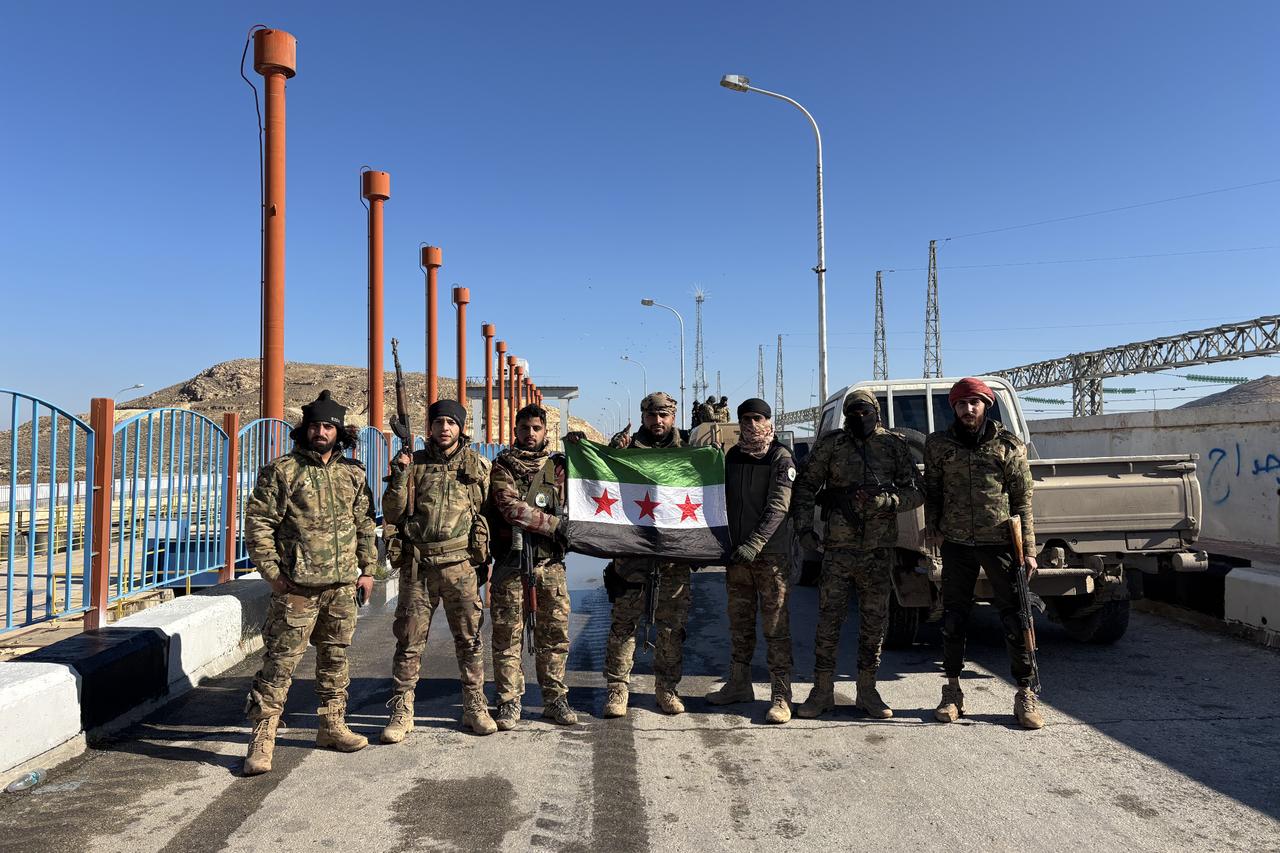
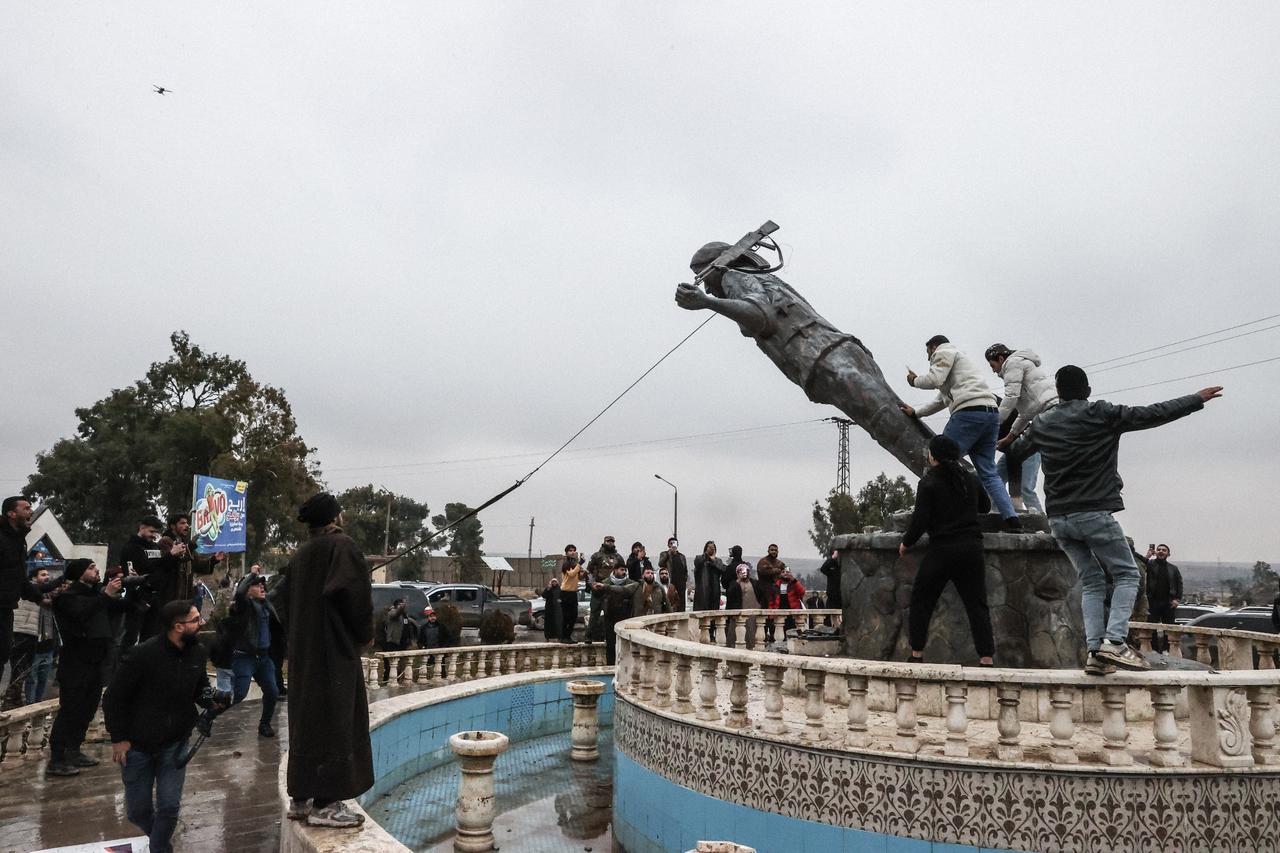
"The agreement announced by Syrian President Ahmad al-Sharaa on Jan. 18 is considered one of the critical thresholds of the new era that began on Dec. 8, 2024. Türkiye hopes that this process will progress with an inclusive governance understanding based on Syria's security, reconstruction and the consent of the people," security sources said.
"Ankara will continue to support constructive steps taken on the basis of Syria's sovereignty and territorial integrity, with an understanding that does not see its neighbor's security as separate from its own. A terror-free, stable and integrated Syria is seen as the key to lasting peace not only for the Syrian people but for the entire region," security sources concluded.


 Set as preferred source
 Set as preferred source


 1 min read