

 Newsletters


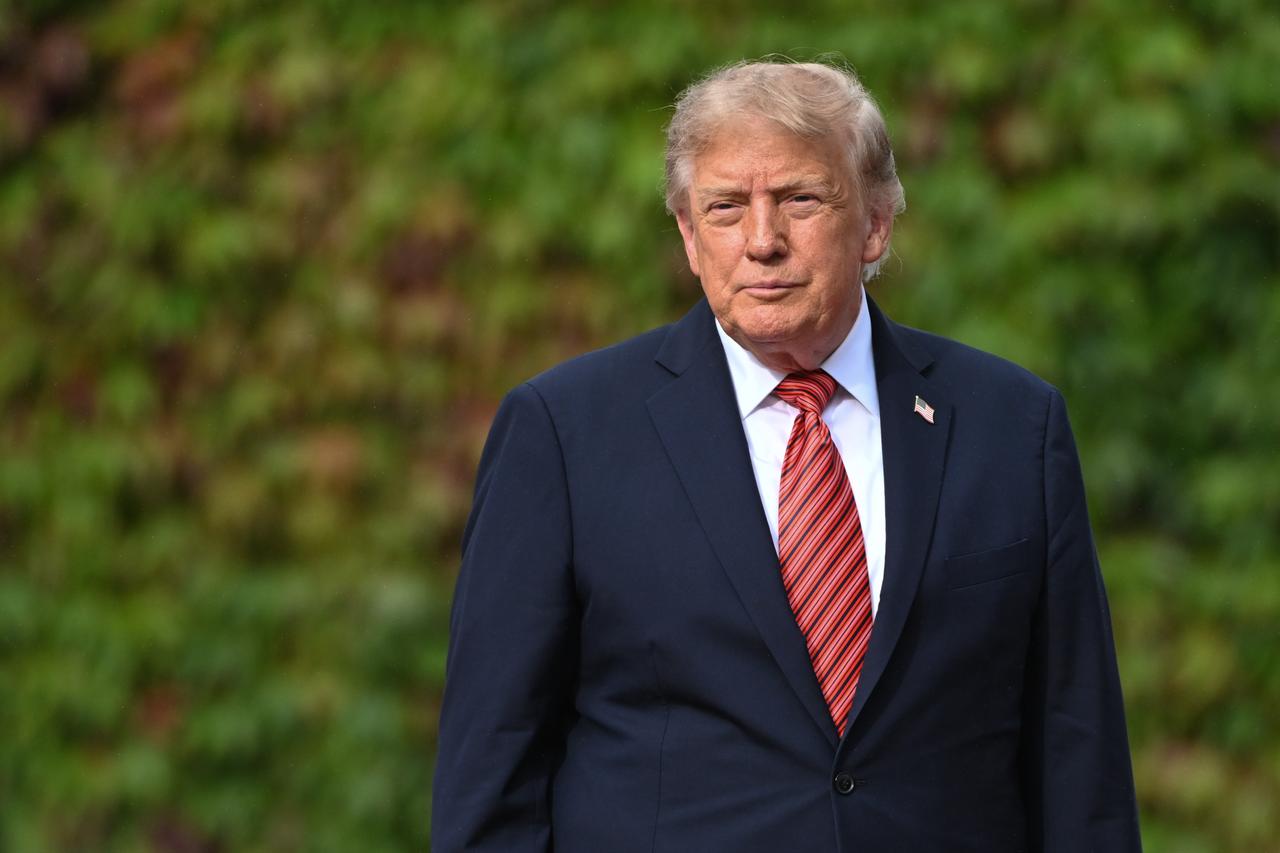


U.S. President Donald Trump said Saturday that Yemen's Houthis had reached out to Washington to signal they do not want to fight the United States, as he addressed a range of Middle East developments during a visit to Ireland.
"The Houthis called us, and they don't want to fight with us. They let us know... They don't want me to go after them; they don't want us to go after them," Trump told reporters in Dublin.
He added that "it's just one country that they're not too happy with" and promised to "get that straightened out."
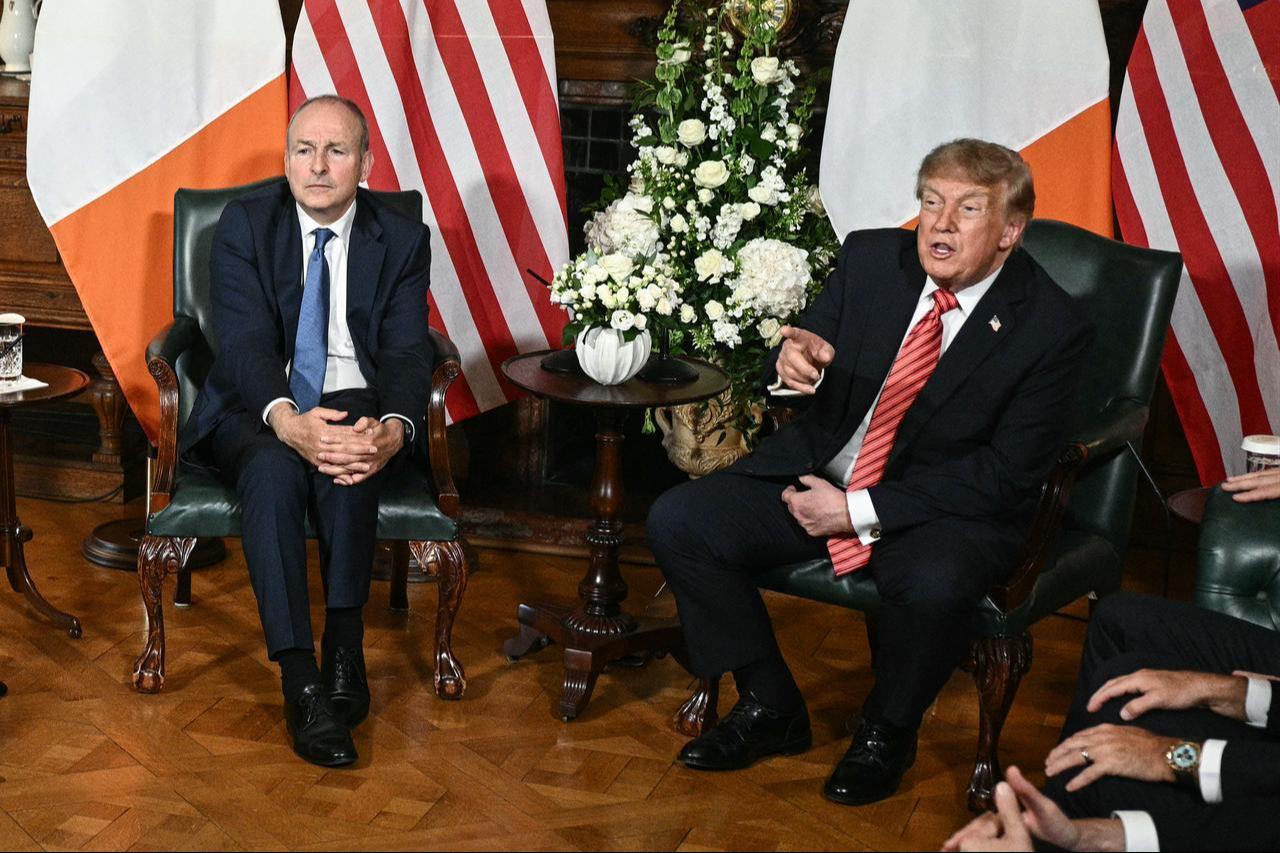

Trump confirmed he had spoken by phone with Saudi Crown Prince Mohammed bin Salman, as had been previously reported many media outlets. According to those reports, MBS had asked Trump to strike the Houthis, a request Trump declined.
"He's a good friend of mine," Trump said of the crown prince.
"I can just say everything's going to work out fine," he added.
Two U.S. officials told ABC News that the Trump administration has no plans for direct military action against the Houthis for now, though it is providing Saudi Arabia with substantial intelligence and targeting support.
The officials said that assessment could shift if threats to Red Sea shipping intensify.
U.S. Central Command (CENTCOM) chief Adm. Brad Cooper traveled to Saudi Arabia for talks overnight Thursday as part of that support, according to one official, who said bin Salman pressed for direct U.S. military involvement during his calls with Trump but stopped short of calling it essential.
"The United States is focused on protecting our core national security interests, such as ensuring freedom of navigation in the Red Sea, while empowering our regional partners to take the lead in managing and resolving regional security challenges," a senior administration official said.
A second official said Riyadh has signaled willingness to launch a major offensive against the Houthis alone if necessary, though no decision had been made.
Asked whether Iran was responsible for the drone attack that forced the shutdown of Saudi Arabia's East-West pipeline, Trump said: "Well, I think they probably are."
The pipeline, a vital route for Saudi crude exports, was struck by drones launched from Iraqi territory.
Asked whether the U.S. might help move shipping traffic through the Strait of Hormuz amid the disruption near Bab el-Mandeb, Trump said: "Everything will work out just fine."
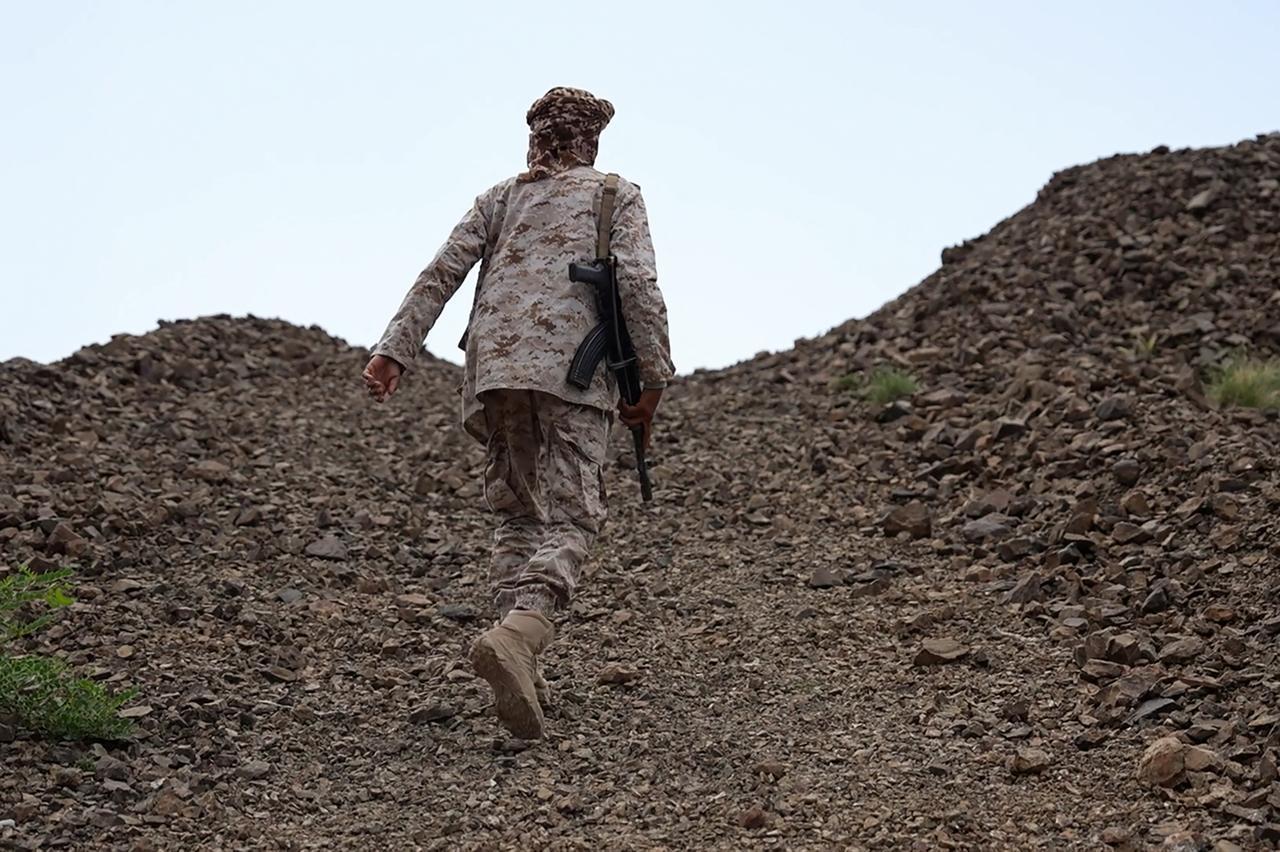
Trump's comments on Yemen came as Iran-backed Houthi forces expanded their offensive against Saudi-backed Yemeni government forces, seizing territory along the Red Sea coast and threatening the Bab el-Mandeb Strait.
The Houthis have described the fighting as a response to a Saudi "blockade" of Yemen, which followed Riyadh's attack on an Iranian plane attempting to land at a Houthi-controlled airport in July.
U.S. officials said Friday that while Houthi forces appeared to have taken much of Yemen's west coast, government troops and allied militias were continuing to resist and that the situation remained fluid.
Asked when the war with Iran would end, Trump repeated his previous prediction that it would happen "probably right after the midterms," accusing Iran of "trying to hold out as long as they can to complicate the election."
"But I think people are wise to it," Trump said.
"Oil prices will come tumbling down when that happens," he added.
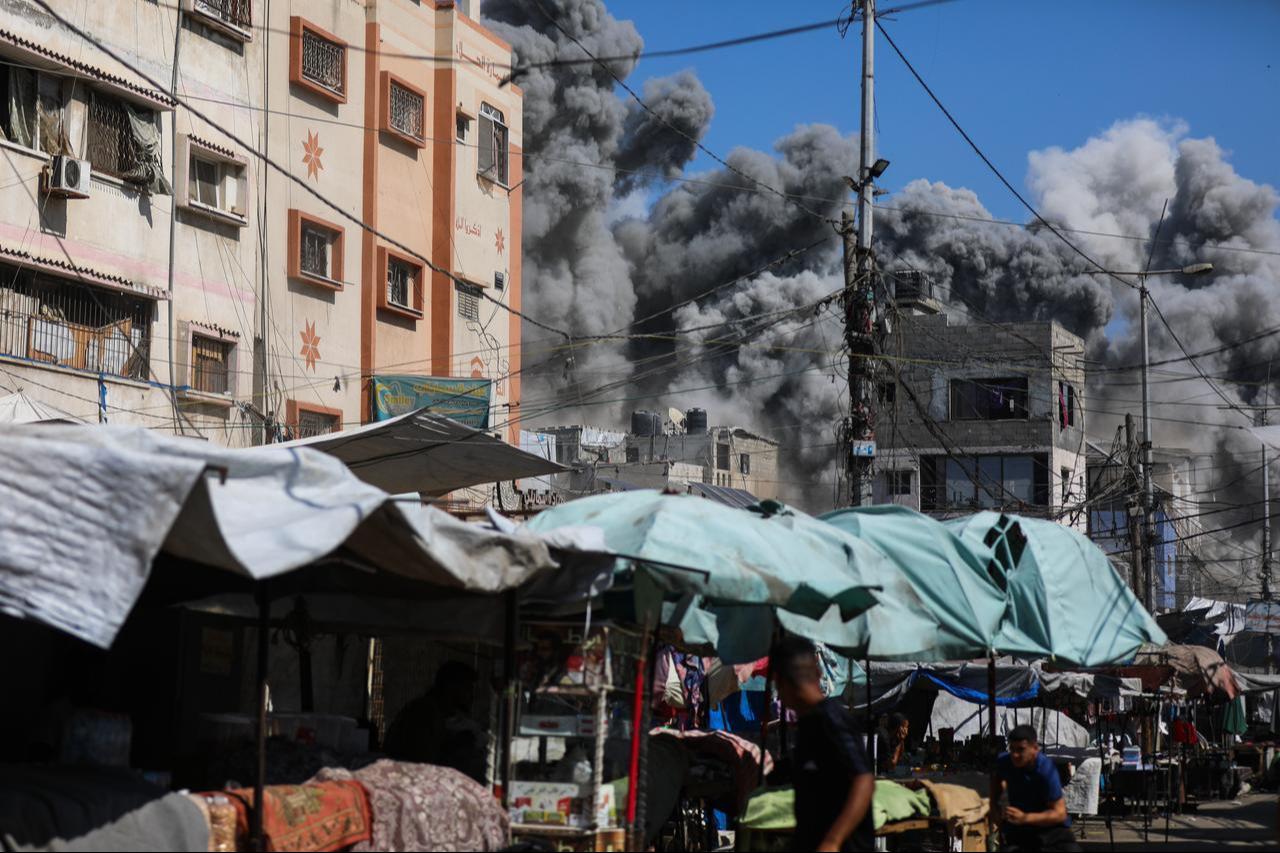
Asked about the United States "facilitating Israel's genocidal war" in Gaza, Trump defended the administration's record.
"When you say Gaza, you know, we put out the fire, and we got all the hostages back. There's very little happening right now in Gaza," he said.
"The parents of those dead hostages, they knew they were dead. They wanted their sons or daughters ... back. And we got every one of them back in the end," Trump noted.
"If you look at Gaza, there's a lot of good relationships taking place right now. It's been quite amazing. I think we've done a great job," Trump added.
Trump's remarks came during a two-day visit to Ireland, where he met Irish President Catherine Connolly at Aras an Uachtarain, the president's official residence in Dublin, and later held bilateral talks with Prime Minister Micheal Martin at Farmleigh House.
He was greeted earlier in the day by senior Irish officials, including Deputy Prime Minister Simon Harris and Foreign Minister Helen McEntee.
Trump also said during the visit that he would "love to see" a unified Ireland, calling it "a fantastic thing" that he believes "is going to happen eventually."
His itinerary included events at the U.S. ambassador's residence in Phoenix Park before he was scheduled to travel to County Clare to attend the Irish Open at his golf resort in Doonbeg, ahead of his departure from Ireland on Sunday.


 Set as preferred source
 Set as preferred source


 2 min read


 1 min read



