Newsletters


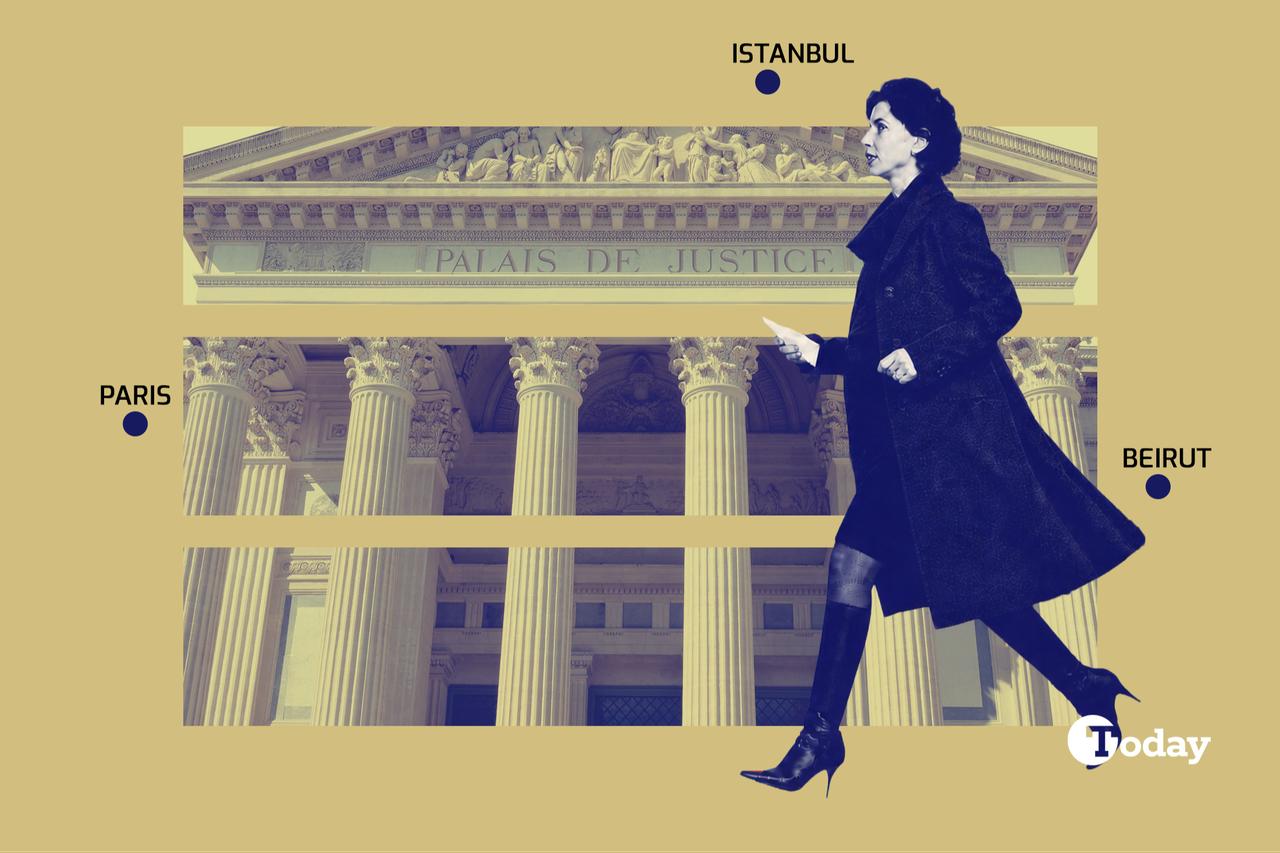


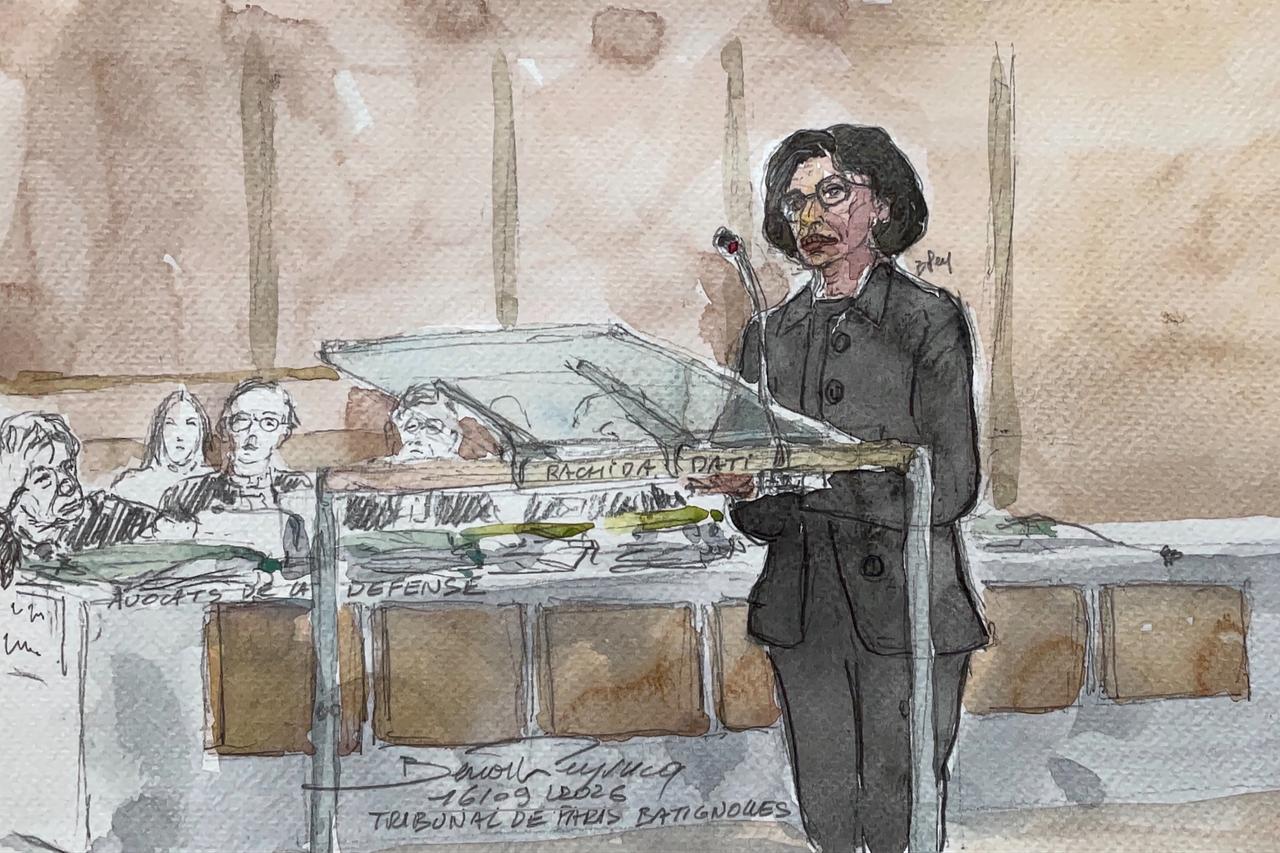
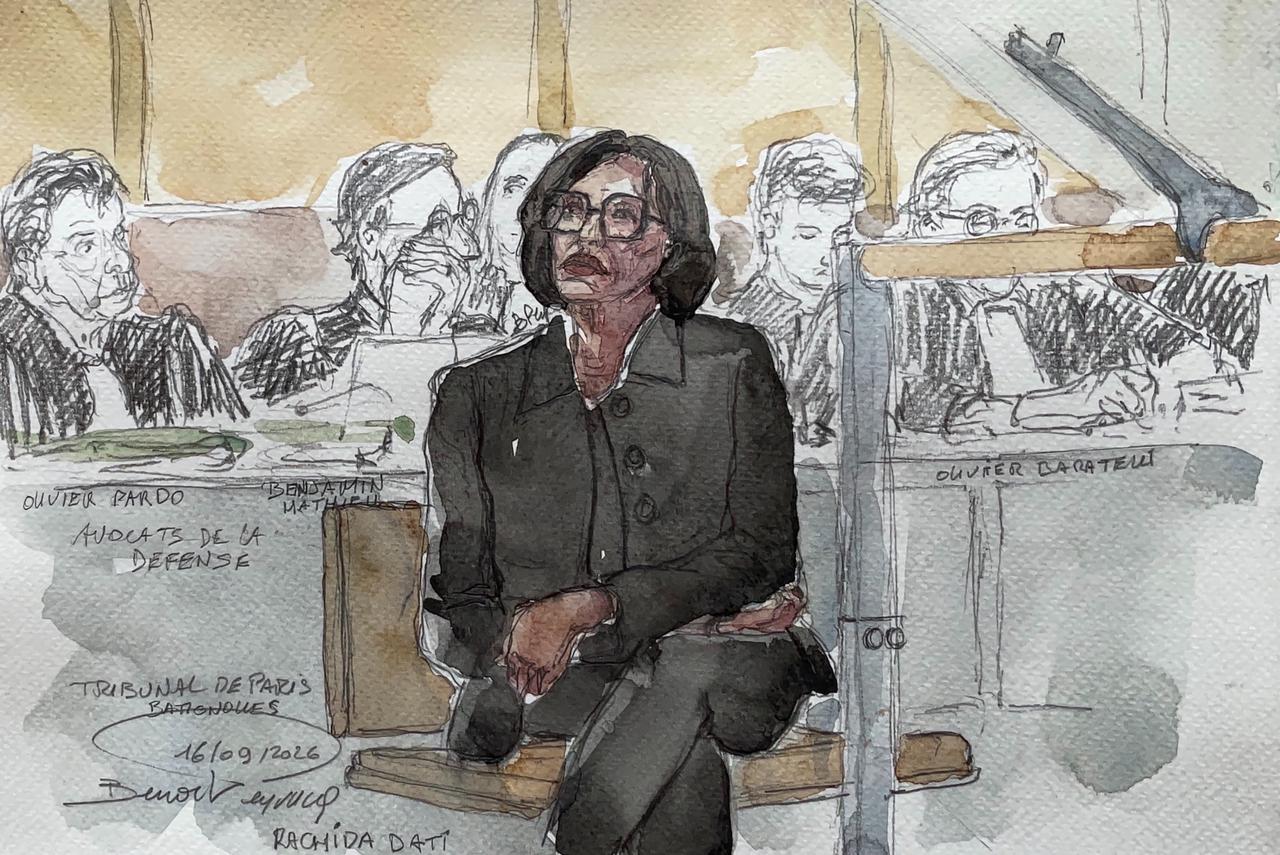
Rachida Dati sailed into the Paris criminal court last week dressed head to toe in black, patent-leather heels at her feet.
The story stretched back 17 years. The money trail did not lead to Istanbul. Not yet. The trial might tell whether it ever did.
Dati had travelled a long way to reach this courtroom. Once French President Nicolas Sarkozy’s justice minister, then a European parliamentarian, now mayor of Paris’ moneyed 7th arrondissement, she had spent years trying to keep the case from getting this far.
Formally charged in 2021, Dati and her lawyers filed 42 appeals and requests during the investigation.
None of them stopped the clock.
The judges were waiting. Carlos Ghosn was not. He was in Beirut, and Istanbul was how he got there.
In 2009, Ghosn was one of the most powerful executives in the automobile industry, chief executive of Renault and Nissan. Dati had just left the French government and entered the European Parliament.
On Oct. 28 that year, she signed a fee agreement with Ghosn through RNBV, Renault-Nissan’s Dutch management subsidiary. On paper, she would help with the group’s international expansion, particularly in the Middle East and Maghreb. The price was €300,000 a year for an estimated 300 hours of work.
Three hundred hours. Three hundred thousand euros. At that altitude, the meter does not tick. It purrs.
Over the following years, RNBV paid Dati €900,000.
Prosecutors now say the contract was camouflage. Dati sat in the European Parliament while, they allege, the money bought influence: questions, access and help with European regulation. Dati says she worked legitimately as a lawyer. Ghosn denies corruption.
Then the machinery seized up.
Ghosn was arrested in Japan in November 2018 on financial-misconduct allegations he denied. Renault began examining the financial affairs of his reign. By 2019, the Dati contract was in the hands of French investigators.
And then Ghosn disappeared.
On Dec. 29, 2019, while awaiting trial in Japan, he was concealed in a large box and carried aboard a private jet from Osaka.
Its destination was Istanbul. There he changed planes and flew to Beirut.
Turkish justice eventually nabbed the hoodlums: an Istanbul court convicted two pilots and an executive of Turkish charter company MNG Jet over the escape, sentencing each to four years and two months.

The plane reached Beirut on Dec. 30. Ghosn was Lebanese, and Lebanon did not send him back. One of the world’s most powerful auto executives had exchanged the boardroom for a fugitive’s life.
Beirut suited the story too well. Not because every alley harbored a racketeer—it did not—but because beneath the legitimate commerce ran another economy: cash, contraband, weapons, and people moving through networks that preferred the shadows.
The 2025 Global Organized Crime Index gave Lebanon a criminality score of 7.30 out of 10, ninth among 193 countries. Human smuggling scored 8.50, arms trafficking 9.00 and human trafficking 8.00. The index also described powerful criminal networks and state-embedded criminal actors. There was serious money moving off the books, in other words, and serious people making sure it kept moving.
Ghosn stayed in Beirut. The French investigation moved on without him.
Seven years after his escape, it had brought Dati to this Paris courtroom and returned attention to a different trail, one that had begun long before the box and the private jet: €900,000.
“I will not comment on Madame Dati and her case,” Ghosn told French radio station RTL from his Beirut refuge.
Dati was no stranger to Türkiye, although there was no suggestion she had anything to do with Ghosn’s escape through Istanbul. Türkiye had figured in the work she said she performed for Renault-Nissan, and she had cultivated contacts at the highest levels of Turkish politics. In 2018 Dati travelled to Türkiye with fellow European parliamentarians for meetings with senior government officials.
A year later, Ghosn smuggled himself into Istanbul.
“I’m not saying I’m virtuous,” Dati told the French press. “But I’m careful about everything.”
Then the name Carlos Ghosn entered the conversation, and careful became a complicated word.
This was where the affair acquired the perfume common to expensive scandals: good tailoring, polished conference tables and paperwork explaining why an extraordinary €900,000 in legal fees was perfectly ordinary.
The mystery lay partly in what was not there: no annual reports documenting the mission, little written evidence of the work, no travel expenses. Renault employees questioned in the region knew nothing of her activities.
But there were other scraps of paper. A town-hall secretary had warned that detailing her hours—four mandates at 300 hours apiece, on top of being an MEP and mayor—would be “difficult to manage.”
It was a bureaucratic sentence: small, dry, and lethal.
Between 2010 and 2013, Dati earned more than €2 million before tax from seven clients. Renault-Nissan accounted for 43%.
Then there were the emails. There are always emails.
In January 2010, Renault executives discussed what they expected from her. One matter concerned European class actions, an expensive prospect for automobile manufacturers. Dati was supplied with a working document and, according to prosecutors, asked to find a way of obstructing the emerging legal machinery. She also submitted parliamentary questions concerning the automobile industry without declaring a potential conflict; investigators said at least one had been sent beforehand to Ghosn.
Now the respectable furniture of corporate Europe began to wobble. Brussels committees, Paris law offices, Dutch subsidiaries: a thousand euros an hour here, a parliamentary question there.
Nobody called it buying influence. Influence comes through the front door in Dior and sends an invoice.
The contract had another peculiarity. Dati was not yet registered with the Paris bar when she signed it. She registered four months later, after receiving her first payment. Prosecutors contend the lawyer’s title provided a route around rules preventing MEPs from working as consultants. Her lawyers say she worked exclusively as a lawyer for RNBV.
After Ghosn’s arrest, Renault investigated its financial affairs under his leadership and alerted prosecutors to suspected wrongdoing. The Dati contract surfaced in the resulting French investigation. Renault eventually joined the case as a civil party.
The geography had fortified its own crooked poetry: Tokyo supplied the cell, Istanbul the passage, Beirut the sanctuary, Paris the courtroom.
Dati faces charges including passive corruption and influence peddling and denies wrongdoing. The prosecution calls the arrangement a corrupt pact; the defense calls that an artificial construction. The court must decide which description survives the evidence.
And there was Istanbul again.
“Whatever act was committed in Türkiye in violation of the Turkish Penal Code, whoever committed such a crime, the judicial authorities are pursuing it,” then-Justice Minister Abdulhamit Gul said in 2020.
Six years later, the words still have life in them.
In the corridor outside the courtroom, a Turkish man stood talking quietly with a plainclothes French police officer. He had the look of government about him but offered no explanations. Perhaps he was there on business. Perhaps he was simply curious.
Either way, the sight of him pulled the story east, to the Bosphorus, black beneath the city lights, dividing continents. To a December night when a Bombardier Global Express touched Turkish ground and a fugitive changed airplanes.
Now came whispers that the French were back in Istanbul, asking about that winter night. The strait is renowned for keeping its secrets. The living have a harder time.


 Set as preferred source
 Set as preferred source


 3 min read