Newsletters




Belqees TV, a Yemeni channel broadcasting from Istanbul, abruptly suspended operations on Nov. 28 after 10 years on air, prompting questions about the reasons behind the shutdown. The station’s management insists the move was driven by internal administrative and financial factors.
The closure decision came as an unexpected move, issued without prior notice, even to some staff members who learned of it only through the official statement.
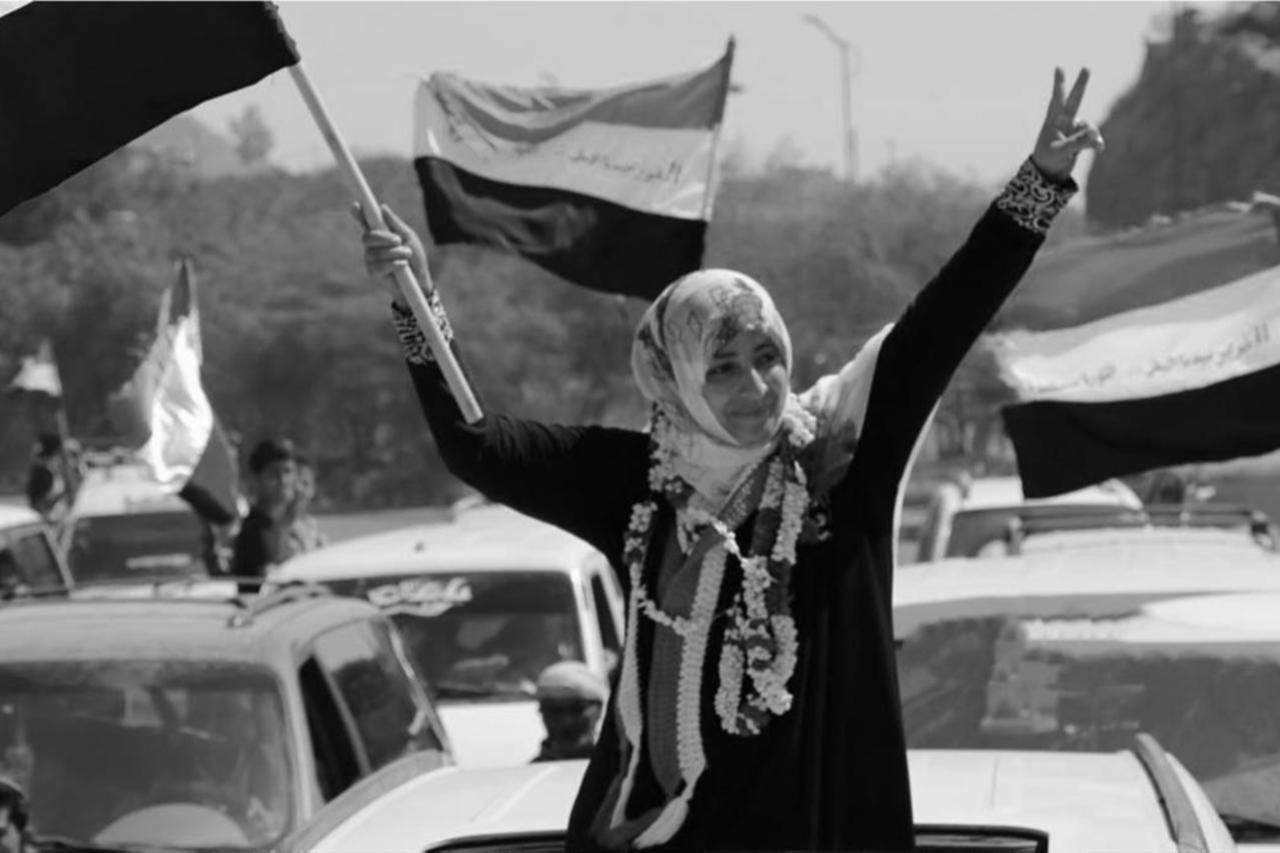
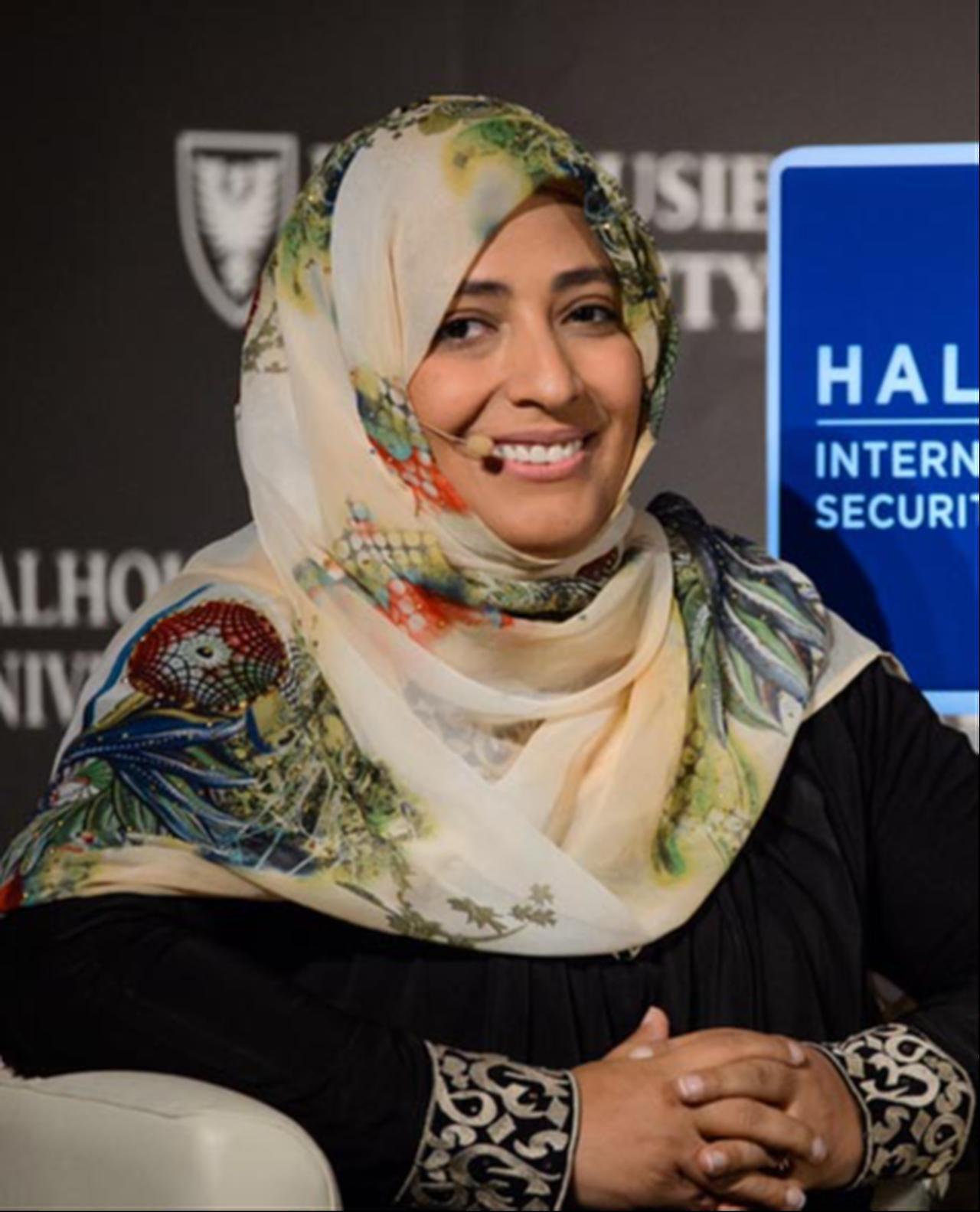
The channel's owner, Tawakkol Karman, is a Yemeni human rights activist, journalist, and politician known by several titles, including “Mother of the Revolution,” “Iron Woman,” and “Lady of the Arab Spring.”
She played a leading role in the pro-democracy youth uprising that swept Yemen in 2011, and was awarded the 2011 Nobel Peace Prize alongside Ellen Johnson Sirleaf and Leymah Gbowee in recognition of her leadership in the peaceful struggle against dictatorship, corruption, and repression.
She was the first Arab woman and the second Muslim woman to win the Nobel Peace Prize, and at 32, she was the youngest recipient at the time.

Belqees TV announced the closure of its channel in a statement, saying it launched on Feb. 11, 2015, during a critical period following the Houthi coup, with a mission to amplify Yemeni voices and defend freedom, dignity, and the right to information.
The channel said it paid a steep price, including the killing of staff members, harassment, and the confiscation of its offices in Sanaa and Aden, alongside political and media campaigns to silence it.
The statement thanked its reporters and teams who “told the truth from the field,” including those who died in the line of duty.
The abrupt closure sparked a wave of speculation seeking to explain the motives behind the decision. One narrative suggested that the move may have been driven by pressure from Turkish authorities, an interpretation that gained traction in the absence of early clarifications.
However, the channel’s director, Ahmed al-Zurqa, firmly denied any role by Turkish authorities, saying the shutdown had “nothing to do with the Turkish authorities” and that Belqees TV operates legally in Türkiye as a registered media company.
He said the move was primarily an administrative and financial decision, clarifying that the channel is funded by Karman, its owner and license holder.
He stressed that the channel has never recorded any violations of Turkish law, adding that it has always complied with all regulations.
Accordingly, the channel’s management attributes the shutdown to purely internal factors rather than pressure from any external party or authority.
Another narrative claimed that the shutdown was linked to allegations by some former employees that the channel had signed "fraudulent contracts" with them through a Yemeni organization rather than the entity licensed to operate in Türkiye.
According to this account, such contracts are not recognized under Turkish labor law and do not provide rights such as permanent residency, comprehensive health insurance or retirement benefits.
Critics also drew comparisons with other Yemeni channels in Istanbul that reportedly shifted to formal Turkish employment contracts after reaching legal settlements.
Zurqa rejected these claims, saying reports that the contracts were not official were inaccurate and that all employees have contracts guaranteeing their rights under both Turkish and Yemeni law.
He said Belqees is among the few Yemeni media institutions that maintain formal agreements outlining duties and rights, adding in a direct quote that the channel fulfills all its obligations and pays “all financial and administrative entitlements in line with the law, humanitarian considerations and journalistic ethics.”
He emphasized that the channel fully complies with legal requirements and that employees’ rights are protected under the relevant Turkish and Yemeni frameworks.
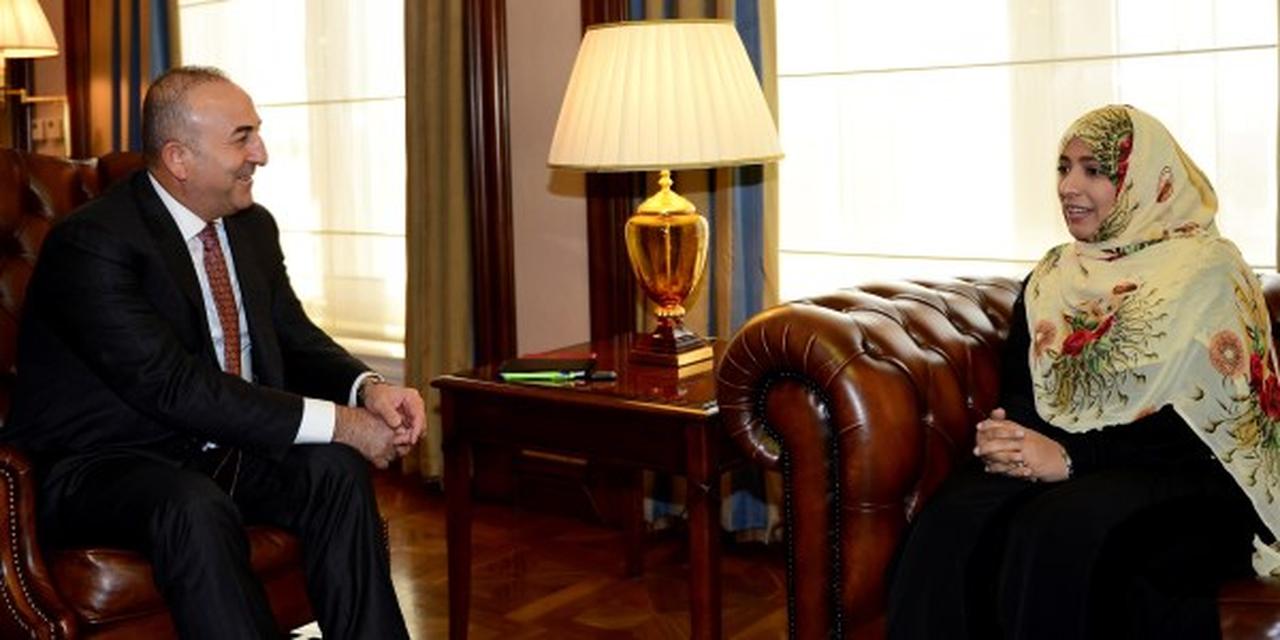
Another account suggested that the closure might be connected to a criminal complaint filed by the Moroccan Lawyers Club with the Turkish public prosecutor against Yemeni activist and Turkish citizen Karman, accusing her of "inciting terrorism and violence" and "publicly insulting a foreign head of state."
According to the text of the complaint, the group alleged that Karman had posted messages on X urging an "uprising" and "revolution" against the Moroccan regime.
Zurqa dismissed any link between the complaint and the shutdown, saying the case had no connection to the channel and was unrelated to its decision to close.
He added that the Turkish judiciary is the body responsible for handling the complaint and is the one authorized to make the decision “assuming it exists in the first place,” he explained.
Zurqa says the future remains open to all possibilities, noting that the board of directors is considering the option of reopening the channel once the "exceptional circumstances" that led to the closure come end and the disruption caused by the sudden halt is overcome.
He added that this option is viewed as part of the channel’s moral and political responsibility toward Yemen and the Yemeni people.


 Set as preferred source
 Set as preferred source


 3 min read