Newsletters


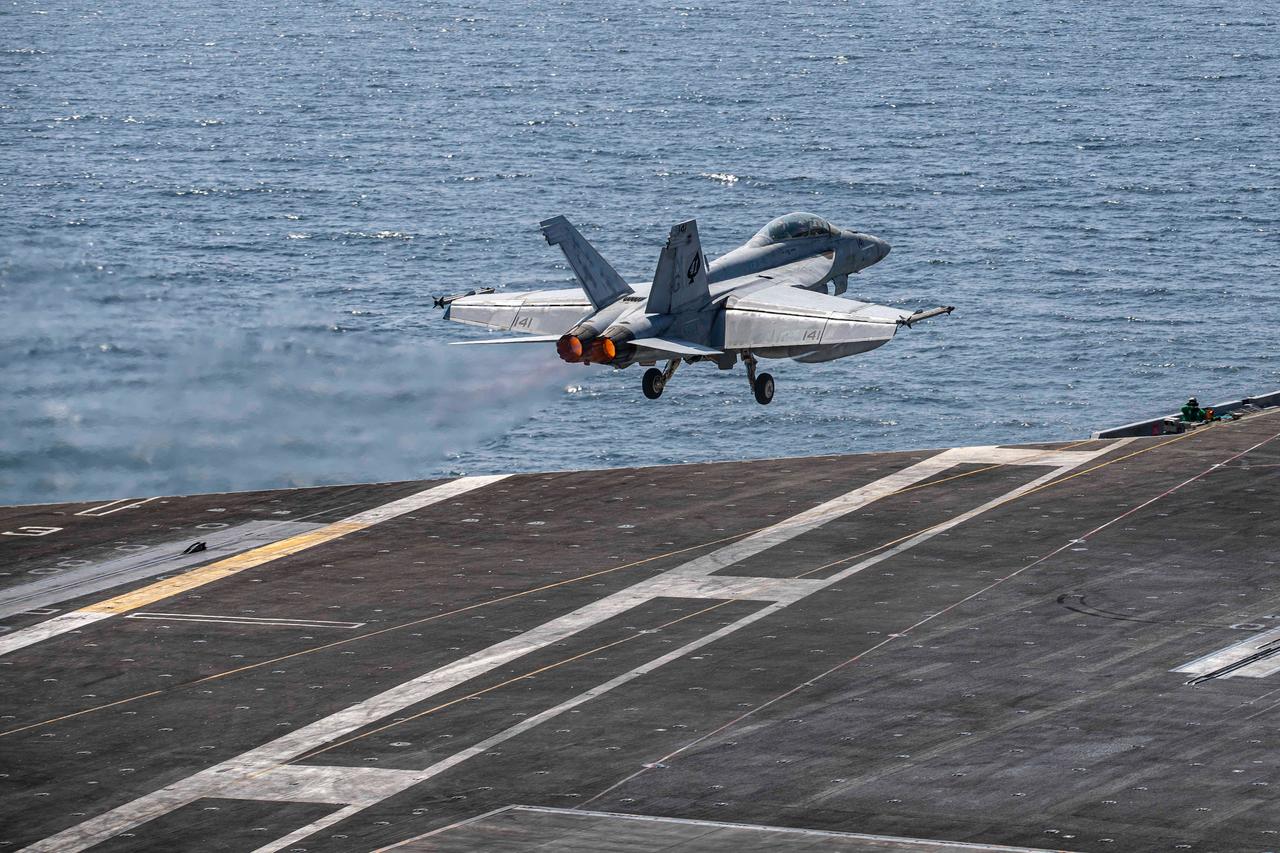


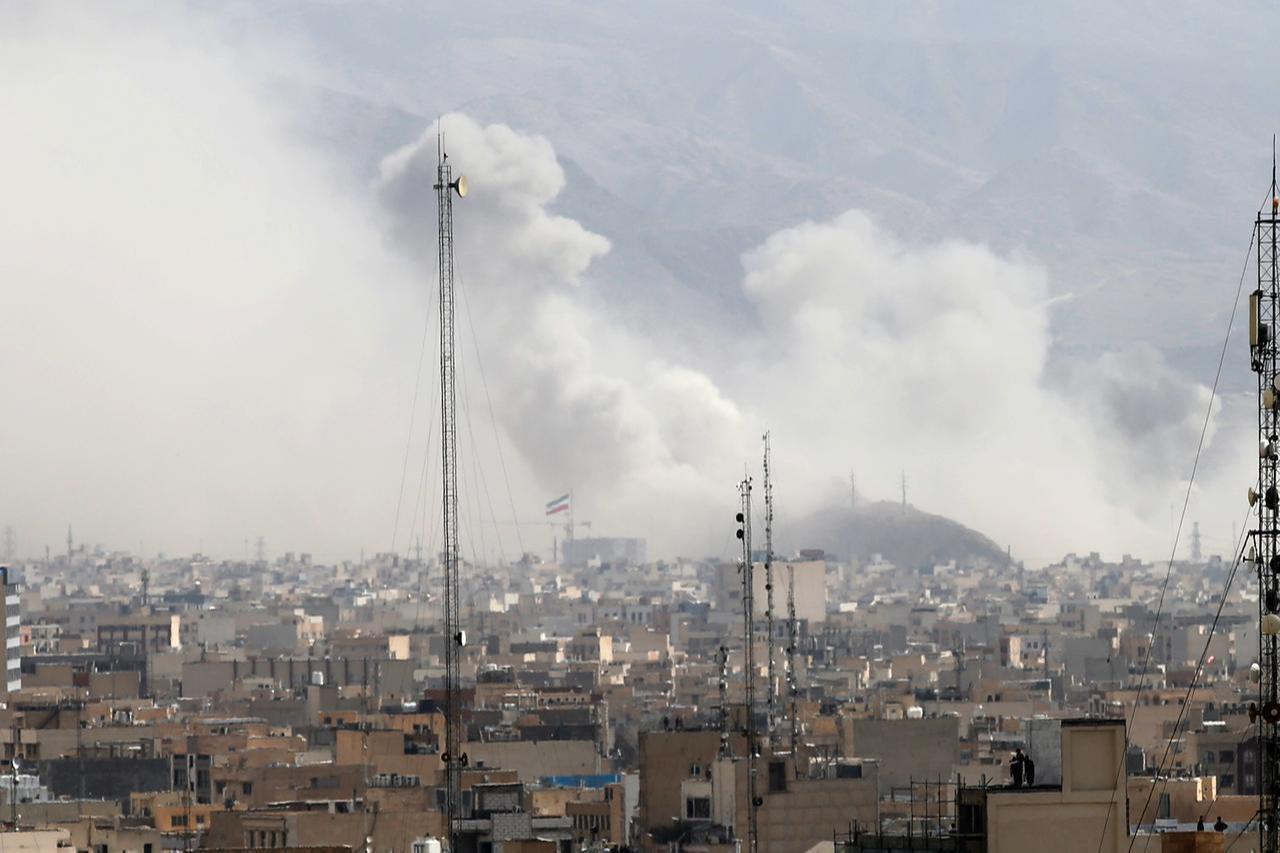
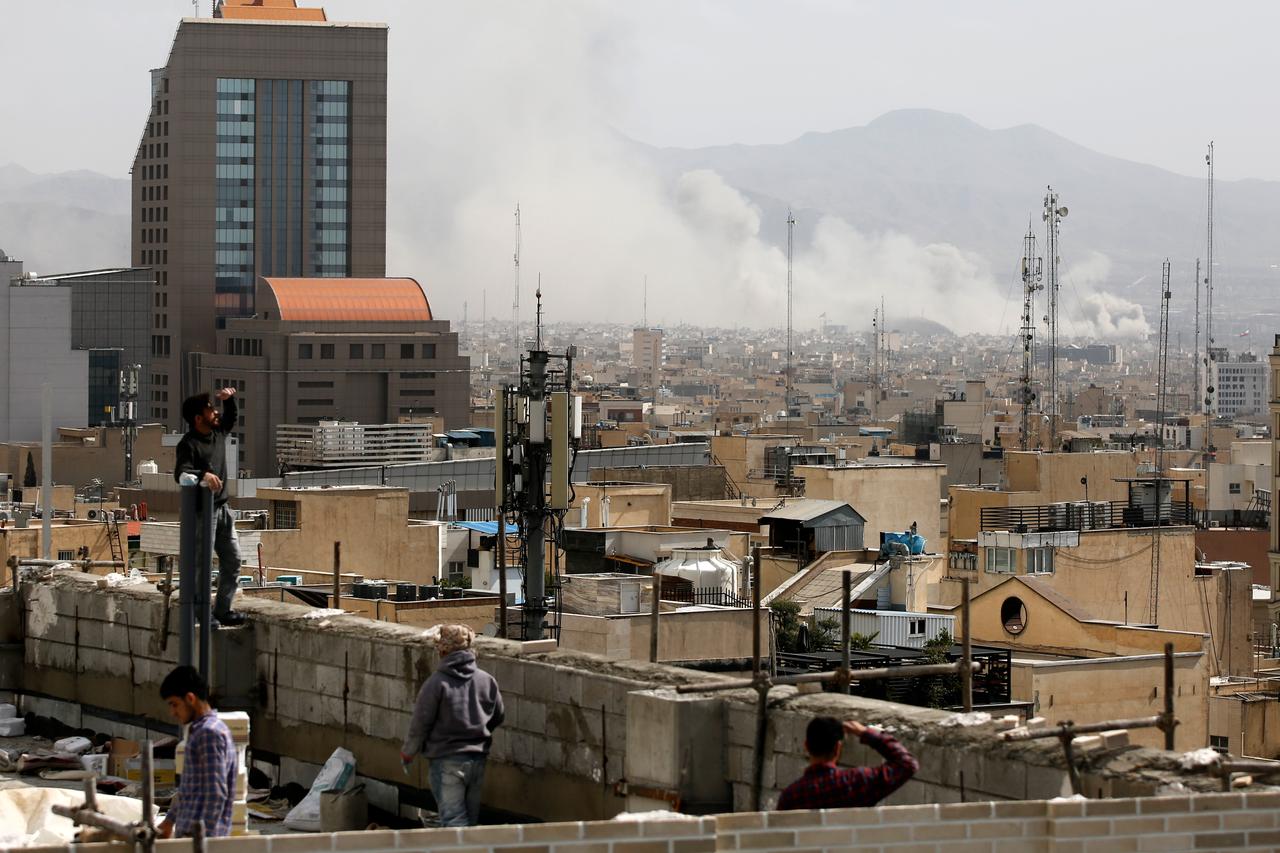
Western airstrikes on Saturday killed at least four senior leaders of Iran's primary intelligence agency and threw the organization into disarray, as a joint U.S.-Israeli military offensive codenamed Operation Epic Fury targeted the country's security infrastructure across 24 provinces, leaving at least 201 dead and 747 injured.
The strikes dealt a particularly devastating blow to the Ministry of Intelligence and Security, Iran's equivalent of the CIA, killing the heads of its counterintelligence and counterterrorism divisions along with the agency's chief of staff, a senior Western security official told the Washington Post.
The official, speaking on condition of anonymity to discuss military operations, said many of the "top echelon" within the spy service had been killed, and that the assault had induced panic throughout its ranks.
"Everything is falling apart there, we're seeing it, and feeling it," the official said.
Among the confirmed dead are Jalal Pour Hossein, the head of counterintelligence; Ali Khorandish, the head of counterterrorism; and Seid Yahiya Hamedi, the agency's chief of staff. The losses represent a catastrophic leadership vacuum at MOIS, which serves a dual role in Iran's security architecture, functioning both as the country's premier foreign intelligence service and as a domestic surveillance apparatus.
Founded in 1983 during the Iran-Iraq War by merging several post-revolutionary intelligence bodies, MOIS has long been one of the most powerful ministries in the Islamic Republic, operating with vast financial and political support. The agency has been sanctioned by the United States since 2012 for its support of terrorist organizations and its role in human rights abuses, and was designated again in 2022 for cyberattacks against Albania. Unlike the CIA, to which it is often compared, MOIS also operates an extensive internal security apparatus used to monitor dissidents, journalists and civil society activists.
While the Western security official did not specify which country carried out the strike on the intelligence headquarters, a second person familiar with the matter said Israel has taken the lead in targeting Iranian leadership and intelligence facilities, while the United States has concentrated on military sites.
U.S. Central Command said in a statement that Operation Epic Fury began at 1:15 a.m. Eastern Time on Saturday, with the stated objective of dismantling "the Iranian regime's security apparatus, prioritizing locations that posed an imminent threat." Targets included Islamic Revolutionary Guard Corps command and control centers, air defense systems, missile and drone launch sites, and military airfields, CENTCOM said.
The strikes were launched simultaneously from the air, land and sea. In a notable development, the U.S. military said it deployed "low-cost one-way attack drones for the first time in combat," marking a significant milestone in the Pentagon's evolving approach to unmanned warfare.
The IRGC, Iran's ideological military force established after the 1979 revolution, operates parallel to the country's conventional armed forces and has long been designated a terrorist organization by the United States. Its command and control infrastructure, now squarely in the crosshairs of the coalition offensive, is central to Tehran's ability to project power across the region through proxy forces in Lebanon, Iraq, Syria and Yemen.
Iran's state broadcaster, citing figures from the Iranian Red Crescent Society, reported that the toll from the strikes had reached 201 dead and 747 injured across 24 provinces. More than 220 Red Crescent teams were conducting relief operations, the broadcaster said.

Israeli Prime Minister Benjamin Netanyahu claimed there were "multiple signs" that Iran's supreme leader was no longer alive, and asserted that other senior figures in the regime had also been killed in the strikes. Netanyahu said Israel's military campaign in Iran would continue "as long as it is needed," framing the conflict as one that would bring about "true peace."
In a direct appeal to the Iranian public, Netanyahu urged citizens to seize what he called a historic opportunity. "This is an opportunity to do something. Do not sit with your arms crossed, because this moment will come and you will be demanded to go out on the streets in the masses, because you have to complete this work, and you have to bring down and eradicate this regime," he said.
Netanyahu also addressed the question of Iran's nuclear ambitions, saying everyone recognizes that "such a murderous regime" should not possess nuclear weapons capable of "threatening the entire humankind."


 Set as preferred source
 Set as preferred source


 3 min read
 1 min read