Newsletters


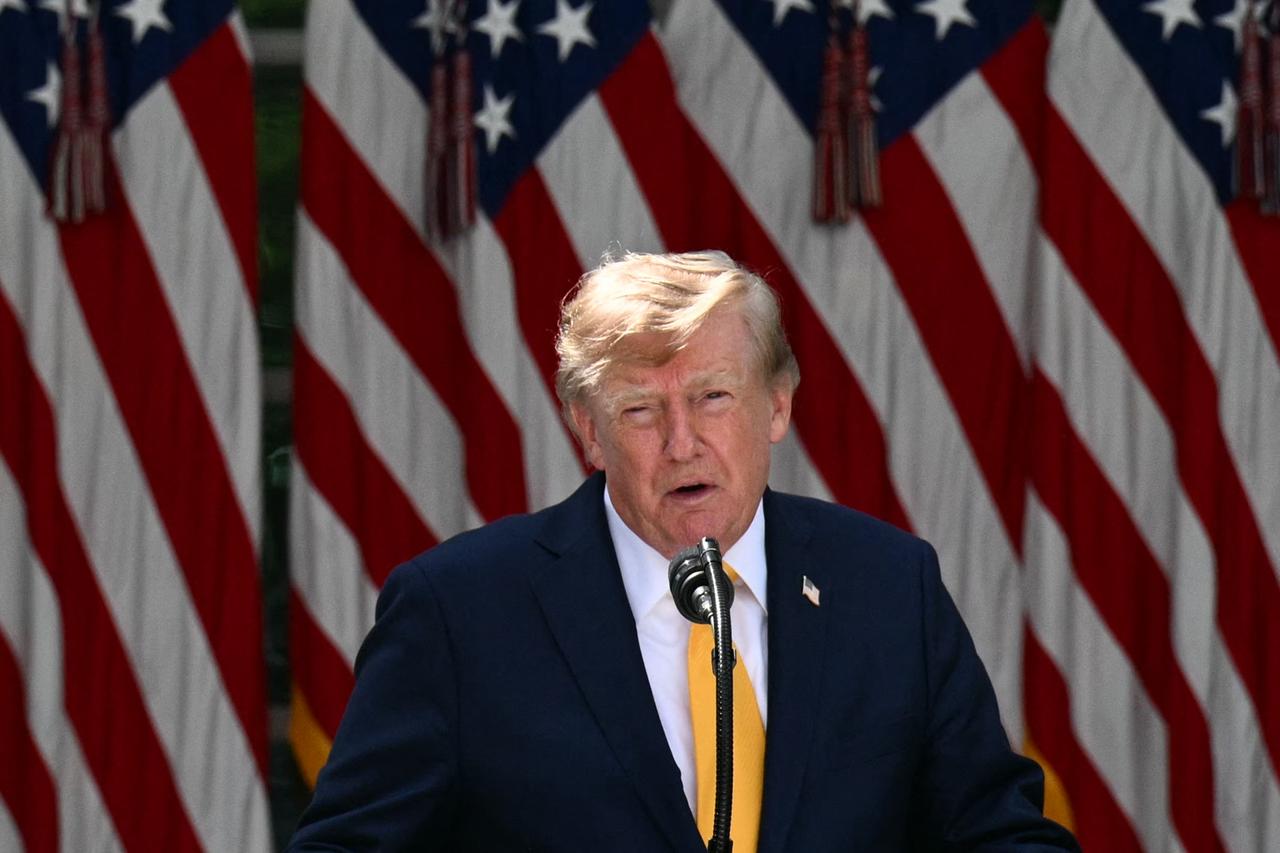


U.S. President Donald Trump said Tuesday that Iran "is not paying large segments of their military," adding that the country is also facing a severe humanitarian crisis marked by executions of protesters.
"The failing Islamic Republic of Iran is not paying large segments of their military, while at the same time killing protesters, even when they are not protesting, at levels not seen before. It is a humanitarian crisis of epic proportions, and must be stopped, NOW," Trump wrote on his Truth Social platform.
Iran has seen a steady increase in executions since the war with the U.S. and Israel began Feb. 28.
Rallies that began in late December over the high cost of living evolved into widespread anti-government demonstrations that peaked on Jan. 8-9.
Iranian authorities reported more than 3,000 deaths during the unrest but attributed the violence to "terrorist acts" they said were orchestrated by the United States and Israel.
Rights groups based abroad have recorded a higher toll and said security forces fired on demonstrators.
According to data from Amnesty International, Iran executed at least 39 people in the three months between Feb. 28 and May 28. Earlier this month, more than 30 countries signed a joint letter condemning "in the strongest terms the ongoing executions of protesters and use of the death penalty" by Iran.
The United States did not sign the letter. Since then, at least three more people have been executed in Iran on charges related to the protests.
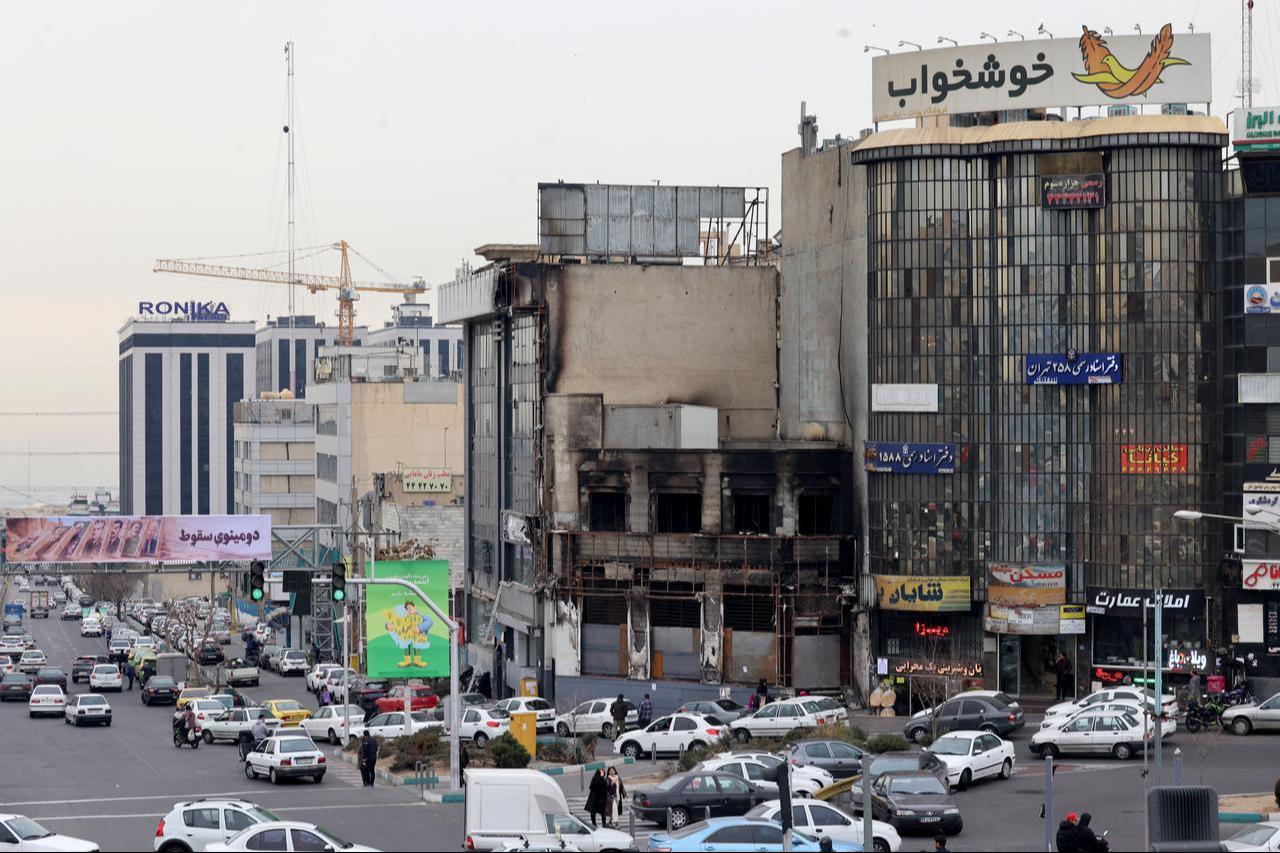

Washington and Tehran signed a framework agreement in June calling for a cessation of hostilities and the restoration of shipping through the Strait of Hormuz, but the deal later fell through amid disputes over implementation and the future of navigation through the waterway.
The conflict began in late February with a U.S.-Israeli attack on Iran.
Tehran responded by striking targets in Israel and U.S. military bases in the region.
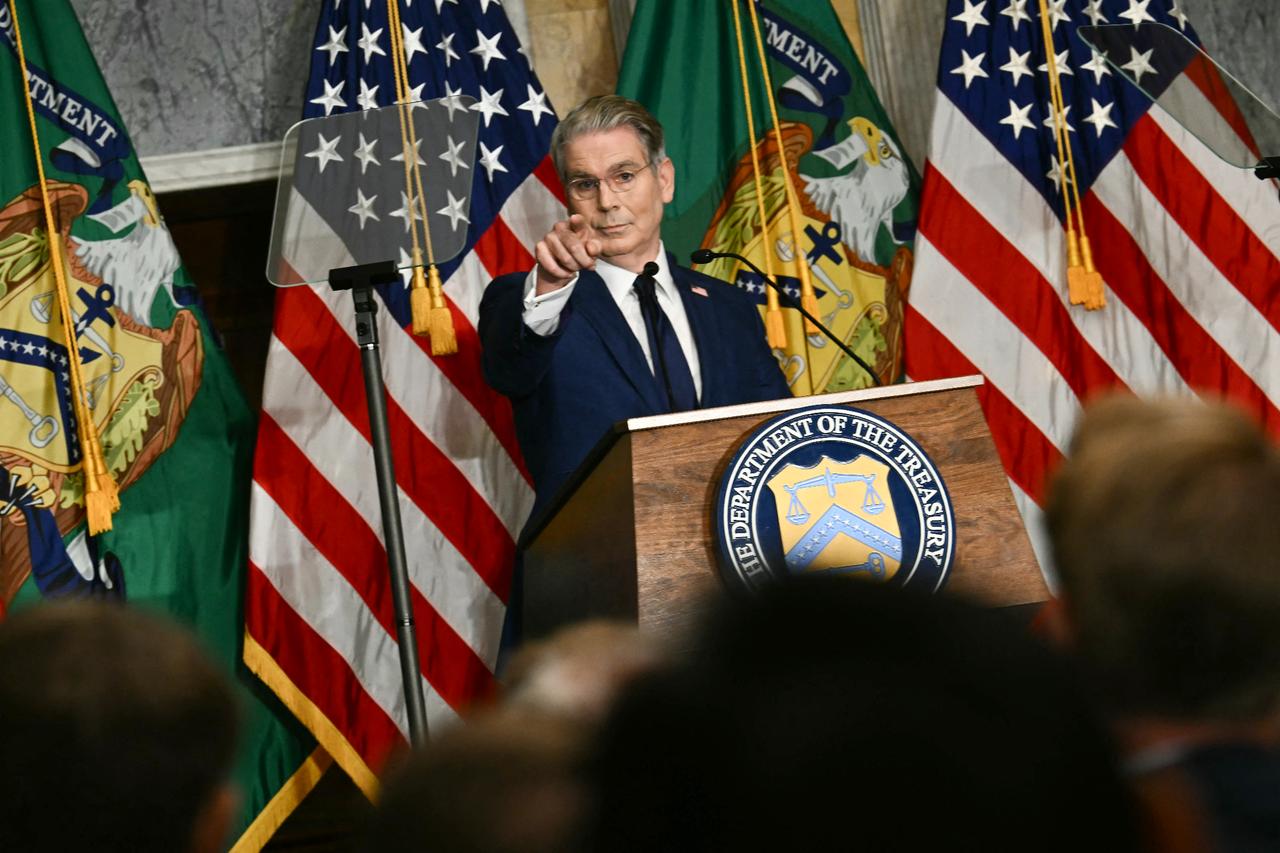
Trump's remarks followed the U.S. Treasury's Monday announcement of an expanded sanctions campaign against Iran, dubbed "Operation Economic Outcast" by Treasury Secretary Scott Bessent, who described it as "an economic onslaught."
The campaign broadens the scope of potential secondary sanctions to five sectors Washington considers critical to Iran's economy: digital assets, technology, gold, aviation and shipping.
The Treasury Department said it sanctioned nearly 60 entities, individuals and vessels across multiple jurisdictions, targeting networks it says are involved in illicit nuclear and missile procurement, cyberattacks, and the generation and movement of Iranian oil revenue.
"Our objective is to sever every economic lifeline that sustains this tyrannical regime until Tehran stands alone," Bessent said at a Monday news conference.
Bessent said the U.S. would set timelines for other countries to end economic activity with Iran and threatened unspecified consequences for noncompliance.
"Beginning today, the actions of Treasury and other agencies will tighten the noose and block every potential source of revenue that funds the IRGC and the evil Iranian regime," he said.
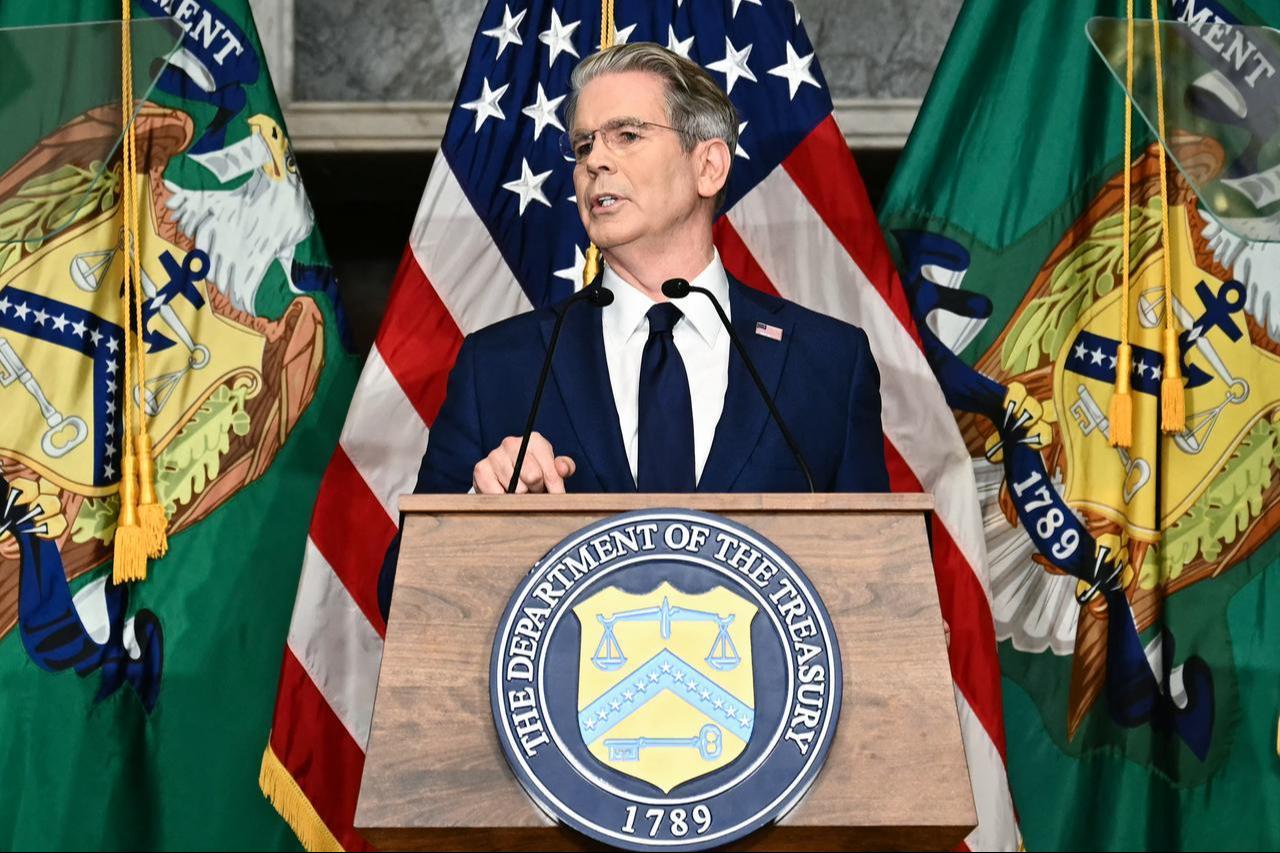
Bessent told reporters Monday that the United Arab Emirates' (UAE) decision last week to suspend all trade and financial transactions with Iran "until further notice" was likely not a coincidence.
"Actions that they took last week were not a coincidence but likely causal, and I would expect that we would see a broad array of countries taking similar actions as we continue our engagement," Bessent said.
Bessent said Trump has been personally calling world leaders with specific requests tied to the effort to isolate Iran economically, though he declined to name which countries.
China, India, Türkiye and Iraq are also considered at risk of U.S. sanctions, with China identified as Iran's largest trading partner and top purchaser of Iranian oil.
Anwar Gargash, adviser to the UAE president, said Tuesday that the U.S.-Iran conflict had moved "to a new phase" marked by "escalating economic pressure," adding that avoiding further escalation requires not targeting Gulf Arab states.
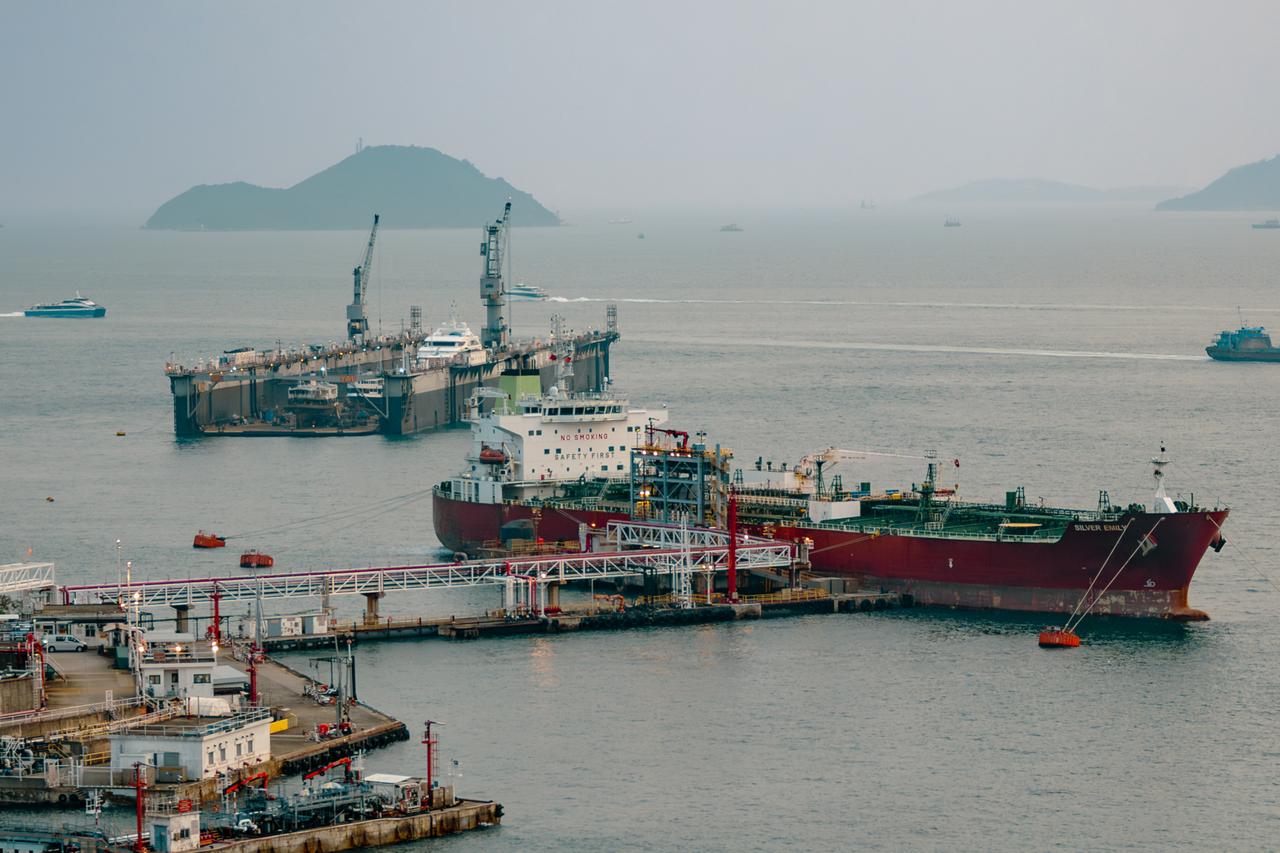
The new sanctions target vessel brokers, bunkering service providers and financial intermediaries involved in Iranian oil exports, naming individuals and entities based in the UAE, Singapore and Hong Kong.
The Treasury identified five tankers as part of what it called a "shadow fleet," designating them as blocked property.
The Treasury also suspended a longstanding general license that had allowed noncommercial, personal remittances to Iran via third-country brokers. Under the new rules, individuals seeking to send money to relatives in Iran must apply for a specific license from the Treasury's Office of Foreign Assets Control (OFAC).
Also targeted was a Ukrainian national based in the UAE, Ivan Obukhov, whom the U.S. government said has processed more than $100 million in cryptocurrency payments since 2023 to facilitate oil sales for the Islamic Revolutionary Guard Corps (IRGC).
Bessent said he expected a major financial institution to be sanctioned by the end of the week, without naming it, and warned that any entity facilitating money laundering on Iran's behalf "will be removed from the U.S. dollar system."
"Iran now faces a very clear choice, with only two paths before them: complete global isolation and a subsistence economy or a path back to normalcy with an opportunity to rejoin the global economy," Bessent said.


 Set as preferred source
 Set as preferred source


 1 min read
 1 min read