Newsletters


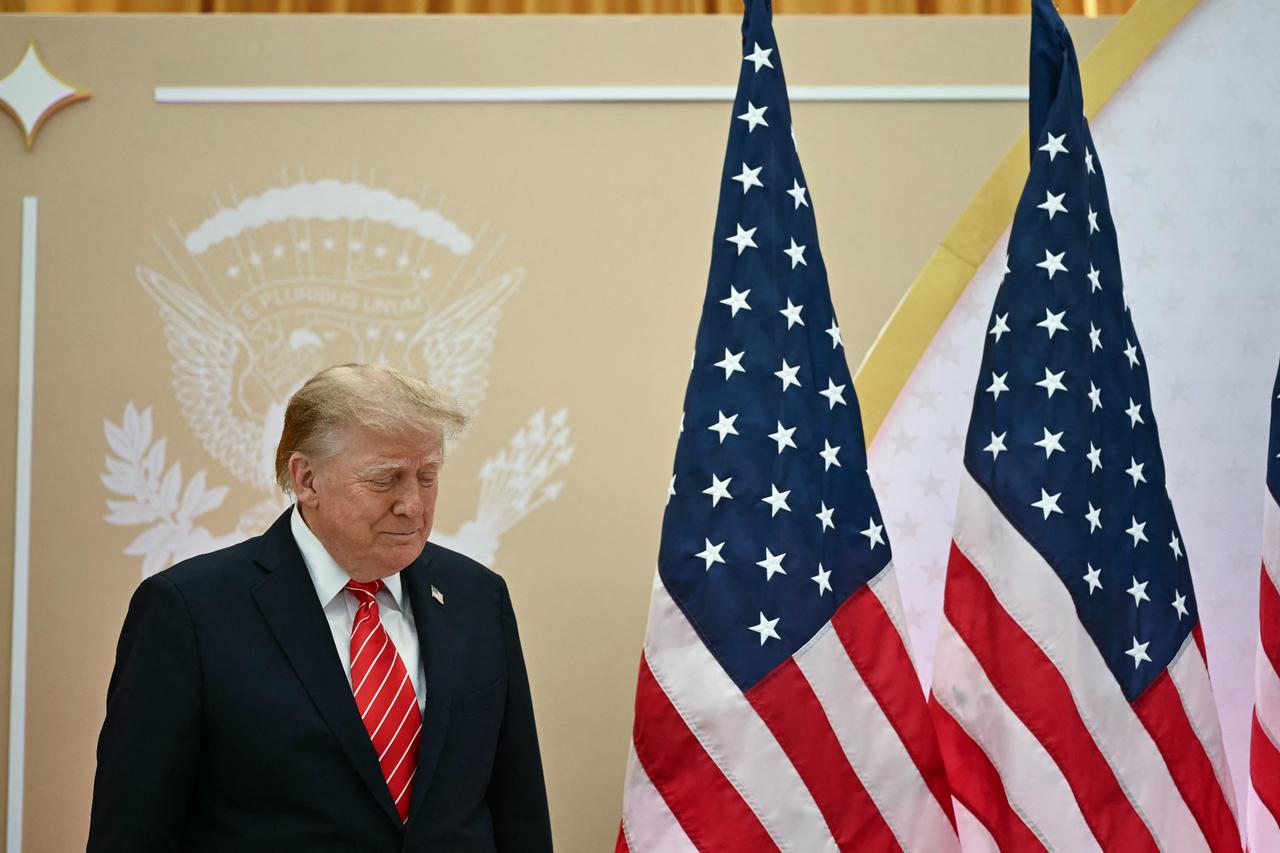


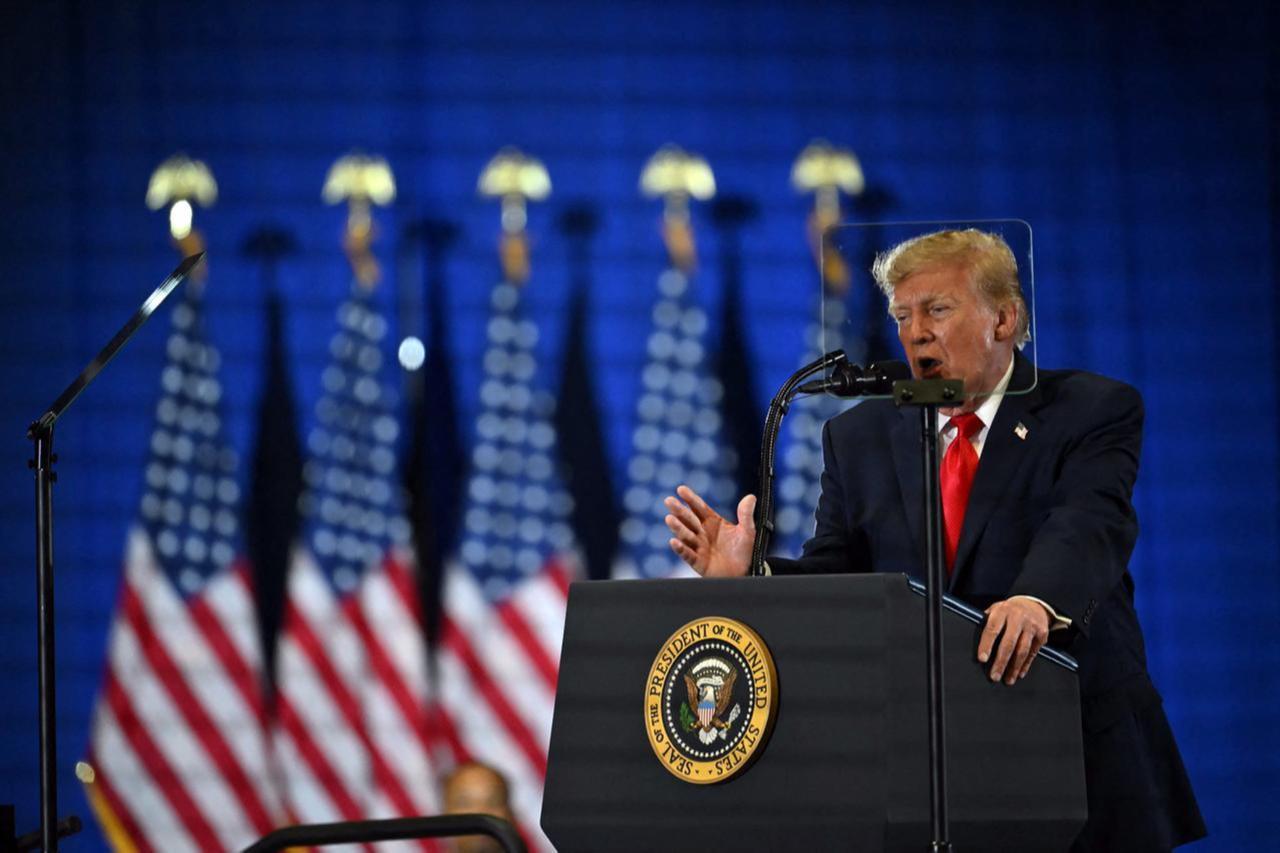
Israeli media claimed that U.S. President Donald Trump is considering launching attacks on Iran ahead of Israel’s parliamentary elections scheduled for Oct. 27, even as Trump said Washington would not strike Tehran before the U.S. midterm elections on Nov. 3.
Israel’s Channel 12 television reported that Israeli Chief of Staff Eyal Zamir warned U.S. officials during talks that a possible attack on Iran could lead to the postponement of Israel’s elections.
The report did not specify whether the talks were held in person or by phone.
U.S. officials reportedly told Zamir that the U.S. military was preparing for attacks on Iran to resume within the next three weeks.
Zamir was said to have warned that Iran would respond to any U.S. attack by firing missiles at Israel, which could force the elections to be postponed.
According to the report, the Israeli army declined to comment on the talks between Zamir and U.S. officials.
Channel 12 also reported that the Pentagon had instructed U.S. Central Command, or CENTCOM, days earlier to complete preparations for the resumption of attacks on Iran, but no date had been set.
The report claimed that Trump was considering restarting attacks on Iran before Israel’s elections but had not made a final decision.
A final decision could reportedly be made within seven to 10 days.
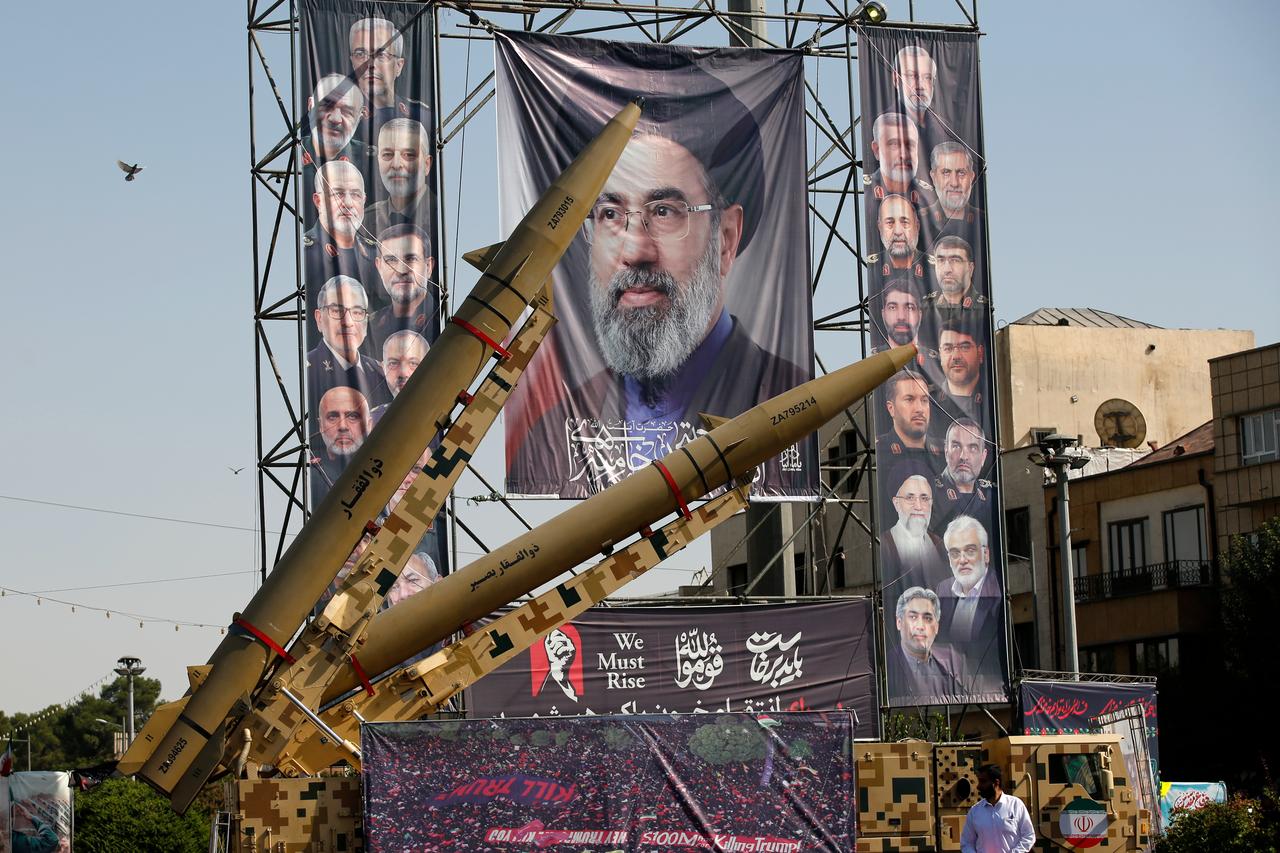

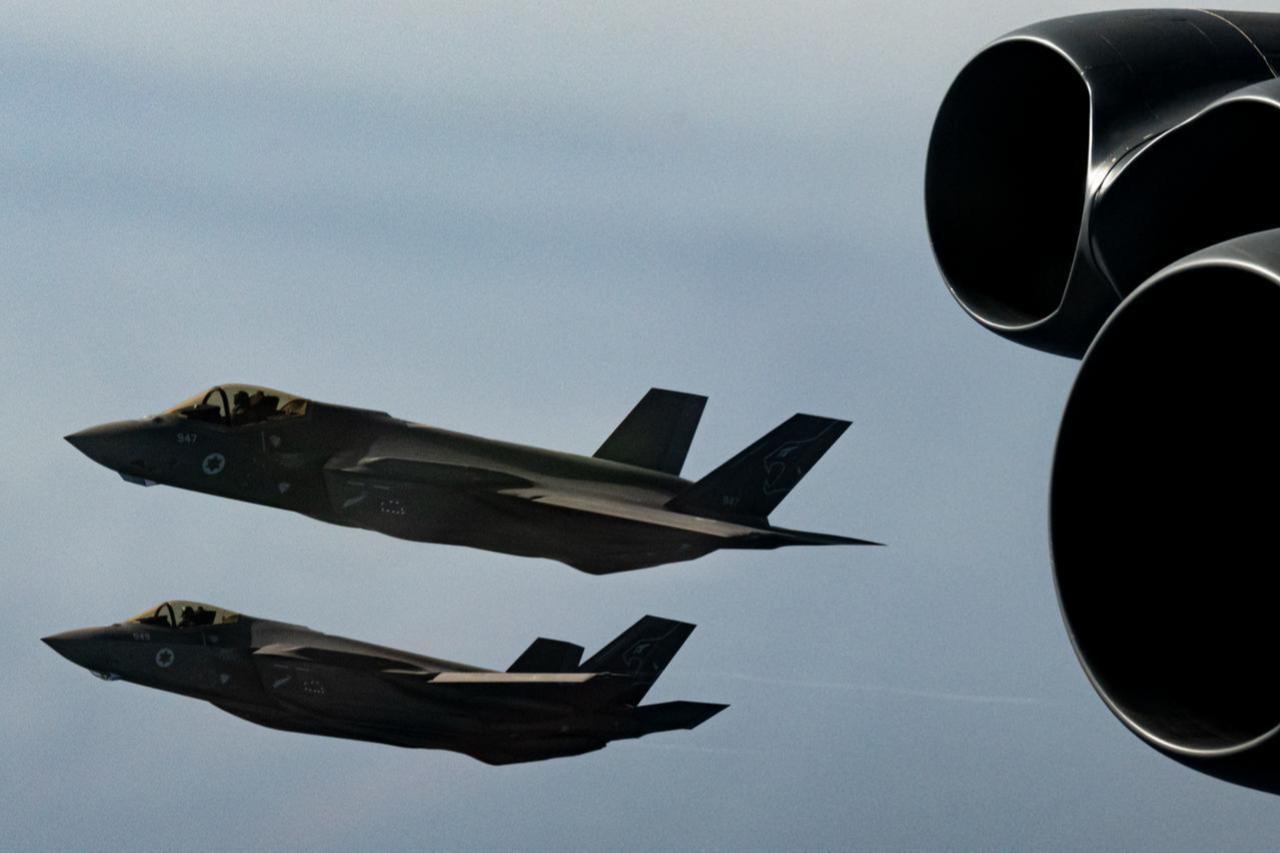
The U.S. plan was said to include a broad-scale attack coordinated with Israel.
The attack was described in the report as “very powerful but relatively short,” involving heavy bombardment of targets linked to energy, infrastructure and nuclear facilities in Iran.
Channel 12 also claimed that Israel had proposed an attack last February and that the U.S. approved that proposal, while the current proposal came from Trump.
The report contrasted with Trump’s public statement that the United States would not attack Iran before the U.S. midterm elections on Nov. 3.
Trump ruled out an attack before the midterms on Thursday, saying Washington was holding “productive discussions” with Tehran.
His announcement on Truth Social followed a surge in oil prices driven by media reports suggesting potential new U.S. strikes before the elections.
“I want to make it clear to everybody that, while Iran is in very bad condition, both Economically and Militarily, and while the Blockade will remain in full force and effect ... we will not be attacking Iran at any time prior to the Midterm Elections,” Trump wrote.
“We are having productive discussions with the Islamic Republic of Iran,” he added.
The Atlantic reported Wednesday that the White House had asked the Pentagon to develop options to strike Iranian targets that could be used before the midterms.
The New York Times reported Thursday that the plans were being developed despite Trump’s “ambivalence.”
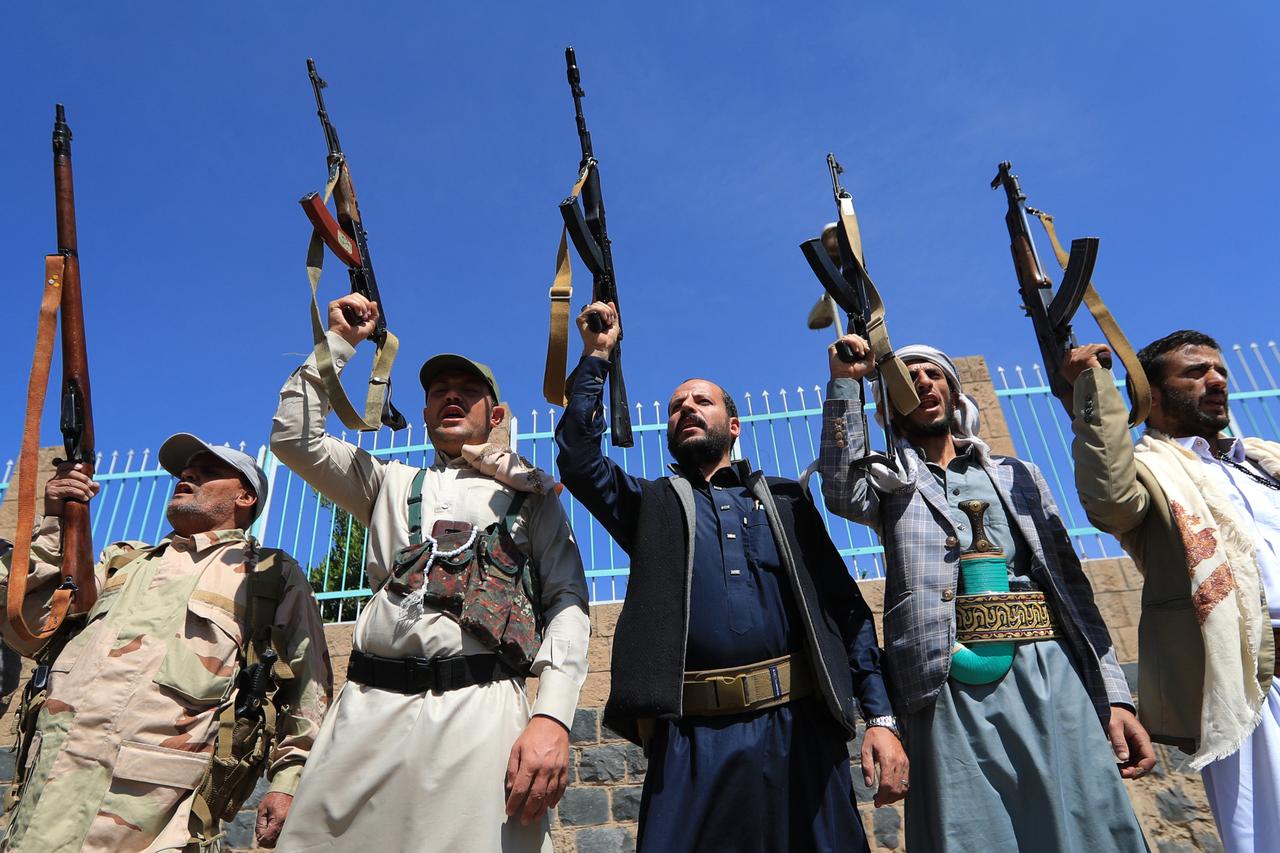
The surge in crude oil prices has also been fueled by persistent tensions in the Strait of Hormuz, a strategic chokepoint for global oil trade, as well as hostilities between Yemen’s Iran-backed Houthis and Saudi Arabia.
Polls suggest U.S. voters are strongly dissatisfied with fuel prices, which have soared since U.S.-Israeli strikes against Iran on Feb. 28 triggered the conflict.
Brent North Sea crude, the international benchmark, rallied as high as $105.88 a barrel Thursday before retreating to $104.28.
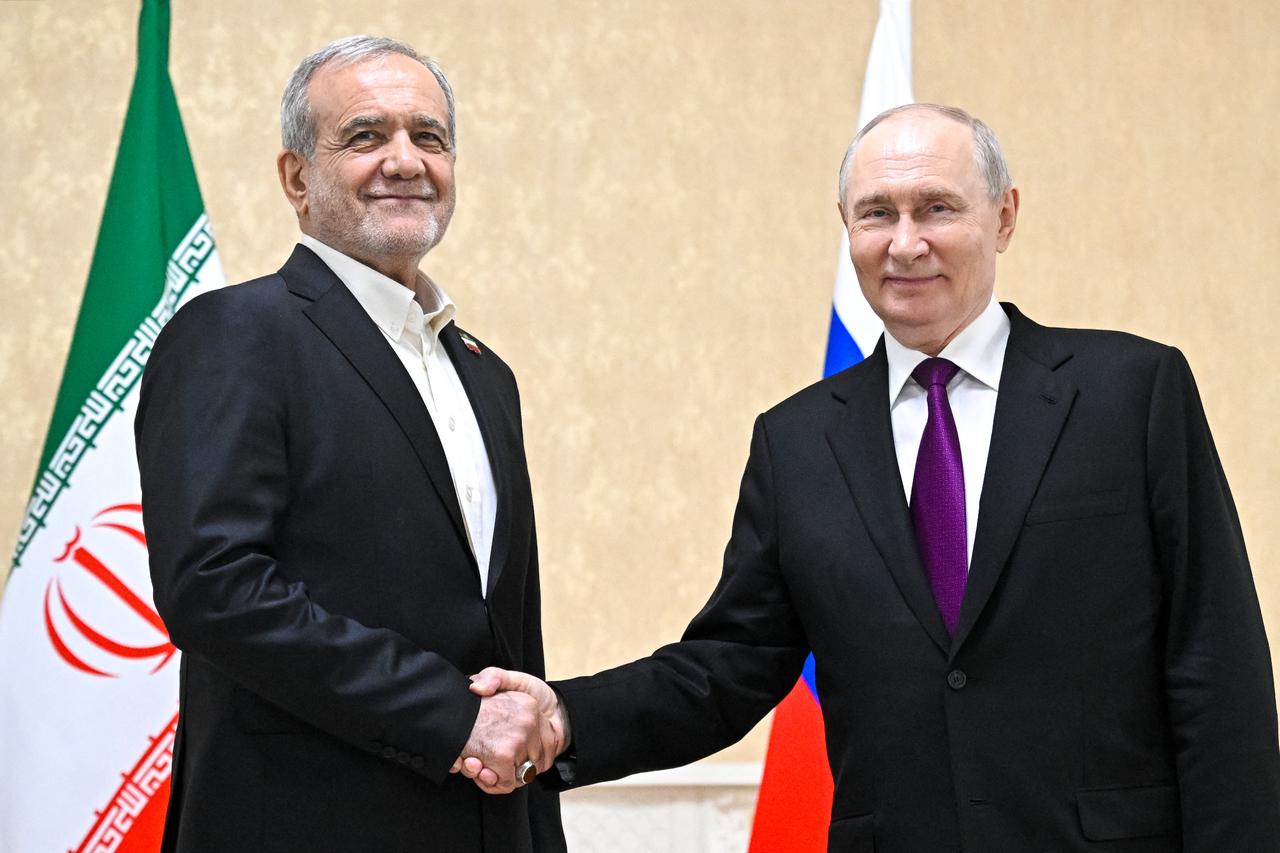
Russian President Vladimir Putin promised Thursday to “do everything” to help end the Middle East war when he met Iranian President Masoud Pezeshkian for talks ahead of a regional summit, Russian media reported.
“We are ready to do everything that is in our power to contribute to the settlement of this situation,” Putin said after arriving in Turkmenistan for a summit of the Commonwealth of Independent States, or CIS, in the Caspian Sea resort of Avaza.
Putin added that Iran had made “real efforts to end the war,” according to Russian news agencies.
Russia and Iran have deepened diplomatic and military ties since Russia launched its war in Ukraine in February 2022, becoming increasingly reliant on each other.
Trump has repeatedly insisted in recent weeks that the United States has effectively won the Iran war, despite ongoing unrest and a recent security threat that forced the withdrawal of American bombers from a base in England.
Pezeshkian said Tehran was “engaged in dialogue, but every time we negotiate with the United States, they attack again,” Iranian state media reported.
He said Iran wanted to see a “final framework” to end the war.
But Pezeshkian accused the United States of “trying to impose its policies and views on all countries.”
“If the United States insists on pursuing a unilateral approach, a resolution will not be possible,” he said, according to state media.
The U.S. midterm elections will shape the final two years of Trump’s presidential term, as his Republican Party risks losing its current control of Congress.
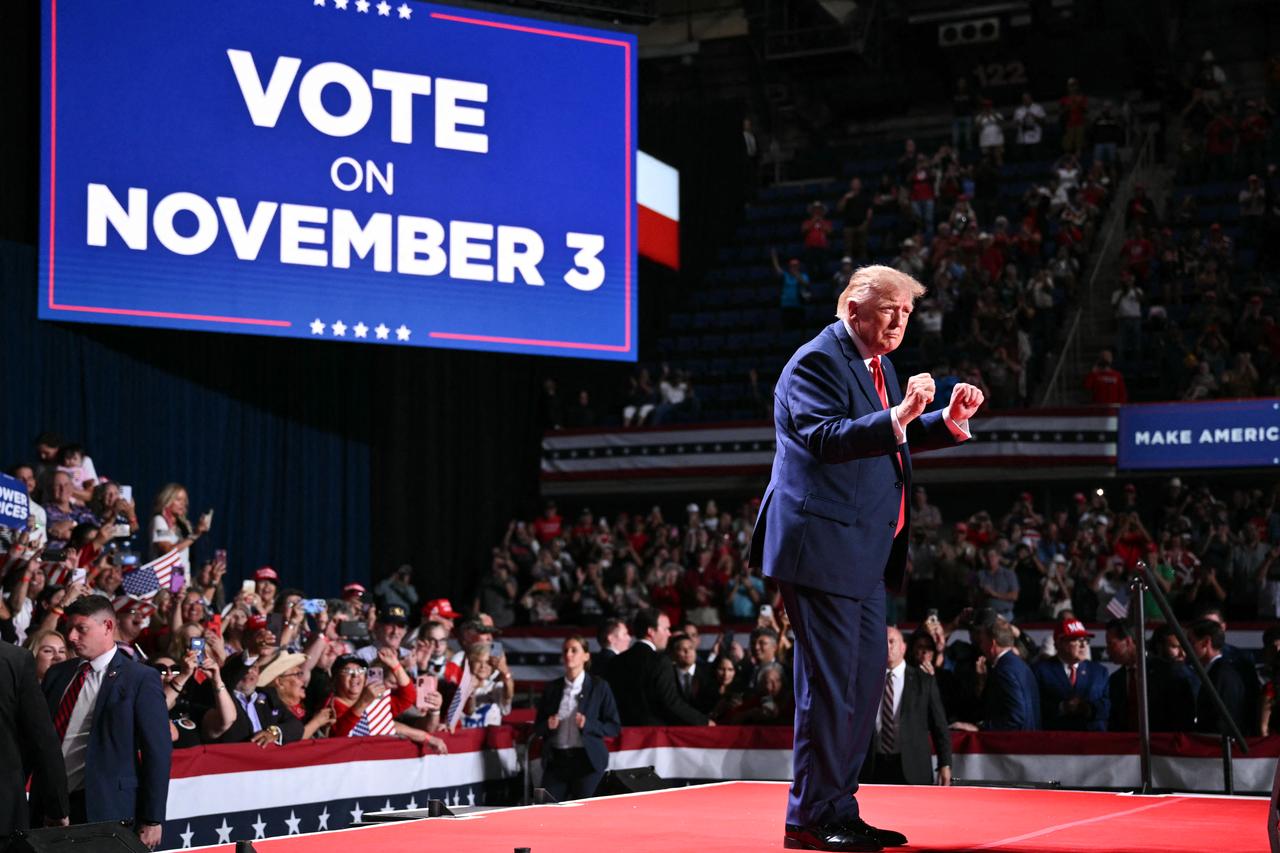
Although Trump is not on the ballot, he is holding rallies in an effort to limit losses or shift momentum ahead of the vote.
Trump has warned that he could face a third impeachment if Democrats retake the House of Representatives, while the White House is preparing for possible investigations into corruption and abuse of power.
The U.S. president also sought Thursday to calm criticism over remarks at a rally earlier this week that Iran could “take out” Los Angeles and San Diego.
Trump blamed what he called “fake and artificial news” for misinterpreting the comments.
“In actuality, what I was talking about was that a temporary increase in the price of Gasoline is a small price to pay for Iran not having a Nuclear Weapon and, if you want to see a big price, can you imagine what it would be like if they bombed San Diego and/or Los Angeles?” Trump wrote on Truth Social.


 Set as preferred source
 Set as preferred source


 1 min read
 1 min read