Newsletters


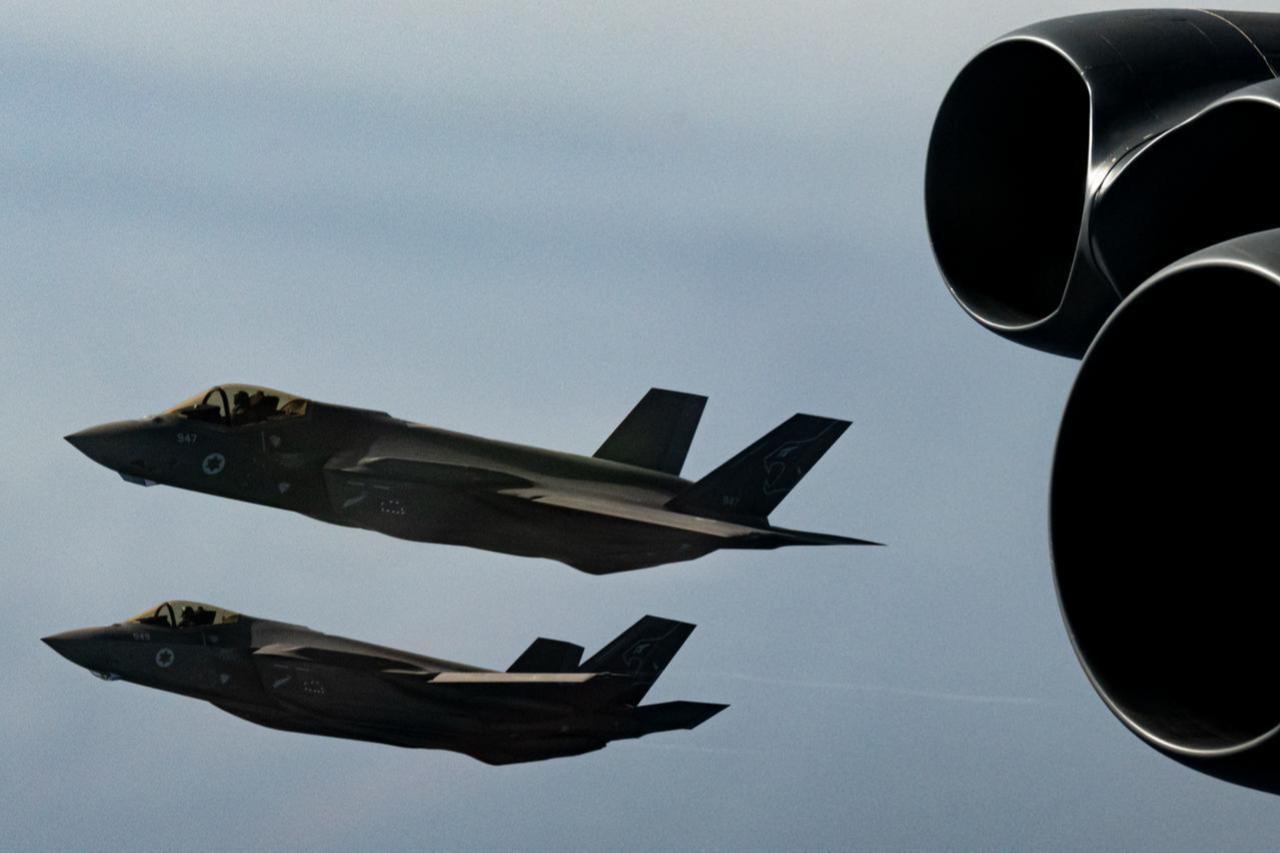


The White House has asked the Pentagon to draw up options for strikes on Iranian targets that could be carried out before the Nov. 3 midterm elections, according to media reports Wednesday, as President Donald Trump described negotiations with Iran as going well.
The Atlantic reported, citing two administration officials, that the scope and targets of any potential strikes remain under discussion, with no final decision on whether the administration will move ahead. Trump’s advisers believe the more appropriate timing for new strikes would come after the midterm elections, the magazine reported.
A White House official told The Atlantic that Trump "has all options available at any time" but did not comment on when possible strikes could take place.
Separately, Axios reported that the Pentagon instructed U.S. Central Command, or CENTCOM, several days ago to prepare for a possible resumption of major combat operations in Iran. The directive did not set a specific date for launching strikes, according to the report.
The reports come as Trump told the U.N. General Assembly in September that he expected to reach a deal with Iran after the Nov. 3 midterm elections. He also warned that he faced a "big decision" between reaching an agreement and "annihilating" the Islamic Republic.
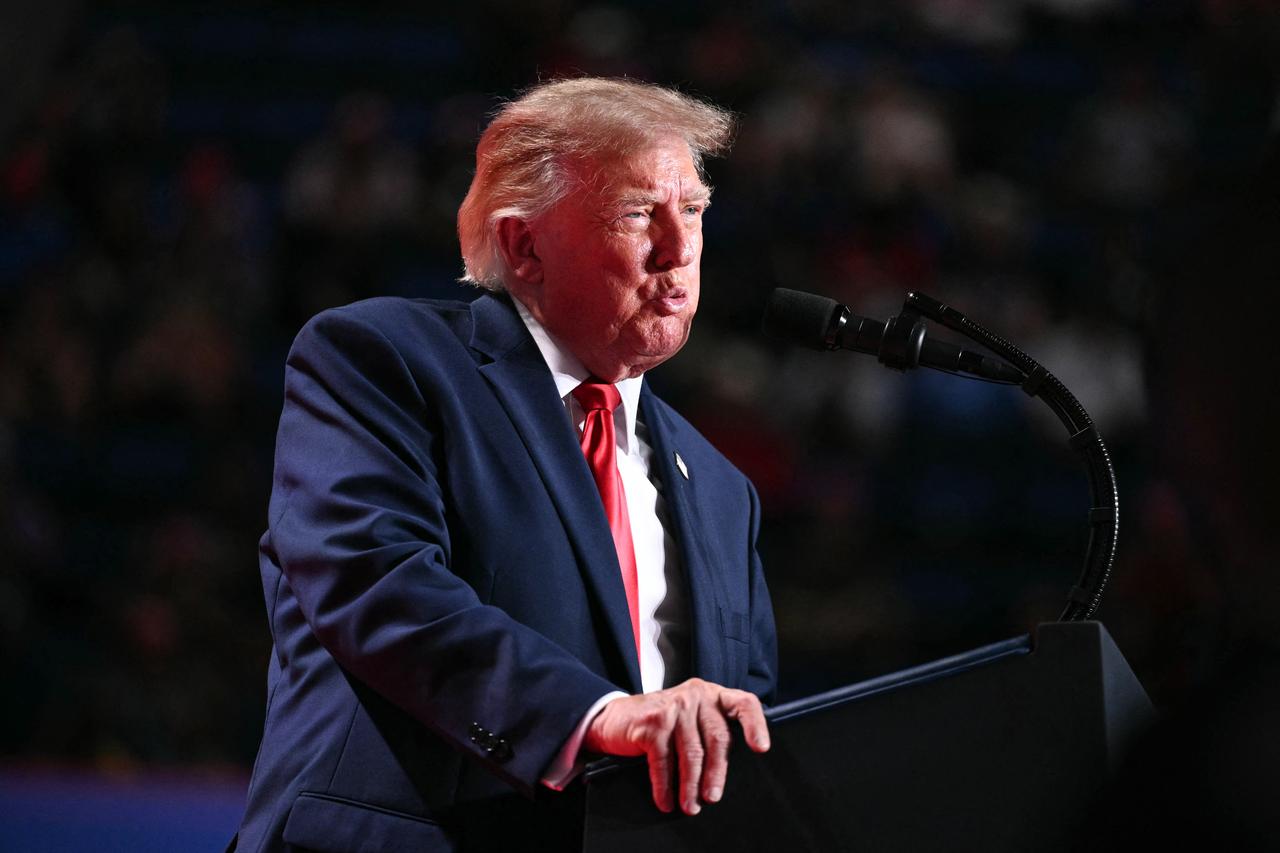
Speaking at a campaign rally in San Antonio, Texas, on Wednesday, Trump described his special envoy Steve Witkoff as making strong progress in negotiations with Iran while indicating that reaching a deal was not his preferred outcome.
"He's working on the Iran deal and doing very well. I think the deal isn't really something that I want to do, but they're willing to offer us anything to stop," Trump told supporters. "They will never have a nuclear weapon," he added.
Trump called Witkoff "a great negotiator" and credited him with "done some phenomenal things," including helping secure the Gaza ceasefire deal. He also predicted that the war with Iran would end soon.
"That war ends – it's going to be very soon. It's got to be very soon," Trump said, referring to Iran as "a failed nation."

The conflict began on Feb. 28, when the U.S. and Israel launched strikes on Iran, triggering Iranian missile and drone attacks across the region and disrupting traffic through the Strait of Hormuz.
Washington and Tehran reached a 14-point memorandum of understanding on June 17 with mediation from Pakistan and Qatar. The agreement called for an end to military operations and steps toward restoring navigation through the Strait of Hormuz, while also setting a framework for further negotiations.
The arrangement later came under pressure as fighting resumed and the two sides disagreed over its implementation.
Recent indirect talks between Washington and Tehran have centered on ending the conflict and reopening the Strait of Hormuz. Iranian Foreign Minister Abbas Araghchi met U.S. special envoy Steve Witkoff and Jared Kushner through Qatari mediation in New York in September, marking the first high-level contact between the two sides in months.
Iran subsequently put forward a seven-day roadmap for reopening the strait, tying the move to conditions under the June agreement, including an end to the U.S. blockade and other measures against Tehran.
Trump rejected the proposal, while Iranian officials maintained that the waterway would remain closed until the conditions were met.


 Set as preferred source
 Set as preferred source


 2 min read
 1 min read