Newsletters


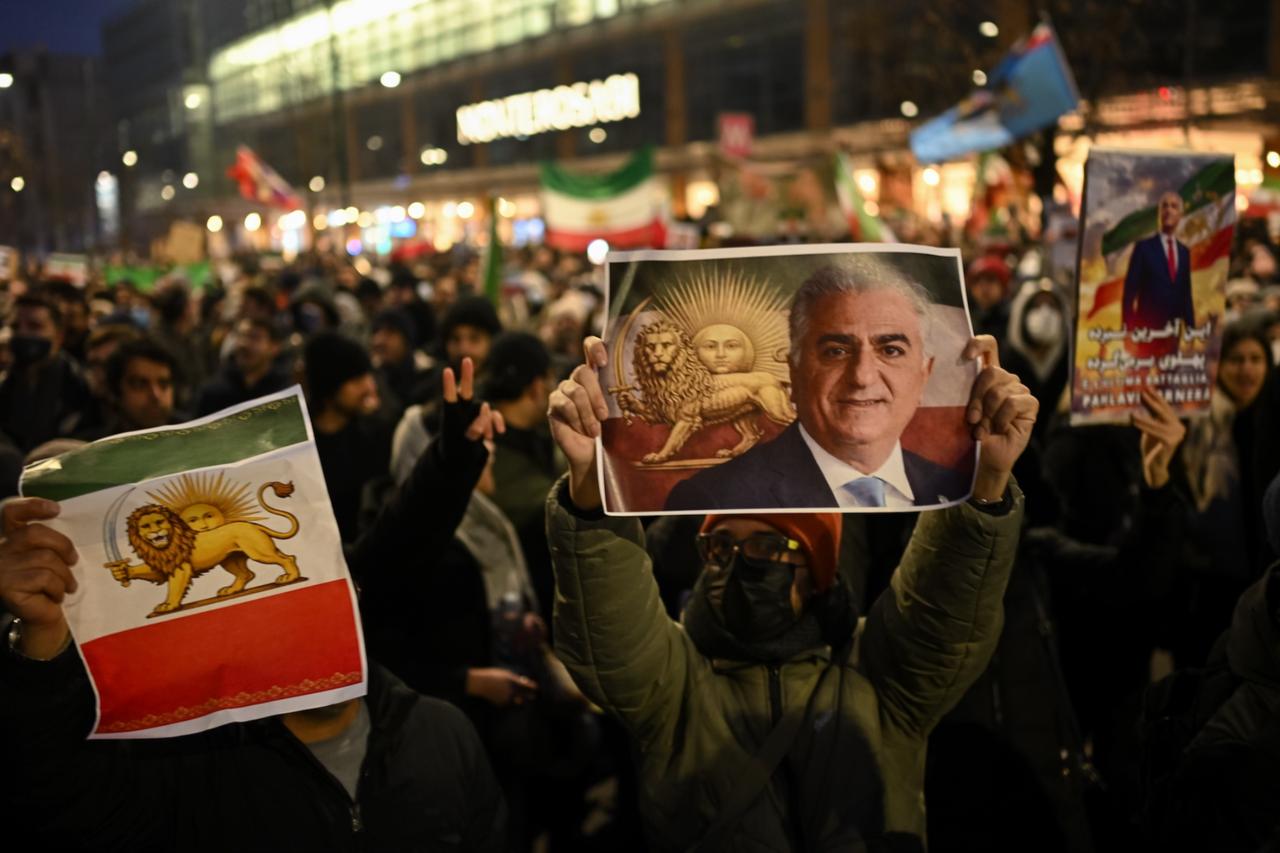


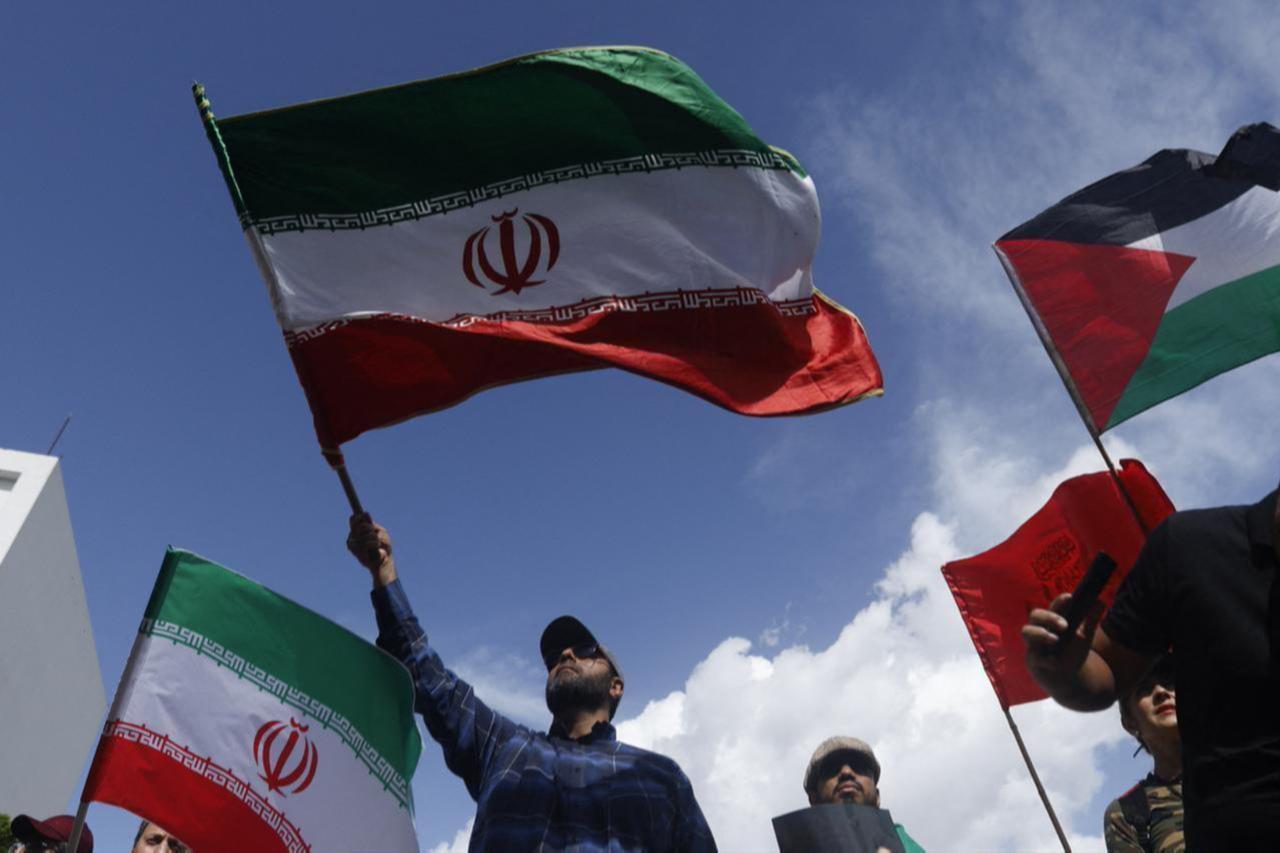
United States President Donald Trump is considering several options to support ongoing protests in Iran and weaken the country’s leadership, Israeli media reported Sunday.
Israel’s Channel 12 cited two senior U.S. officials as saying the Trump administration is reviewing a range of measures aimed at increasing pressure on Tehran and undermining the position of Iran’s supreme leader, Ali Khamenei.
According to the report, the options under discussion include regional military reinforcements, cyber operations and what officials described as “cognitive” or influence-based actions, alongside the possibility of military strikes.
“Most of the options presented to the president are not kinetic,” one senior U.S. official was quoted as saying.
The officials added that it remains unclear which course of action Trump may ultimately choose, stressing that discussions are still at a preliminary stage.
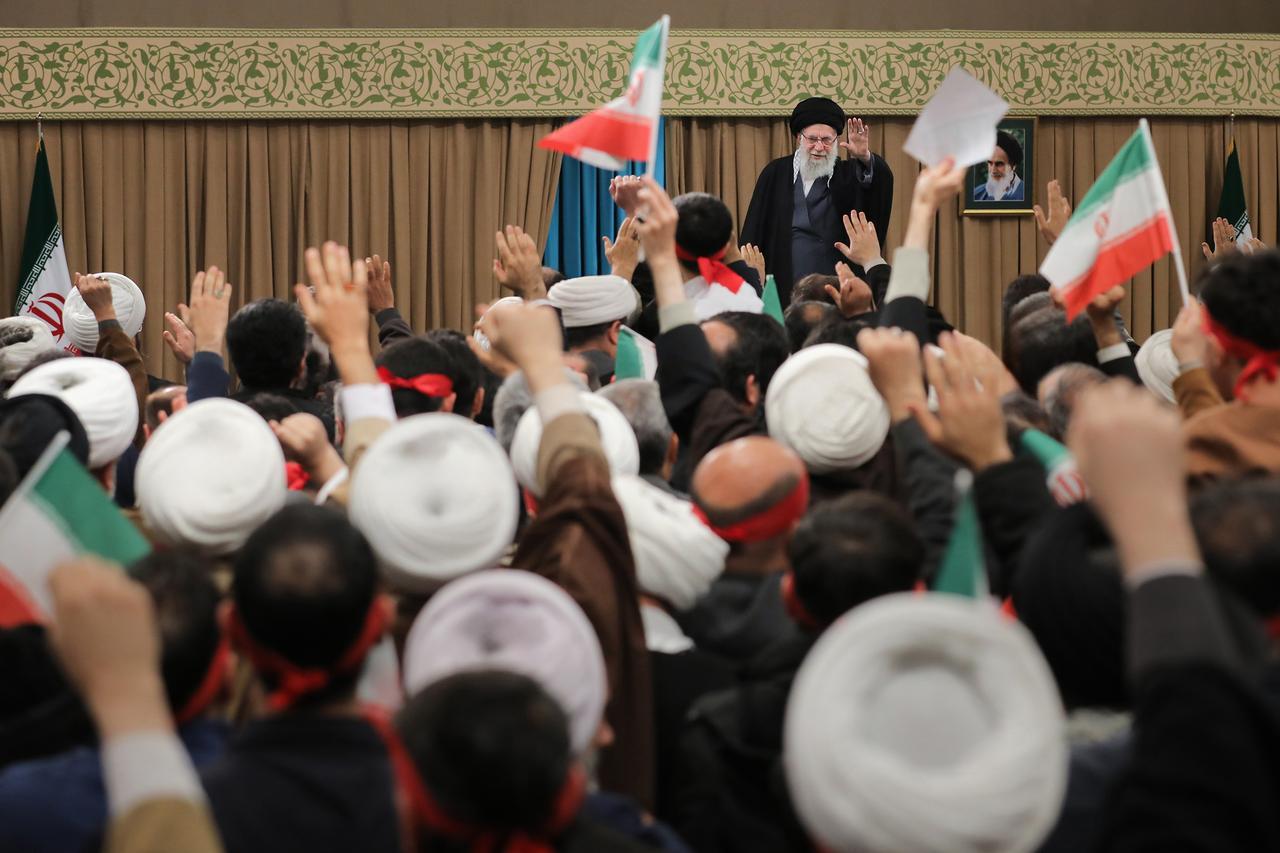

Iran’s Parliament Speaker Mohammad Bagher Ghalibaf warned Sunday that Israel and U.S. military and shipping centers would be considered “legitimate targets” if Washington launches a military attack against Iran.
Speaking during a parliamentary session, Ghalibaf said Iran would not limit itself to a purely reactive response.
“In the event of a U.S. military attack, both the occupied territories and U.S. military and shipping centers will be legitimate targets for us,” he said.
Ghalibaf claimed Iran is confronting Israel and the United States on four fronts—economic, cognitive, military and what he described as terrorist warfare—arguing that the current protests are part of that confrontation.
Lawmakers chanted anti-U.S. slogans during the session.
Trump said Saturday that Iranians were “looking at freedom,” as demonstrations that began on Dec. 28 continued to spread across the country, adding that Washington was prepared to offer support.
Iranian Foreign Minister Abbas Araghchi rejected the accusation that Israel and the U.S. are fomenting unrest, calling such claims “delusional” in a post on the U.S. social media platform X.
He alleged that U.S. and Israeli intelligence services were involved in destabilization efforts, warning that those who incite unrest would ultimately face consequences.
Ali Larijani, secretary of Iran’s Supreme National Security Council, called for “decisive action” against what he described as rioters.
“The judiciary must take decisive action against those who create insecurity, kill people and vandalize public property,” he told state broadcaster IRIB, urging authorities to distinguish between peaceful protests and violent acts.
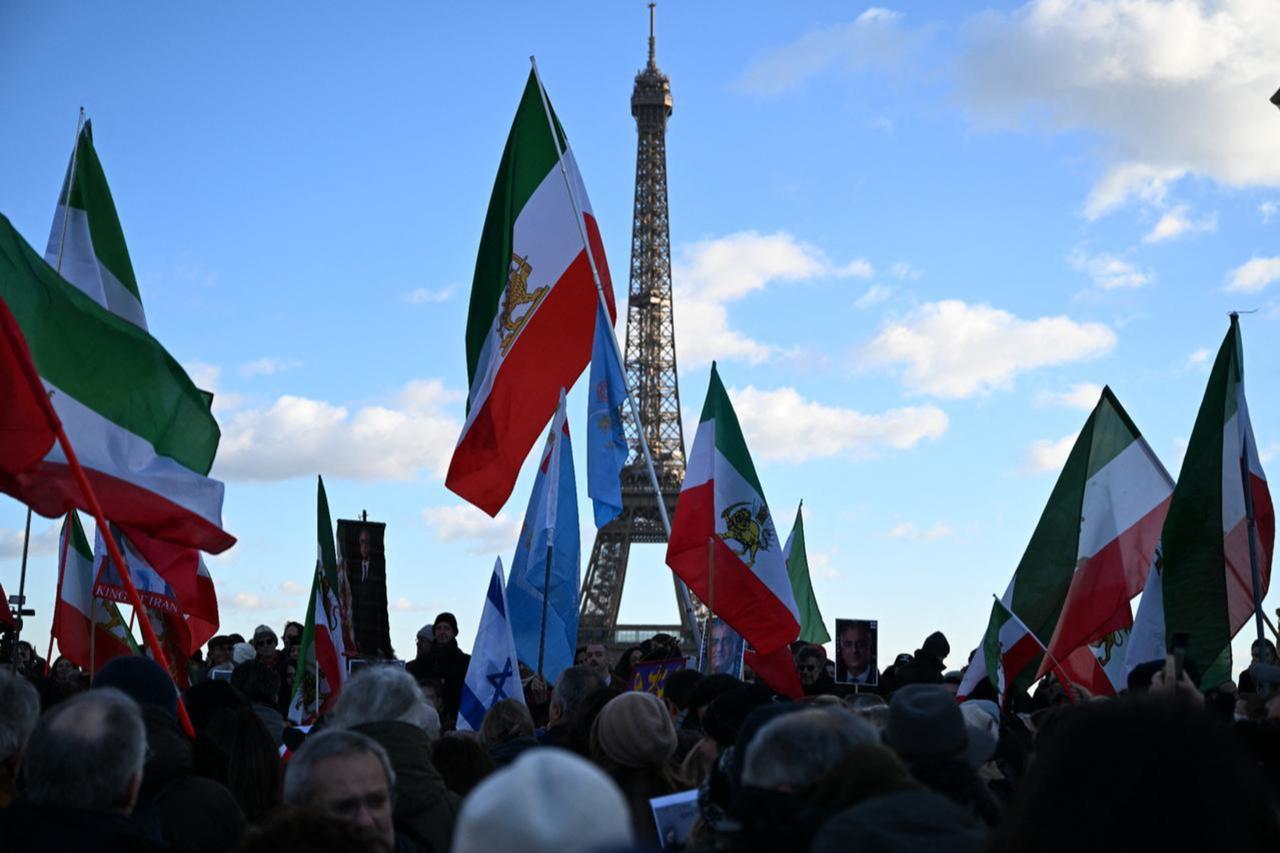
Iran has been rocked by protests since Dec. 28, when shopkeepers at Tehran’s Grand Bazaar demonstrated against the sharp depreciation of the rial and worsening economic conditions. The unrest later spread to several cities.
Authorities have not released official casualty figures. The U.S.-based Human Rights Activists News Agency (HRANA) said at least 116 people have been killed and more than 2,600 detained.
A Tehran-based doctor told Time magazine, speaking anonymously, that at least 217 protesters had died, most from live ammunition, based on records from six hospitals in the capital.


 Set as preferred source
 Set as preferred source


 1 min read
 1 min read