Newsletters


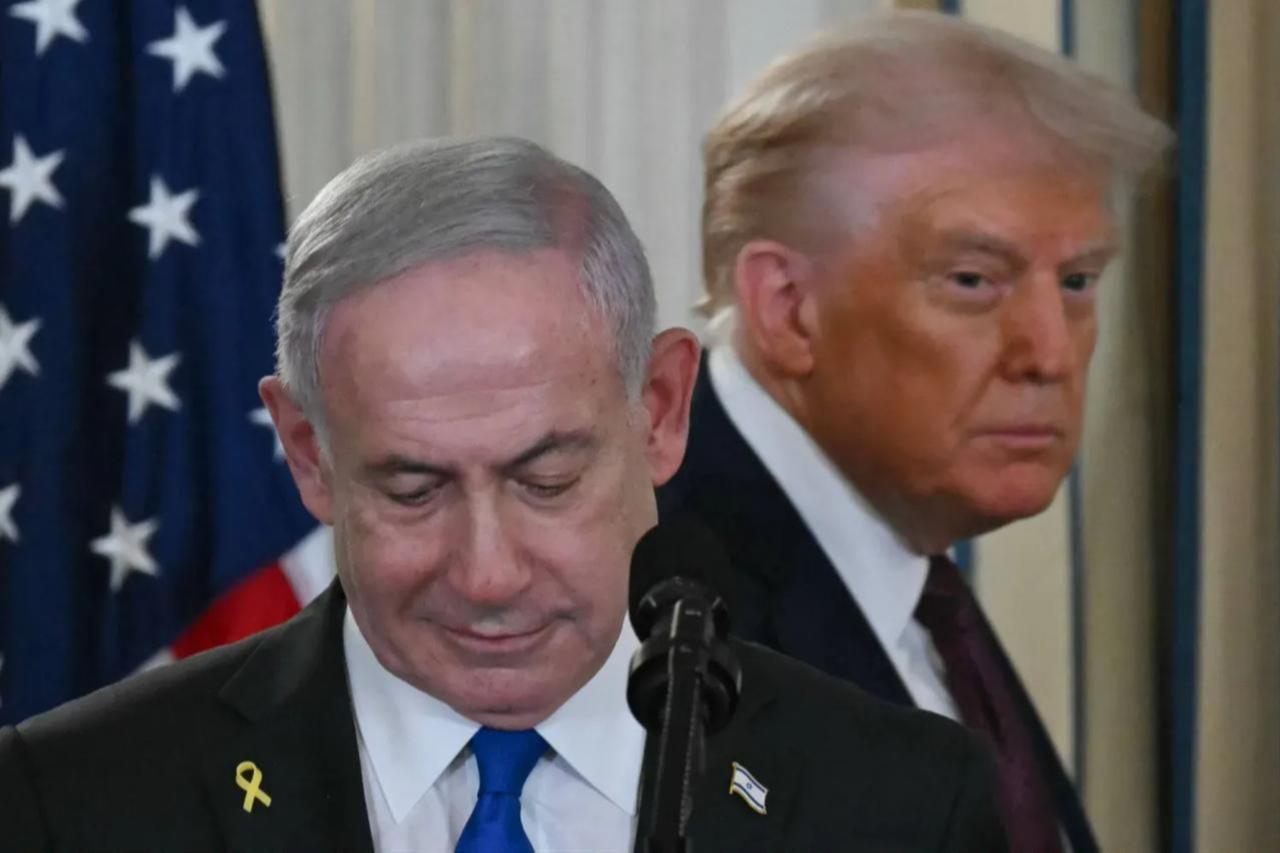


U.S. President Donald Trump declared Monday that Israel and Hezbollah had agreed to stop shooting at each other, expressing hope the halt would last "for ETERNITY," even as Israeli forces continued operations in Lebanon and Israeli Prime Minister Benjamin Netanyahu reserved the right to resume strikes.
In a post on his Truth Social platform, Trump said both sides had reached a mutual understanding to stand down, framing it as a potential turning point in one of the region's most entrenched conflicts.
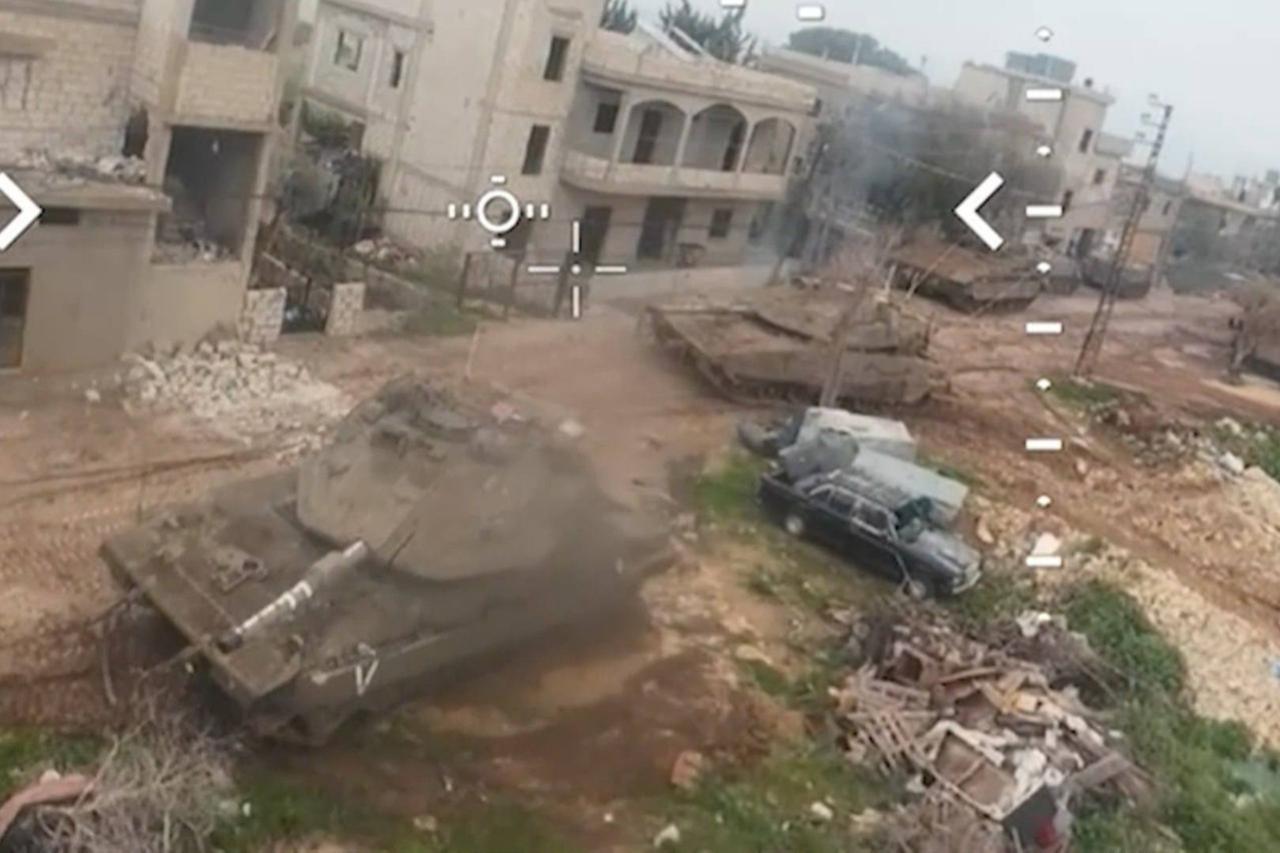
The announcement came hours after Netanyahu ordered Israeli troops deeper into southern Lebanon and the Israeli military threatened renewed strikes on Hezbollah's stronghold in Beirut's Dahiyeh district.
Netanyahu and Defense Minister Israel Katz had earlier in the day ordered the military to return to heavy bombardment of Dahiyeh, though those orders were reportedly delayed following pressure from Washington and complications tied to Iran's threat to pull out of nuclear talks if Beirut was struck.
The current round of fighting erupted in March 2026 and Israeli airstrikes and ground operations have since killed more than 3,370 people in Lebanon, according to the Lebanese government, displaced more than 1.2 million people, and drawn Israeli troops to positions including the medieval Beaufort Castle in the south.
This is not the first time a ceasefire has been announced only to unravel. A U.S.- and France-brokered agreement reached in November 2024 formally halted more than a year of cross-border fighting that started after Oct. 7, 2023.
That deal required Israel to withdraw from southern Lebanon and Hezbollah to pull back north of the Litani River, but both sides repeatedly violated its terms. Israel was accused of more than 2,000 ceasefire violations; Hezbollah moved fighters back south of the river on multiple occasions.
A second ceasefire, brokered by the United States in April 2026, established a 10-day truce that was subsequently extended by three weeks at Trump's announcement, but fighting continued nonetheless. Netanyahu publicly said at one point that no ceasefire was in effect, even as negotiations continued.
Trump suggested other Lebanon standoff was, in part, a "glitch" complicating the broader effort to reach a nuclear deal with Iran, indicating the two diplomatic tracks were closely linked. Iranian officials had threatened to suspend talks if Israel struck Beirut, injecting further uncertainty into both negotiations.
Hezbollah, the Lebanese Shia militant group and political movement backed by Iran, has fought multiple wars with Israel and survived repeated efforts to degrade its capabilities. Despite significant losses in the 2024 conflict, including the killing of longtime leader Hassan Nasrallah, the group has shown resilience in rebuilding.
Whether Trump's declaration will hold, or follow the trajectory of previous announcements, remains to be seen.


 Set as preferred source
 Set as preferred source


 1 min read
 1 min read