Newsletters


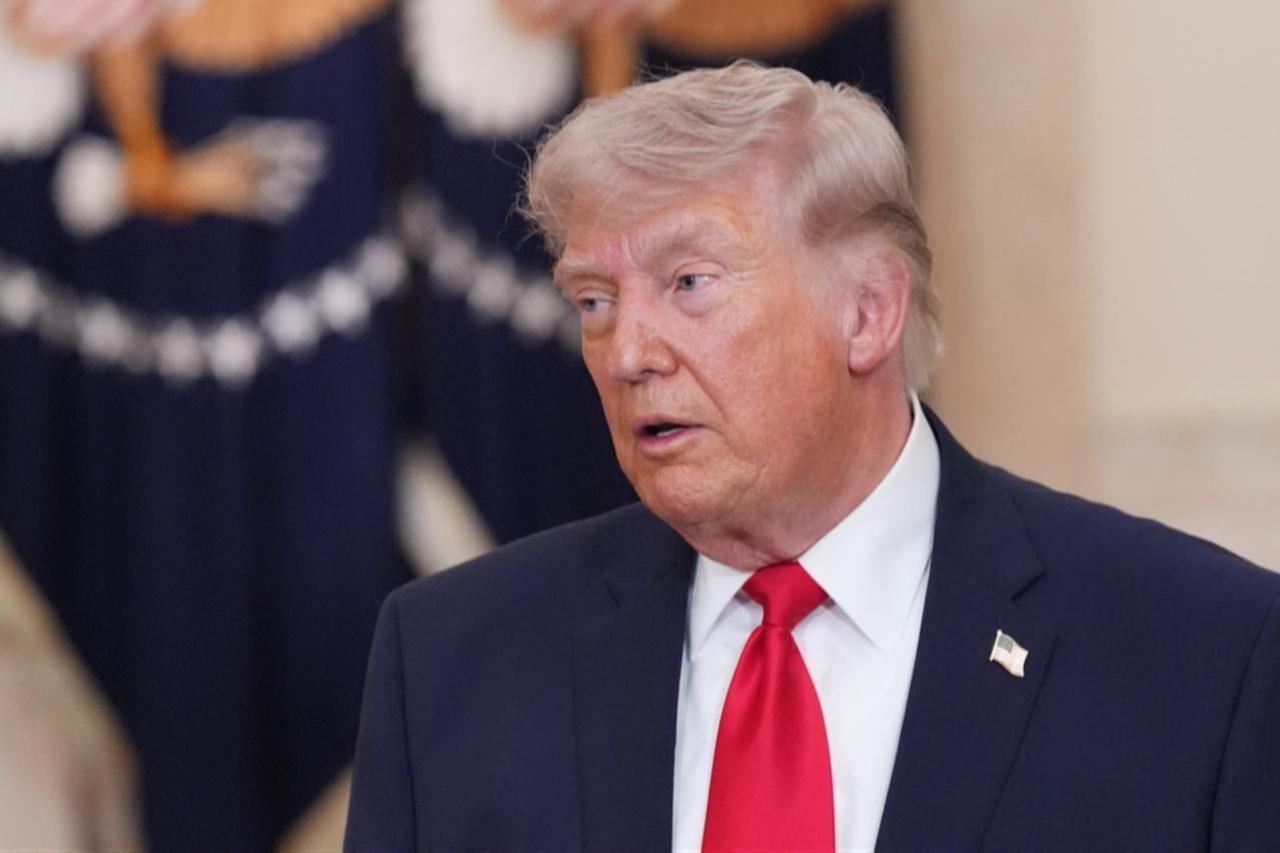


President Donald Trump flatly rejected the idea of deploying nuclear weapons against Iran on Thursday, growing visibly irritated when a reporter raised the question during remarks in the Oval Office, even as he signaled that military pressure on Tehran could continue indefinitely if negotiations fail to produce a deal.
"No, I wouldn't," Trump said. "Why would I use a nuclear weapon, when we've totally, in a very conventional way, decimated them without it." He added that nuclear weapons should never be used by anyone.
The exchange came as the United States and Iran remain locked in a fragile and inconclusive negotiating process following weeks of U.S.-led military strikes on Iranian targets, which the administration launched in late February under Operation Epic Fury. The campaign, which Washington says has destroyed much of Iran's missile arsenal and navy, was triggered in part by long-standing U.S. and Israeli demands that Tehran permanently abandon any path to a nuclear weapon.
Trump also defended the pace of the war, brushing aside suggestions that the conflict has dragged beyond the four-to-six week window he and his aides had previously set for major combat operations. "I took the country out militarily in the first four weeks," he said. "Now all we're doing is sitting back and seeing what deal we make."
He left open the option of resumed strikes if diplomacy collapses. "If they don't want to make a deal, then I'll finish it up militarily," Trump added. Asked whether he felt pressure to bring the conflict to a swift conclusion, the president was blunt: "I don't want to rush myself."
Trump's remarks came hours after he suggested that Iran's leadership was in disarray, saying the country was struggling to figure out "who their leader is." Iranian officials pushed back sharply. President Masoud Pezeshkian and Parliament Speaker Mohammad Bagher Ghalibaf each issued near-identical statements on social media declaring, "In Iran there are no 'hardliners' or 'moderates'. We are all Iranians and revolutionaries." A spokesperson for Iran's Foreign Ministry dismissed Trump's characterization as "a form of deflection."
The question of who holds ultimate authority in Tehran has been unsettled since the killing of Supreme Leader Ali Khamenei at the outset of the conflict, leaving a collection of civilian officials and senior military commanders in a murky competition for power.


 Set as preferred source
 Set as preferred source


 2 min read
 1 min read