Newsletters


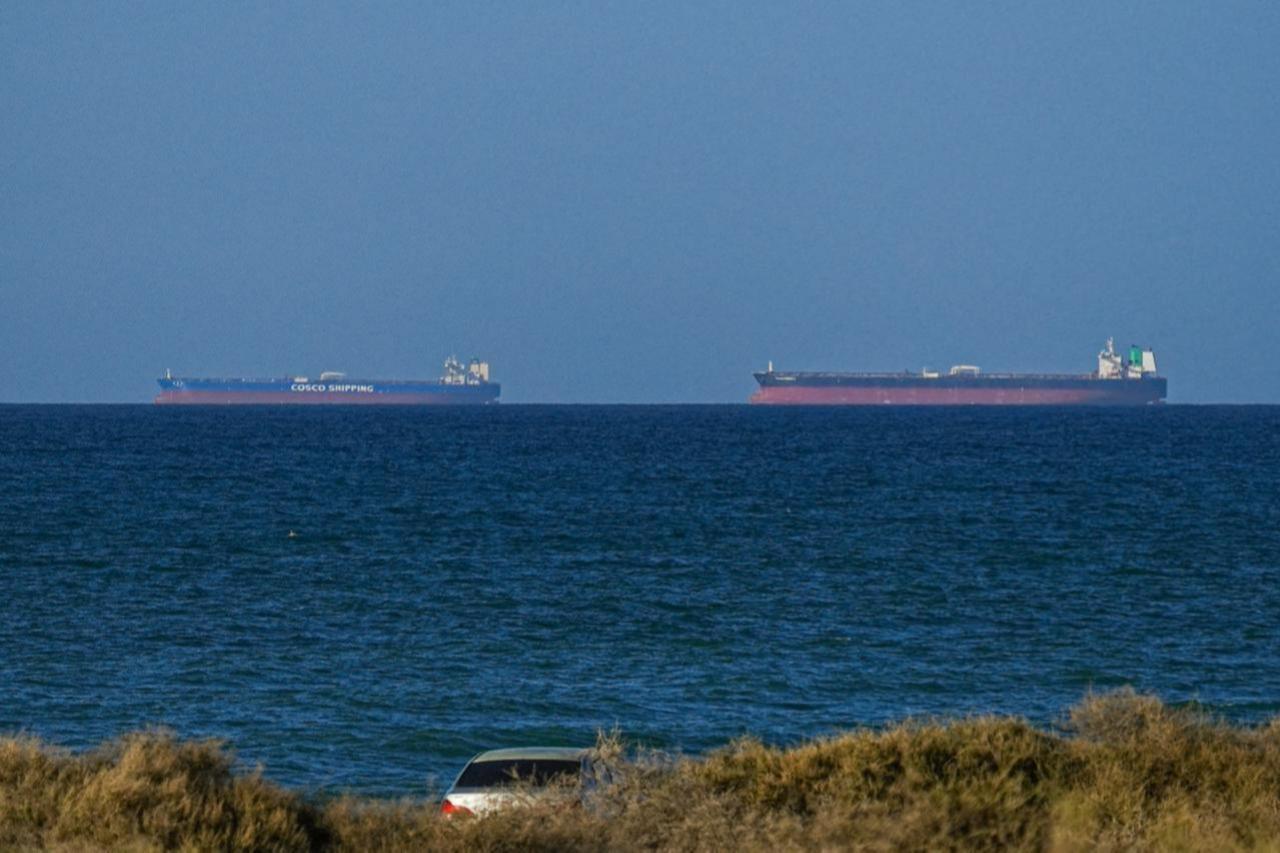


Britain and France expressed optimism Thursday that multinational military planning to reopen the Strait of Hormuz was gaining momentum, as defense officials from more than 44 countries gathered in London to hammer out the practicalities of a mission to restore navigation through one of the world's most critical maritime chokepoints.
The two-day meeting brought together military planners to discuss the mechanics of a UK- and France-led operation intended to protect commercial shipping once a sustainable ceasefire is in place. British Defense Minister John Healey described the goal as forming "a defensive, multinational mission that will strengthen the confidence of commercial shipping, and, if necessary, clear mines and protect vessels when the hostilities end."
Healey and his French counterpart, Defense Minister Catherine Vautrin, issued a joint statement saying they were "confident that real progress can be made."
Addressing the assembled delegations, which represented countries from every continent, Healey framed the mission in terms of global economic necessity. "International trade, energy, and economic stability for all our nations depend on freedom of navigation" in the strait, he said, adding that "millions of people" were counting on the talks to produce results. "We can't let them down," he told the gathering.
British Prime Minister Keir Starmer has said more than a dozen countries have already agreed to participate in the operation.
The Strait of Hormuz, a narrow waterway between Iran and Oman connecting the Persian Gulf to the Gulf of Oman, is the single most important oil transit chokepoint in the world. Before the conflict began on February 28, roughly one-fifth of the world's oil passed through the passage, making any prolonged disruption a significant threat to global energy markets and supply chains.
 1 min read
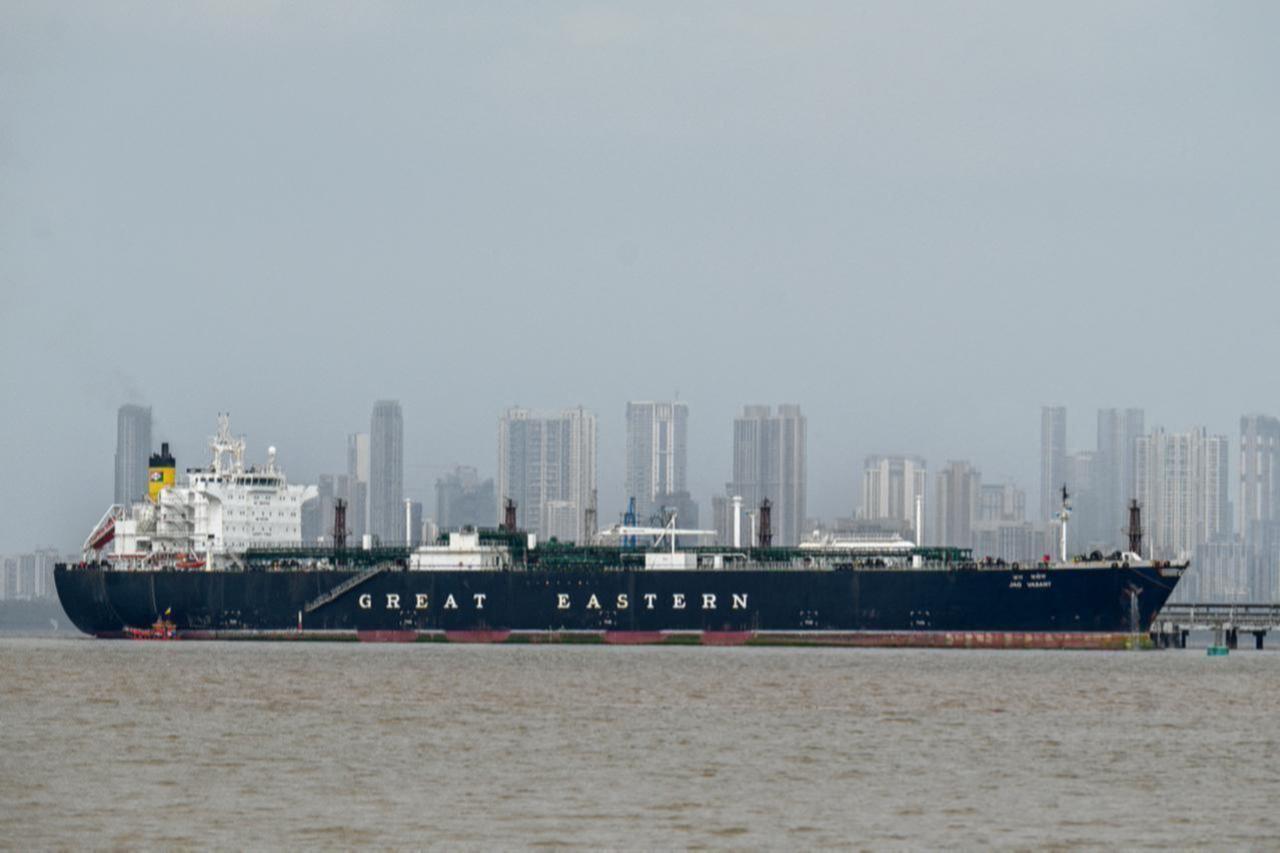
Tehran signaled Wednesday that it has no intention of reopening the strait while the United States continues what it described as a blockade of Iranian ports, leaving a diplomatic gap that the multinational military framework is designed to bridge, at least partially, once hostilities formally end.
Although strikes across the broader region have largely subsided since the ceasefire began, both Washington and Tehran have continued applying pressure along the trade route, underscoring the fragility of the current situation.


 Set as preferred source
 Set as preferred source


 1 min read