Newsletters


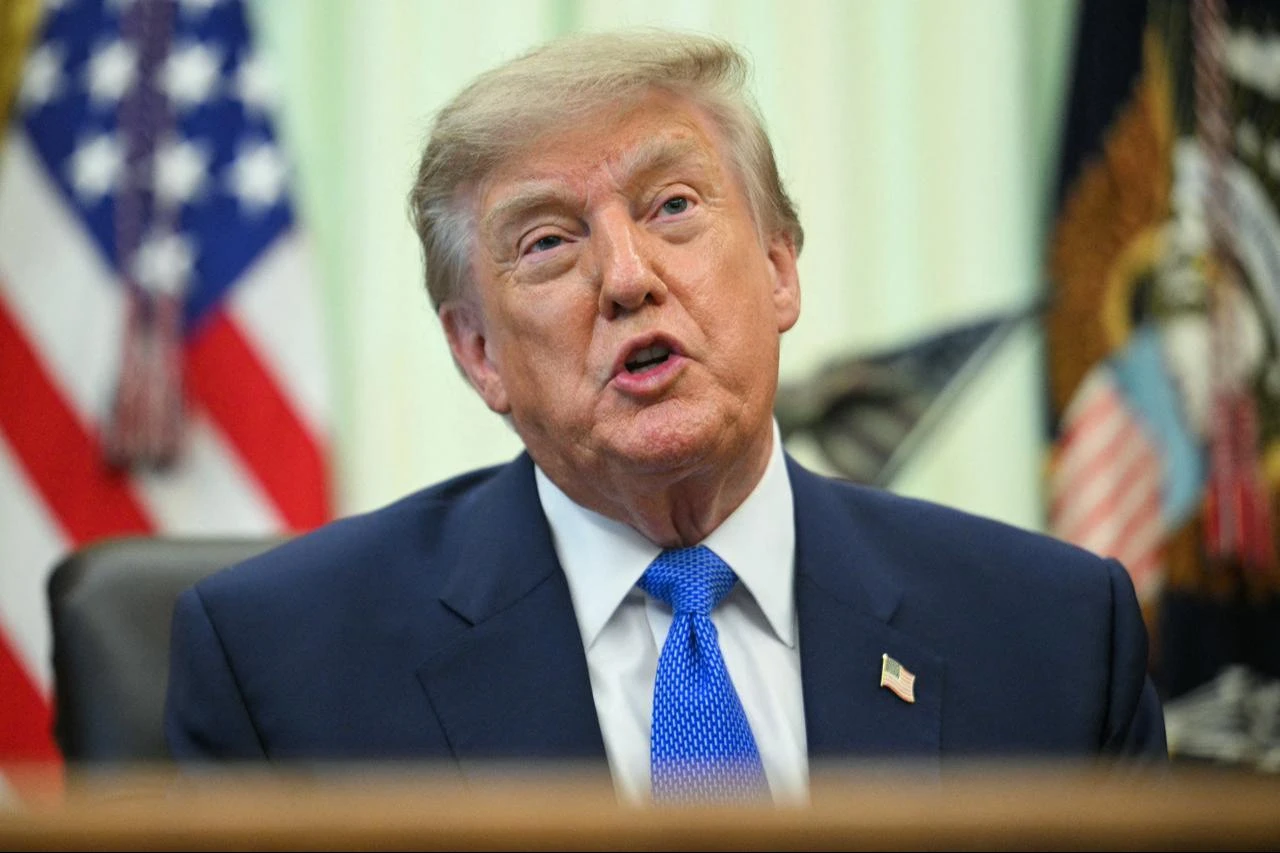
U.S. President Donald Trump said Monday that the United States has swept the Strait of Hormuz for mines and controls the waterway 100%.
The claim came even as new U.S. demands for compensation from Iran dimmed prospects for a deal to fully reopen the strait, with shipping traffic falling to some of the war's lowest levels.
"We control the strait 100%," Trump told reporters in the Oval Office after signing an executive order on childhood vaccine recommendations.
"Now, can they make trouble? Yeah, they can make trouble, but they're broke, they have no money," he added.
"Well, it's open now ... The only one that has control of the Strait of Hormuz right now is the United States Navy," Trump said.
"We have a blockade that's been infallible. It's a steel wall, and we let people in that we want to let in, and those people come in, and they've been coming in and they're going out, so it's actually open now. We do not let them go into Iran. They're not admitted into the strait to go to Iran, but it's open for others now," he added.
Trump acknowledged Iran could still attempt to disrupt shipping, saying Iranian forces could "on occasion, drop a mine," but claimed U.S. forces have located and cleared mines throughout the waterway.
"You know, we've mine swept the entire strait, as you probably maybe heard, maybe you didn't hear. But we control the strait 100%," Trump said.
He described the situation with Iran in the strait as "a little bit complex."

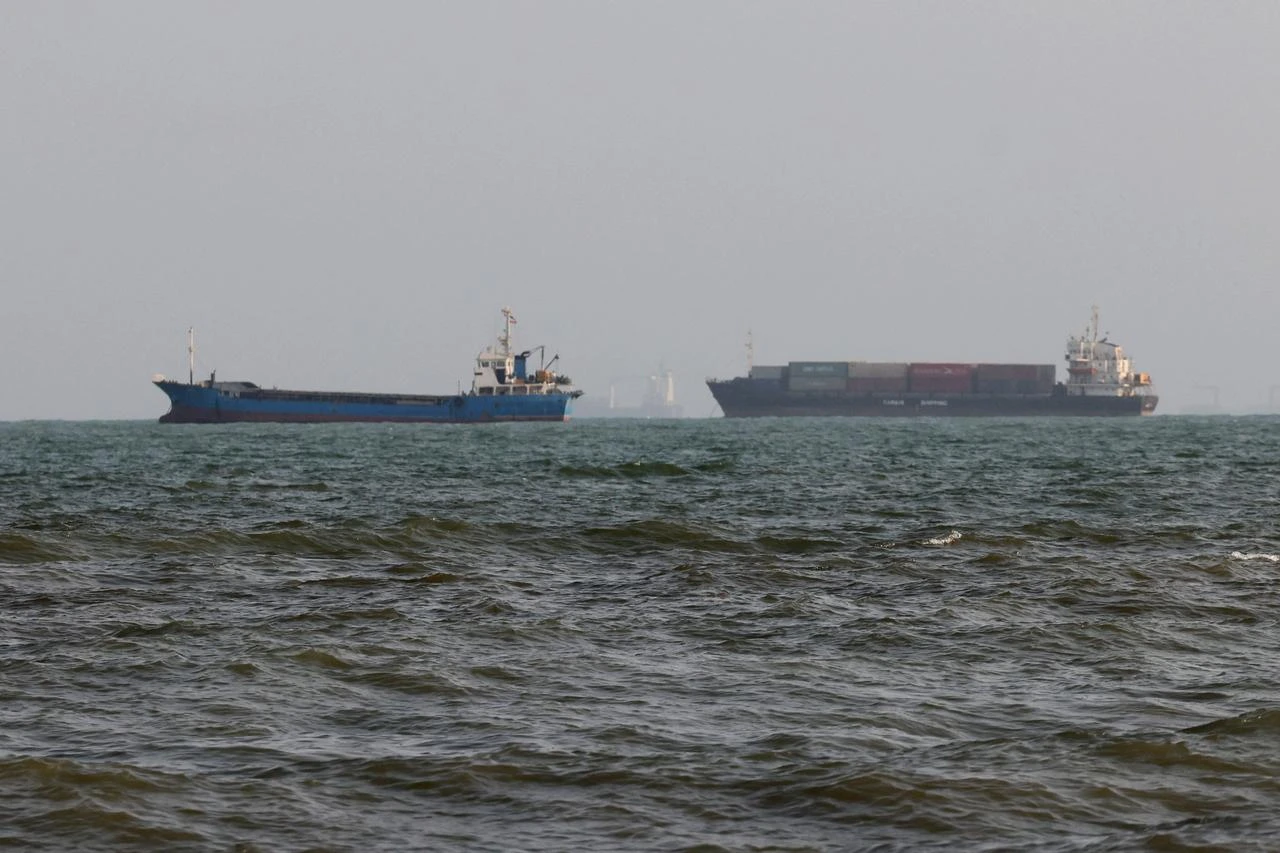
Traffic through the Strait of Hormuz remained "subdued" over the past week and "weakened further into the weekend," maritime intelligence firm Kpler said Monday, even as Iran and Oman signaled that an agreement on navigation through the waterway could be within reach.
Confirmed crossings fell from 15 on Friday to 11 on Saturday and six on Sunday, Kpler said.
Around half of these journeys used the Iranian-approved northern route, while the route of 10 vessels could not be determined.
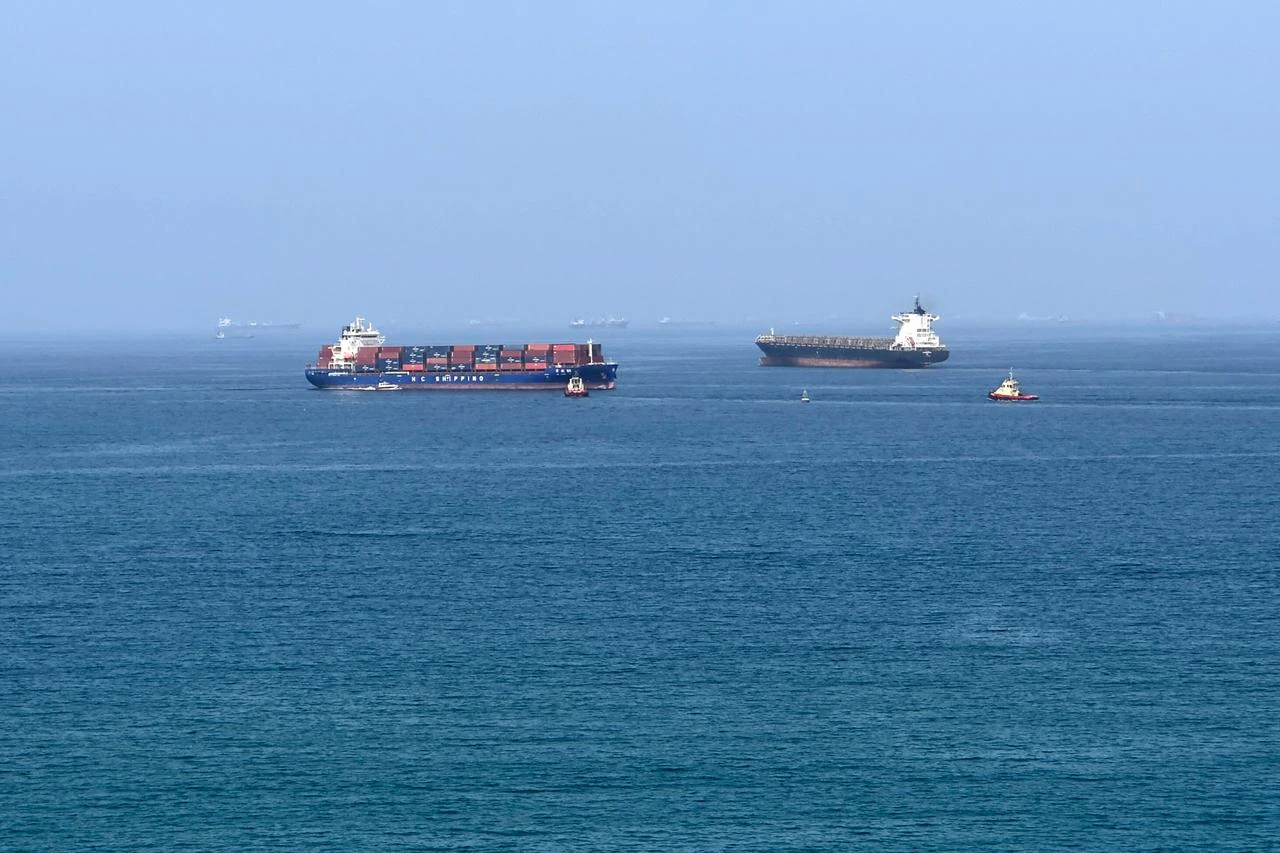
Shipping traffic through the strait fell to six vessels on Monday, compared with a 10-day average of about 11, according to Kpler data. Four commodity vessels, including two empty oil product tankers, entered the waterway as of 4:20 a.m. GMT Tuesday, Kpler data showed. Two vessels, a small tanker carrying liquefied petroleum gas and another carrying residual fuels, exited the strait.
In pre-war days, roughly 130 to 140 ships typically transited the strait daily.
Traffic through the Bab el-Mandeb Strait at the southern end of the Red Sea, another critical maritime route, remained "considerably more active," recording 116 crossings over the same three-day period Kpler tracked for Hormuz, with daily traffic of 43, 37 and 36 vessels, Kpler said on X.
On Monday, 25 vessels transited the Bab el-Mandeb Strait, broadly unchanged from its 10-day average of nearly 24 ships, despite growing concerns over Iran-backed Houthi targeting of shipping in the region.
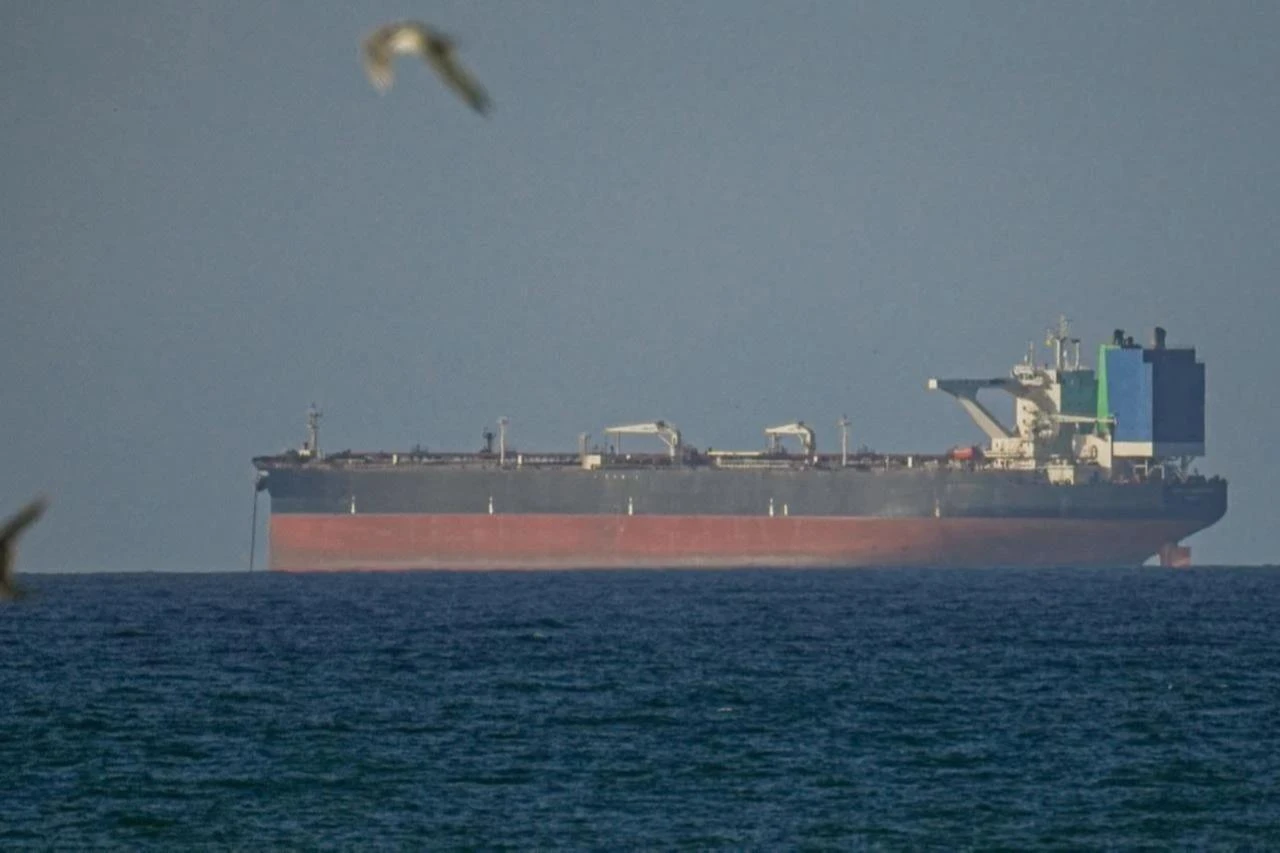
Tehran recently issued a list of demands for the U.S. to fulfill before Iran reopens the strait, through which about one-fifth of global crude oil typically flows.
The demands included an end to the U.S. naval blockade of Iranian ports, the withdrawal of U.S. military forces from Iran's vicinity, and a permanent end to the war.
Iran has said an agreement with Oman to manage the strait would not be enough to reopen the waterway unless the U.S. meets its list of conditions.
German Foreign Minister Johann Wadephul urged Iran on Monday to engage constructively in negotiations with regional countries and the U.S. to bring the conflict to an end, following a phone call with Iranian Foreign Minister Abbas Araghchi.
"In a call with Araghchi I urged Iran to finally engage constructively in negotiations with regional neighbours & USA in order to bring the conflict to an end," Wadephul wrote on X.
Wadephul also called for the unconditional reopening of the Strait of Hormuz.
"The Strait of Hormuz needs to be opened unconditionally, ensuring free and safe navigation for all," he wrote.


 Set as preferred source
 Set as preferred source


 1 min read
 1 min read