Newsletters


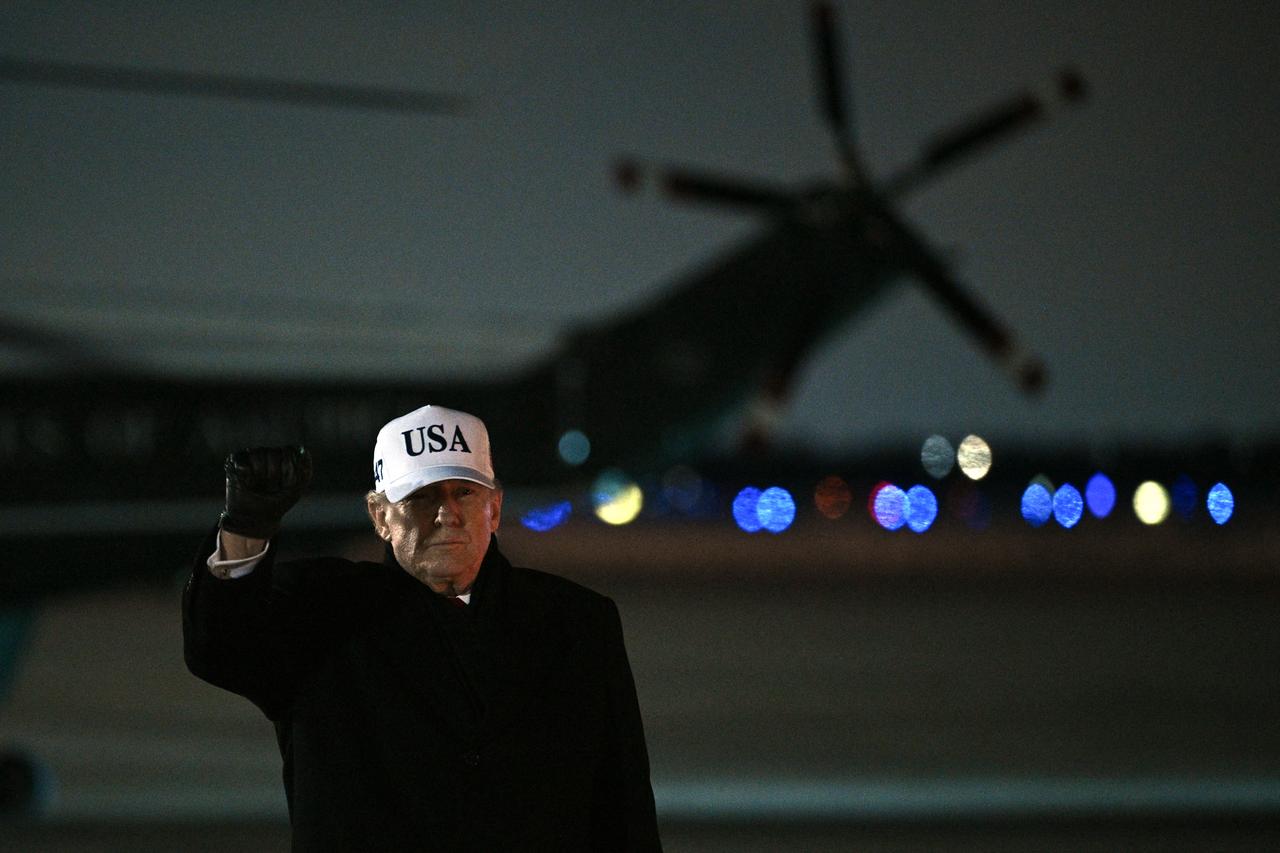


U.S. President Donald Trump is weighing military options against Iran that include targeted strikes on security forces and leaders to inspire protesters and create conditions for regime change, multiple sources told Reuters and CNN, even as regional allies warn air power alone cannot topple the clerical rulers and Gulf states refuse to allow their airspace for operations.
Two U.S. sources familiar with the discussions told Reuters that Trump wanted to create conditions for "regime change" after a crackdown crushed a nationwide protest movement earlier this month, killing thousands of people.
"Trump is looking at options to hit commanders and institutions Washington holds responsible for the violence, to give protesters confidence they could overrun government and security buildings", the sources said.
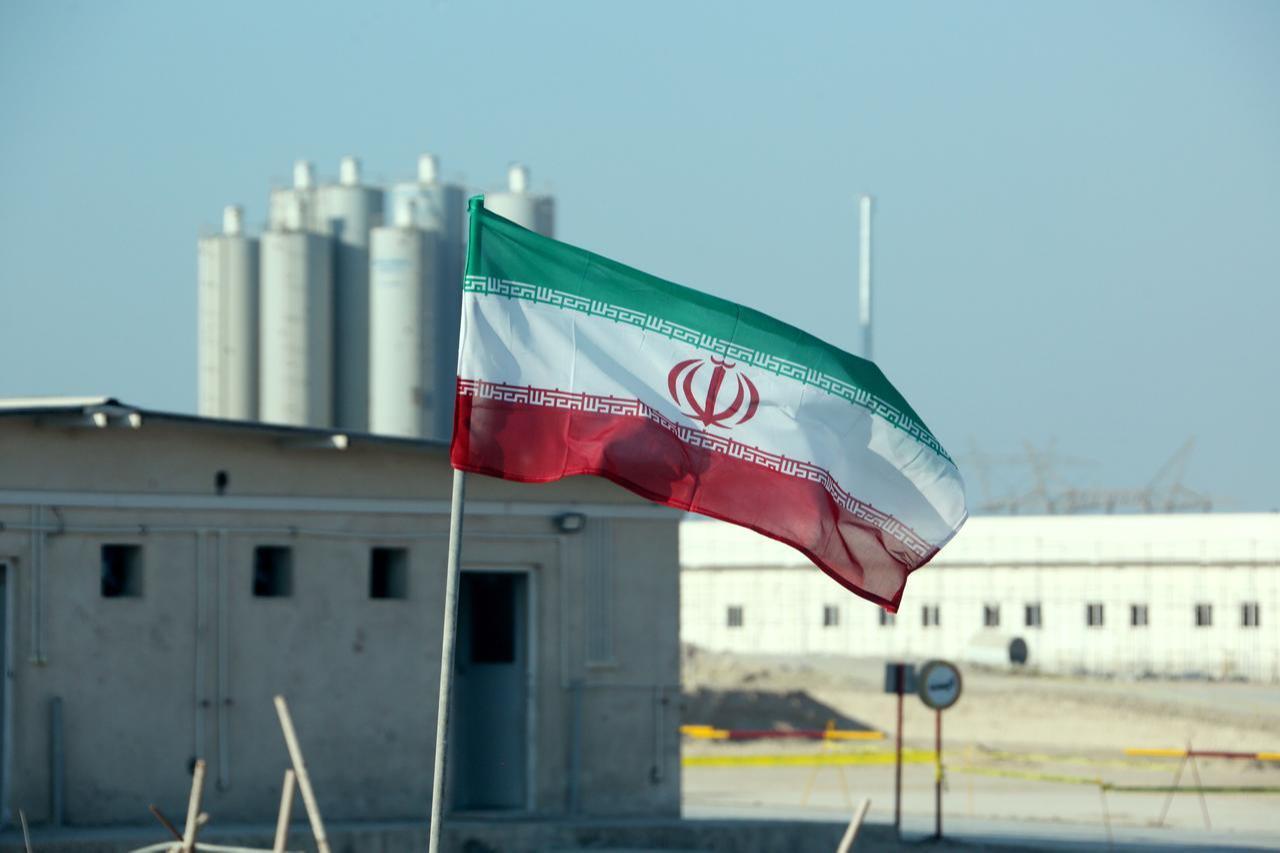
One U.S. source said options being discussed by Trump's aides also included a much larger strike intended to have lasting impact, possibly against ballistic missiles that can reach U.S. allies or Iran's nuclear enrichment programs.
The other U.S. source said Trump has not yet made a final decision on a course of action, including whether to take the military path.
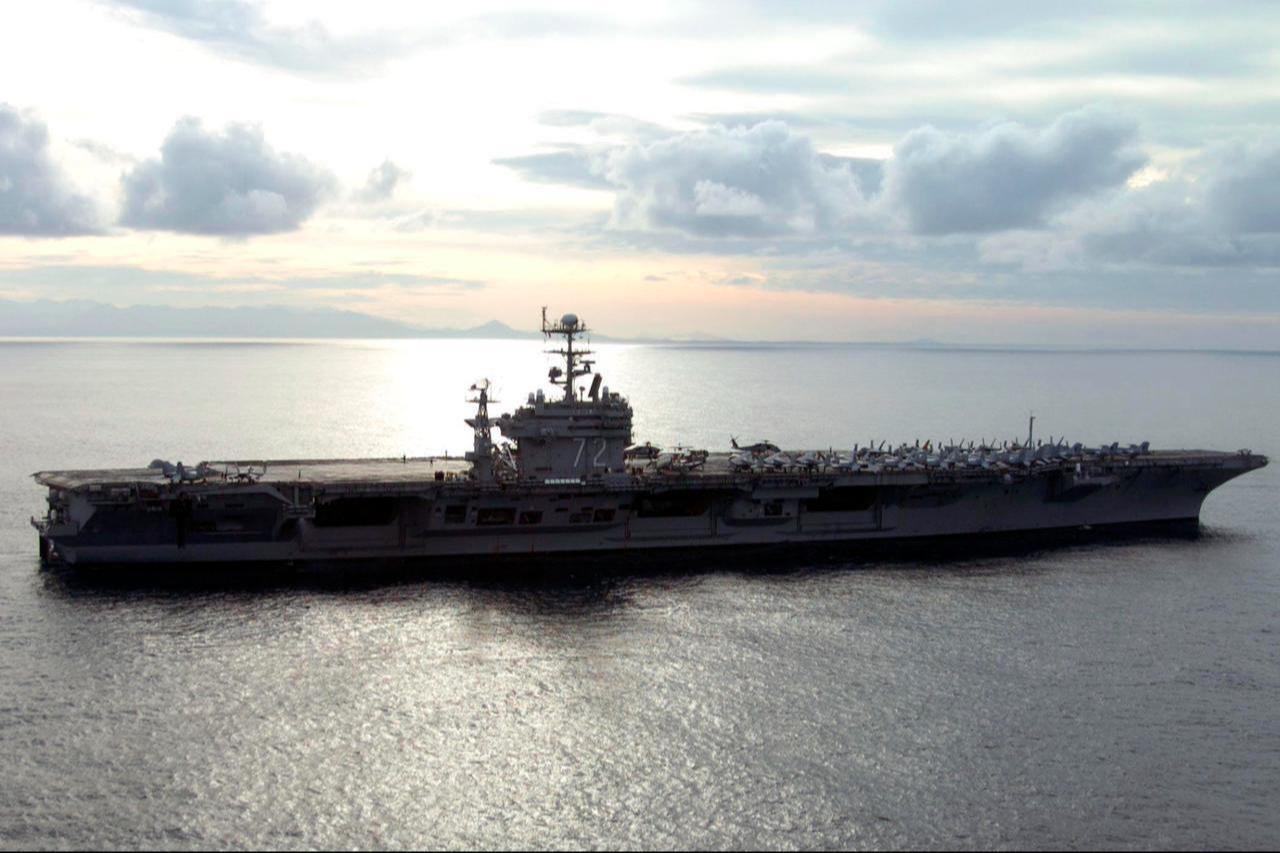
CNN reported that Trump believes his military options have expanded from earlier this month, now that the USS Abraham Lincoln Carrier Strike Group is in the region, entering the Indian Ocean on Monday and continuing to move closer to Iran.

Preliminary discussions between Washington and Tehran over limiting Iran's nuclear program and ballistic missile production failed to make progress, sources told CNN.
The U.S. and Iran had been exchanging messages through Omani diplomats and between Trump's envoy Steve Witkoff and Iranian Foreign Minister Abbas Araghchi earlier this month about a possible meeting. "There was brief discussion of an in-person meeting that never came to fruition," one source said.
The biggest sticking point has been the U.S. demand that Iran agree to put limits on the range of its ballistic missiles—an acute concern for Israel, which expended much of its missile interceptor stockpile shooting down Iranian ballistic missiles during last June's 12-day war.
Iran has balked at that demand and told the U.S. it would only discuss its nuclear program. The U.S. has not replied, leaving both sides at a dead end.
A senior Israeli official with direct knowledge of planning between Israel and the United States told Reuters that Israel does not believe airstrikes alone can topple the Islamic Republic.
"If you're going to topple the regime, you have to put boots on the ground," the official said, noting that even if the United States killed Supreme Leader Ali Khamenei, Iran would "have a new leader that will replace him."
"Only a combination of external pressure and an organized domestic opposition could shift Iran's political trajectory," the official said, adding that Iran's leadership had been weakened by the unrest but remained firmly in control despite the ongoing deep economic crisis that sparked protests.
Iranian Parliament Speaker Mohammad Bagher Ghalibaf told CNN that Trump "may be able to ignite a war, but he does not control how it ends," while stressing Tehran remains open to negotiations "only if they are real, not imposed by force."
"We are ready for negotiations," Ghalibaf said, adding that, "but we do not believe this is the kind of dialogue the American president is seeking."
He accused Washington of undermining diplomacy, saying the U.S. "bombed the negotiating table two days before the sixth round of talks with Iran."
"As long as the economic interests of the Iranian people are not guaranteed, there will be no negotiations. We do not consider dictation to be negotiation," Ghalibaf said.
"If Trump wants a Nobel Peace Prize, he should distance himself from the warmongers and the advocates of surrender around him," he added.


 Set as preferred source
 Set as preferred source


 2 min read