Newsletters




John Bolton, former U.S. national security adviser, said U.S. President Donald Trump lacks a clear strategy on Iran and may not have the planning needed to sustain the campaign, in an interview with NPR.
Bolton told NPR host Steve Inskeep that he was "increasingly worried" because Trump's objectives were unclear and the administration appeared not to have prepared the public, Congress, allies or Iranian opposition forces for a broader effort aimed at regime change.
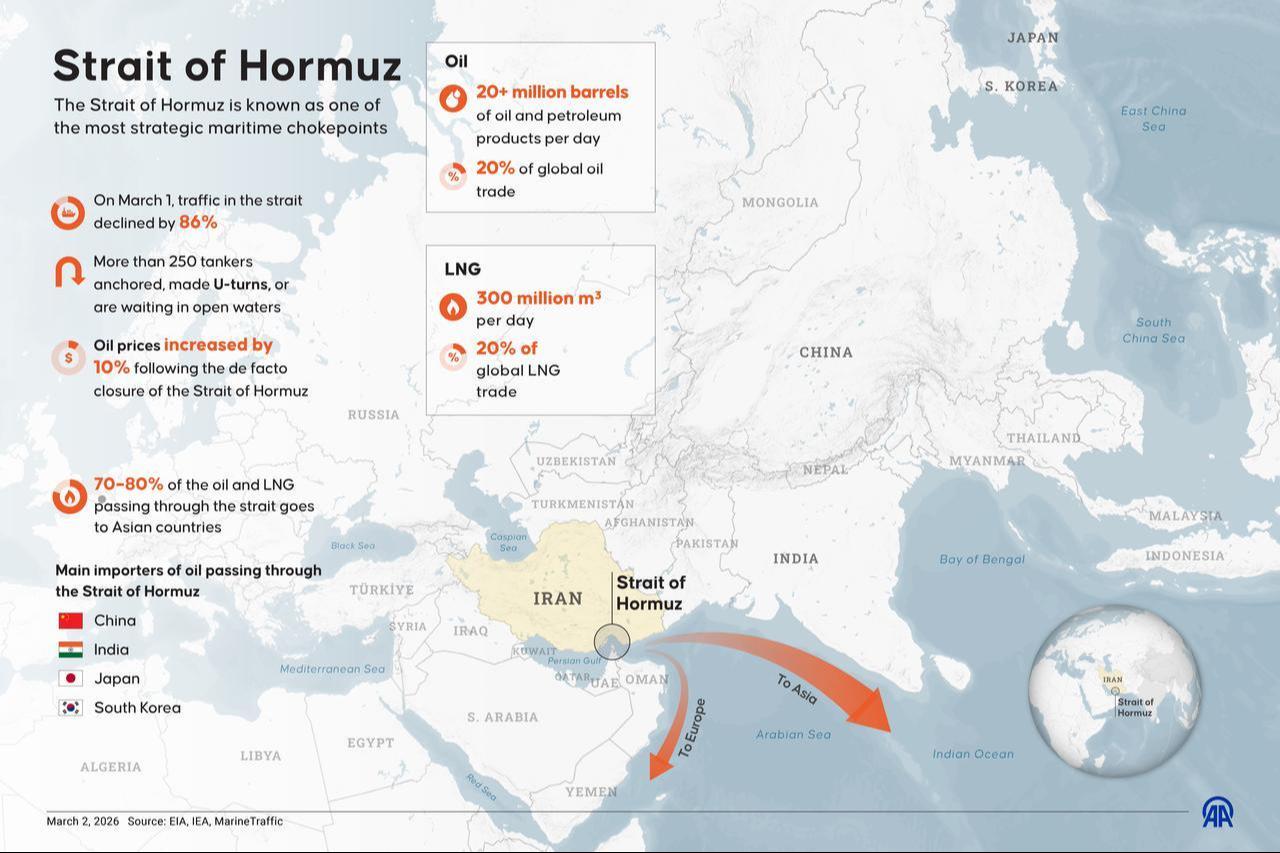
He said the administration also appeared unprepared for the major consequences of the war, including rising oil prices and the risk that Iran could mine the Strait of Hormuz.

Bolton, who served as Trump's national security adviser in his first term, said the White House showed signs of inadequate planning.
He stated reports that officials were surprised by how quickly oil prices rose pointed to "a huge hole in the planning."
He also questioned Trump's earlier claim that Iran's navy had been completely destroyed.
"Trump said several days ago that the Iranian navy had been completely destroyed. And despite years of listening to that kind of thing, I should have known better. I actually sort of believed in for a while. But now we learned that it was only yesterday that we got around to destroying 16 mine-laying vessels. Of course, they've got the capability to mine via drones going over the strait and dropping mines in it," he noted.
Bolton stated that Trump had not clearly defined the war’s end state. He told NPR that the administration had not done enough in advance to support what he described as the necessity of regime change.
"I’m increasingly worried because it really is unclear what Trump's objectives are (and whether) they've done sufficient planning," Bolton noted.
He said he supported regime change in Iran, but argued that weak preparation could keep that objective from being achieved. Bolton said the administration also had not thought through the strategic effects on Russia and China.
Inskeep noted that Trump had at different times described a range of goals, including eliminating Iran’s nuclear program, sinking its navy, stopping support for militant groups, encouraging an uprising inside Iran and choosing Iran's next leader.
Inskeep also cited comments from Secretary of State Marco Rubio that suggested narrower goals, including destroying Iranian missiles, missile factories and naval capacity.
The interview also highlighted mixed public messaging from the administration. Inskeep said Trump had called the war a short-term excursion, said earlier in the week that it would end soon and also used the phrase "unconditional surrender."
White House press secretary Karoline Leavitt said, "President Trump will determine when Iran is in a place of unconditional surrender, when they no longer pose a credible and direct threat to the United States of America and our allies."
Bolton rejected the idea that the United States could simply halt the campaign in the near term and still achieve a durable result.
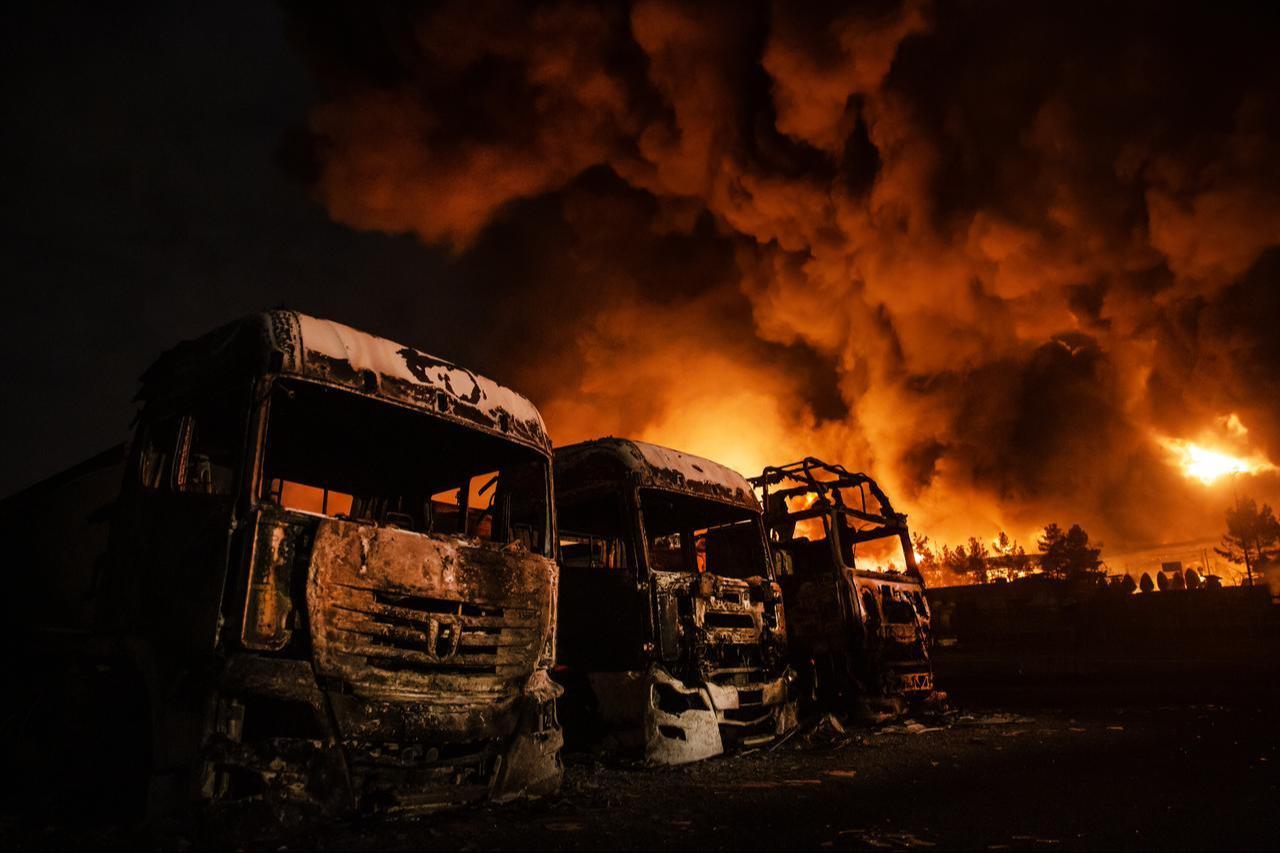
"No, because at this point, given what we see Iran doing, going after civilian targets in the Gulf Arab states, going after their oil infrastructure, if you leave this wounded beast, the regime in Tehran, in place, absolutely guaranteed they will go back to building their nuclear weapons program, supporting international terrorism," Bolton said.
He added that the point of the campaign was not merely to reduce the threat temporarily.
"The point here is get rid of what is the real ultimate threat, which is the regime itself," Bolton said, adding that, "If you stop before that, it’s just going to be Groundhog Day."
Bolton said regime change would not necessarily require U.S. troops on the ground. He stated that military strikes should aim to destroy Iran’s nuclear weapons and ballistic missile programs, destabilize the leadership, and encourage fractures within the state.
He added that the opposition inside Iran should work with figures in the conventional military rather than the Revolutionary Guard.
Bolton said much of that effort should have been organized before the campaign began, but said it now had to be done immediately.
When asked whether the effort was worth the risks, given that Iran was already weakened, Bolton said the regime's long-term conduct remained the core issue.
"Well, it was weakened, but its pattern of behavior for 30 years, at least, has been to seek nuclear weapons and to support international terrorism," Bolton said.


 Set as preferred source
 Set as preferred source



 3 min read