Newsletters


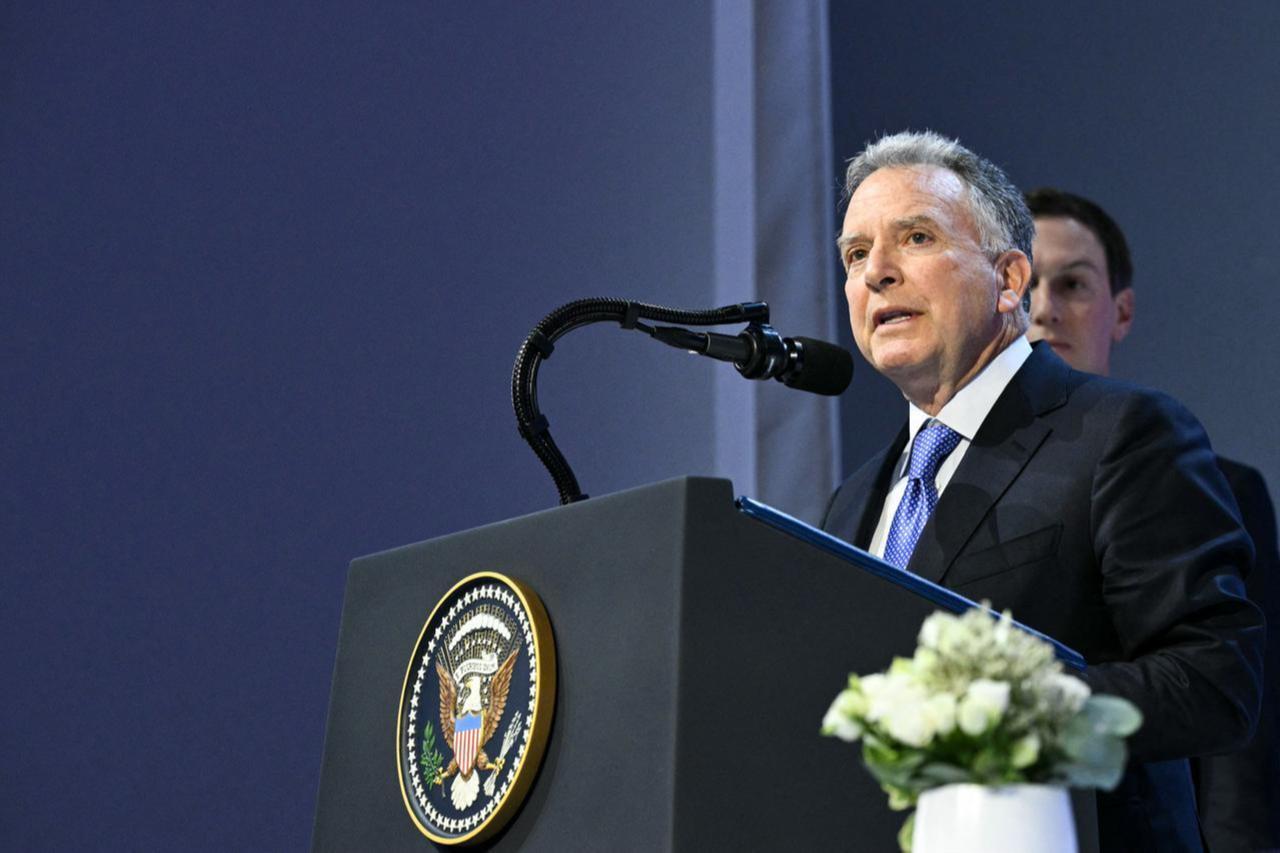


US special envoy Steve Witkoff has revealed that President Donald Trump is questioning why Iran has not yielded to Washington's sweeping military buildup in the region, as nuclear negotiations between the two countries enter a critical phase.
In a Fox News interview taped Thursday and aired Saturday, Witkoff told host Lara Trump that the president was growing impatient with Tehran's resistance, despite the unprecedented concentration of American naval firepower deployed to the Middle East in recent weeks.
"I don't want to use the word 'frustrated,' because he understands he has plenty of alternatives, but he's curious as to why they haven't... I don't want to use the word 'capitulated,' but why they haven't capitulated," Witkoff said.
The envoy questioned why Iran had not moved more decisively toward a deal given the scale of the military presence arrayed against it. "Why, under this pressure, with the amount of seapower and naval power over there, why haven't they come to us and said, 'We profess we don't want a weapon, so here's what we're prepared to do'?" Witkoff said. "And yet it's sort of hard to get them to that place."
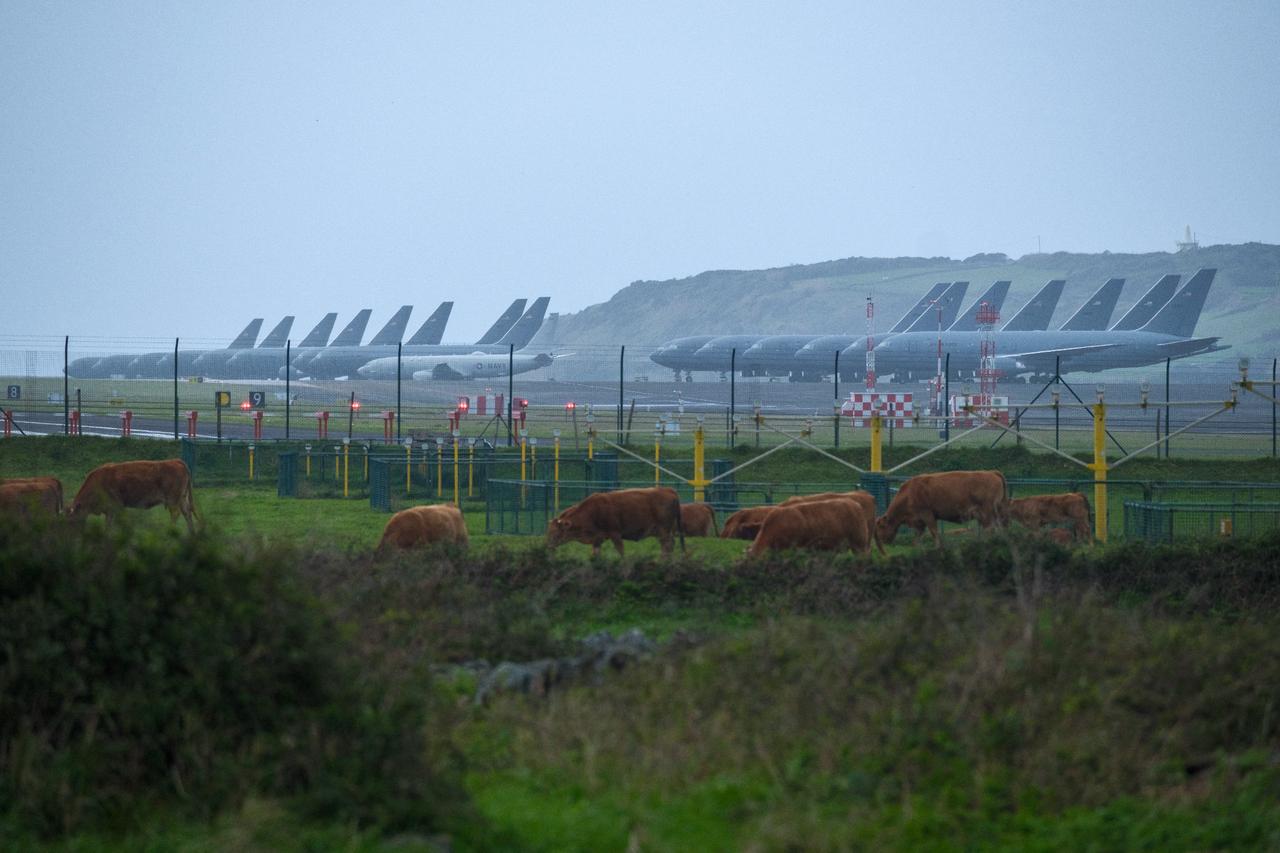
The remarks come as Washington and Tehran are engaged in Oman-mediated indirect talks in Geneva aimed at averting the prospect of military confrontation, with a third round of negotiations now confirmed for Thursday. The United States has dispatched two aircraft carrier strike groups, dozens of advanced fighter jets and other military assets to the region to underscore the seriousness of its warnings.
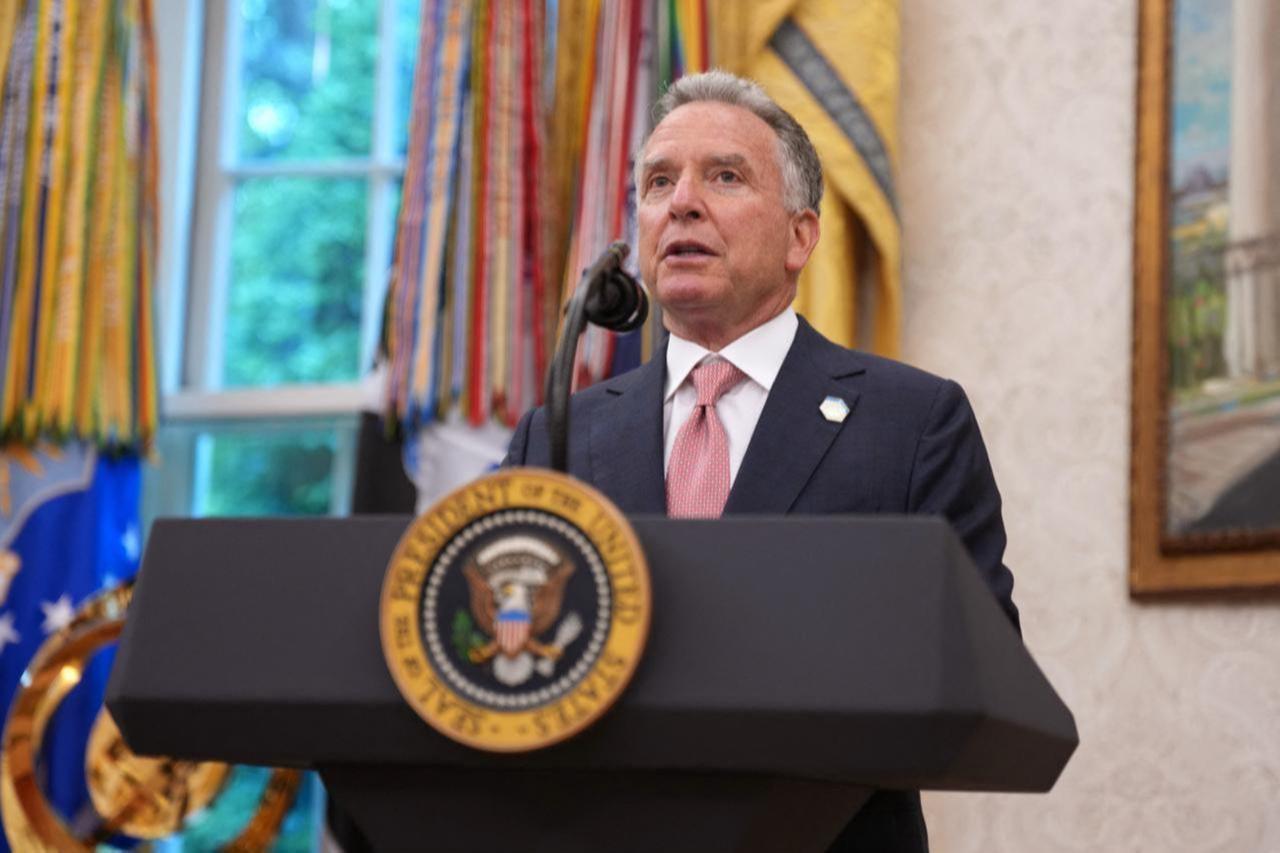

Witkoff also disclosed that he had met with Reza Pahlavi, the US-based exiled son of Iran's last shah, at Trump's direction. Pahlavi, a prominent critic of Iran's clerical leadership, has not returned to the country since the 1979 Islamic Revolution toppled the monarchy.
"I met him at the direction of the president," Witkoff said, offering no additional details about the substance of the meeting. "I think he's strong for his country, cares about his country. But this is going to be about President Trump's policies."
The meeting carries significant symbolism. Pahlavi last week addressed the Munich Security Conference, where he declared his readiness to lead Iran toward a "secular democratic future." His appearance coincided with a massive demonstration in the German city, with police estimating some 250,000 people rallied in support of regime change in Iran. Trump himself has said regime change would be the best outcome for the country.
The diplomatic track, meanwhile, continues to advance. Iranian Foreign Minister Abbas Araghchi said a draft proposal for an agreement with Washington would be ready in a matter of days, and on Sunday confirmed that Tehran was ready to put in place a full monitoring mechanism to guarantee the peaceful nature of its nuclear program.
Araghchi told CBS News that Iran was negotiating "only nuclear" issues at present, expressing optimism that a deal could be reached. Oman's foreign minister confirmed the next round of talks would take place in Geneva on Thursday, describing a "positive push to go the extra mile towards finalizing the deal."
Trump, however, has set a tight deadline, saying Thursday that Iran had at most 15 days to reach an agreement on concerns beginning with its nuclear program.
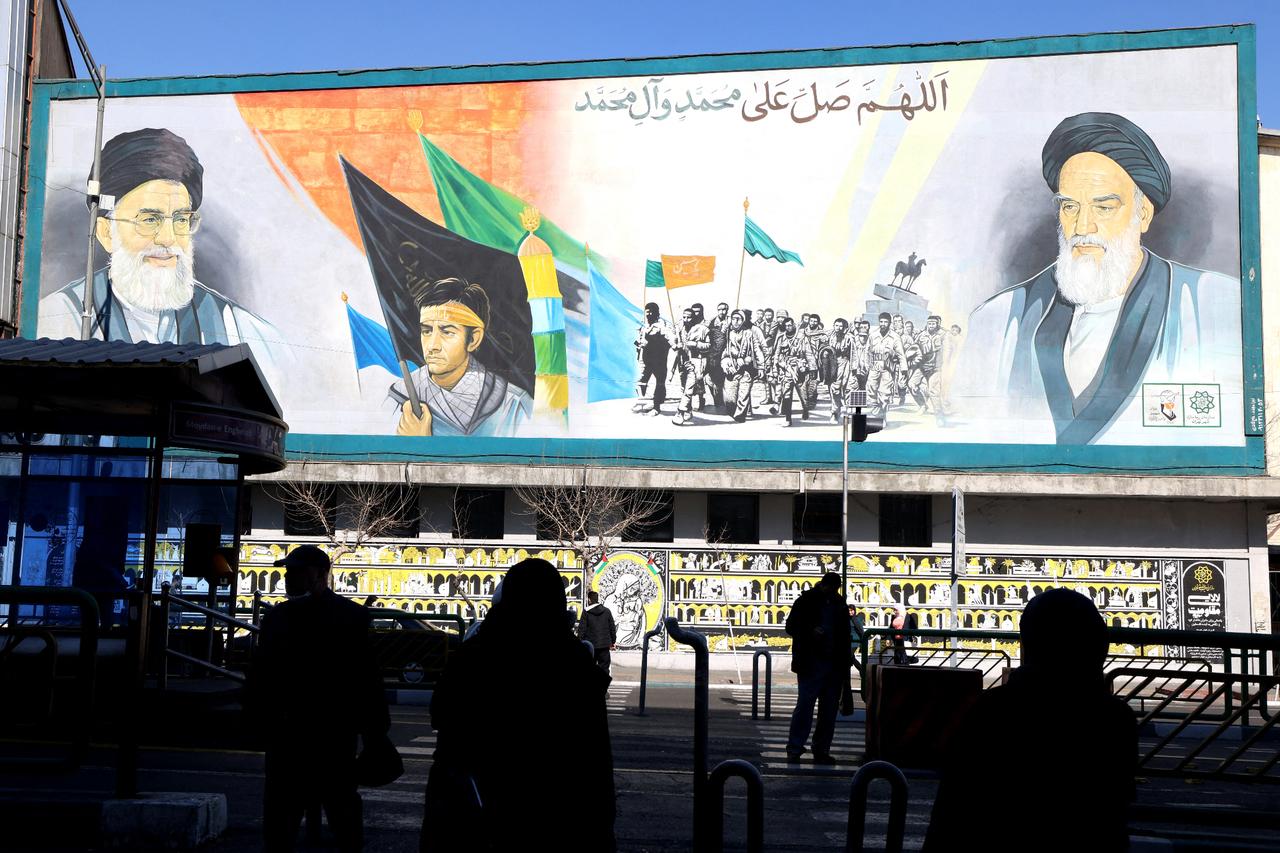
Even as diplomats work to narrow differences, Iran's supreme leader Ayatollah Ali Khamenei struck a defiant tone earlier this week, declaring that Trump would not succeed in destroying the Islamic Republic.
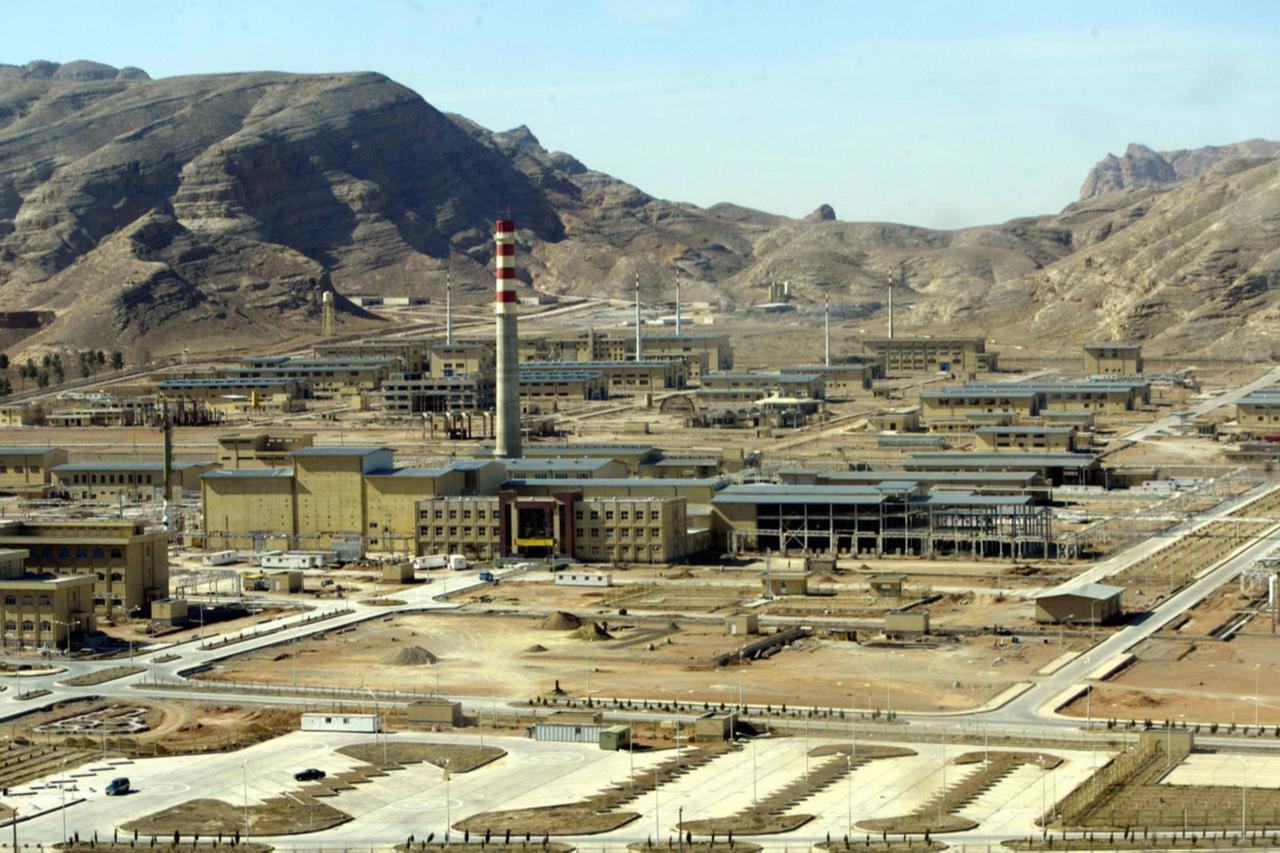
The nuclear dispute sits at the heart of the standoff. Western countries accuse Iran of seeking to acquire nuclear weapons, a charge Tehran denies while insisting on its right to uranium enrichment for civilian purposes under the Nuclear Non-Proliferation Treaty. Iran's nuclear infrastructure was significantly degraded after Israeli and US strikes hit key facilities at Natanz, Fordow and Isfahan in June last year.
For its part, Tehran is seeking relief from sweeping sanctions that have severely damaged its economy. The economic crisis played a central role in sparking the mass anti-government protests that erupted in late December and were met with a deadly crackdown in January, with rights groups estimating thousands killed.


 Set as preferred source
 Set as preferred source


 1 min read
 1 min read