Newsletters


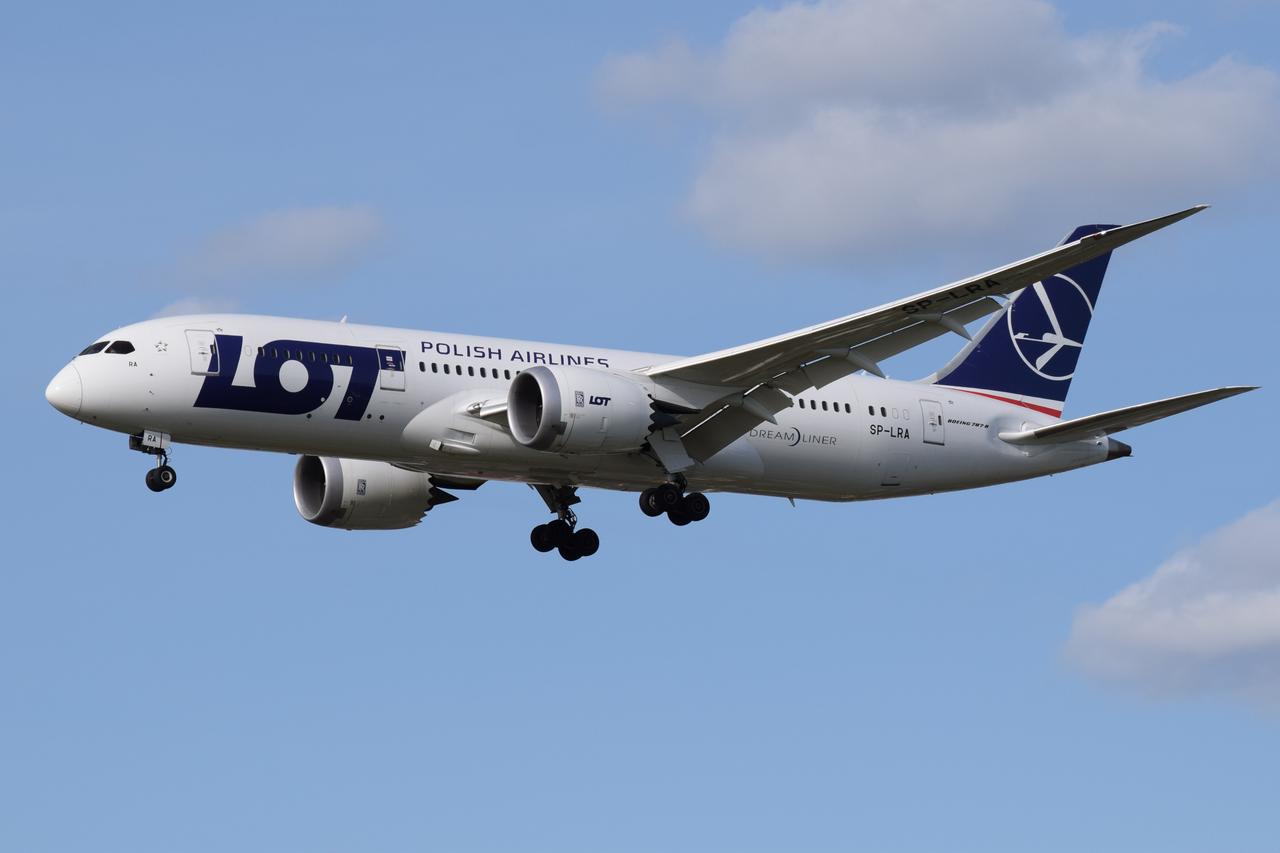


A LOT Polish Airlines flight from Warsaw to Tel Aviv triggered an international aviation security response on Tuesday after the aircraft transmitted the emergency hijacking code, prompting Türkiye to scramble fighter jets and escort the plane through its airspace before landing safely.
Türkiye's Transport and Infrastructure Ministry said the aircraft activated the 7500 transponder code, the universal signal for an aircraft hijacking, while still in Bulgarian airspace before crossing into Turkish airspace. The activation set off a chain of security protocols across two countries.
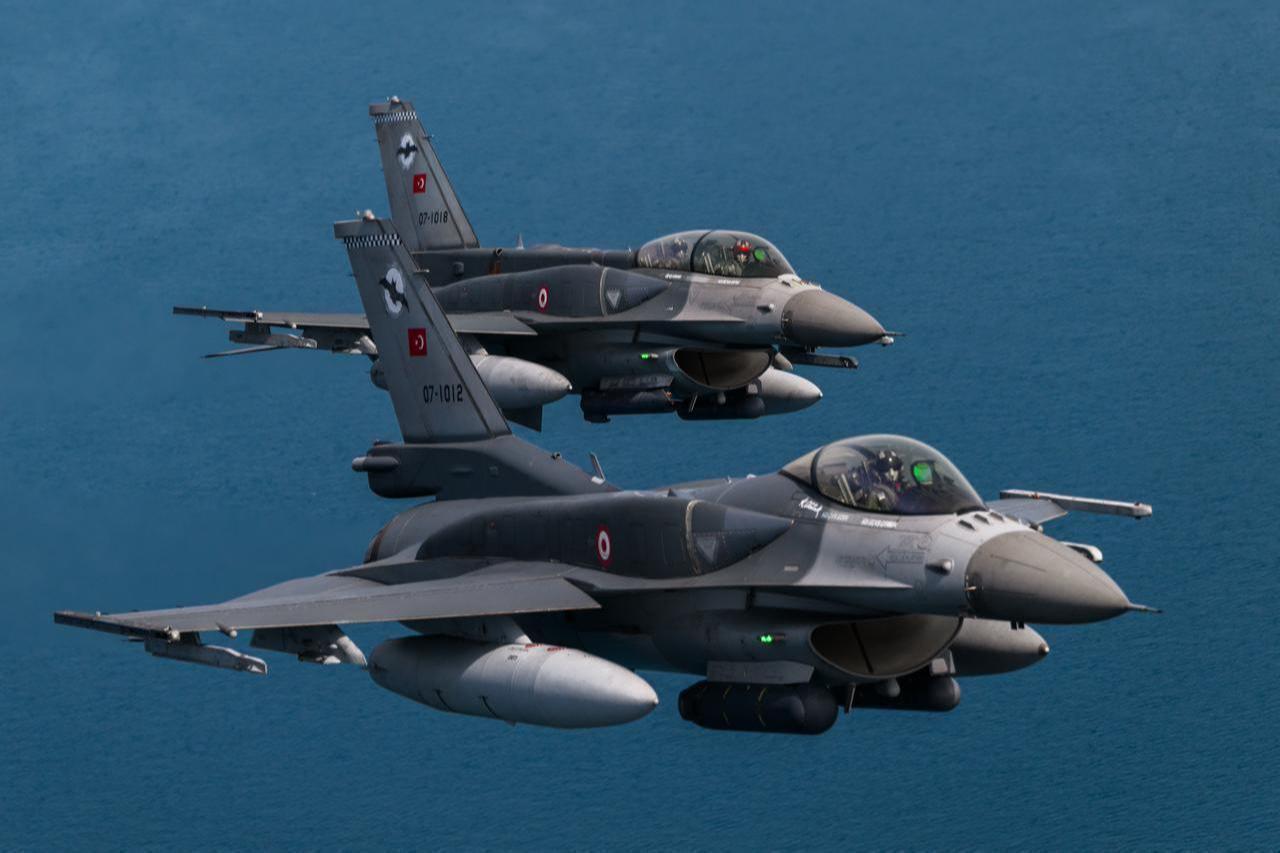

Despite the alarm, the flight crew reported no adverse situation on board. Turkish authorities nevertheless implemented full international aviation security procedures, dispatching two Turkish Air Force F-16 fighter jets to intercept and escort the aircraft from the moment it entered Turkish airspace until it exited.
Following coordination between Turkish and Bulgarian authorities, the aircraft was granted permission to divert to Burgas Airport on Bulgaria's Black Sea coast.
The F-16s continued their escort until the plane cleared Turkish airspace.
The aircraft landed safely at Burgas at 5:12 p.m. local time.
LOT Polish Airlines said in an initial statement that the incident stemmed from the pilot inadvertently transmitting the wrong transponder code, and confirmed there had been no actual hijacking.
Transponder code 7500 is one of three internationally recognized squawk codes used by pilots to silently signal emergencies, alongside 7600 for radio failure and 7700 for general emergencies. An accidental activation, while rare, can occur due to a data entry error in the cockpit.
The Transport and Infrastructure Ministry said it was closely monitoring the incident in coordination with relevant authorities. No injuries or security threats were reported, and the airline's initial account points to an inadvertent error rather than a security incident.


 Set as preferred source
 Set as preferred source



 3 min read