Newsletters


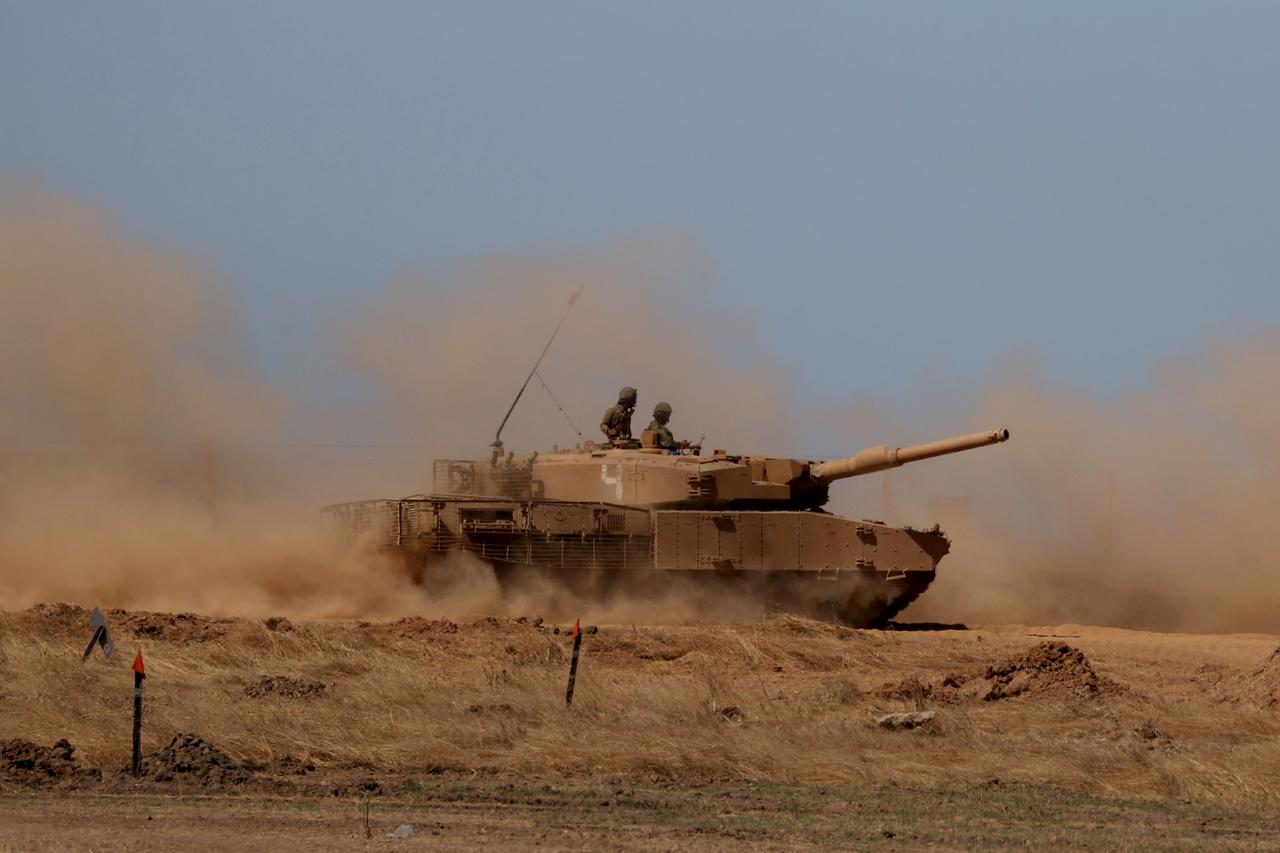


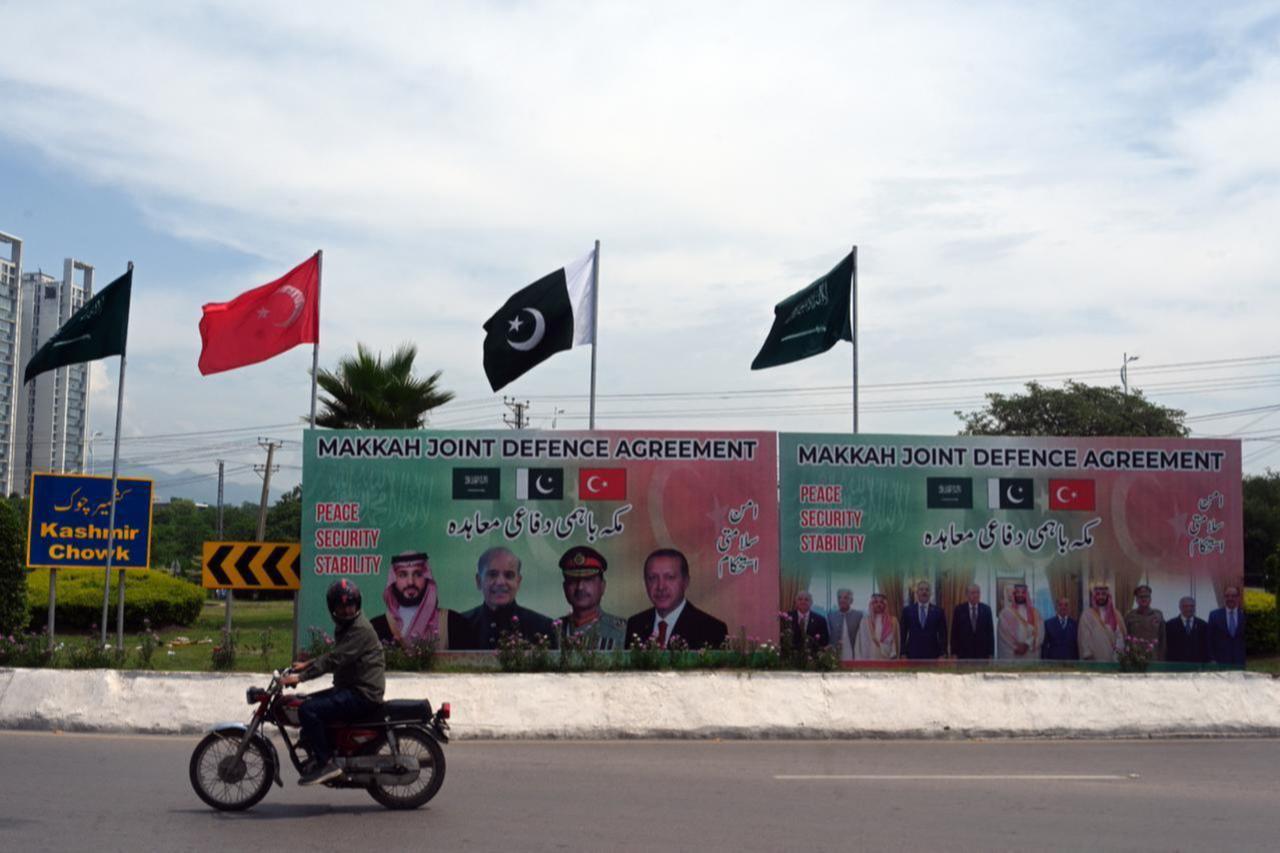
Türkiye will not send troops to Yemen to fight the Houthis, and any Turkish contribution under the Mecca Joint Defense Agreement (MJDA) will be defensive and limited to Saudi Arabia's territory, Hurriyet columnist Hande Firat reported, citing diplomatic and security sources in Ankara.
"Fighting in Yemen is one thing, defending Saudi Arabia is another," Firat wrote, adding, "In short, Türkiye will not be a party to the war; but it will be a party to deterrence."
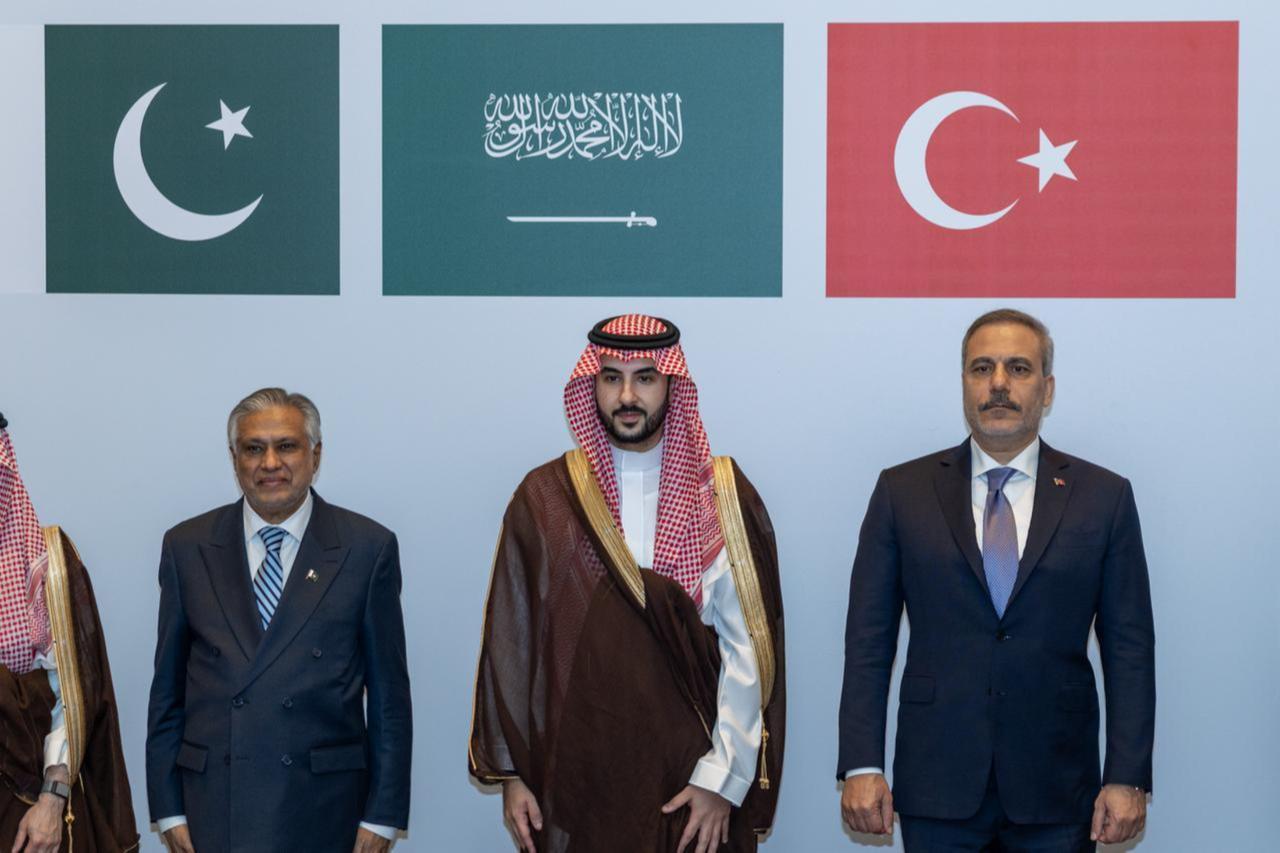
Türkiye, Saudi Arabia and Pakistan agreed on Monday to "rapid deployment" of military forces to the kingdom under the Mecca pact, as Saudi-backed Yemeni forces wage an offensive against the Iran-backed Houthis.
According to Turkish journalists' sources, Türkiye entering the war in Yemen or deploying a Turkish combat force on Yemeni territory is not on the table.
Turkish cooperation is expected in intelligence, early warning, air defense, technical support, drones, training and advisory roles.
Türkiye's role would come in two rings, the report said: first, intelligence, training, early warning, defense industry and technical support; second, logistics, maritime security and joint military planning.
Saudi Arabia handed Türkiye and Pakistan a list of its needs at the latest meeting, and technical committees are working on it, with ministers expected to meet again in about a month, Firat reported.
"The political decision has now been made," she wrote.
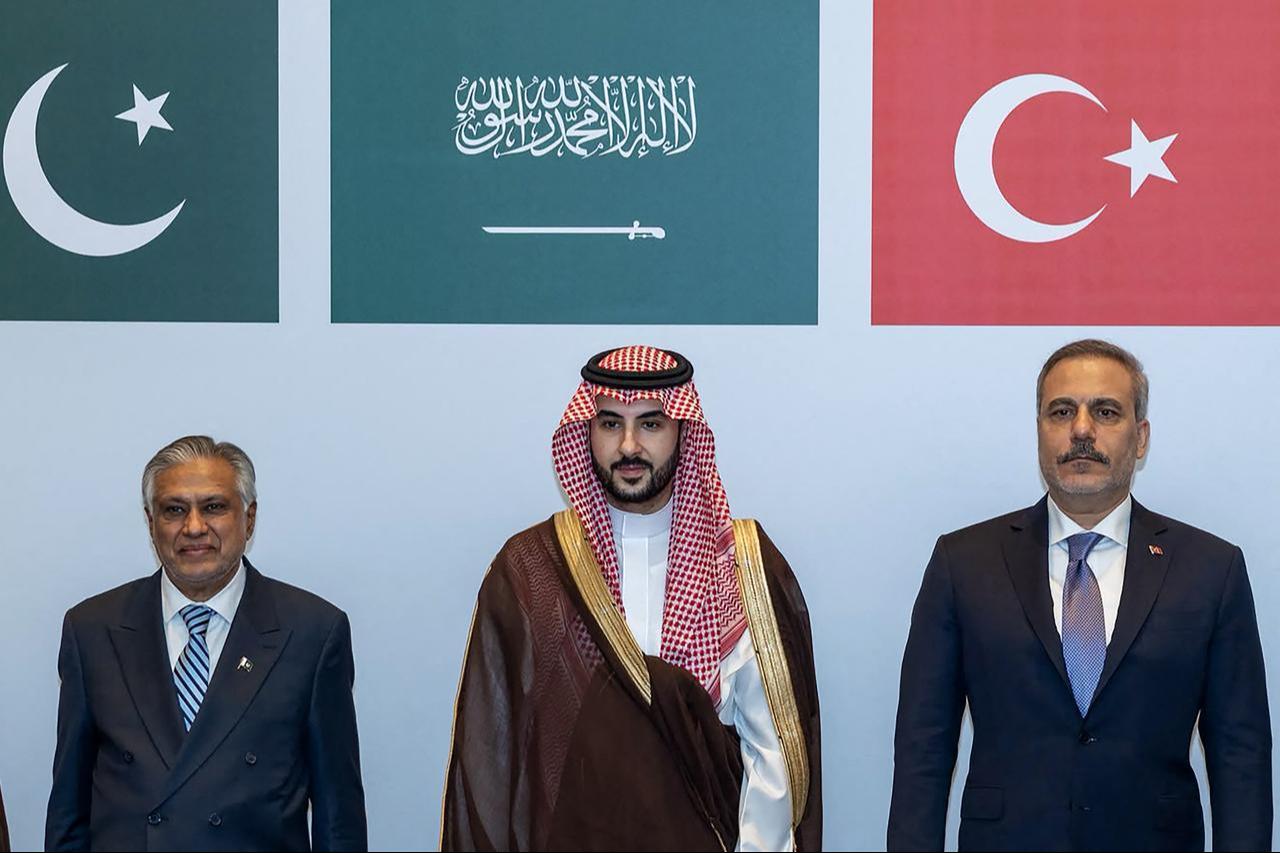

The three countries are building a smaller-scale collective defense and deterrence mechanism that draws on NATO's working methods, a "Little NATO," Firat wrote.
A threat to one country would be treated as a common security issue.
A joint headquarters with military and civilian personnel from the three countries will be set up in Riyadh, with the aim of eventually creating a joint command and coordination mechanism, according to the report.
Türkiye's decades of NATO experience in planning, joint operations and command and control are seen as a key contribution.
Türkiye's ruling Justice and Development Party (AK Party) spokesman Omer Celik said Wednesday the agreement would be submitted to parliament for ratification within days, saying, "The agreement will go to parliament within these few days, and the process will be concluded with the decision of the esteemed parliament."
"This has no function whatsoever as an alternative to NATO, of which we are a member, or to other places," Celik said, describing a "complementary role" in preserving regional and global peace.
After ratification, a parliamentary mandate would be needed to send Turkish military personnel to Saudi Arabia for training and deterrence purposes, not to fight the Houthis.
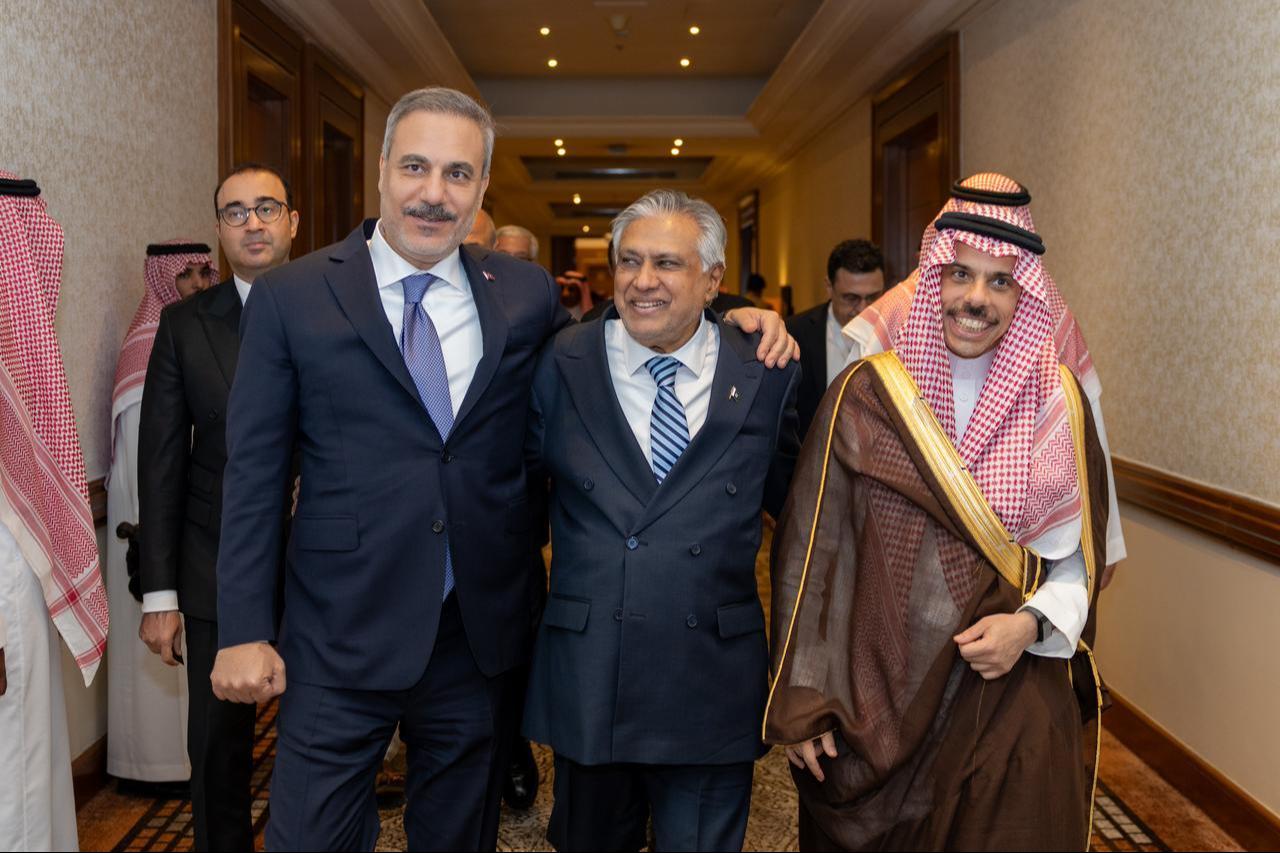
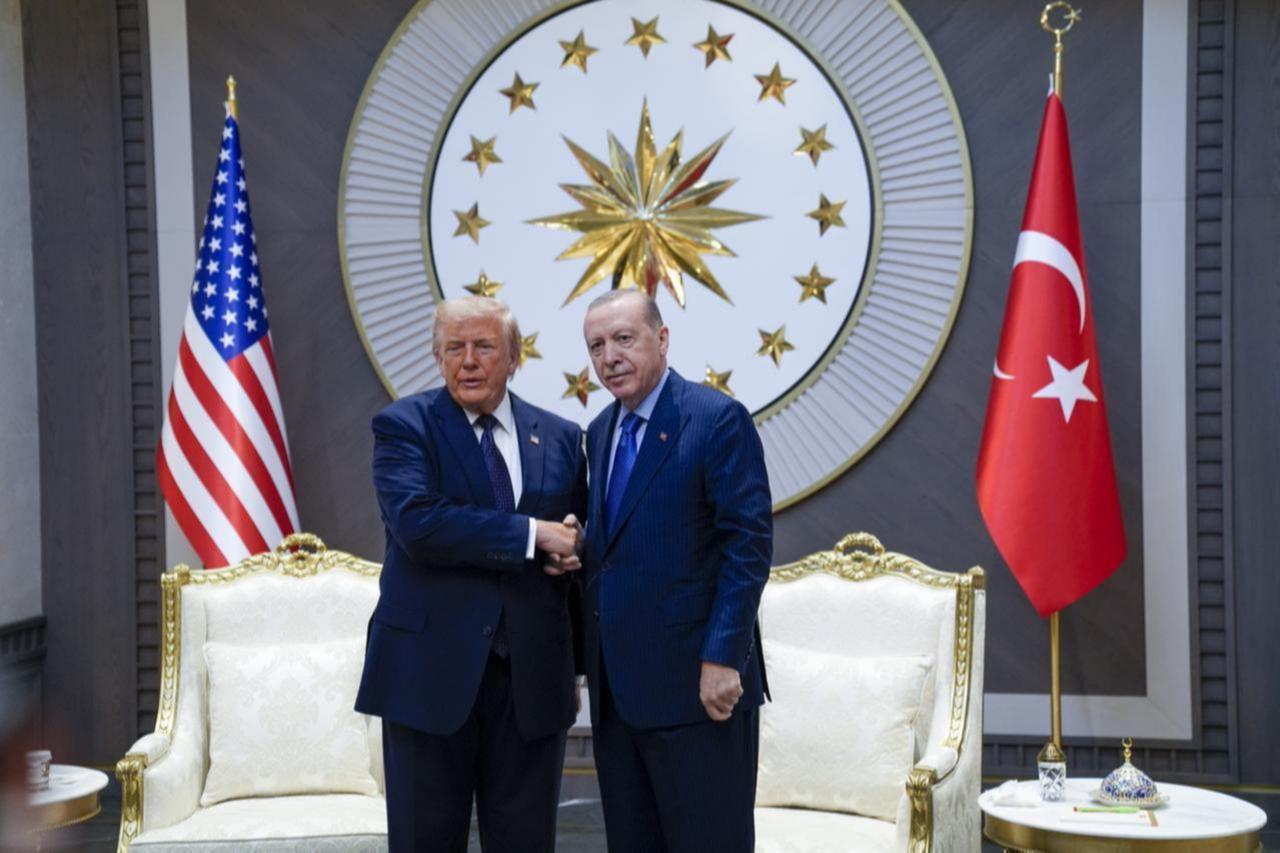
U.S. President Donald Trump welcomed the decision by Türkiye and Pakistan to provide military support to Saudi Arabia.
"I think they want to help Saudi Arabia, and I think that's great," he told reporters Wednesday.
At Monday's emergency meeting in Riyadh, the three countries also appointed retired Pakistani Lt. Gen. Nauman Mahmood as the alliance's first secretary-general for a three-year term and affirmed that "the security of each Party is an integral part of the collective security of the three countries."
According to Firat's sources, the three countries have told Iran the alliance is not directed against it.
"The aim is not to create an enemy, but to raise the cost of an attack," she wrote.
Joint exercises could follow once legal processes are completed, and while several countries have shown interest in joining, the founders are in no rush to expand, the report said.
Firat summed up Ankara's strategy: "To be strong at the table. To be deterrent in the field. But not to be drawn into someone else's war," as Türkiye defines its role under the Mecca pact.


 Set as preferred source
 Set as preferred source


 1 min read
 1 min read