Newsletters


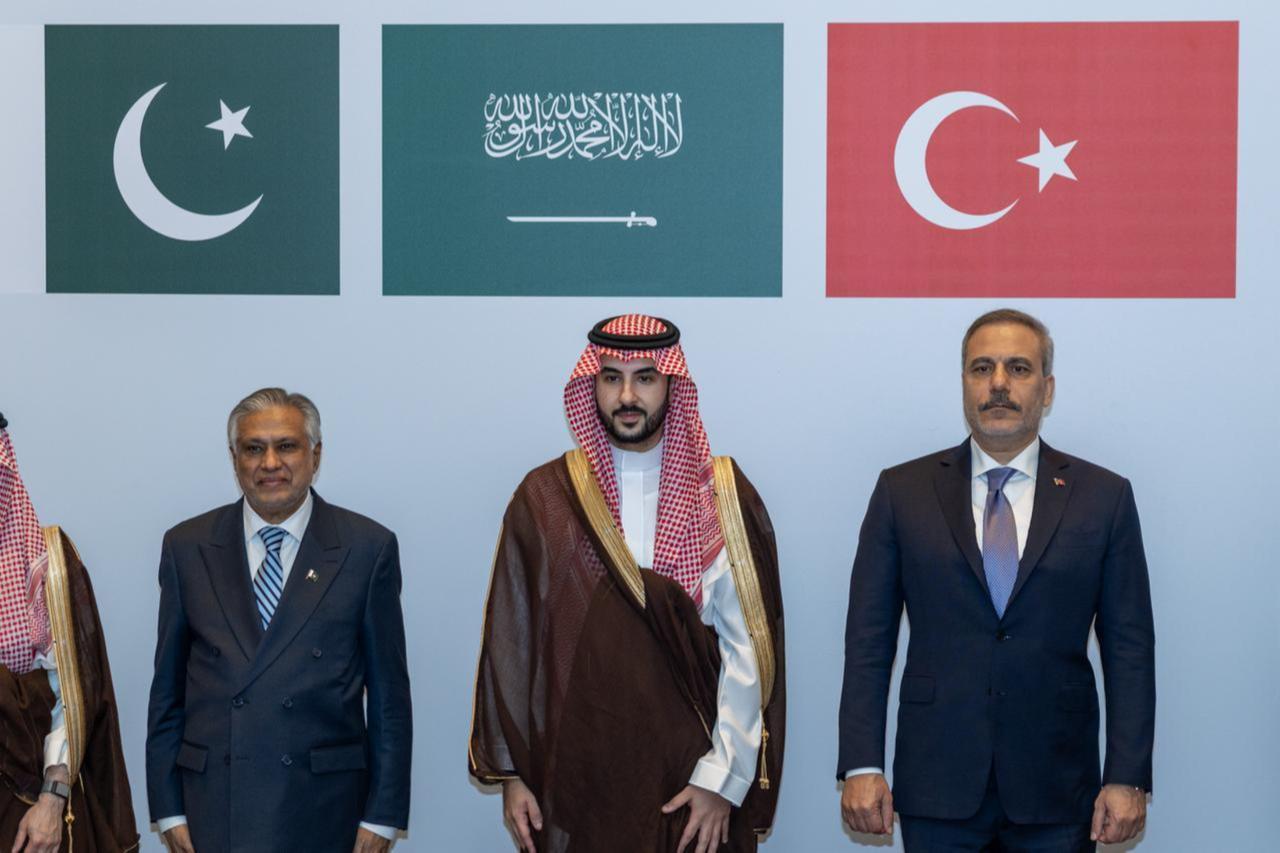


The collective-defense pact binding Türkiye, Saudi Arabia and Pakistan is expected to reach the Turkish parliament for ratification within days, a spokesman for the ruling AK Party said Wednesday, as the three countries moved in recent days to begin deploying forces under the agreement in response to escalating attacks on Saudi Arabia.
Omer Celik, spokesman for President Tayyip Erdogan's AK Party, told reporters that preparatory work by the Interior Ministry had "matured" the process and that the deal would "naturally" be submitted to the Grand National Assembly.
"It is a matter of it coming to parliament within a few days," he said, describing the steps taken so far as "ordinary procedures" and rejecting what he called a campaign suggesting wrongdoing or that information was being concealed.
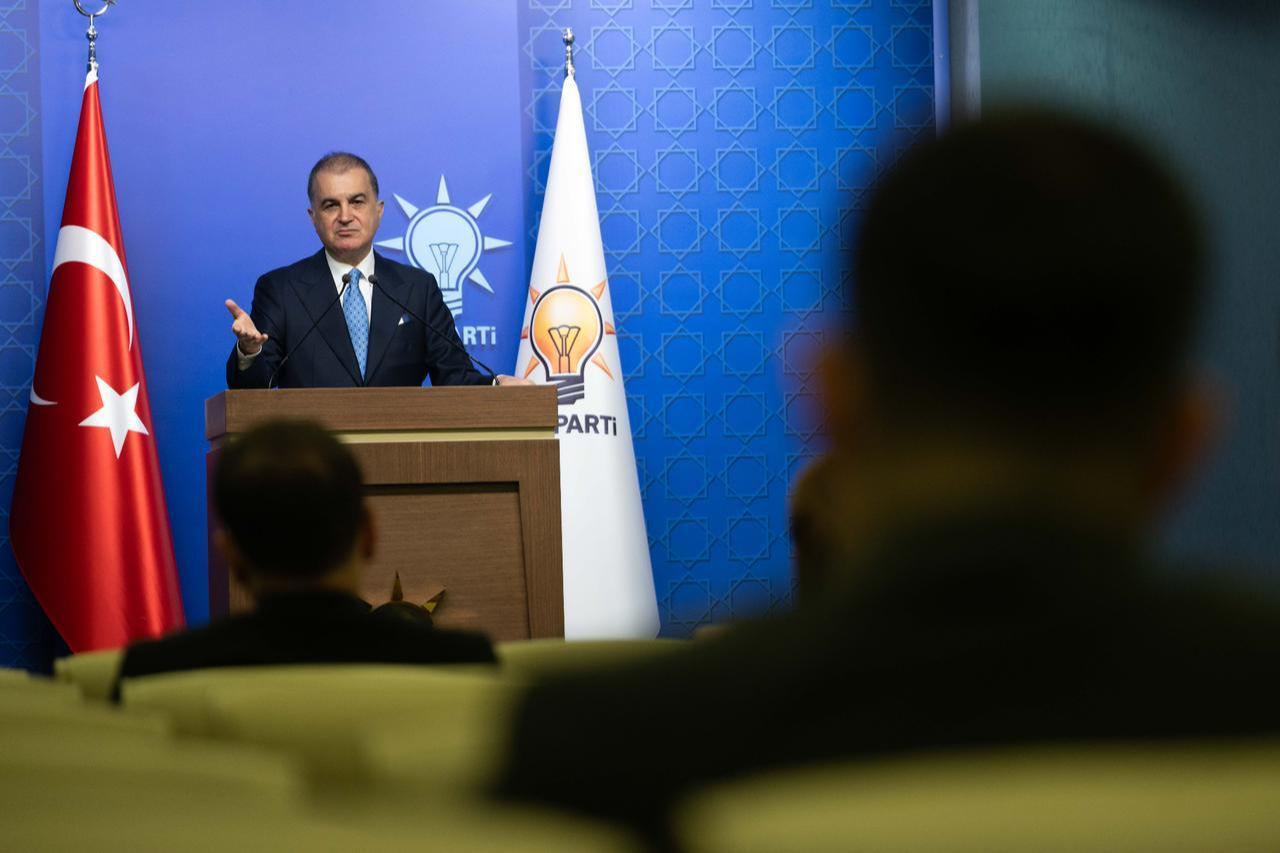

Celik said a "declaration of intent" had already been made and that the mechanism underpinning the alliance "is working" and has been "matured" ahead of the parliamentary filing, which he said would set out the framework of what lawmakers are being asked to approve.
He predicted the matter "will be concluded within a few days, at the discretion of the honorable parliament."
He characterized the pact as regional in scope rather than a substitute for Türkiye's existing alliances, saying it "is not an alternative to the other countries with which we are allied" and instead serves a "complementary function" to the roles Türkiye has taken on globally and regionally.
He added that the pact's legal standing would be established once the parliamentary process concludes and that it remains open to additional members over time.
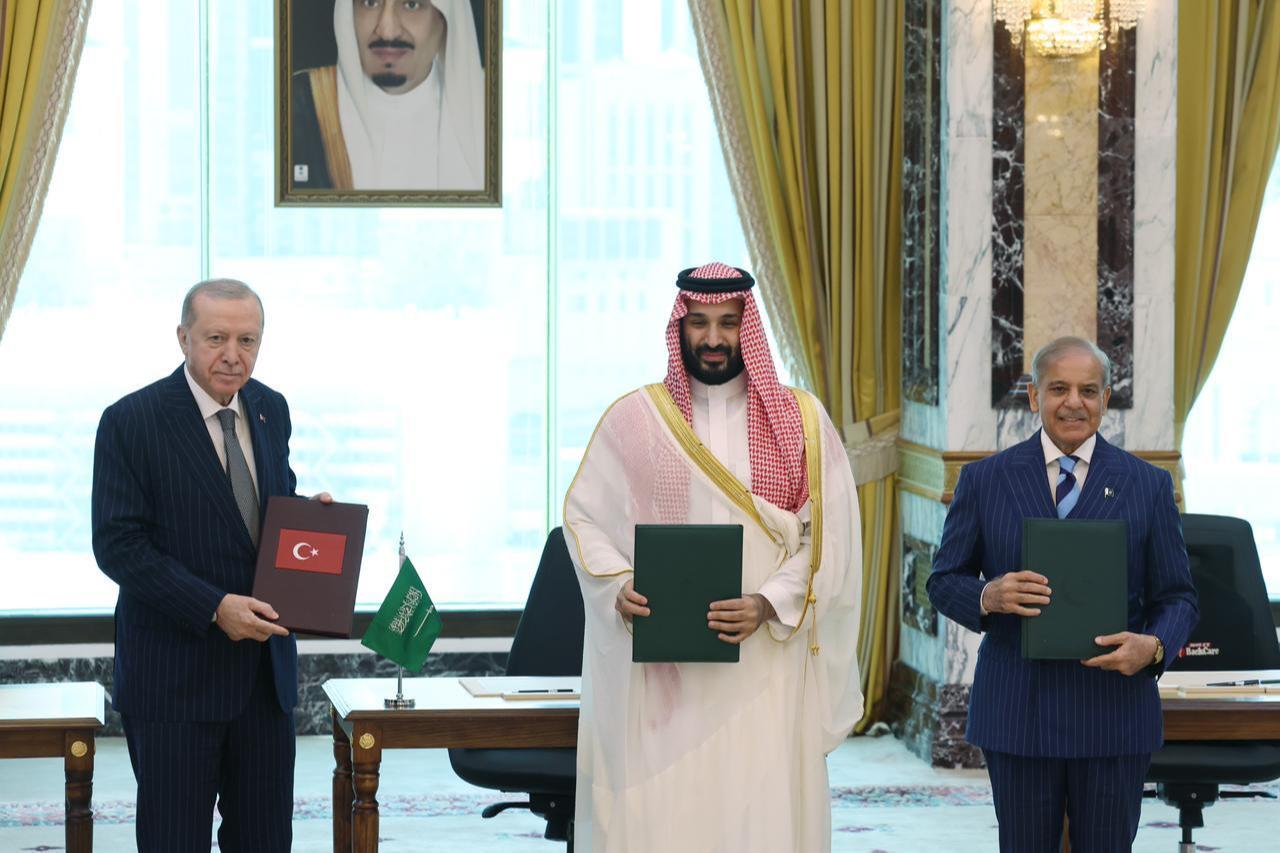
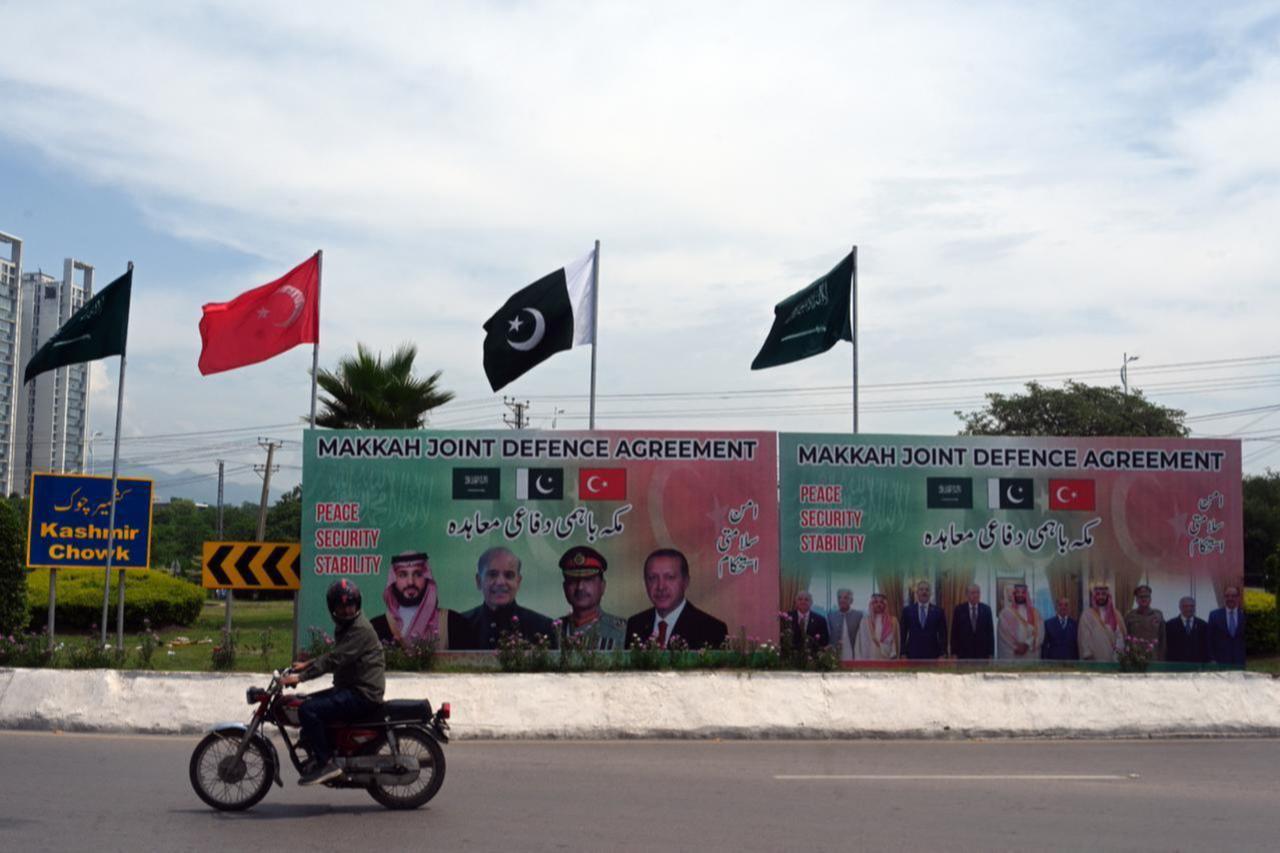
The Mecca Joint Defense Agreement was signed Aug. 7 in Mecca by Erdogan, Saudi Crown Prince and Prime Minister Mohammed bin Salman, and Pakistani Prime Minister Shehbaz Sharif, establishing a mutual-defense framework under which an armed attack against any one of the three countries is considered an attack against all.
It followed a separate Strategic Mutual Defense Agreement Pakistan and Saudi Arabia signed in September 2025. The alliance's institutional structure, including a Saudi-based secretariat initially led by Pakistan, was set up at the group's first strategic meeting, held in Istanbul on Aug. 31.
Under Turkish constitutional procedure, an international agreement must be approved by parliament before it takes domestic legal effect, and a separate parliamentary mandate is required before Turkish forces can be deployed abroad.
Parliament has not yet ratified the pact, and officials say the scope of Türkiye's support is expected to expand once ratification occurs. Pakistani officials have said more than six countries have expressed interest in joining the alliance.
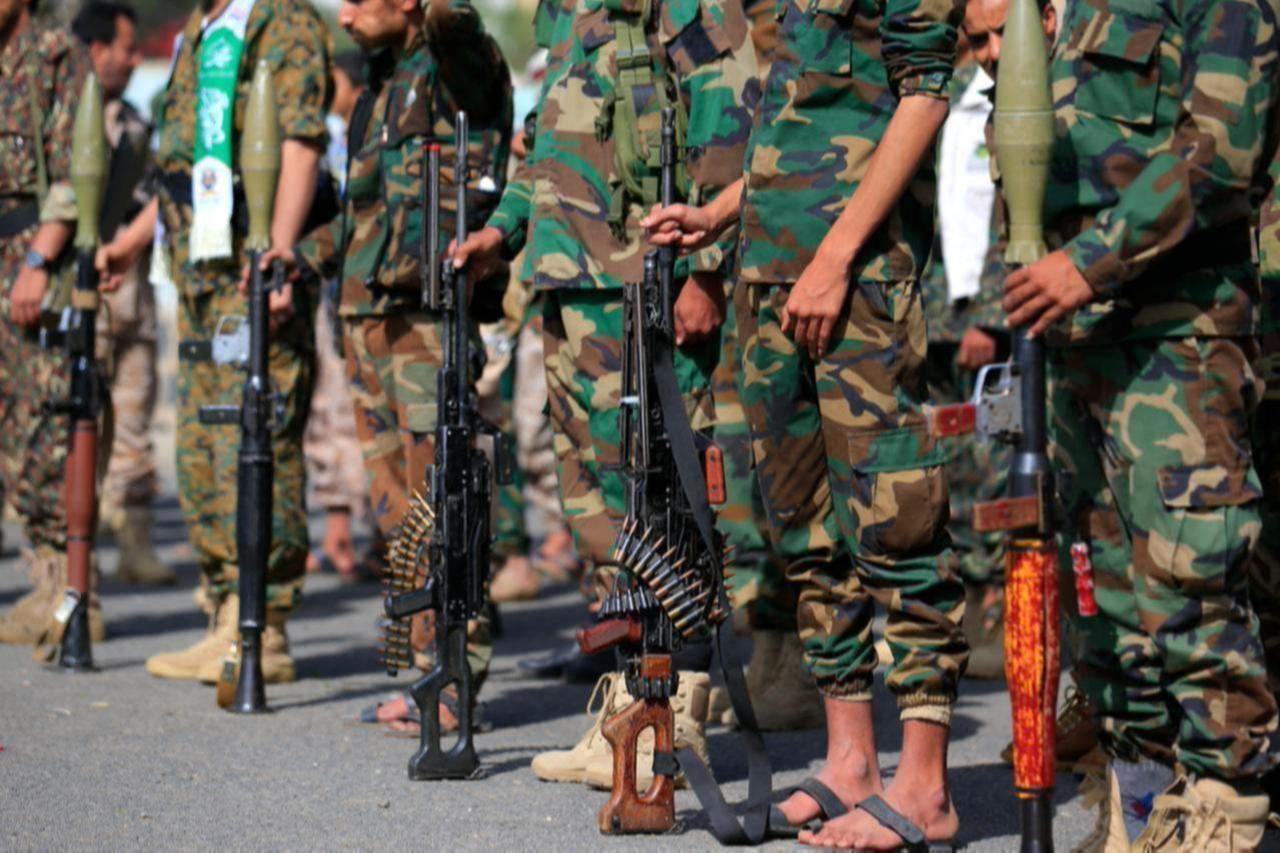
The push toward ratification follows an emergency session of the alliance's Strategic Political and Defense Committee, held Monday in Riyadh in response to recent attacks on Saudi territory.
In a joint statement issued afterward, the three countries said they had decided to move immediately on their collective-defense commitments, directing that agreed military forces and capabilities be made available to Saudi Arabia and deployed rapidly, in line with arrangements the countries had previously approved and consistent with each country's national legislation.
The statement condemned what it called an attempted targeting of Mecca and Madinah, Islam's two holiest cities, along with continuing attacks on Saudi cities and on civilian and economic facilities in the kingdom, and reaffirmed what it termed an unequivocal rejection of any attack or threat against Saudi Arabia's security and territorial integrity.
Pakistan and Türkiye separately praised the readiness and professionalism of the Saudi armed forces. The committee also appointed retired Lt. Gen. Nauman Mahmood of Pakistan as the alliance's first secretary-general, for a three-year term.
Foreign Minister Hakan Fidan said the Riyadh session, originally planned to advance the alliance's institutionalization, had been moved up because of developments in the Yemen-Saudi Arabia situation, and that institutionalization work had "come to an end."
He said Defense Minister Yasar Guler and Chief of General Staff Gen. Selcuk Bayraktaroglu had presented assessments on military, operational and technical issues, calling the talks "a productive day."
 1 min read
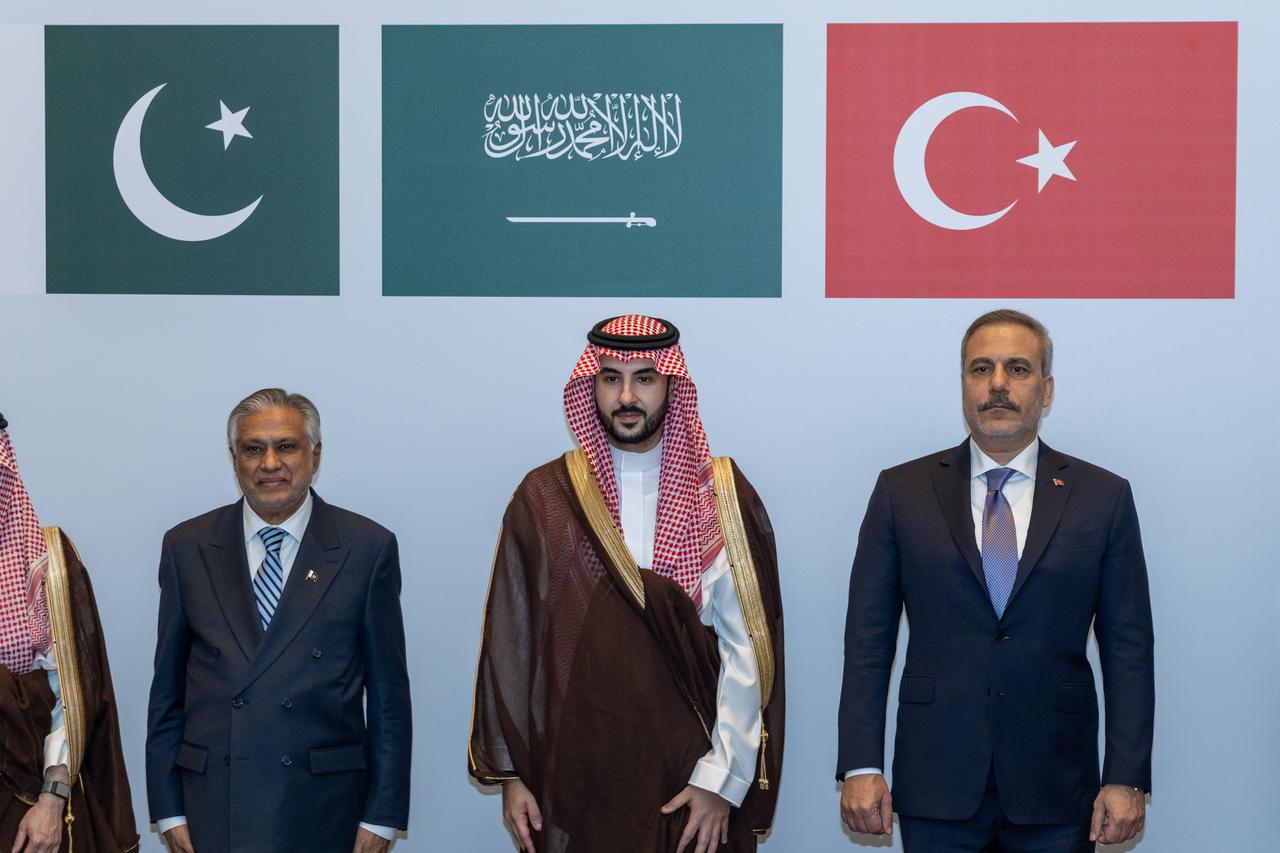
Türkiye, which has NATO's second-largest army and a sizable defense industry, has condemned the Houthi attacks on Saudi Arabia, voiced willingness to help meet Riyadh's technical military needs, and agreed to join a Saudi-led coalition to secure Red Sea shipping lanes.
A Turkish official speaking to Reuters said the assistance extended to Saudi Arabia so far has consisted of military equipment, intelligence-sharing and weapons systems, and that no other form of deployment has taken place under the alliance.
A U.S. official briefed on the matter said to Reuters that Türkiye's contribution has been broadly defensive, including strategic-planning support, logistics assistance, drone operators, help fine-tuning Saudi Arabia's defensive measures, and intelligence, surveillance and reconnaissance support.
Officials said such support, including air-defense systems, is being handled largely on a bilateral basis for now, since parliament has not yet ratified the joint pact, and that the amount and nature of support would increase after ratification.
Pakistani and regional officials said Ankara and Islamabad have supplied Saudi Arabia with military equipment the kingdom is using in Yemen.


 Set as preferred source
 Set as preferred source


 1 min read