Newsletters


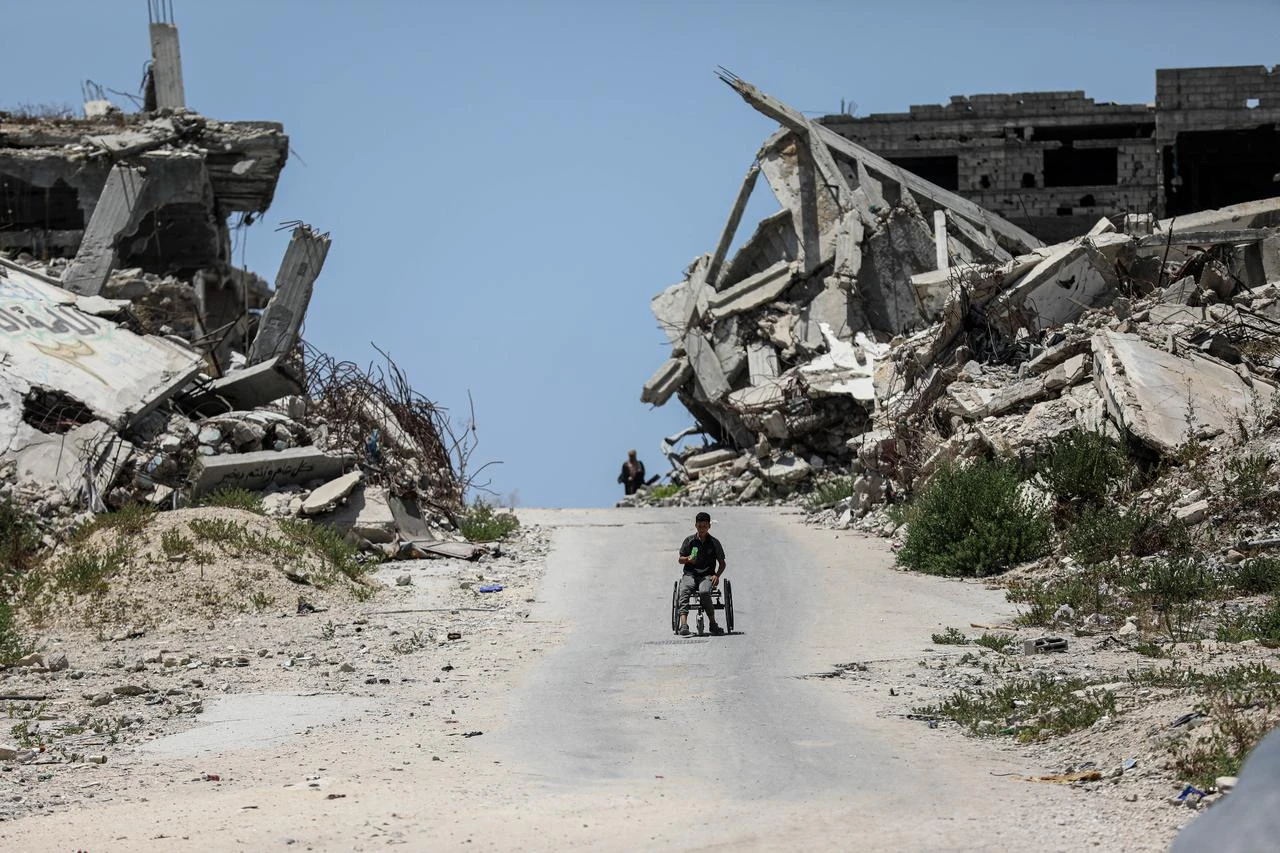


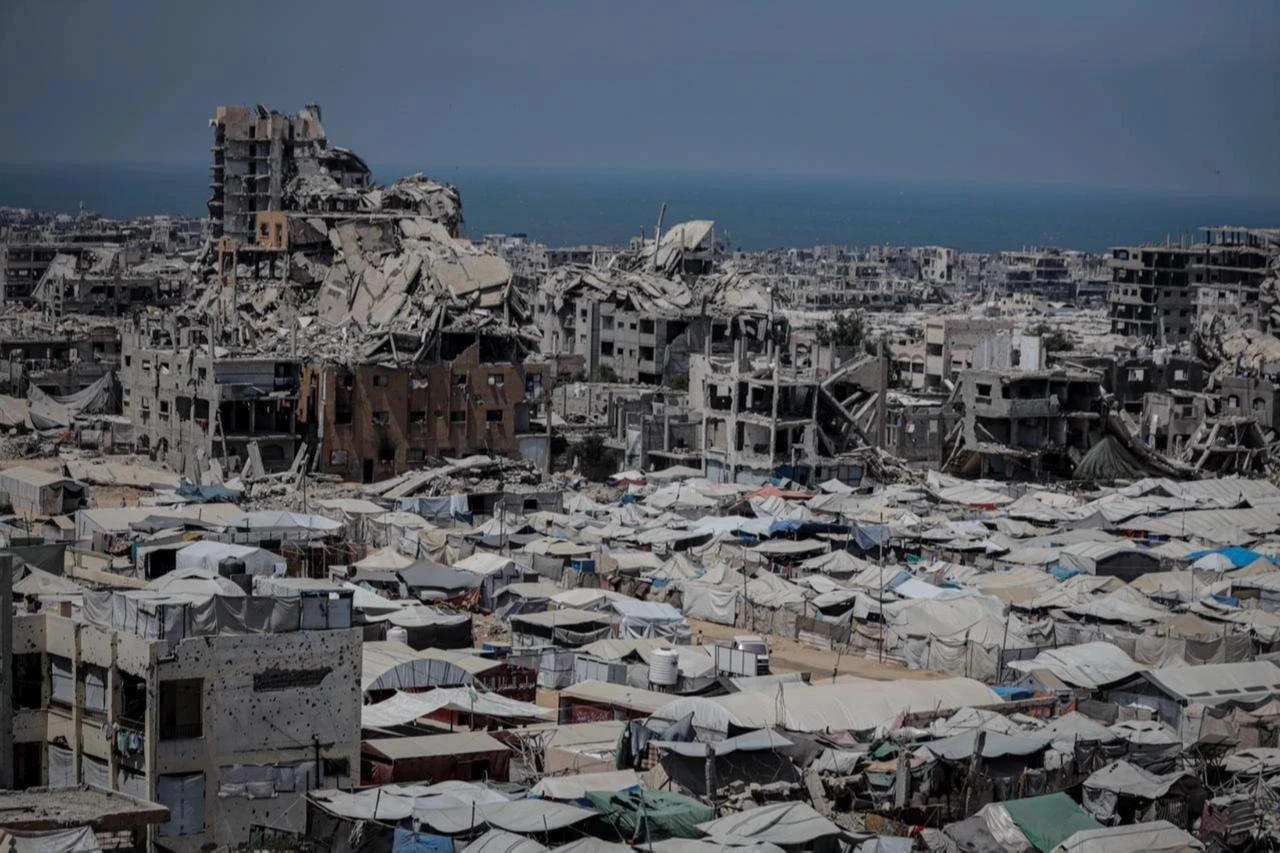
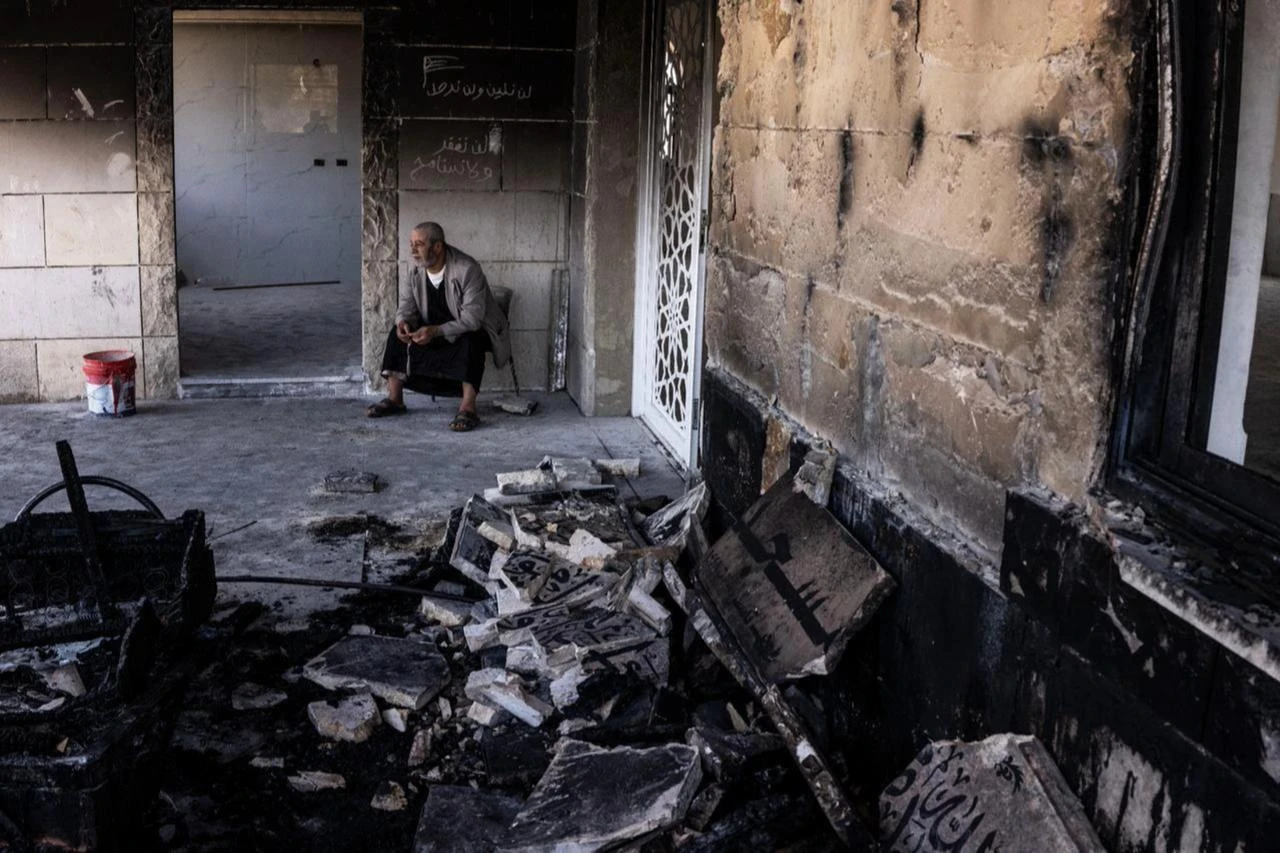
Türkiye and seven other countries on Thursday condemned "in the strongest terms" Israel's attacks on health care facilities, medical infrastructure and civilian sites in the Gaza Strip, saying the strikes violate international law and jeopardize efforts to advance a Gaza peace plan.
In a joint statement, the foreign ministers of Türkiye, Egypt, Indonesia, Jordan, Pakistan, Qatar, Saudi Arabia, and the United Arab Emirates (UAE) denounced Israel's continued violations in Gaza, including attacks that have caused civilian casualties, particularly among women and children.
The ministers said the attacks constitute a "clear breach" of international law and the Comprehensive Plan to End the Gaza Conflict.
They warned that the violations undermine efforts to implement the plan's second phase after U.S. President Donald Trump announced that Palestinian factions had accepted its roadmap.
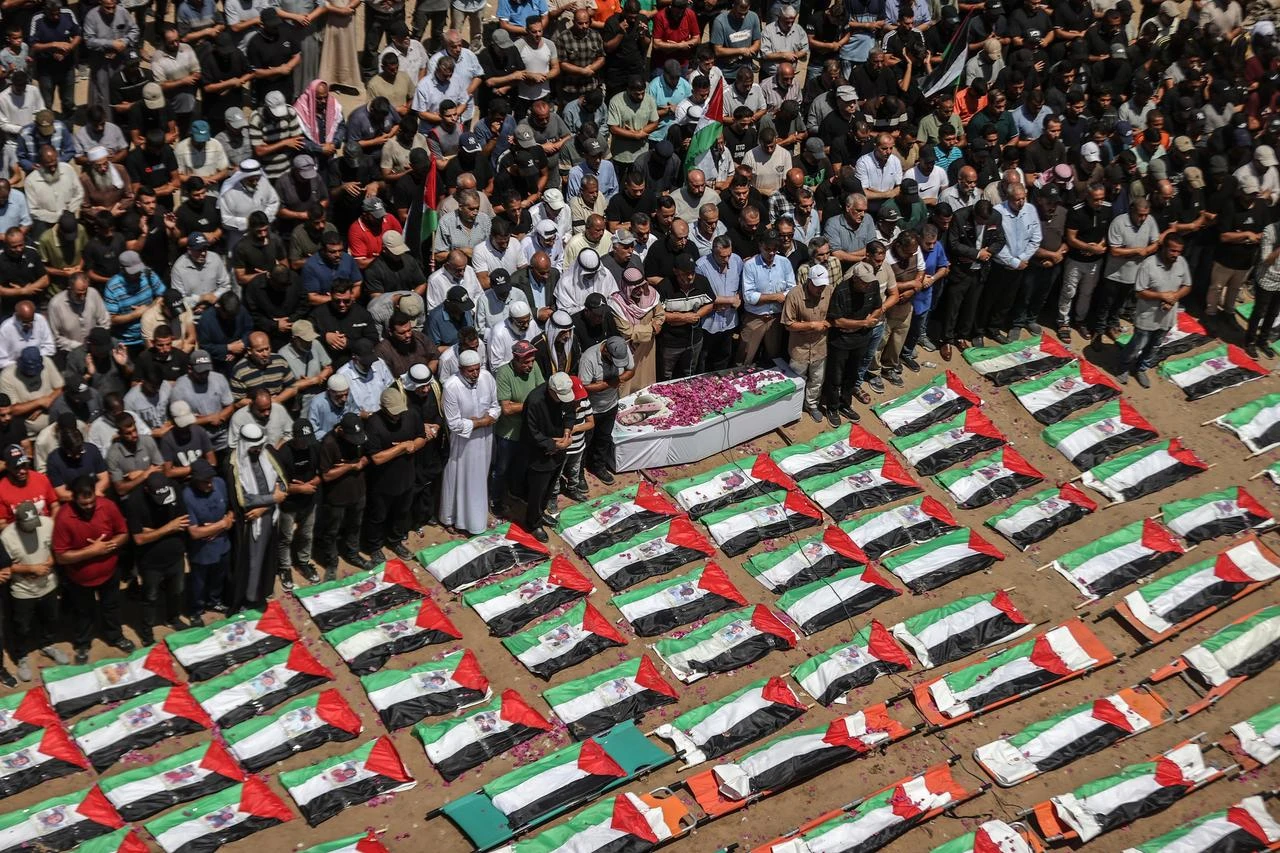

The ministers stressed that protecting civilians and medical facilities and ensuring the safe, unhindered delivery of humanitarian aid across Gaza are legal obligations under international law.
They linked the situation in Gaza to settler attacks in the occupied West Bank, the expansion of illegal Israeli settlements, and unilateral measures aimed at changing the status quo in occupied East Jerusalem.
"Taken together, these practices constitute a systematic policy aimed at imposing a fait accompli by force, undermining the foundations of the two-state solution, and marginalizing the legitimate rights of the Palestinian people, in flagrant violation of international law and the relevant U.N. resolutions," the statement said.
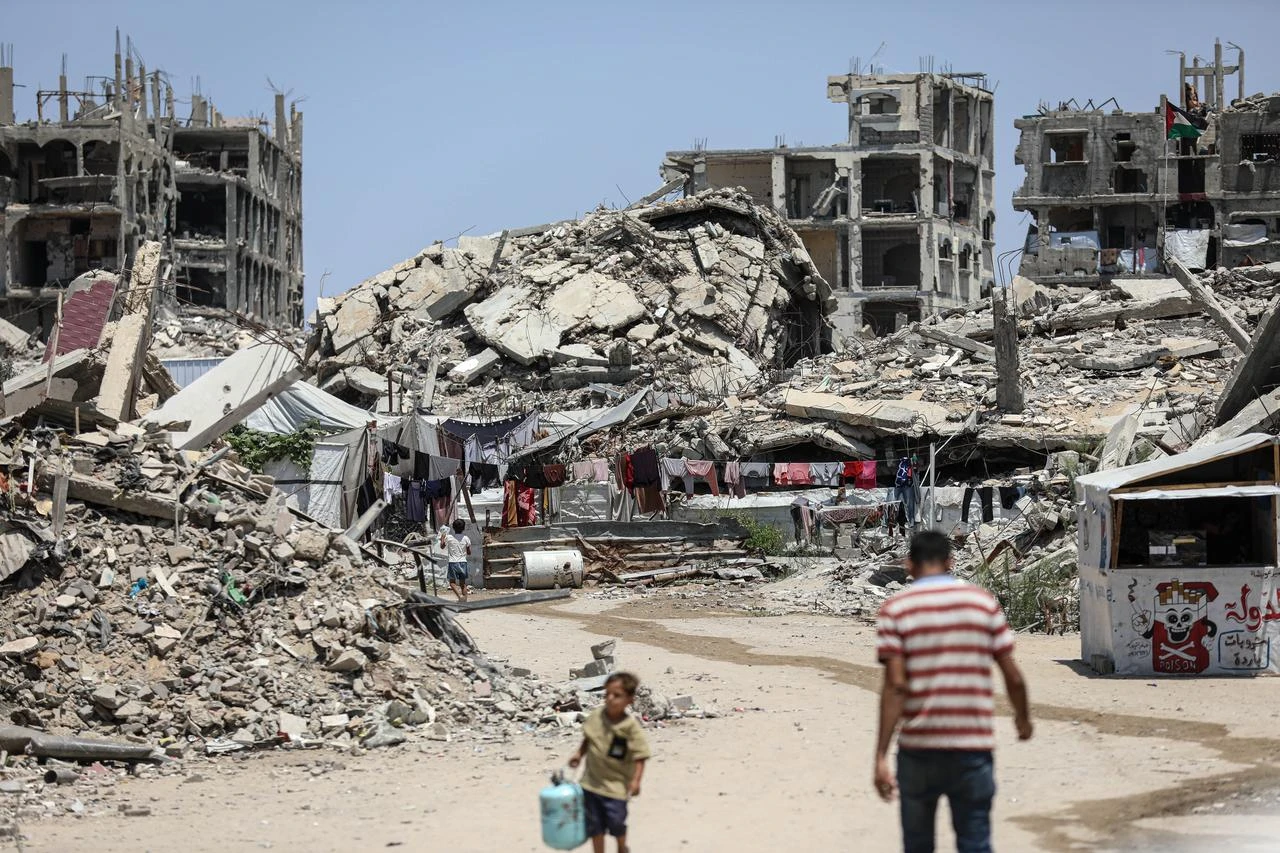
The ministers called on the international community, particularly the United Nations Security Council, to assume its legal and moral responsibilities.
They urged effective measures to ensure Israel complies with its obligations under international law, including international humanitarian law and U.N. Security Council Resolution 2803.
They also called for those responsible for serious violations to be held accountable.
The ministers said such measures would help protect civilians and achieve a permanent ceasefire.
The ministers rejected any attempts to annex the occupied Palestinian territory or forcibly displace Palestinians.
They reaffirmed that lasting peace requires a two-state solution based on the 1967 borders, with East Jerusalem as the capital of a future Palestinian state.


 Set as preferred source
 Set as preferred source


 1 min read
 1 min read