Newsletters


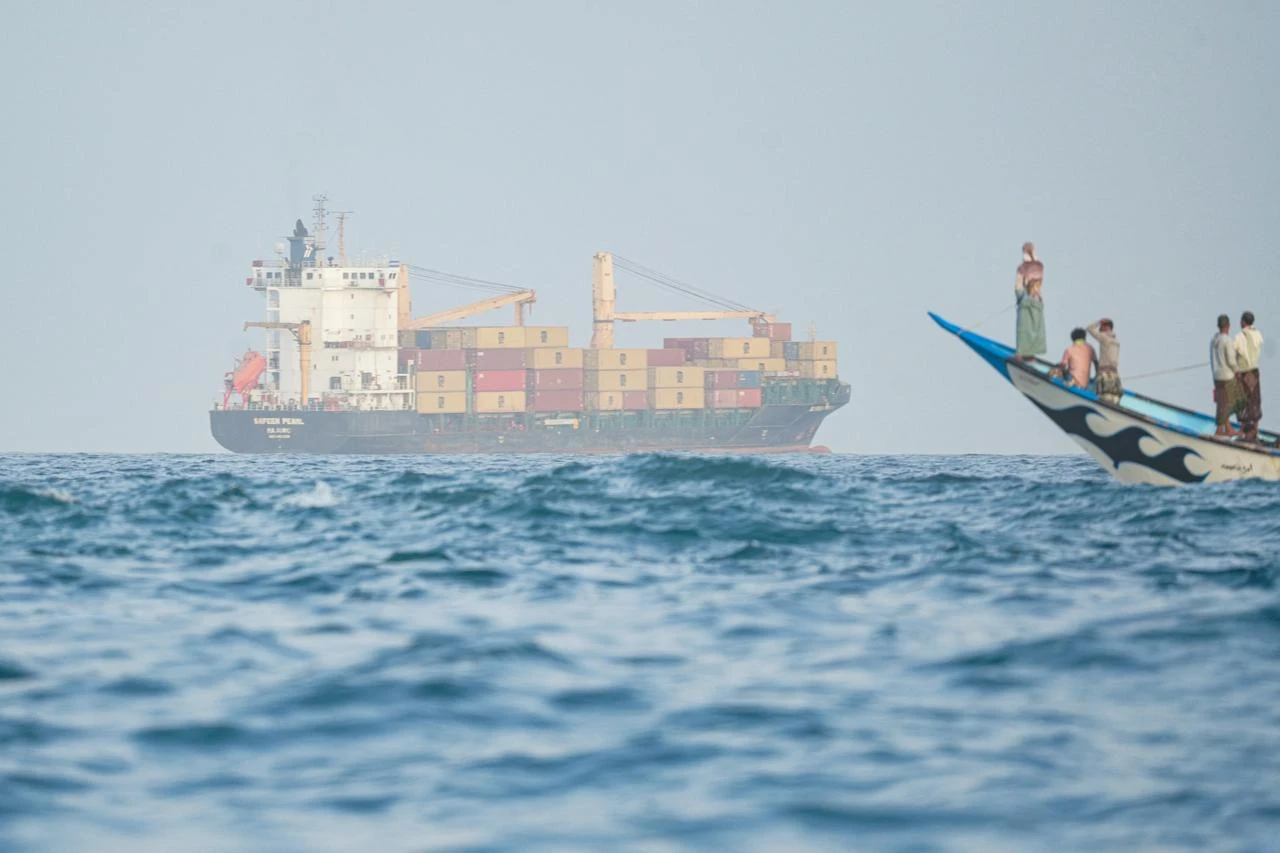
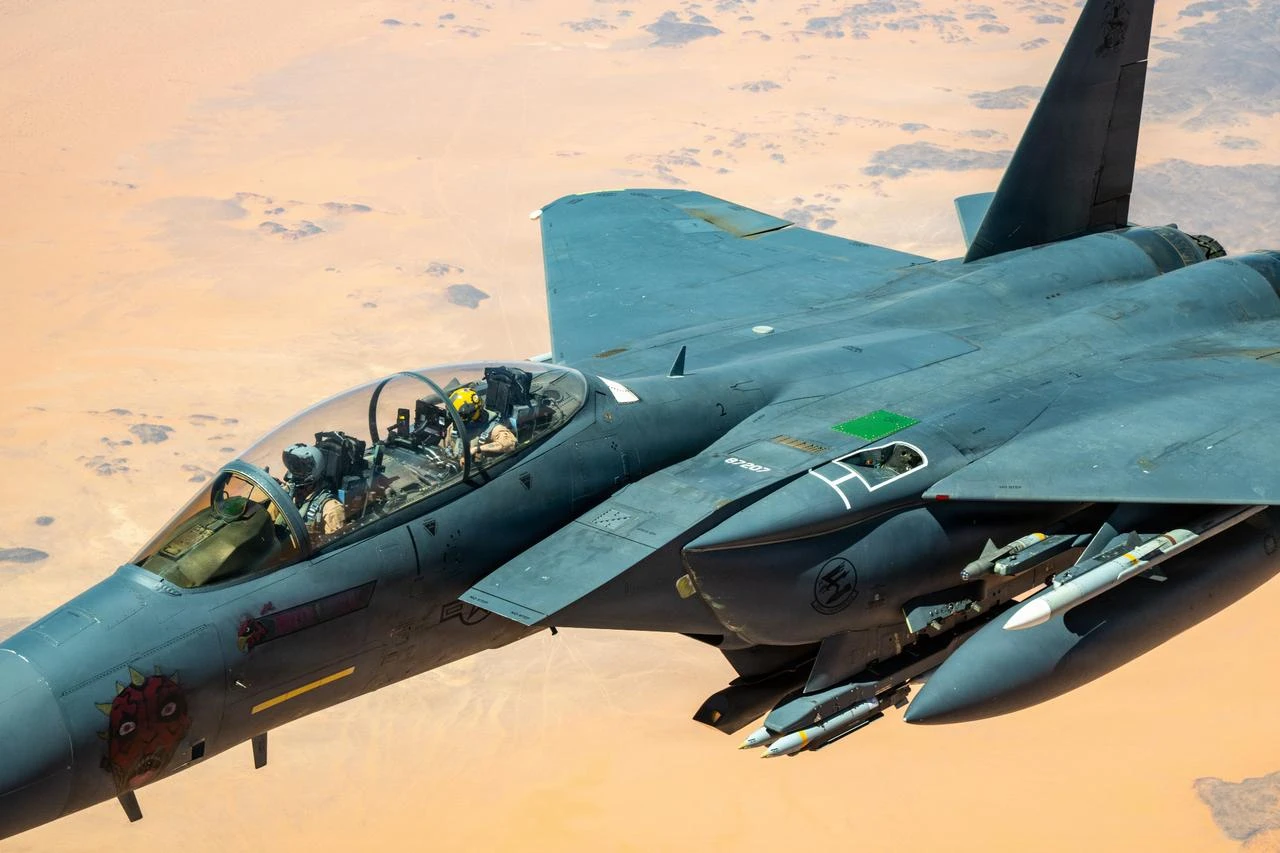
Saudi Arabia and 13 other countries, including Türkiye, announced Thursday the creation of a multinational maritime defense coalition aimed at protecting shipping and energy supply routes through the Bab el-Mandeb Strait, the Red Sea and the Gulf of Aden, as Yemen's Houthi movement continues to threaten Saudi-linked commercial vessels.
The announcement came in a joint statement issued at the conclusion of an international meeting hosted by Riyadh, attended by chiefs of staff and representatives from 43 countries, as well as a delegation from the European Union, to discuss enhancing the security of international maritime routes.
According to the Saudi Defense Ministry, 14 countries—Saudi Arabia, Türkiye, Kuwait, Bahrain, Qatar, Jordan, Egypt, Pakistan, Djibouti, Somalia, Bangladesh, Yemen, and the Comoros—issued the joint statement backing the coalition's creation.
According to the official statement by the Saudi Ministry of Defense, the coalition is established by the founding governments meeting in Riyadh, reaffirming their commitment to the purposes and principles of the U.N. Charter and international law.
The statement said the founding states recognized growing global maritime security challenges requiring collective defense cooperation to protect freedom of navigation, international trade routes, and global energy supply lines through the Bab el-Mandeb, the Red Sea, and the Gulf of Aden.
It said the states affirmed that maritime security is a shared responsibility, and that cooperation and coordination among them form the essential foundation for confronting shared, cross-border maritime threats in ways that contribute to global security, stability and prosperity.
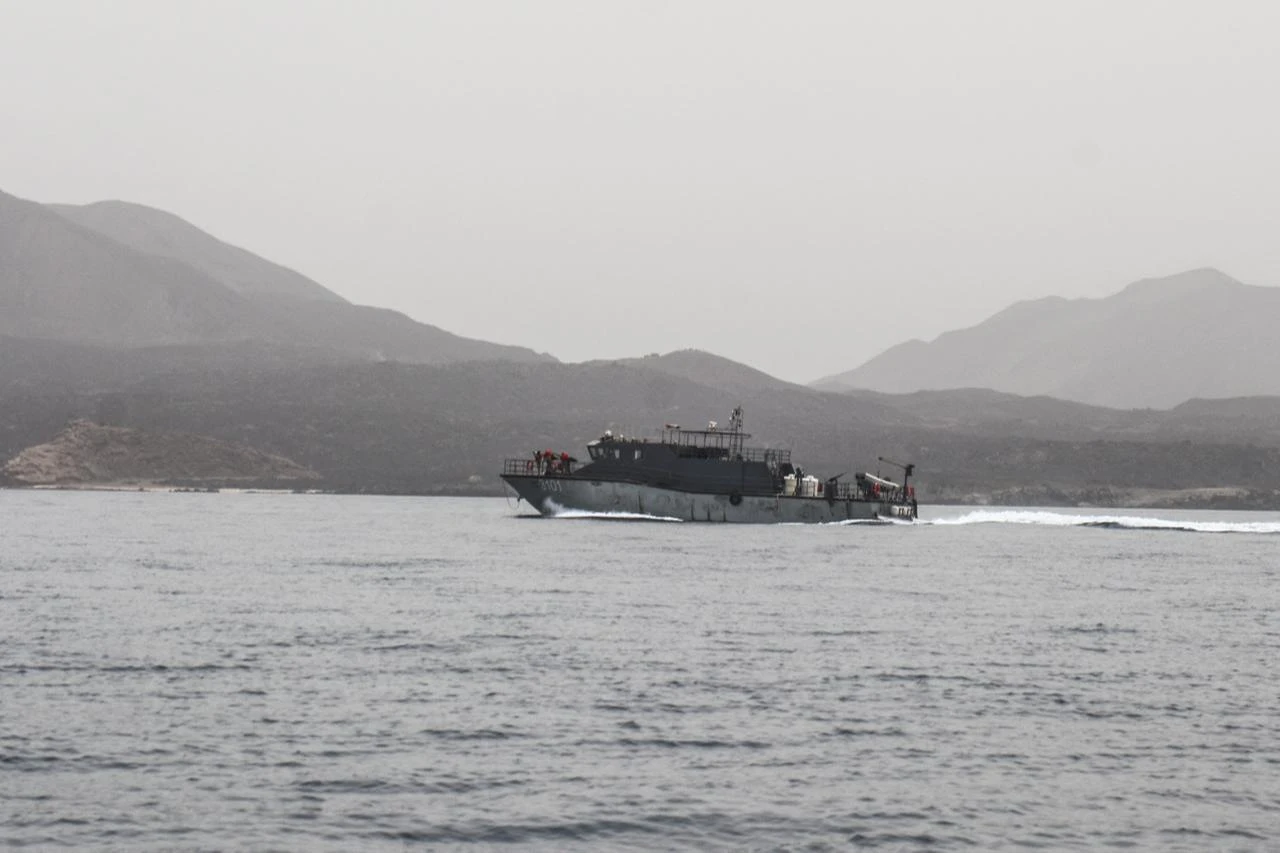

The founding states agreed to declare the establishment of the coalition as a framework for maritime defense cooperation aimed at strengthening maritime security, protecting freedom of navigation, securing trade and energy supply routes, and protecting shared maritime interests in the three named waterways, in accordance with international law, U.N. agreements and international norms, according to the official statement.
Participating states agreed to continue completing the internal procedures necessary for formal accession to the coalition's charter, in line with each country's constitutional and legal procedures.
The statement said the coalition would strengthen cooperation in maritime security, information and intelligence sharing, operational planning, joint exercises, lessons-learned exchanges, training, capacity building, and joint maritime operations, in accordance with the coalition's charter.
It stressed that participation in the coalition's activities and operations "remains a sovereign decision for each state," conducted according to each country's own regulations and national procedures. The statement emphasized the coalition is "of a purely defensive nature" and "does not target any state, alliance, or international organization," with all its activities to be conducted in full compliance with international law and respect for state sovereignty and freedom of navigation.
It called on states sharing the coalition's goals and principles to join in accordance with its charter, "contributing to expanding the scope of cooperation and strengthening collective maritime security."
Saudi Arabia is designated as the coalition's founding and leading state and permanent headquarters, with the Joint Command and Control Center, the Joint Maritime Operations Center, and the coalition's General Secretariat all based in the kingdom as its principal executive bodies, according to the official statement.
The founding states said the coalition's establishment represents a strategic step toward strengthening maritime security in the Bab el-Mandeb Strait, the Red Sea and the Gulf of Aden, deepening defense cooperation among member states, and supporting stability and prosperity in a way that complements international efforts to protect global peace and security in accordance with international law.
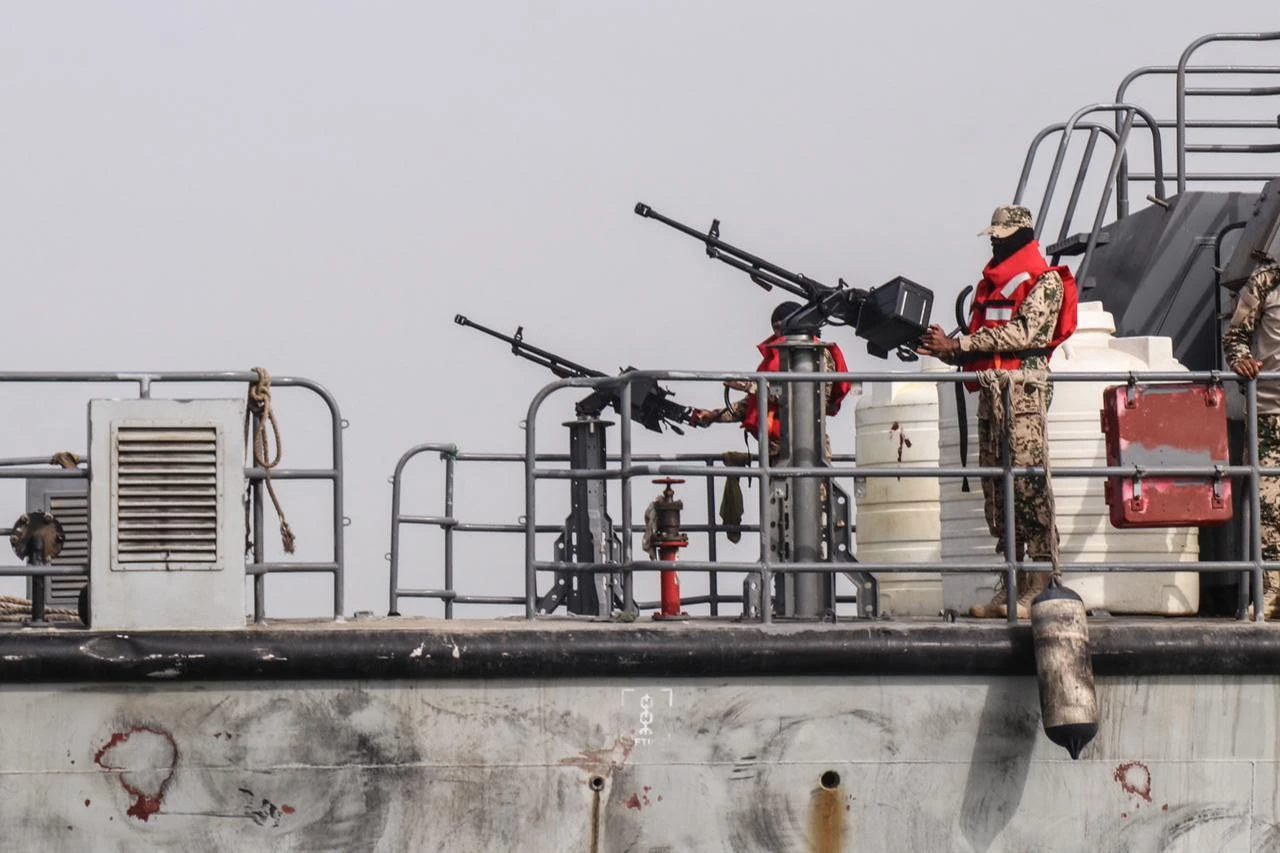
The move comes amid escalating threats to commercial shipping in the Red Sea after Yemen's Iran-backed Houthi movement declared what it called a maritime blockade on Saudi Arabia on July 20 and subsequently claimed attacks on Saudi-linked vessels.
Riyadh has responded with airstrikes on what it described as Houthi military facilities in Yemen's port of Hodeidah used to threaten commercial shipping.
The Red Sea has become a vital outlet for Saudi energy exports since the U.S.-Iran standoff effectively closed the Strait of Hormuz to much of its usual traffic, with crude from the kingdom's Eastern Province transported to the Red Sea port of Yanbu for loading onto tankers bound for global markets.
Reuters reported that Saudi Arabia had been seeking to build this international coalition even before Thursday's announcement, citing two sources familiar with the deliberations a day earlier.
Saudi Arabia and the Houthis had exchanged fire for the first time in years earlier this month, threatening a 2022 truce that had held despite its formal expiration.
This is not the first international effort to protect Red Sea shipping: the U.S. launched "Operation Prosperity Guardian" in response to earlier Houthi disruptions during the Gaza war, and the EU launched its own "Operation Aspides" naval mission in 2024 for the same purpose.


 Set as preferred source
 Set as preferred source



 2 min read