Newsletters




Türkiye has granted France consent to conduct seabed surveys under the Great Sea Interconnector (GSI) project following diplomatic contacts, sources said Wednesday, as Greece disputed whether Ankara's authorization was required.
Ankara delivered a diplomatic note to France on Nov. 10, reiterating the need to comply with international law and formally conveying its consent for the planned research activities, the sources said.
The source also said the process reaffirmed Türkiye's rights and practices concerning its continental shelf, whose boundaries Ankara has notified the United Nations.
The diplomatic development follows a dispute over research activities associated with the GSI project, a planned undersea electricity connection between Greece and the island of Cyprus.

Sources emphasized that Ankara had prevented what they described as a new attempt by Greece to create a fait accompli in the disputed maritime area.
They stressed that research activities within Türkiye's continental shelf could not proceed without Ankara's consent.
According to the sources, Greece and the Greek Cypriot administration had issued unauthorized Navtex notices for the planned surveys, which Türkiye subsequently canceled.
The diplomatic process to secure Türkiye's consent began afterward, sources added.
The Turkish Foreign Ministry had previously said that the required consent process for the research activities had not been completed.
The sources emphasized that Türkiye does not oppose regional energy connectivity projects but maintains that such initiatives must respect the rights of all relevant parties and comply with international law.
The latest disagreement emerged Nov. 6, when Greece issued a Navtex announcing the resumption of seabed surveys for the GSI project.
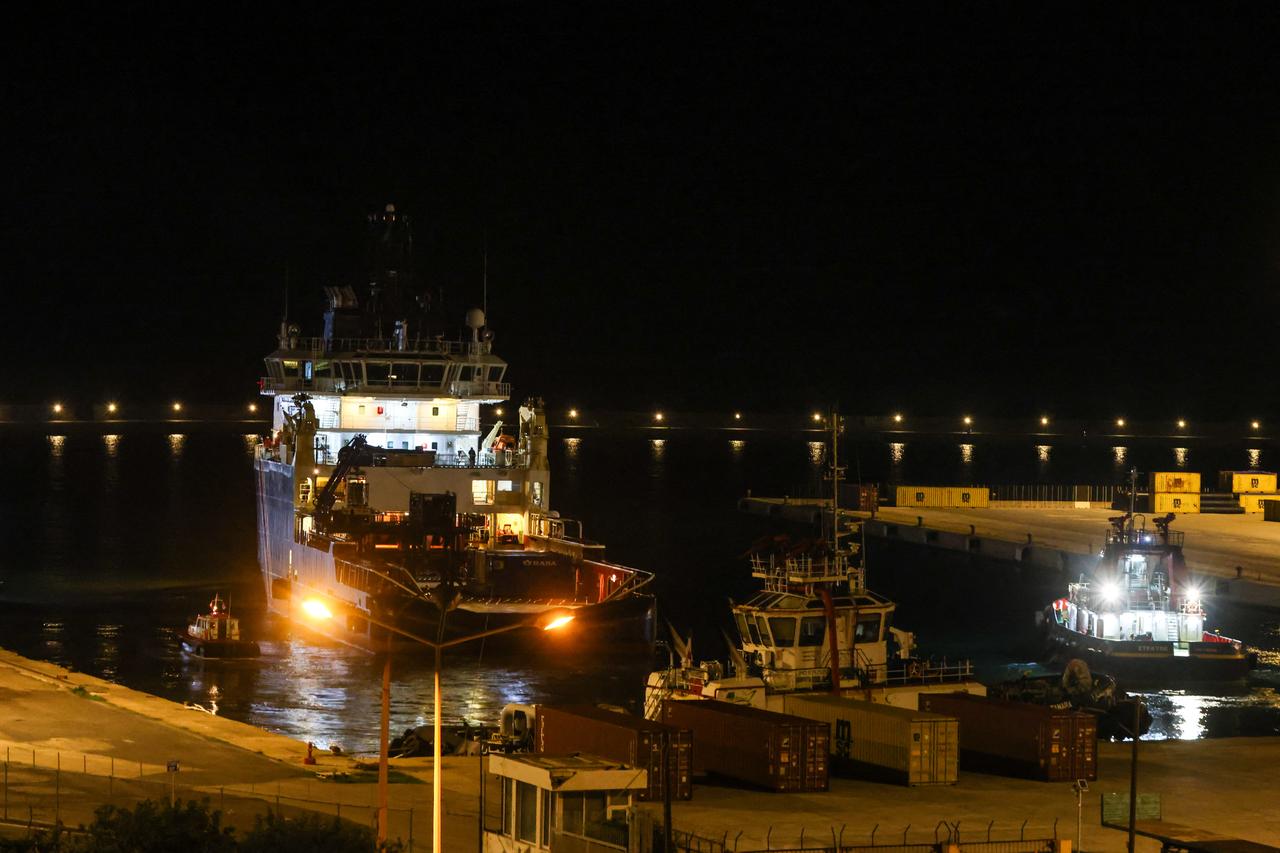
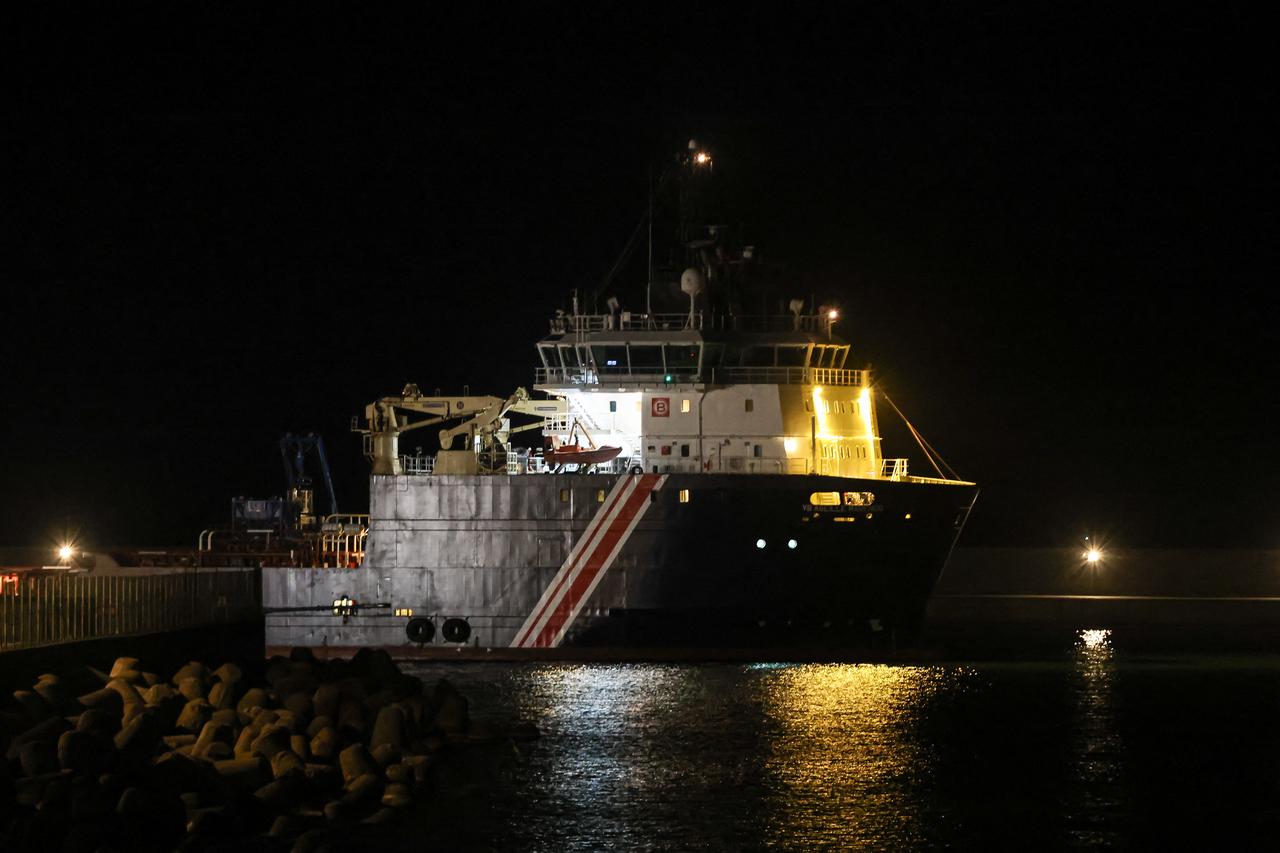
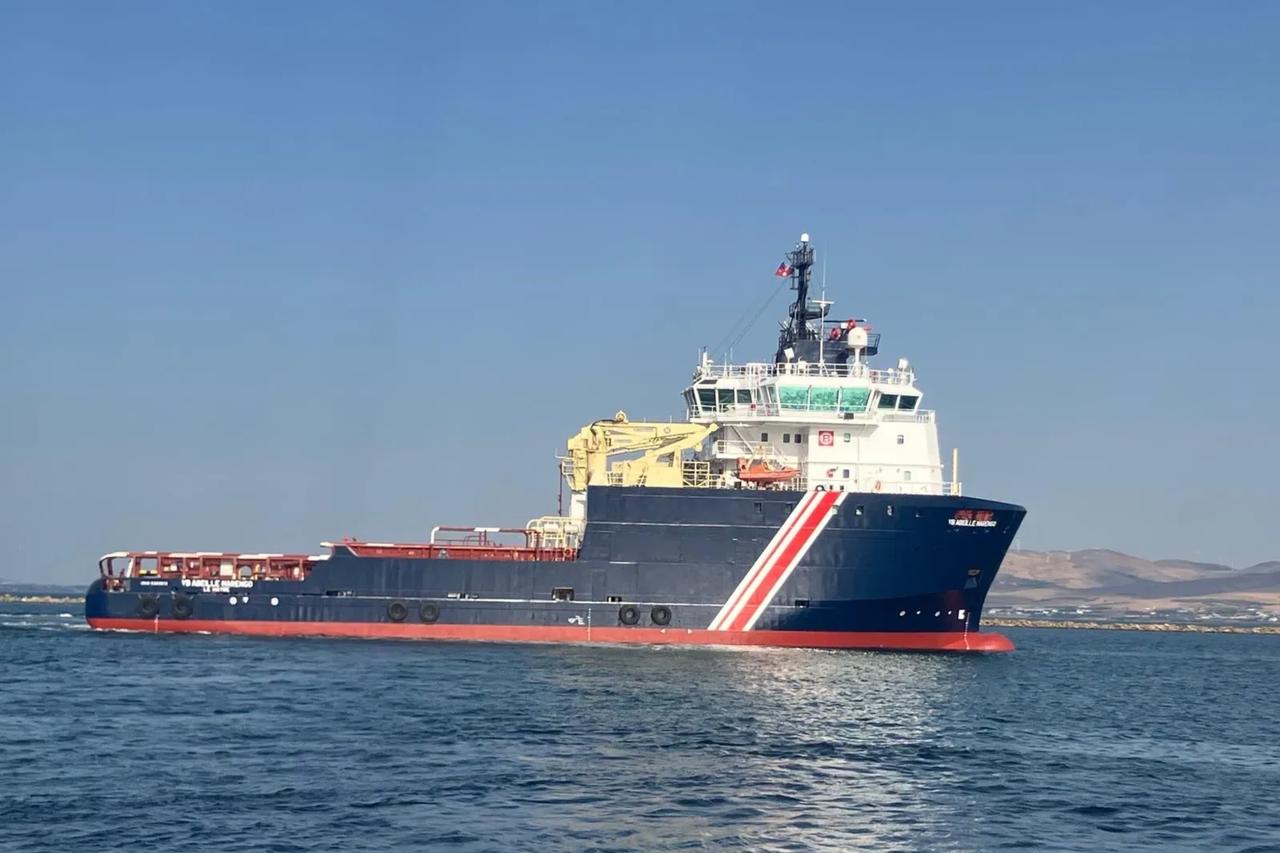
The research activities involve the French-flagged vessel Abeille Marengo.
Türkiye objected to the notice, saying parts of the planned survey route fell within its continental shelf and that the necessary Turkish consent had not been obtained.
Ankara subsequently announced that it had canceled the Navtex notices issued by Greece and the Greek Cypriot administration.
Following diplomatic contacts between Ankara and Paris, Türkiye issued a new Navtex on Tuesday, authorizing research activities along specified routes within its claimed continental shelf until March 2027.
The French vessel subsequently departed Crete to begin the surveys.
The development has prompted a political dispute in Athens over whether France's diplomatic engagement with Türkiye constituted recognition of Ankara's maritime claims.
Greek officials maintained that France's diplomatic notification did not amount to a request for Turkish permission or an acknowledgment of Türkiye's claimed continental shelf boundaries.
They argued that the necessary permits for the research activities had already been obtained from Greece and the Greek Cypriot administration.
The differing interpretations highlight the continuing disagreement between Ankara and Athens over maritime jurisdiction, even as the planned surveys proceed following diplomatic coordination between Türkiye and France.


 Set as preferred source
 Set as preferred source


 2 min read
 1 min read