Newsletters


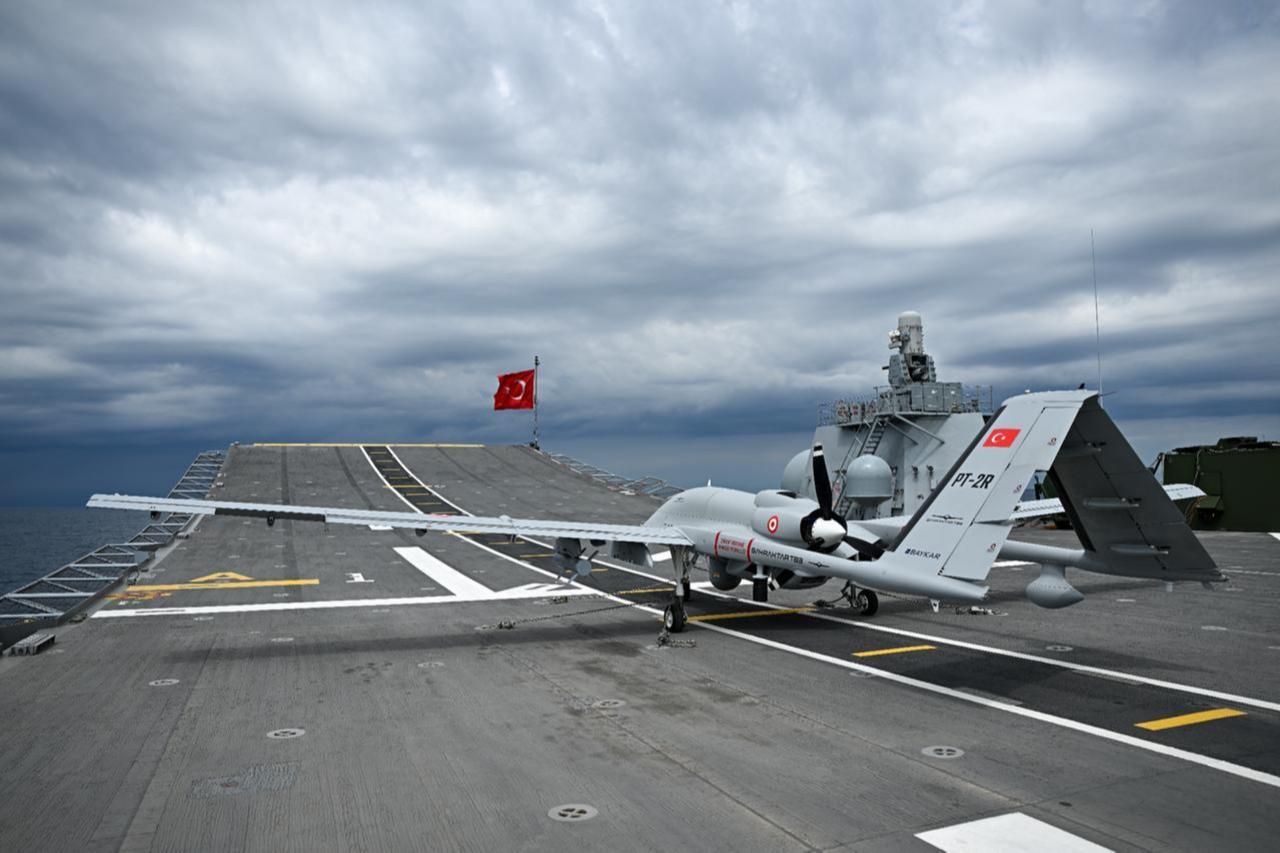


Türkiye has stepped up drone activity over the Aegean, with Bayraktar unmanned aerial vehicles carrying out regular surveillance flights near Greek islands, according to Greek media.
Greek authorities have recorded daily Bayraktar flights in the northeastern Aegean in recent weeks, government officials told Kathimerini, stressing that the activity has mainly targeted areas designated by Türkiye as national maritime parks since mid-August.
Türkiye declared two national maritime parks on Aug. 16, designating the areas as protected marine zones, one between Fethiye and Kas encompassing waters around Kastellorizo and the other near the Turkish coasts of Tekirdag and Canakkale, extending between Samothraki and Limnos.
Greek officials said the drones operate from the Canakkale area near the Dardanelles, taking off and landing there before flying at an altitude of 17,000 feet near Samothraki and Alexandroupoli.
The drones appear to be conducting surveillance missions and do not interfere with commercial aircraft in the area, according to a source cited by the report, adding that the UAVs do not systematically enter Greek airspace.
When violations are recorded, Greek F-16 fighter jets intercept the drones, the report claimed.
On Aug. 17, 24 hours after Türkiye declared the two maritime parks, the Hellenic Air Force reported repeated Greek airspace violations involving one CN-235 maritime cooperation aircraft and three drones. On Aug. 25, four Bayraktar drones and one CN-235 were reported to have flown within Greek national airspace.
The General Staff of National Defense maintained that the activity took place in the northeastern and southeastern Aegean and that the Turkish aircraft were identified and intercepted "in accordance with international rules and standard practice."
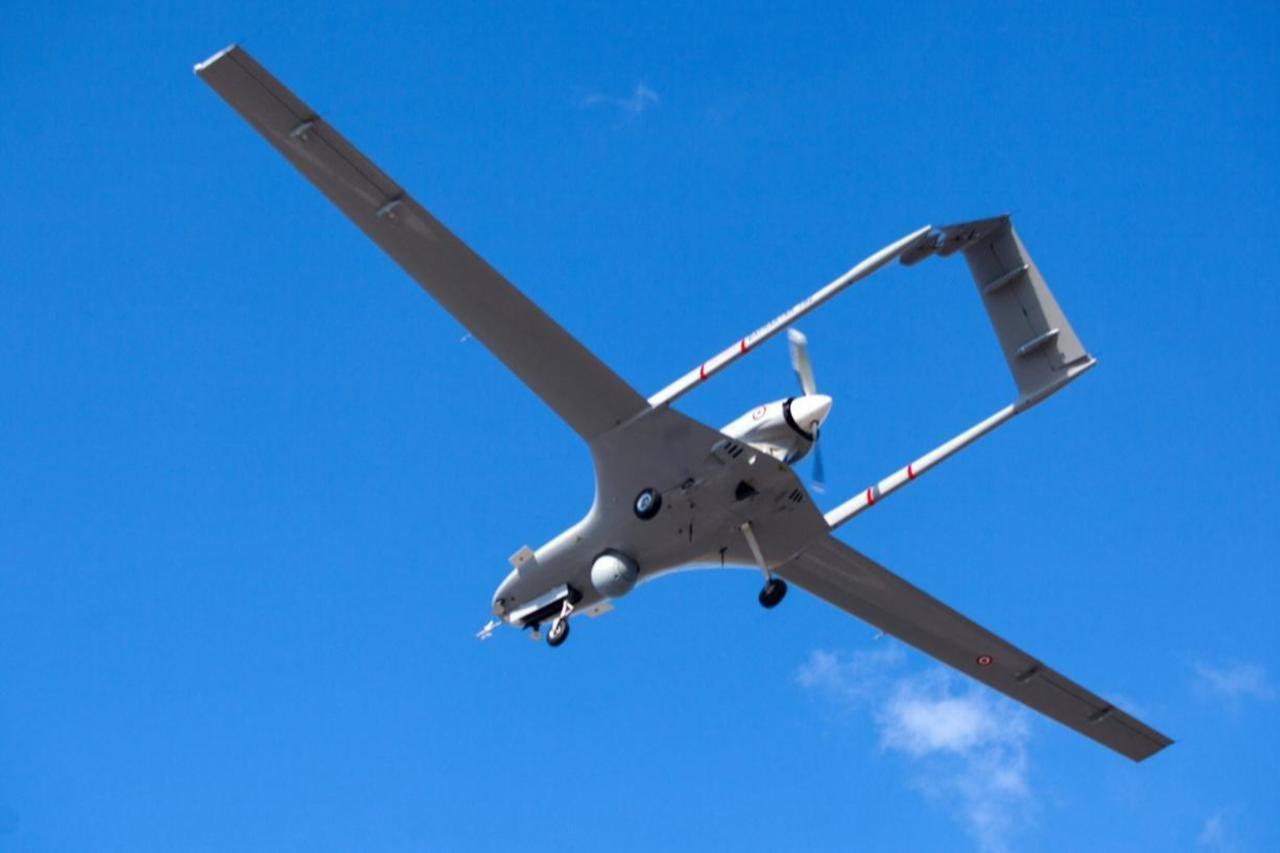

Another Greek outlet, To Vima, reported that a Turkish Bayraktar TB2 flew over the eastern Aegean shortly before midnight on Thursday, tracing an unusual path on digital flight-tracking maps.
The report described the flight as part of a broader Turkish Intelligence, Surveillance and Reconnaissance strategy involving nighttime UAV operations.
Modern Turkish drones use electro-optical cameras and infrared thermal-imaging sensors that can detect heat signatures, track troop movements and map defensive positions, the Greek outlet highlighted. Night flights can also test Greek radar response times under low-visibility conditions.
Greece is developing a multilayered air-defense network known as "Achilles’ Shield," combining anti-aircraft, anti-ballistic and anti-drone systems with a unified command-and-control network, the report noted.
The program also includes non-kinetic systems designed to neutralize hostile UAVs without conventional weapons.


 Set as preferred source
 Set as preferred source


 1 min read

 1 min read