Newsletters


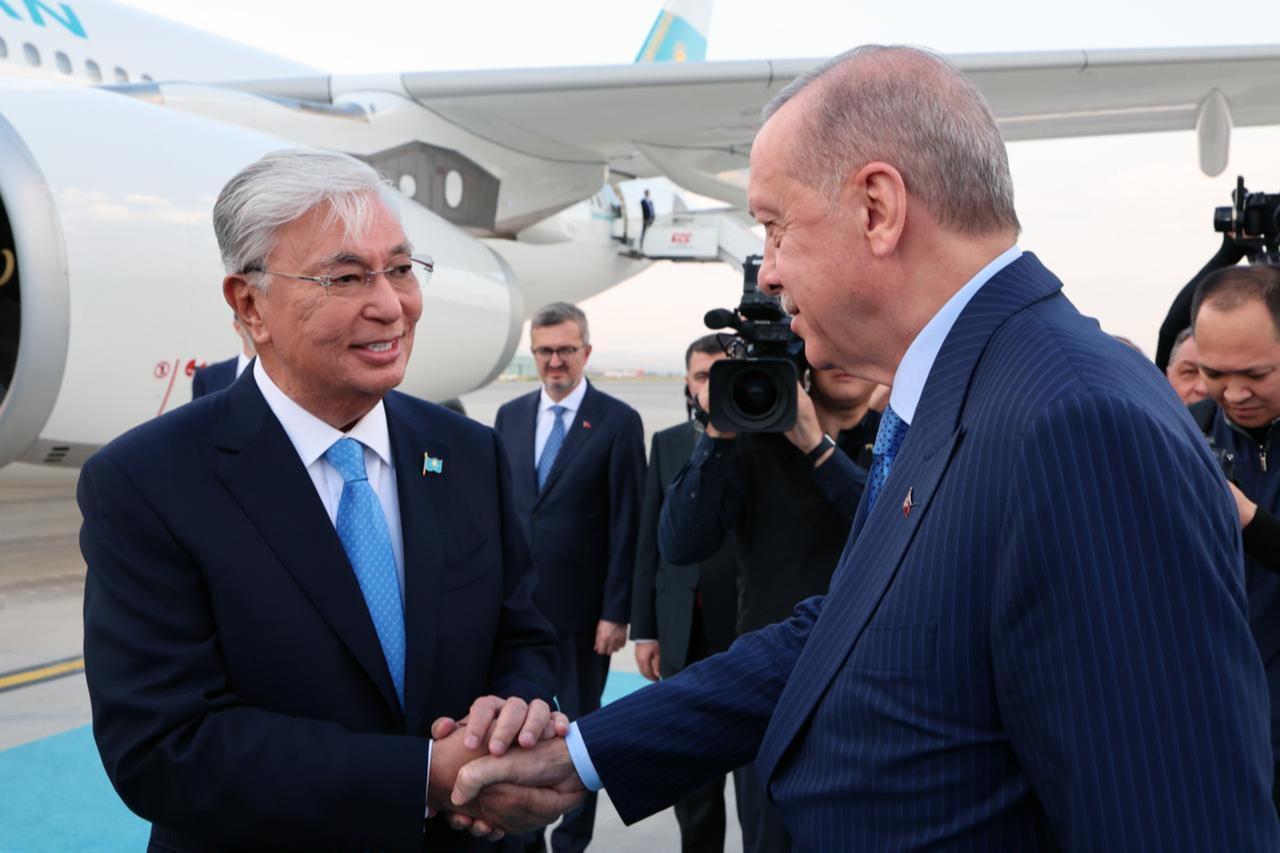


Türkiye and Kazakhstan are working toward a $15 billion bilateral trade target by diversifying products, improving market access, and involving more companies in two-way commerce, according to Selcuk Yuce, chairperson of the Türkiye-Kazakhstan Business Council at the Foreign Economic Relations Board, or DEIK.
Speaking to Turkish state-run Anadolu Agency, Yuce said bilateral economic ties were at one of their strongest levels since Kazakhstan gained independence, supported by strategic cooperation between the two countries.
Trade volume reached around $10 billion in 2025, he said.
“To achieve this target, we need to diversify traded products, facilitate mutual market access and involve more companies in bilateral trade,” Yuce said.
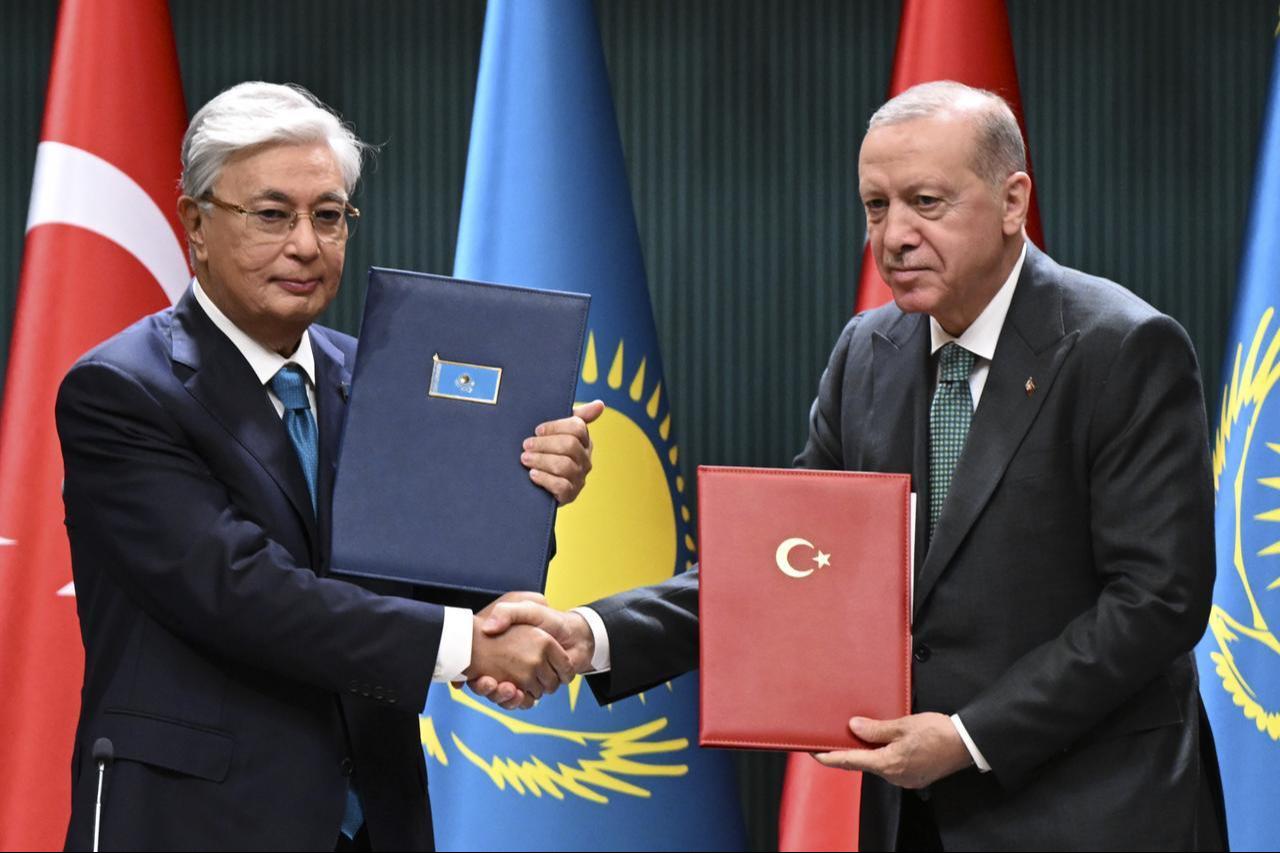

Yuce highlighted manufacturing, mining, agriculture and food processing as key areas for further cooperation.
He said Türkiye’s experience in modern production, processing and storage technologies could support Kazakhstan’s agricultural potential, while local processing of raw materials could create more value for both sides.
Health care, chemicals, pharmaceuticals and medical equipment were also identified as priority sectors, alongside energy, logistics, artificial intelligence and digital technologies.
Yuce said the goal was to expand Türkiye’s presence in the Kazakh market while ensuring balanced and sustainable two-way trade.
Yuce said the Middle Corridor, which runs from China through Kazakhstan, the Caspian Sea and the South Caucasus to Türkiye, could play an important role in diversifying trade routes.
He stressed that regular services, predictable delivery times and competitive transport costs were needed alongside investments in ports, railways and logistics centers.
Digital customs procedures, electronic transit documents and digital cargo management were also among the issues under discussion.
He said Turkish investments in energy, construction materials and chemicals were supporting Kazakhstan’s production capacity while creating opportunities in equipment, technology and engineering services.
In the longer term, Türkiye and Kazakhstan aim to work more closely on joint production and access to third-country markets, which Yuce said could make bilateral trade more resilient.


 Set as preferred source
 Set as preferred source


 1 min read


 1 min read