Newsletters


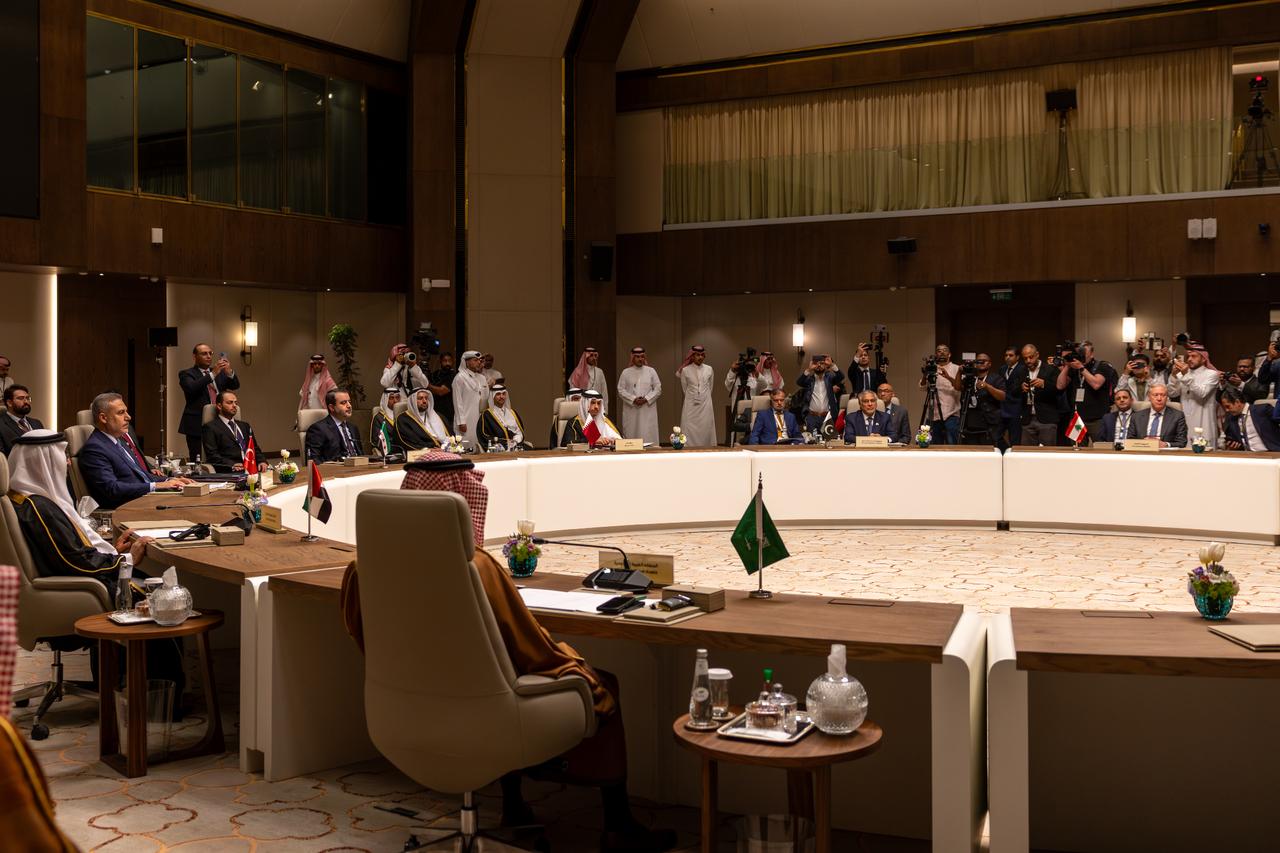


Türkiye insisted on including language referencing Israel’s “expansionist policies” in the joint statement issued after the consultative meeting in Riyadh, Turkish sources said.
Iran’s retaliatory attacks on Gulf countries, particularly targeting military and energy infrastructure, in response to the U.S.-Israeli military operation launched on Feb. 28, have raised serious concerns across the region.
A consultative meeting of foreign ministers from several Arab and Islamic countries was held in Riyadh on March 18 to address the escalating tensions.
According to Turkish sources, the gathering was primarily convened to discuss Iran’s recent attacks targeting Gulf states, while Israel-related security issues were not part of the core agenda.
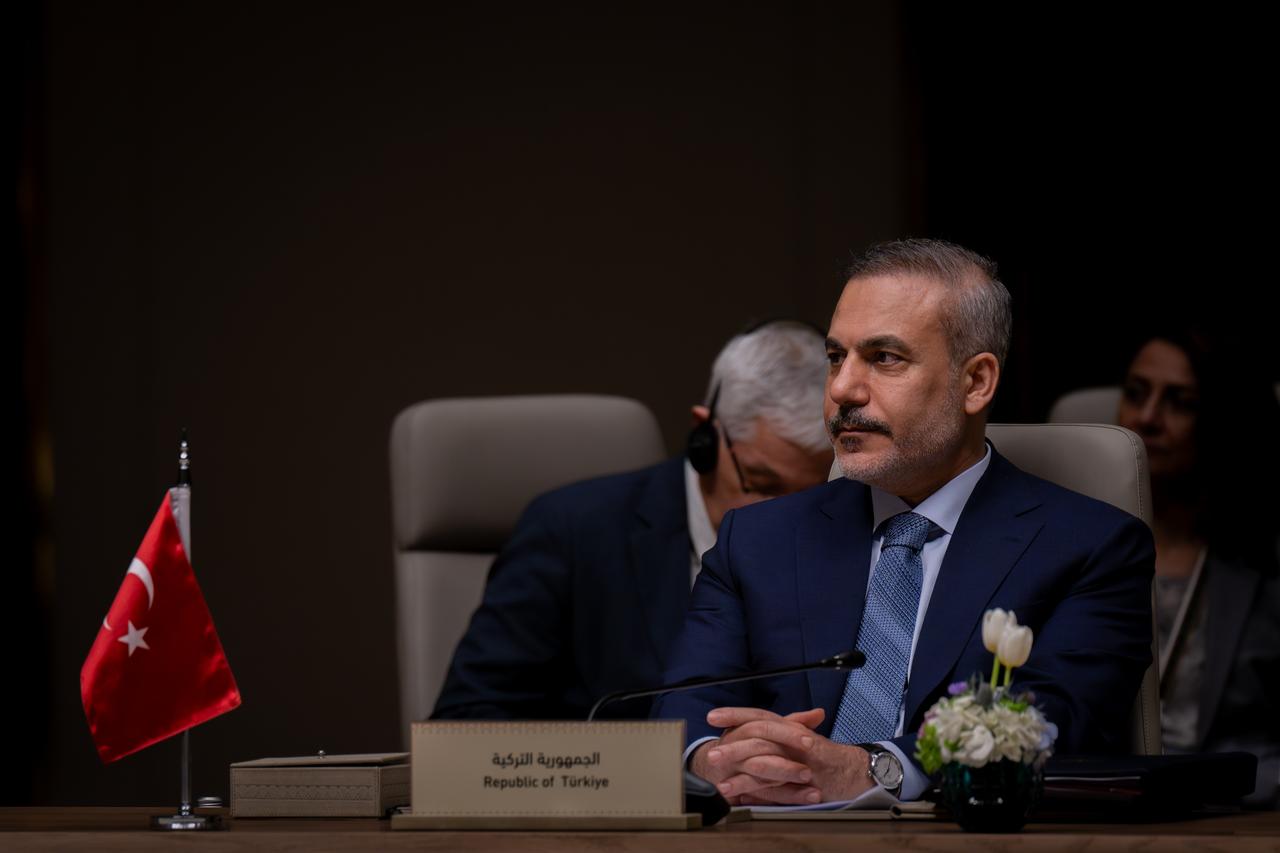

Turkish sources familiar with the meeting said the atmosphere was further strained by attacks on Riyadh shortly before the talks began, heightening anxiety among Gulf countries. They added that regional states are increasingly concerned Iran may be using them as leverage in its broader confrontation with the United States.
At the same time, Turkish officials underscored that Ankara consistently raised Israel’s role in the broader regional crisis.
One official said Türkiye argued “on every platform and at every opportunity” that Israel bears primary responsibility for the escalation. According to multiple sources, Türkiye ensured that the final statement included language criticizing Israel, pointing to its expansionist policies as a root cause of instability.
Sources also highlighted Ankara’s measured approach toward Iran.
Despite missile launches from Iran, Türkiye maintained what officials described as a “calm and prudent” stance, avoiding direct accusations against Tehran. This approach, they said, reflects an effort to contain the crisis and keep diplomatic channels open.
Turkish sources ultimately described the Riyadh meeting as a forum where differing regional threat perceptions—particularly regarding Iran and Israel—were addressed, with Türkiye playing an active role in shaping the final communique.


 Set as preferred source
 Set as preferred source


 1 min read


 1 min read