

 Newsletters


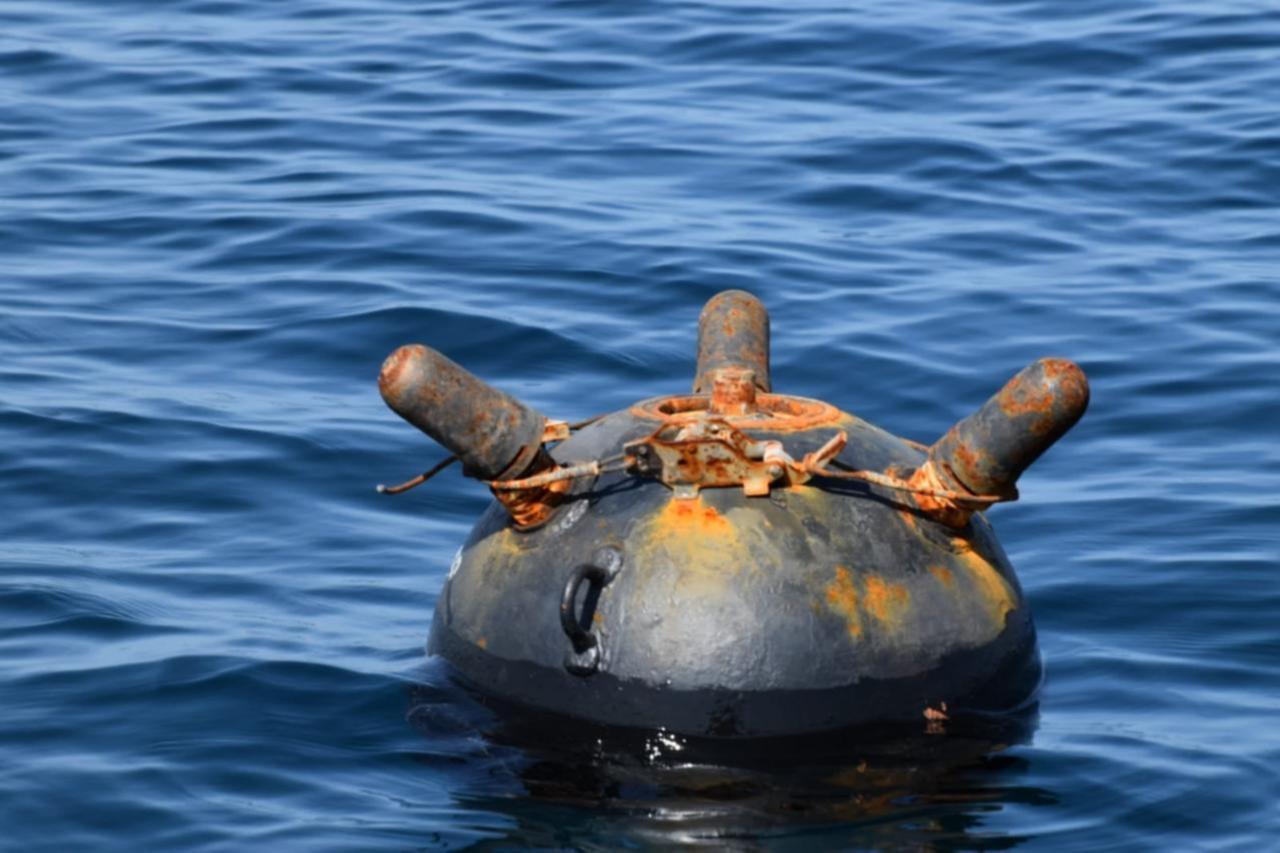


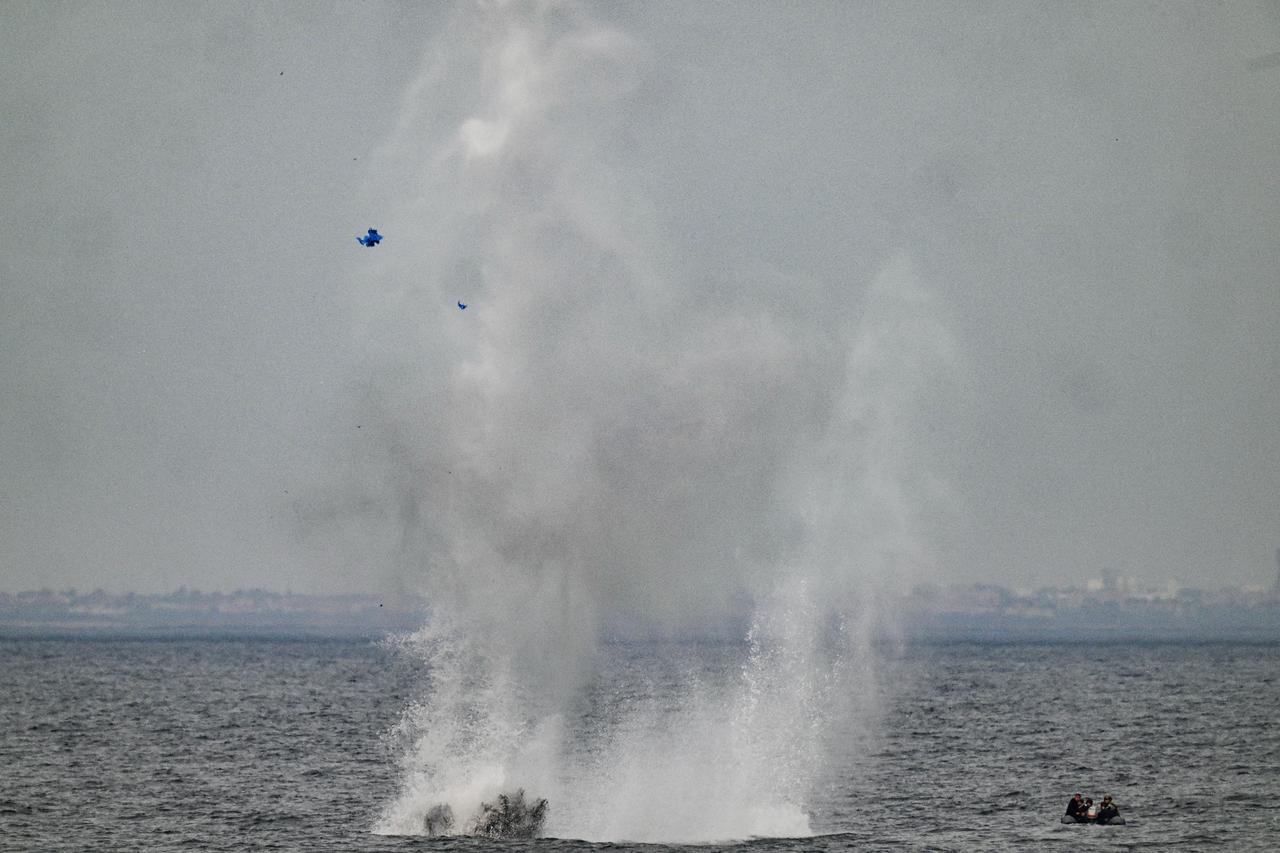
Foreign Minister Hakan Fidan said Sunday that Ankara stands ready to participate in demining operations in the Strait of Hormuz if a deal between the United States and Iran produces such a request, offering one of the clearest signals yet of Türkiye's willingness to play an operational role in post-agreement stabilization efforts.
Speaking to South Korean broadcaster JTBC during an official visit to Seoul, Fidan expressed cautious optimism about the state of U.S.-Iran negotiations, saying he believed both sides had reached a general understanding on the final text of an initial draft agreement. "I hope we can receive good news very soon," he said.
Fidan said Türkiye has been holding regular consultations with both Washington and Tehran, as well as with Pakistan, which has served as a mediator in the talks.
"We are trying to do our best to help them reach a deal," he said, adding that Ankara's readiness to assist with demining was consistent with a broader principle: when conflicting parties reach a settlement, Türkiye is prepared to facilitate or be part of its implementation, as it has sought to do in the Russia-Ukraine war.
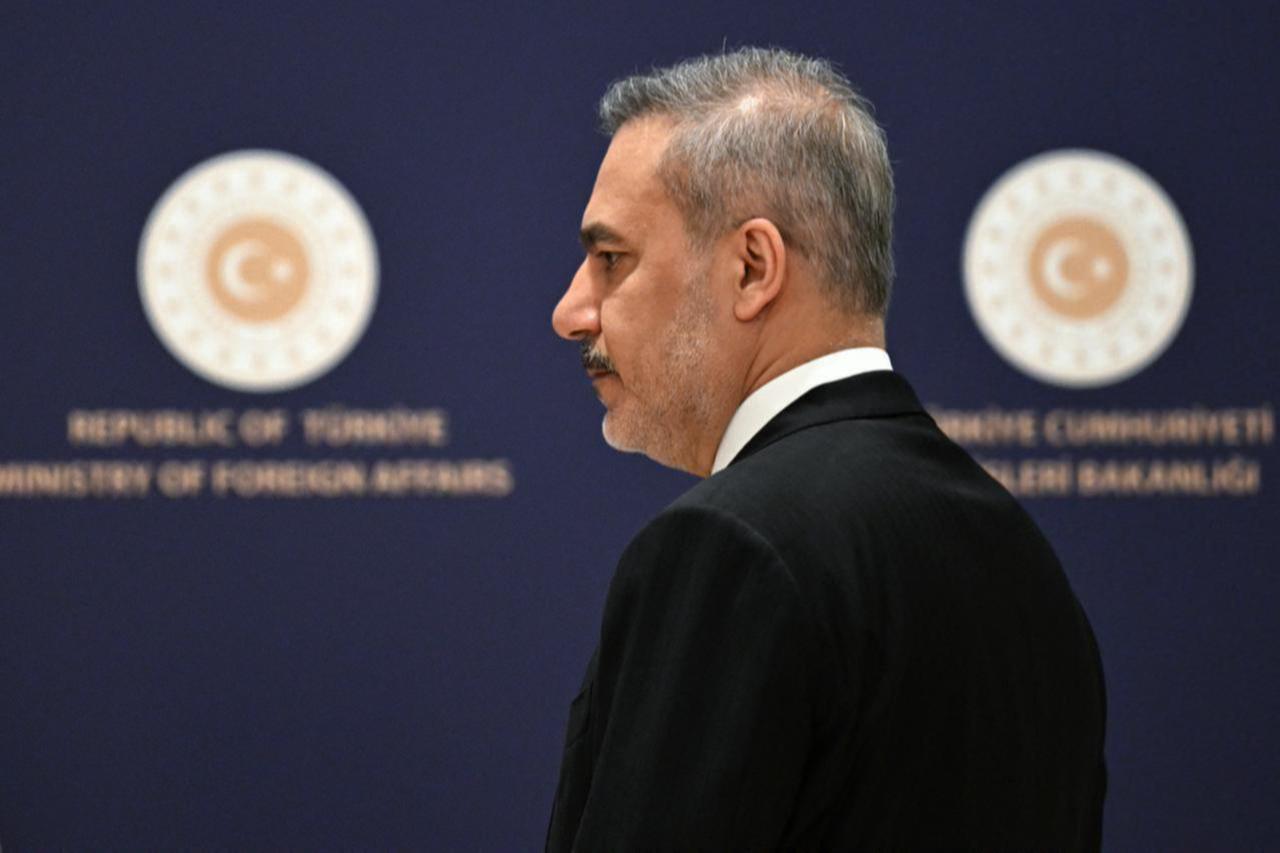

Fidan said the status of the Strait of Hormuz, a narrow waterway through which roughly a fifth of the world's oil supply passes, had become the most urgent issue in the current round of U.S.-Iran diplomacy, overshadowing even the nuclear file that has historically dominated those talks.
"If the Strait of Hormuz remains closed for a few more months, some countries in Africa will face genuine food shortages," he said, describing the situation as "a global nightmare for everyone." He said both the American and Iranian sides were eager to reopen the strait before moving on to broader nuclear framework negotiations, a sequencing he described as driven by necessity rather than choice.
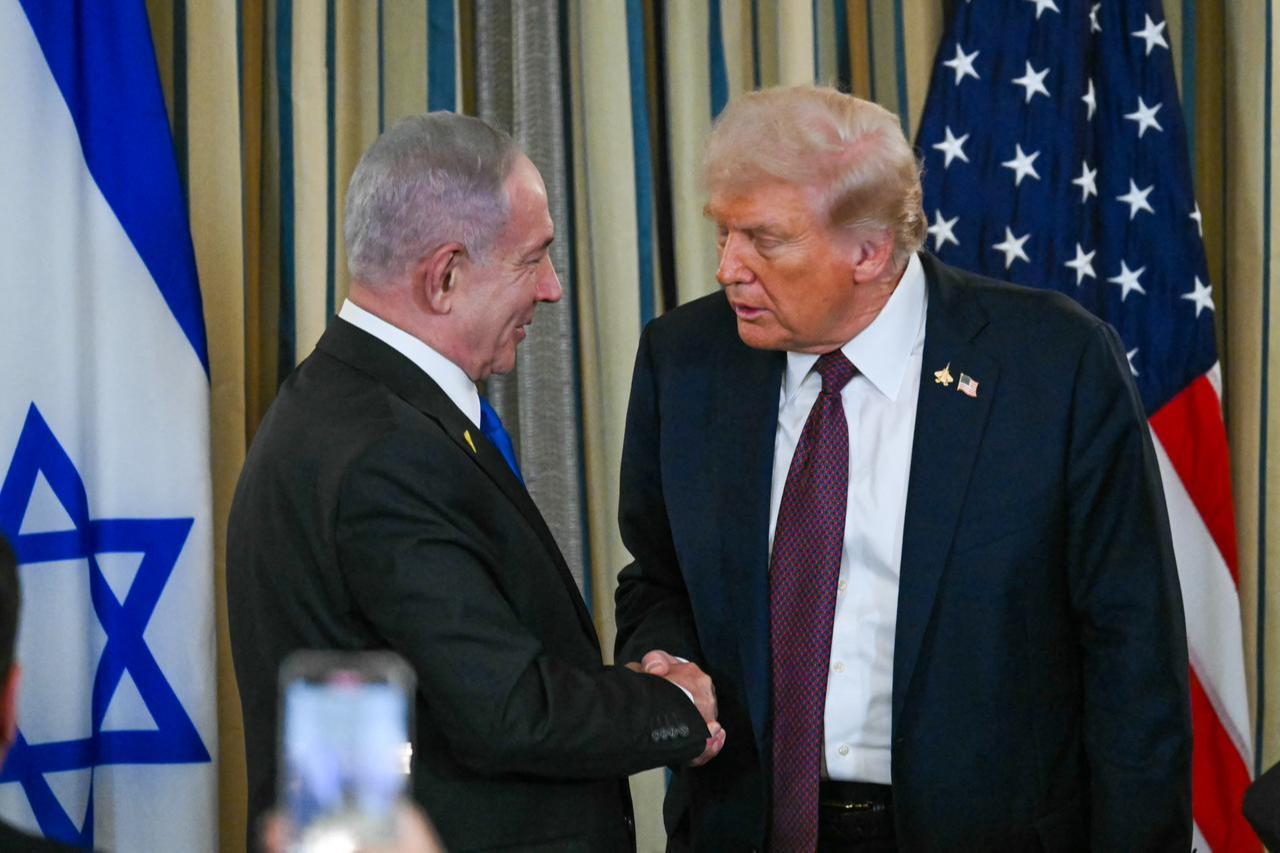
Fidan reserved his sharpest remarks for Israel, which he accused of actively working to derail the negotiations. He said Israel believed that any agreement between Washington and Tehran, in its current form, would be contrary to Israeli interests and was therefore "doing everything it can to derail or sabotage" the talks.
He called on the international community to pressure Israel into compliance, pointing to last year's United Nations General Assembly vote on full Palestinian statehood membership, in which 157 countries voted in favor, as evidence of a broad global consensus that could be leveraged.
"If the EU, the UN, other regional and international organizations and nation-states come together and tell Israel the same thing, and if they take action should Israel fail to heed that, I believe we will have a one-hundred percent chance of success," he said.
Fidan argued that Israel's sense of exceptionalism, rooted in what he called the belief that being a victim of the Holocaust confers immunity from accountability, was an illusion.
"Whoever commits genocide, we must condemn them, name them, and shame them," he said. He added that Israel's expansionism and the wars it has created were generating risks that extended well beyond the region, from energy security to mass migration to counterterrorism, and that this diagnosis was "shared by almost everyone."
He called on regional and international actors to take the necessary steps to genuinely halt what he described as Israel's expansionist policies, urging Israel to stop killing civilians, allow humanitarian access to Gaza, and begin building cooperative relationships with its neighbors.
Fidan used the Seoul visit to reaffirm the depth of Türkiye's relationship with South Korea, noting that the two countries have been allies since the Korean War and elevated their partnership to strategic level in 2012.
He said both governments had been working consistently to advance cooperation across all sectors, pointing to South Korean President Lee Jae Myung's visit to Türkiye last year as a turning point that gave further momentum to the relationship.
He said cooperation in trade, defense industry, and technology was "on the right track," and that both sides were increasingly exchanging views on global challenges.
On energy, Fidan disclosed that Türkiye and South Korea had begun discussing potential collaboration on the Sinop Nuclear Power Plant project, a long-delayed initiative on the Black Sea coast.
He said he had worked on the project during his time as an official under then-Prime Minister Erdogan in 2008 and 2009, when Ankara had sought advanced cooperation with Korea Electric Power Corporation, but that the project had not materialized at the time.
He said he hoped the two sides could now bring the project to fruition, with Korean technology playing a significant role in Türkiye's nuclear energy construction program.


 Set as preferred source
 Set as preferred source


 2 min read
 1 min read


