Newsletters


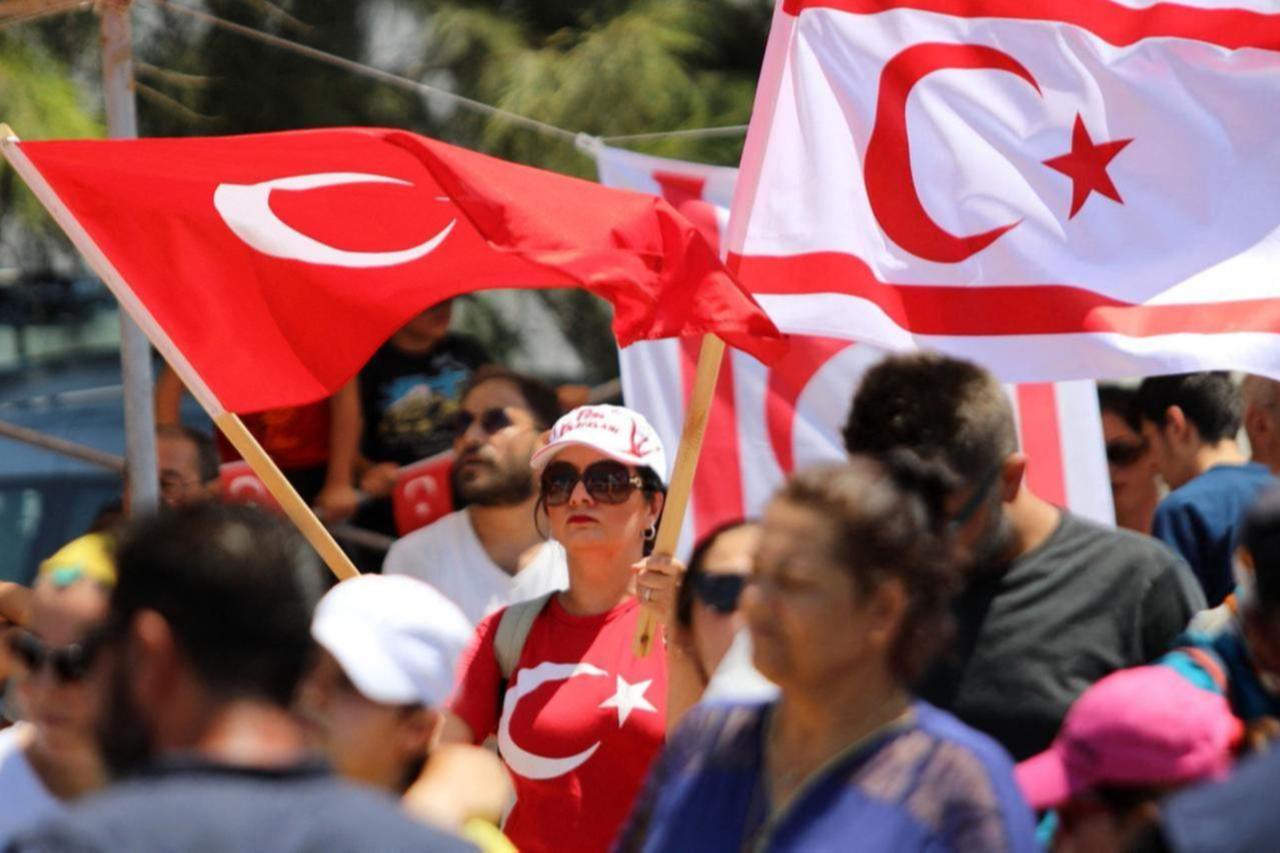


The Turkish Foreign Ministry on Saturday stated the United Nations Security Council’s decision to extend the mandate of the United Nations Peacekeeping Force in Cyprus.
The ministry called on the council and the international community to accept a two-state solution on the island.
“We call on the U.N. Security Council and the international community to accept this reality, to reaffirm the inherent rights of the Turkish Cypriot people, namely their sovereign equality and equal international status, and to pave the way for a bright future that will be shaped by the close cooperation of the two neighboring states on the Island, advancing regional stability, development, and prosperity,” the statement said.
The ministry recalled that the mandate of the peacekeeping force was extended for another year under Security Council Resolution 2815 (2026), adopted Jan. 30.
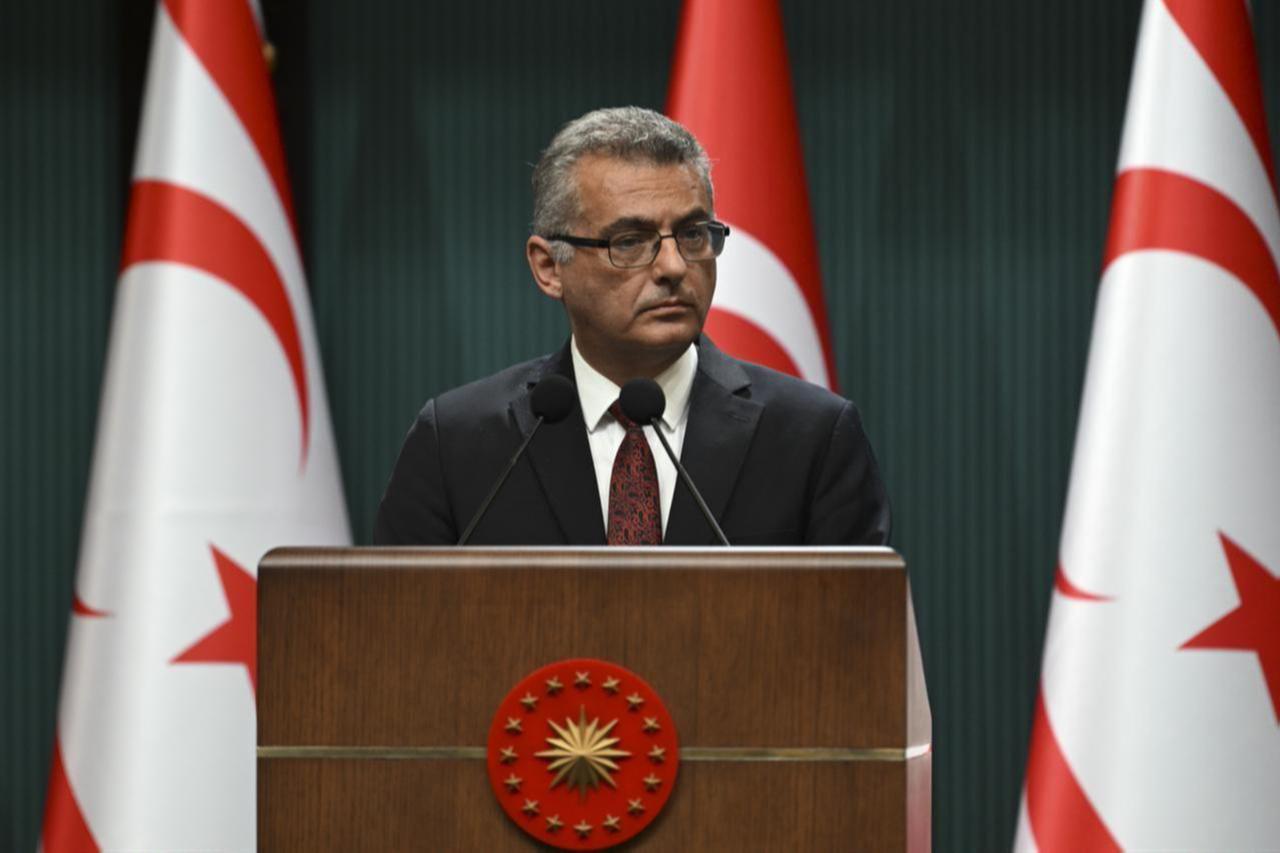
It said it “strongly supports” a statement issued by the Foreign Ministry of the Turkish Republic of Northern Cyprus, or TRNC, regarding the decision.
“The fact that, once again, the consent of the Turkish Cypriot side, which is one of the two sovereignly equal peoples on the island, was not obtained while extending the mandate of the United Nations Peacekeeping Force is contrary to the established practices and principles of the United Nations,” the statement said.
It added that the force has continued operating in TRNC territory only through what it described as the goodwill of TRNC authorities and stressed the need to establish a legal basis for those activities as soon as possible.
“Should this not happen in a timely manner, the steps to be taken by the TRNC authorities will have the full support of Motherland and Guarantor Türkiye,” the statement said.
The ministry also criticized what it described as the omission of Greek Cypriot violations in the U.N. decision.
“We strongly condemn the omission of buffer zone violations that are persistently overlooked in the decision,” the statement said.
It noted that the decision again refers, in language it described as lacking impartiality, to construction work on the Yigitler–Pile road, which it called a humanitarian project intended to provide Turkish Cypriots in the village of Pile with direct access to the TRNC.
The statement said the project remains incomplete due to the peacekeeping force’s failure to implement an agreement reached with the Turkish Cypriot side, citing pressure from Greek Cypriots, whom it said have no say in the matter.
“We also strongly condemn the Resolution’s omission of numerous violations of the buffer zone by the Greek Cypriot side, most notably the Astromerit-Evrihu highway and the university building in Pile. These violations are increasing on a daily basis while the UN Peacekeeping Force persists in turning a blind eye,” it said.
The ministry said the sovereignty of the Greek Cypriot Administration of Southern Cyprus does not extend to the north of the island or cover the buffer zone.
“Considering that the Turkish Armed Forces and Türkiye’s effective guarantee, not the U.N. Peacekeeping Force, are the elements which have maintained peace on the island for half a century, serious questions arise regarding the raison d’être of the U.N. Peacekeeping Force, which cannot even display a fair and balanced approach towards both sides in the buffer zone which it administers,” the statement said.
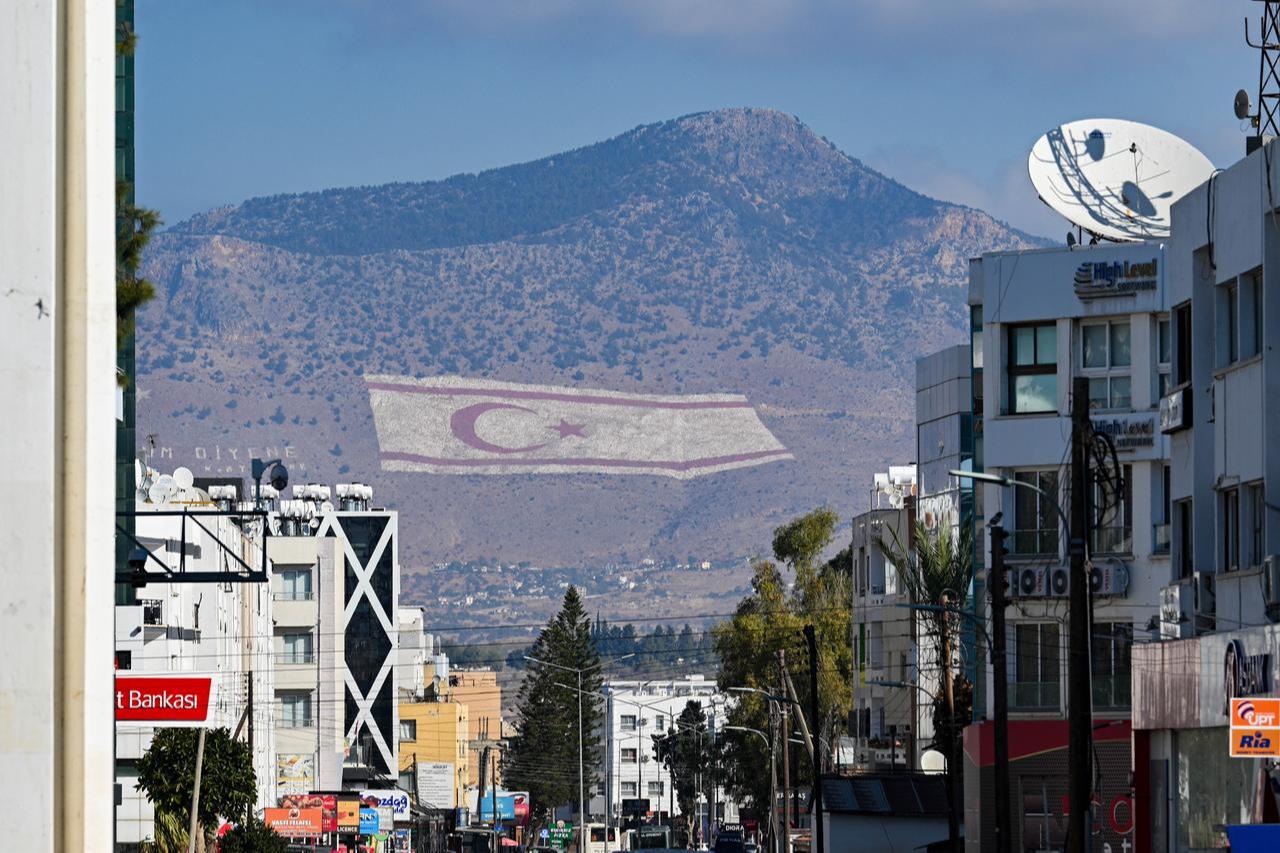

The statement said repeated references in the Security Council decision to settlement models that have failed for decades do not contribute to a solution.
“They delay the possibility of finding a fair, lasting and sustainable solution to the issue based on realities on the island,” it said.
“The most realistic solution to the Cyprus issue lies in the coexistence of two states on the island,” the statement added, repeating its call for equal treatment of both sides and international recognition of Turkish Cypriots’ sovereign equality and status.
The Security Council on Friday adopted a resolution renewing the mandate of the U.N. Peacekeeping Force in Cyprus, known as UNFICYP, until Jan. 31, 2027.
 1 min read
The resolution, drafted by the United Kingdom, was adopted with 13 votes in favor, while Pakistan and Somalia abstained.
UNFICYP, one of the United Nations’ longest-running peacekeeping missions, has been deployed on the island since 1964.
Cyprus has remained divided for decades between Greek Cypriots and Turkish Cypriots despite repeated UN-led efforts to reach a comprehensive settlement.
Ethnic attacks in the early 1960s forced Turkish Cypriots to withdraw into enclaves for their safety.
In 1974, a Greek Cypriot coup aimed at Greece’s annexation of the island led to Türkiye’s military intervention as a guarantor power to protect Turkish Cypriots from persecution and violence. The TRNC was founded in 1983.
Peace efforts have stalled repeatedly in recent years, including the collapse of talks in Switzerland in 2017 under the auspices of guarantor countries Türkiye, Greece and the U.K.
The Greek Cypriot Administration joined the European Union in 2004, the same year Greek Cypriots blocked a U.N.-backed plan to resolve the dispute.


 Set as preferred source
 Set as preferred source



 1 min read