Newsletters


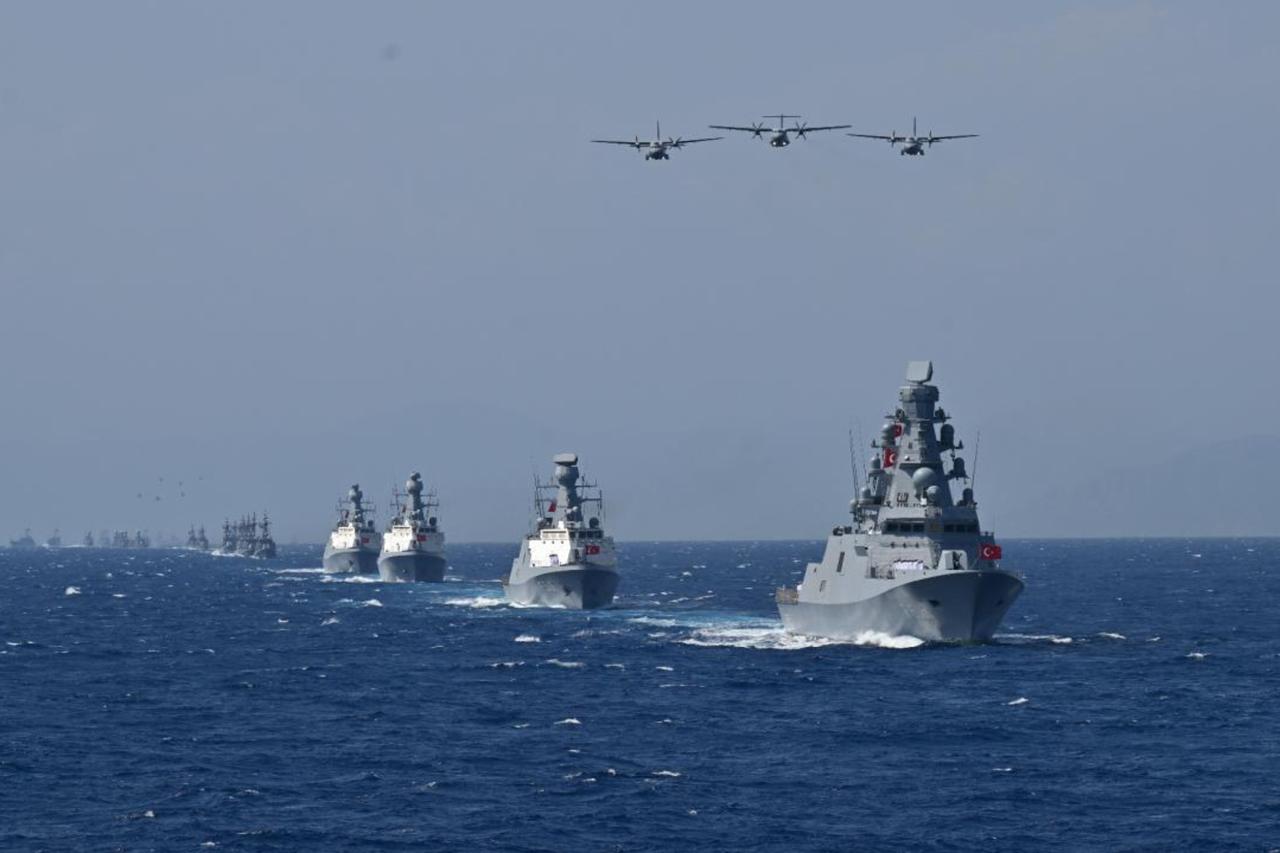


A recent statement by Foreign Minister Hakan Fidan, describing a "historic opportunity" to resolve the longstanding Aegean dispute, has sparked alarm in Greece, according to Greek media.
According to an analysis published in Kathimerini, Türkiye’s renewed diplomatic push is linked to the upcoming February meeting between President Recep Tayyip Erdogan and Greek Prime Minister Kyriakos Mitsotakis, citing growing U.S. involvement in the Eastern Mediterranean as a driving factor behind Türkiye’s assertive stance.
The analysis pointed to Washington’s growing interest in energy resources across the Eastern Mediterranean, particularly offshore hydrocarbon reserves.
It argued that the White House had viewed ongoing Greek-Turkish tensions, especially in the Aegean and Eastern Mediterranean, as an obstacle to unlocking these assets.
The article highlighted the strategic positioning of two close Trump allies, Kimberly Guilfoyle and Tom Barrack, at the U.S. embassies in Athens and Ankara. Their presence was presented as part of Washington’s broader efforts to advance regional energy agreements and enhance geopolitical stability.
Athens had remained concerned that a fast-tracked resolution, shaped by U.S. pressure, could have carried "dramatic consequences" for Greece’s national interests.
The article also stressed the importance of strengthening ties with the European Union, regarded by Greece as its primary security guarantor, especially amid heightened global geopolitical uncertainty.
During Trump’s term, Greece reportedly sought to avoid major confrontations with Türkiye while expediting joint hydrocarbon exploration with U.S.-based firms, including ExxonMobil and Chevron, in the Ionian Sea and south of Crete.
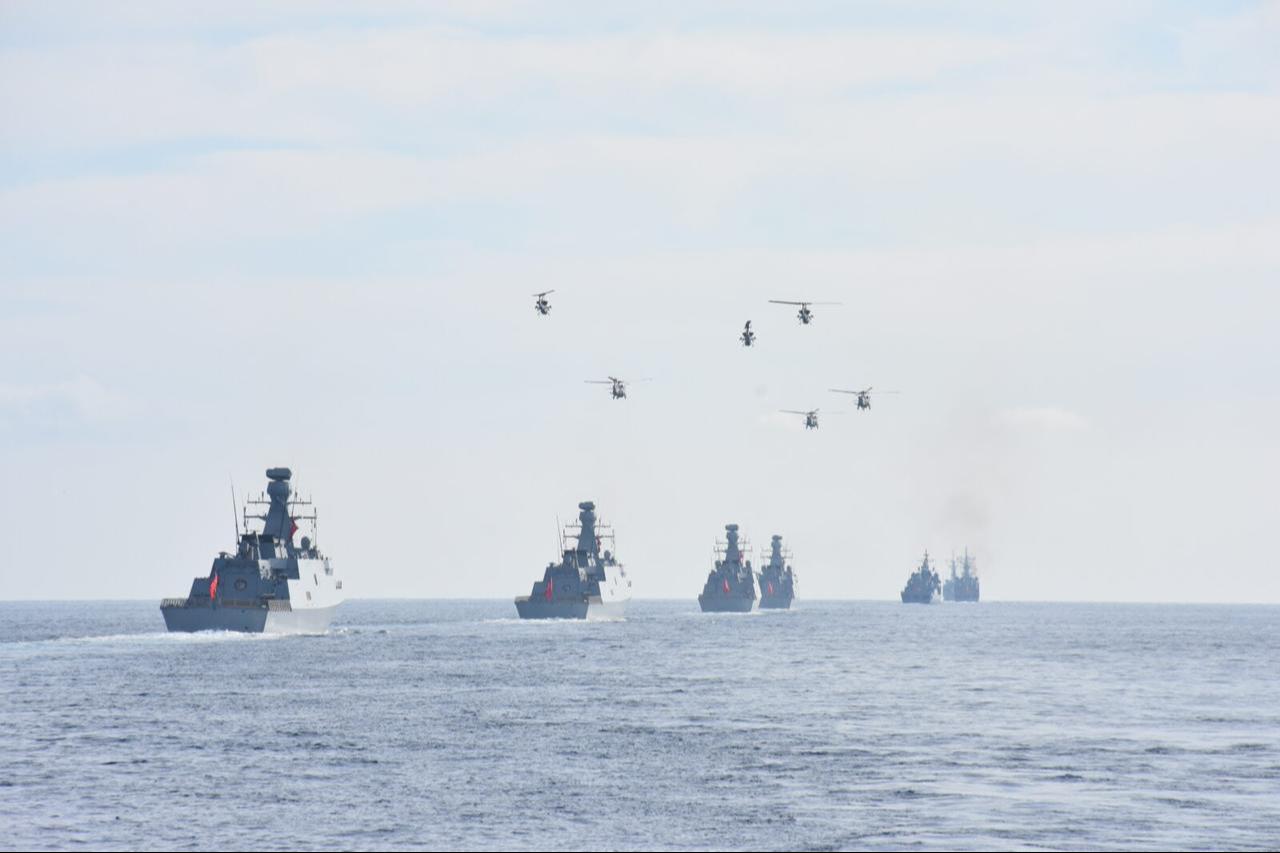

In remarks delivered in mid-January, Foreign Minister Hakan Fidan emphasized Türkiye’s commitment to a resolution rather than postponement.
"We will sit at the table with the intention and will to resolve the existing issues, and we will not leave the table until we succeed. That includes the issue in the Aegean, primarily," he said.
Fidan acknowledged the political risks involved for Greek leaders, noting that previous efforts to sign agreements with Türkiye have carried domestic political costs in Athens. However, he pointed to Mitsotakis’ recent electoral victory as a window of opportunity.
"Now, a political leader in Greece has to choose between solving problems with Türkiye and bringing peace to the region or risking their political career," Fidan stated.
He reiterated Türkiye’s readiness to move beyond exploratory talks and commit to a permanent solution, underlining the need for mutual political will.
Fidan also cited a decline in military tensions over the Aegean in the past two years, noting that aerial confrontations have decreased. He added that cooperation mechanisms, particularly on migration, are functioning effectively.
"We should seize this historic opportunity to permanently resolve the Aegean issue. I believe it is possible. This issue must be discussed rationally, based on both Türkiye’s and Greece’s national interests," Fidan concluded.


 Set as preferred source
 Set as preferred source


 1 min read
 1 min read