Newsletters




Since the outbreak of protests in Iran in late December, the Iranian opposition has criticized Türkiye’s position. Ankara has voiced clear opposition to what it views as a U.S.-Israeli operation aimed at destabilizing or fragmenting the country. Simultaneously, the Turkish opposition has faced backlash for remaining silent as mass protests continue in the neighboring nation.
But ultimately, can Türkiye’s stance really influence Iran’s fate?
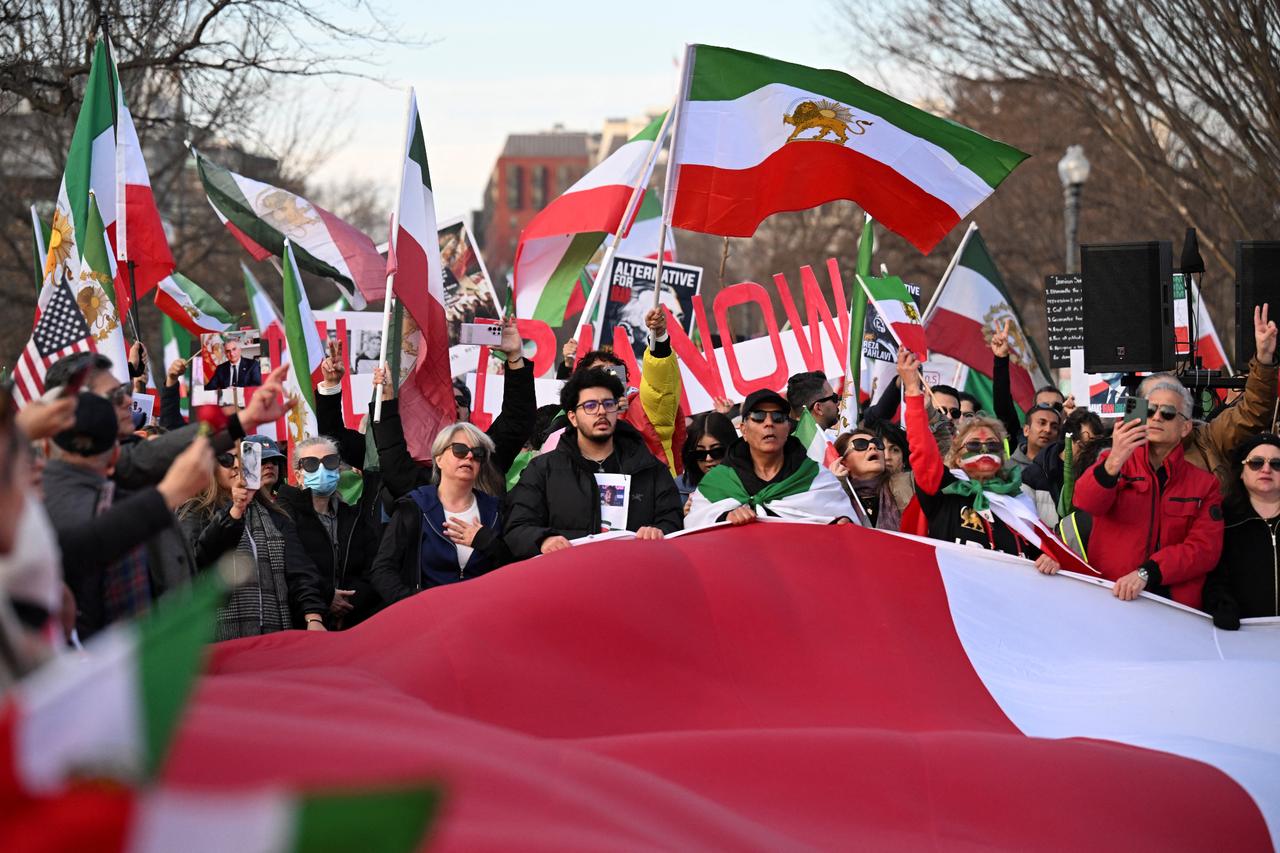
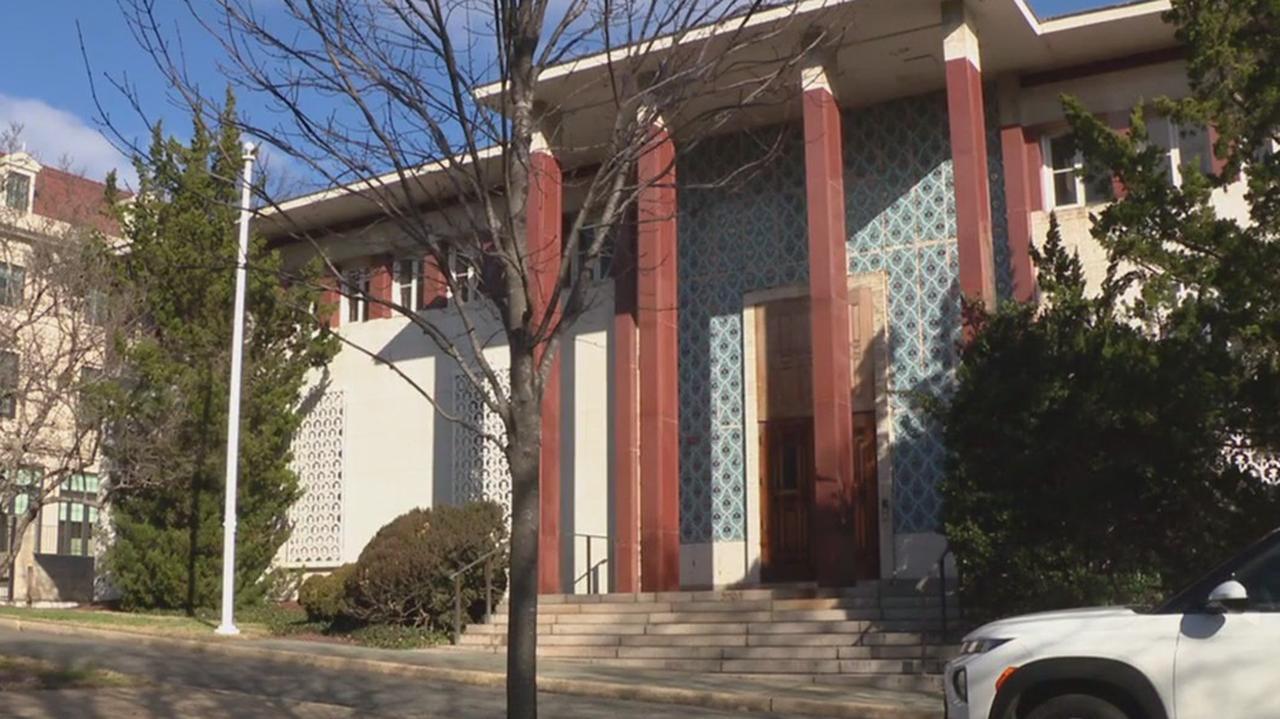
The weekly protest of the Iranian opposition in Washington, D.C. took place on Embassy Row last Saturday. Thousands of protestors gathered in Scott Circle. Afterward, they walked to the Iranian Embassy building, which has been deserted since 1980. The building, with its brown rectangular columns, blue tiles and dome, is reminiscent of the historic buildings of Isfahan.
Like some Shah-era monuments in Tehran, it feels as if time was frozen during the 1979 Islamic Revolution. One can almost see Ardeshir Zahedi, the Shah’s once son-in-law and last ambassador to the U.S., walking out from the wooden gates. The building was famous for its lavish parties in the 60’s and 70’s. Guests included American presidents and movie stars like Barbara Streisand and Liza Minnelli. I am quite sure that one of the longest-serving and most colorful Turkish foreign ministers, Ihsan Sabri Caglayangil, attended some of those parties as he was a close friend of Zahedi. Nowadays, it can only be a rally point for protestors.
On their way to this building, the crowds walked along the section of Massachusetts Avenue known as Embassy Row. As the name suggests, this area of Washington is home to many diplomatic facilities, including the Turkish and Qatari embassies. The residence of the Turkish ambassador and the office of the Turkish military attache are also located on the row.

The protestors, as they marched, briefly stopped in front of the Turkish embassy. Although they did not mention Türkiye by name, two protestors opened a banner at the gate of the embassy reading “How Much More Blood? Cut Ties with the Islamic Regime.”
Fingers pointed toward the building in accusation. Although they refrained from open criticism of Türkiye, the mood across opposition social media was more direct and disparaging. The Iranian opposition is, to put it mildly, disappointed by Türkiye’s vocal support for "stability" in Iran—a stance they view as synonymous with supporting the regime.
Both President Recep Tayyip Erdogan and Foreign Minister Hakan Fidan have emphasized that they hope for an end to the turmoil in Iran. On Jan. 19, President Erdogan said, “Following Israel’s attacks, Iran is facing a new challenge—a challenge that targets the country’s peace and stability … Our Iranian brothers will overcome this scenario by adopting a smart policy prioritizing dialogue and diplomacy.”
On the international front, Ankara, along with Qatar, advocates for a diplomatic solution between the U.S. and Iran. On Jan. 30, during the Iranian foreign minister’s visit to Türkiye, Fidan warned against a military conflict in the region. He also accused Israel of fueling the protests in Iran and lobbying the U.S. to attack Iran.
Ankara fears that a conflict would not just destabilize Iran but the whole region. If that conflict erupts, Ankara believes it can face a wave of refugees flocking to the Turkish-Iranian border. Türkiye already hosts a large refugee population, and public opinion is highly sensitive about more refugees arriving in the country.
Türkiye’s troubled economy could also be hit hard by surging oil prices and tourism cancellations. More importantly, Ankara believes a power vacuum in Iran could strengthen PJAK, the Iranian branch of the terrorist organization PKK along the Turkish border.
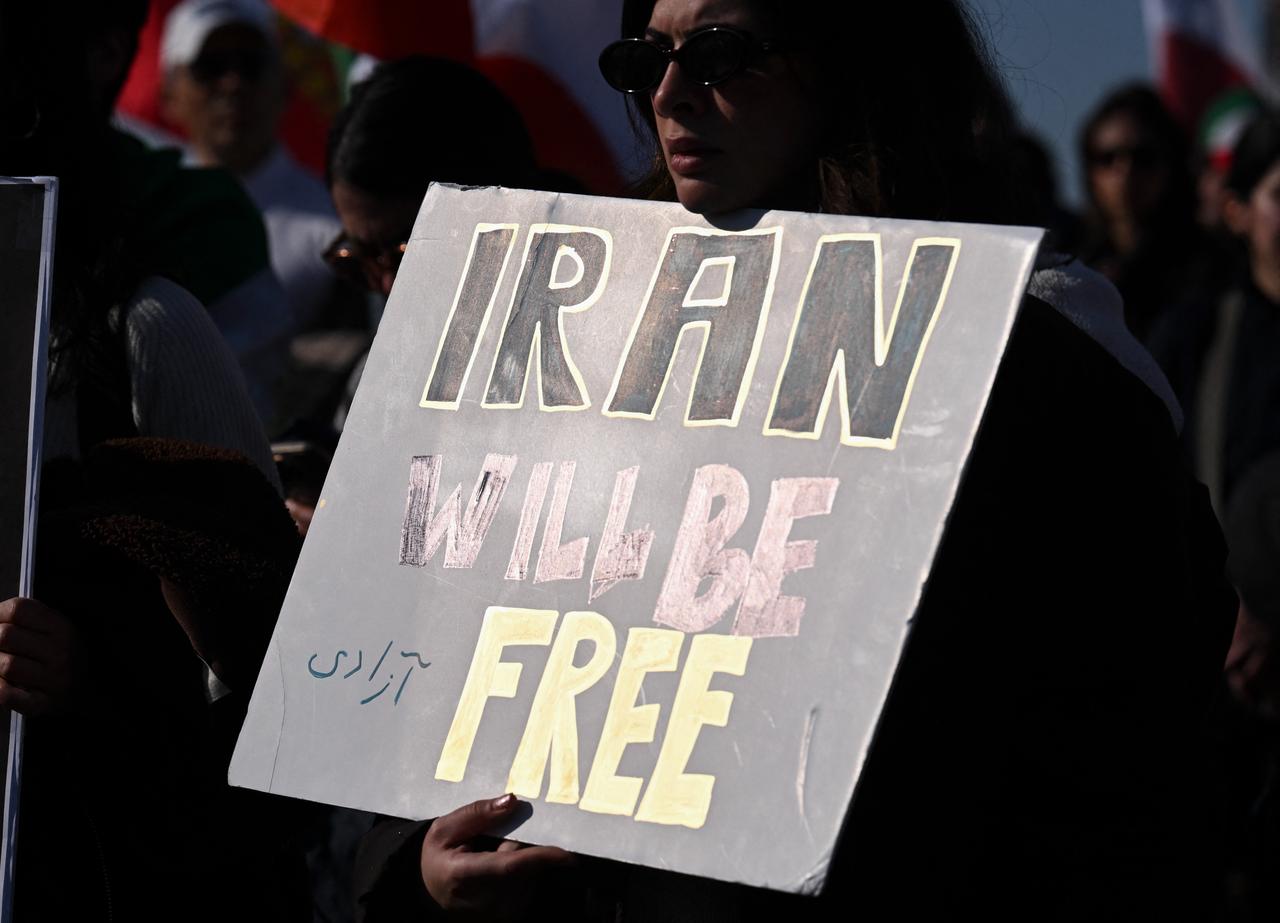
The Iranian opposition was deeply disappointed by the statements made by Turkish officials.
They also underlined that Türkiye’s "secular" opposition remained silent, as thousands of protestors were killed. This silence also upset Iranian dissidents who see the Turkish opposition as their "comrades."
The Iranian opposition has a dark view of Türkiye’s current policy. Many Iranian dissidents argue that Türkiye is benefiting economically and strategically from Tehran’s isolation. Pressure on Iran diminishes Tehran’s capacity to compete with Türkiye in the Middle East.
They believe that an Iran integrated into the global system would emerge as a formidable regional power. Türkiye, meanwhile, benefits from Iranian capital: Iranians purchase property, fill hotels, and many educated professionals choose to settle there.
In sum, the Iranian opposition believes that Türkiye would prefer a stable but weak Iran isolated from the world. They also claim that Ankara would not be happy to see a democratic and secular Iran in its neighborhood for ideological reasons.
Whether you agree with them or not, the Iranian opposition is missing an important point. Türkiye is a secondary actor in this conflict. Ankara can lobby for diplomacy, but ultimately, it cannot dictate the unraveling of Iran’s domestic policies or the trajectory of American intervention.
Militarily, Türkiye is not critical for the U.S. in a possible standoff with Iran. Therefore, Ankara cannot change or block U.S. military plans in any meaningful way.
Turkish public opinion remains deeply invested in Iran’s stability. For years, media commentators in Türkiye have argued that should Iran fall, Türkiye itself would become the West’s next target. Despite these strategic concerns, Iranian protesters—for understandable reasons—remain highly sensitive to Ankara’s stance. Their strong opinions on Türkiye’s role stem from a place of deep-seated affinity; they are overwhelmingly fond of the country.


 Set as preferred source
 Set as preferred source


 2 min read
 1 min read