Sign in
 Newsletters


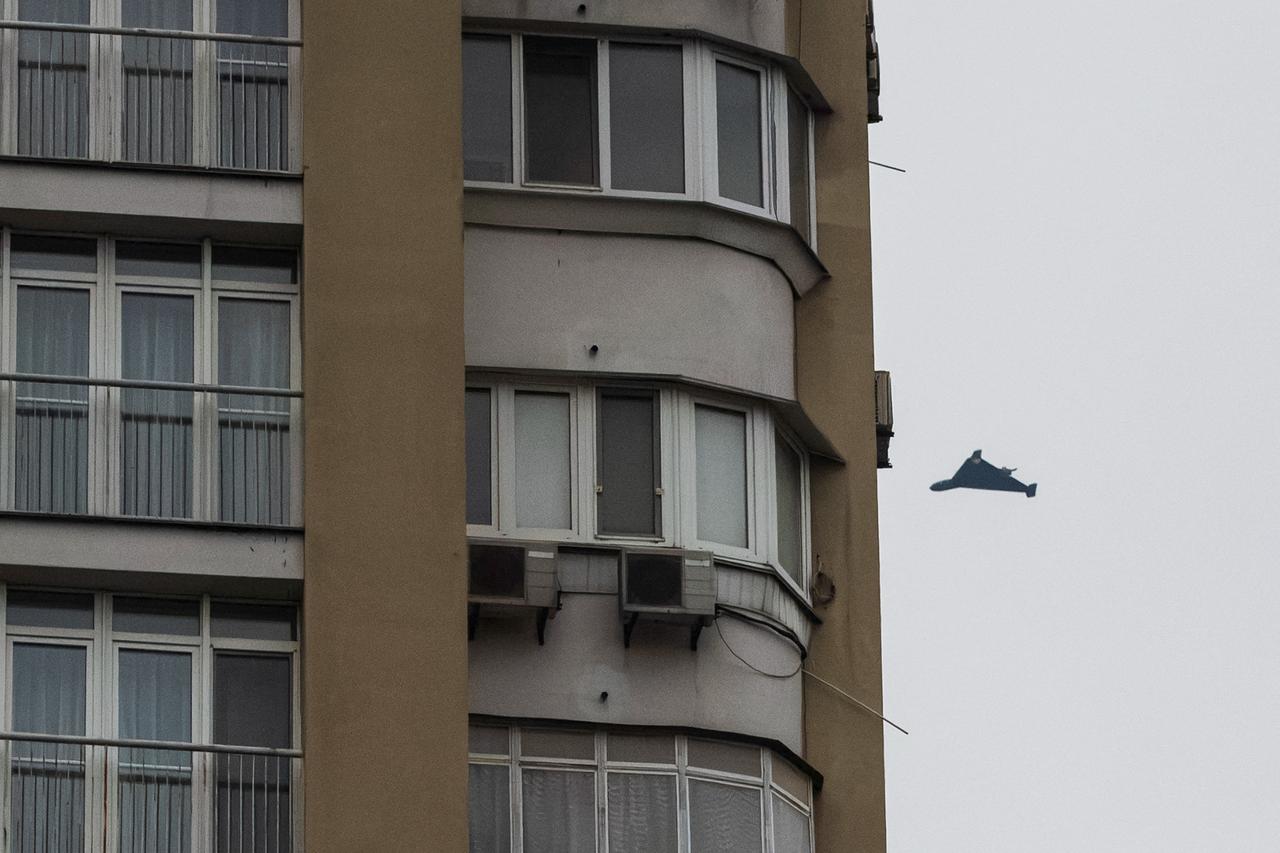


Polish Prime Minister Donald Tusk stated Friday that three Russian objects that crashed in Poland during a massive overnight attack on Ukraine appeared to be an "intentional provocation," noting they fell near a military exercise by Kyiv’s allies.
No one was injured.
"I don’t want to leave any room for interpretation. We know for sure that what fell on Polish soil is from Russia," Tusk told a televised news conference, adding that NATO’s secretary-general and foreign partners shared the assessment. "It does not look accidental. It seems that we are dealing with an intentional provocation."
"It is not by chance that these objects fell close to the place where maneuvers of the ‘Coalition of the Willing’ troops, supported by Polish soldiers, are taking place in Nowa Deba," he said, stressing it remained a hypothesis.
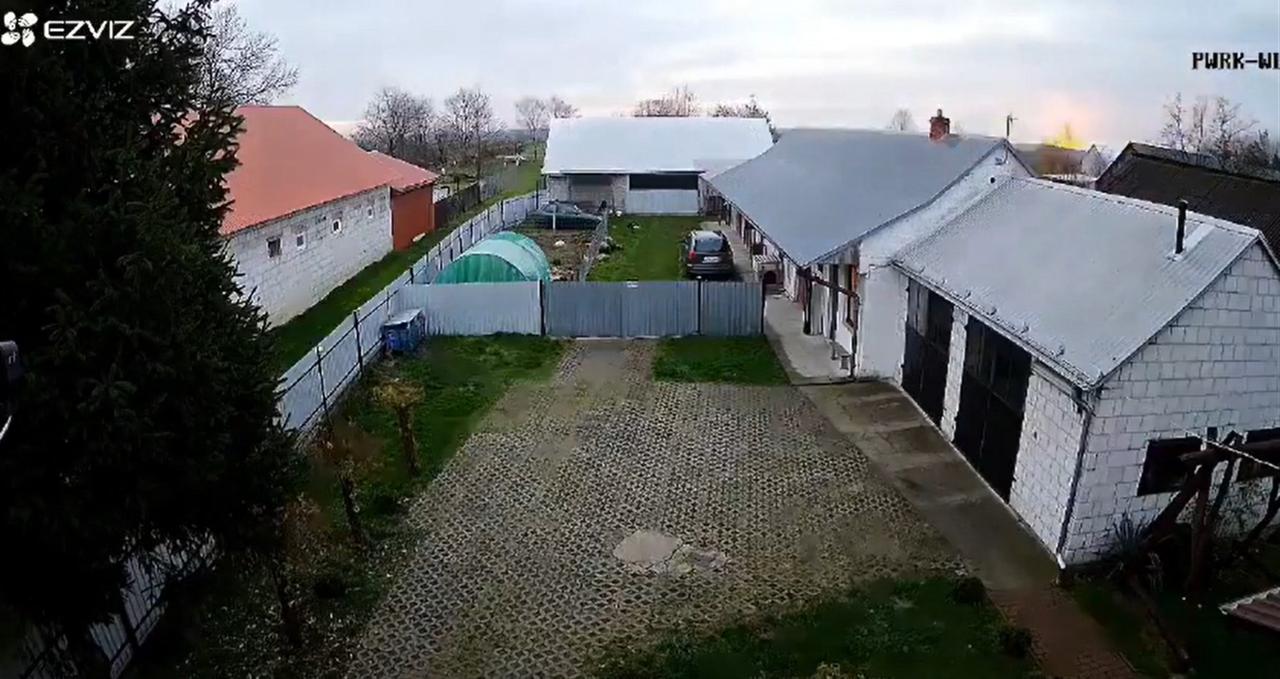
Defense Minister Wladyslaw Kosiniak-Kamysz said the objects were believed to be two missiles and a jet-powered drone that came down in Nowy Lipowiec in Lublin province and in Molodycz and Rudnik nad Sanem in Podkarpackie province.
"In Nowy Lipowiec, we can already say that it was a Kh-101 missile. In the second place there is also talk of a missile, and in the third it was most likely a jet drone," he said.
One object traveled about 50 kilometers into Polish territory, he said.
The missile in Nowy Lipowiec fell around 200-300 meters from homes at 6:36 a.m. and exploded, local officials and government spokesman Adam Szlapka said.
Prosecutors opened an investigation into endangering the lives of many people and illegal violation of Polish airspace.
"This attack by the Russian Federation on the territory of Ukraine, with an impact on the Republic of Poland, was one of the largest since the beginning of the full-scale war," Kosiniak-Kamysz said, adding Russia is "crossing further lines."
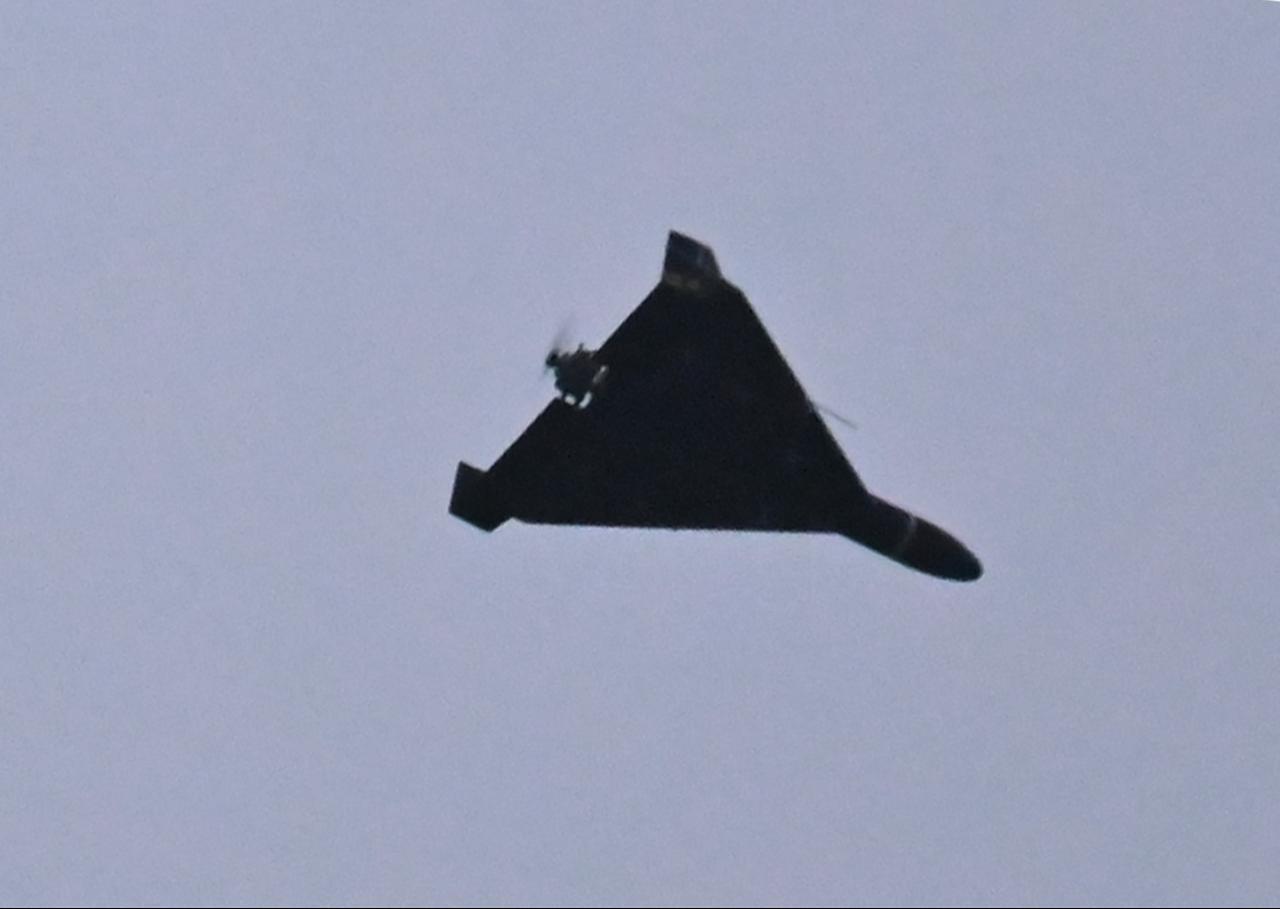

Russia used 26 Kalibr cruise missiles, 72 Kh-101 missiles and 503 drones, including 202 jet-powered drones, launched by seven Tu-95MS and four Tu-160 bombers, Operational Commander Gen. Ireneusz Nowak said. Eleven objects posed a direct risk of entering Polish airspace, and three crossed the border.
No weapons were fired because not all conditions for engagement were met, he said.
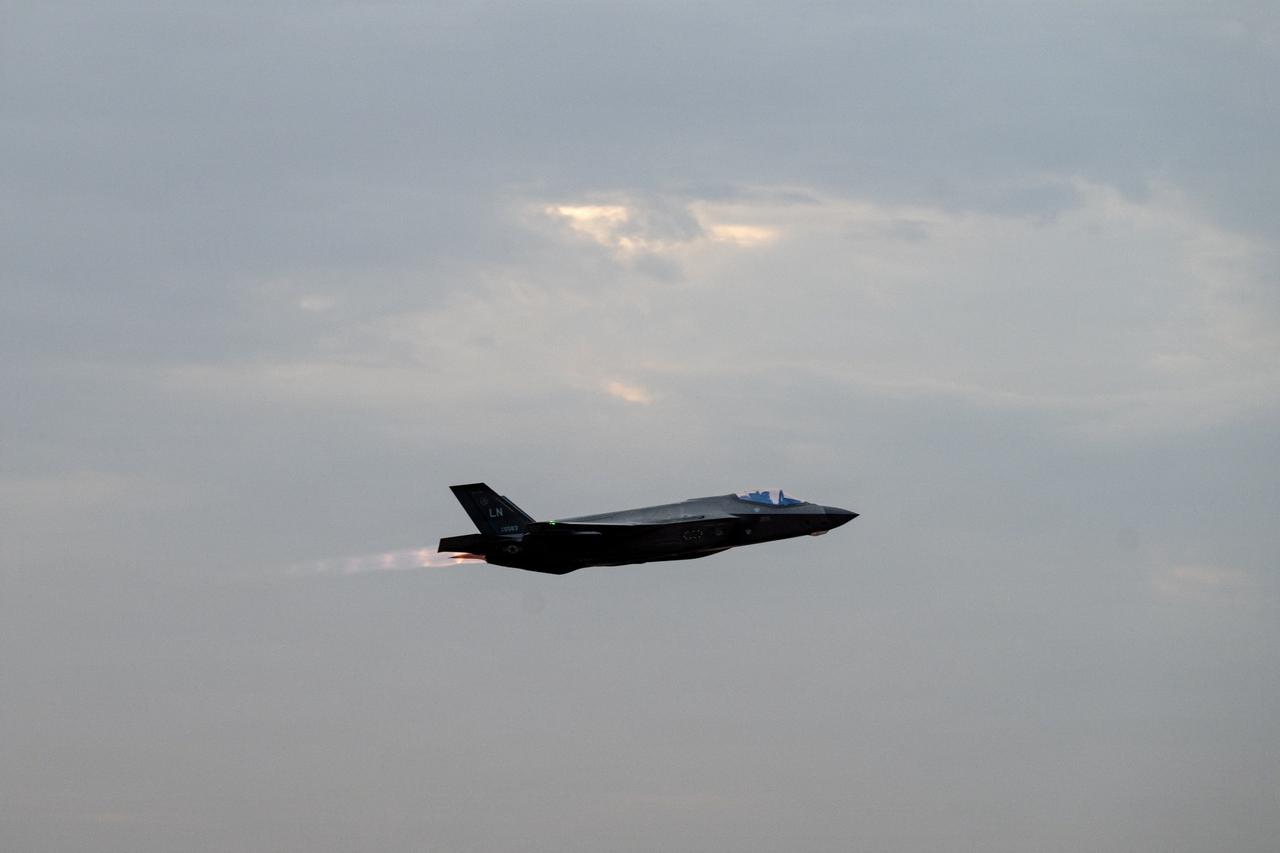
Polish F-16s and Swedish Gripens flew through the night, supported by a Dutch tanker and a Saab early-warning plane, and Patriot systems near Rzeszow-Jasionka airport and Swidnik were activated, the defense minister said.
The air traffic control tower at Rzeszow-Jasionka was evacuated, and rail traffic in Podkarpackie was briefly halted.
NATO Secretary-General Mark Rutte condemned “grave violations” of Polish airspace after speaking with Tusk.
"NATO jets were scrambled in response. We stand in solidarity with Poland and will continue to strengthen our ability to deter and defend. This incident is clearly dangerous — a consequence of Russia’s ongoing war against Ukraine," he wrote.
Kosiniak-Kamysz said he would ask Rutte for additional forces for NATO’s Eastern Sentry operation, including an AWACS aircraft, and called for an extraordinary alliance meeting.
Hungarian Foreign Minister Anita Orban said such incidents "cannot be tolerated," while British Defense Secretary Wes Streeting, arriving in Poland, called it "a very serious matter."
The Russian assault targeted Kyiv and western Ukraine, damaging bridges over the Dnipro River and killing at least three people, Kyiv authorities said, as Poland investigated the Russian provocation.


 Set as preferred source
 Set as preferred source


 1 min read
 1 min read