Sign in
 Newsletters


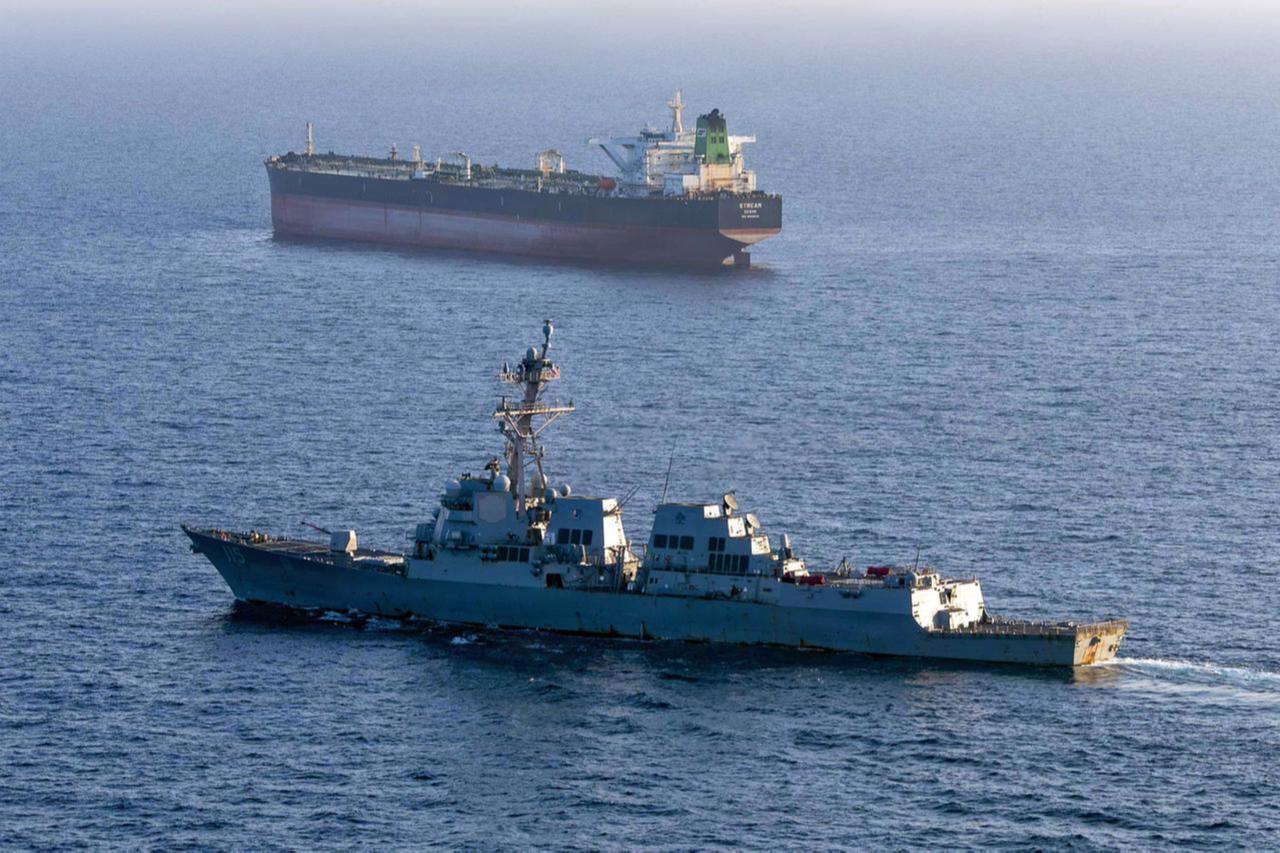


Iran is stepping up efforts to get its crude oil back onto international markets, with reports of ship-to-ship transfers emerging as Foreign Minister Abbas Araghchi signaled Tehran's determination to challenge the U.S. naval blockade.
Speaking to reporters at an exhibition in Tehran on Friday, Iranian Foreign Minister Abbas Araghchi was asked about reports that Tehran was preparing to send tankers loaded with crude toward China and use ship-to-ship transfers to resume exports.
"We are making every effort regarding oil exports and negotiations. The blockade must be broken," Araghchi responded.
Iranian media affiliated with the Islamic Revolutionary Guard Corps have also floated the idea of dispatching a convoy of crude-loaded tankers to China in defiance of the U.S. blockade.
The proposal reportedly rests on the possibility that threats of Iranian retaliation against targets in neighboring Gulf countries could deter Washington from enforcing its restrictions.
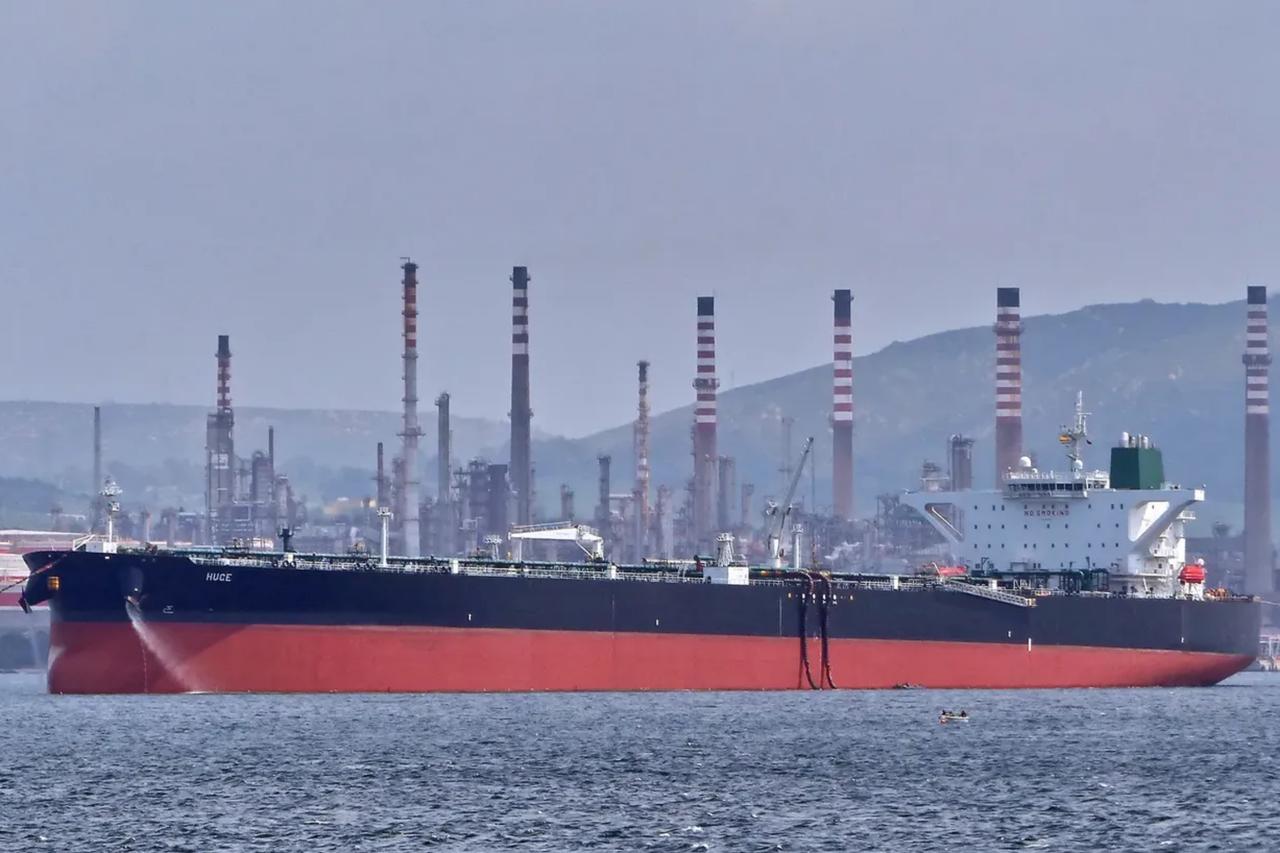
Iranian crude was transferred from a U.S.-sanctioned Suezmax tanker to a medium-range vessel not subject to sanctions, according to anti-Iran organization United Against Nuclear Iran (UANI) and vessel-tracking firm Kpler.
UANI identified one such operation on Nov. 17, when a tanker named OLYM transferred approximately 200,000 barrels of Iranian crude to a smaller, non-sanctioned vessel called HAO FAN south of Kharg Island, Iran's main oil export terminal.
The receiving tanker reportedly spoofed its location, appearing to be near Shinas in the Gulf of Oman rather than disclosing its actual position.
Beyond these transfers, Iran is reportedly preparing a larger operation involving a convoy of oil tankers bound for Asian markets.
Euronews reported Friday that more than 14 tankers had been assigned crews and raised Iranian flags ahead of a planned departure from Kharg Island toward the Gulf of Oman and the Sea of Oman.
The reported preparations point to two approaches Tehran could use to resume crude shipments: transferring oil to vessels not directly subject to sanctions and sending loaded tankers toward international waters despite the U.S. blockade.
The U.S. Central Command (CENTCOM) warned Wednesday that vessels receiving cargo through ship-to-ship transfers involving Iranian-linked ships could be treated as attempting to evade the blockade, even if they never enter Iranian ports.
Under the advisory, such vessels could be stopped, boarded, diverted, captured, or ordered to proceed to the Iranian port where their cargo originated.
CENTCOM's warning specifically covers ships receiving cargo from vessels carrying oil loaded at an Iranian port or coastline, extending the potential reach of the blockade beyond ships directly calling at Iranian ports.
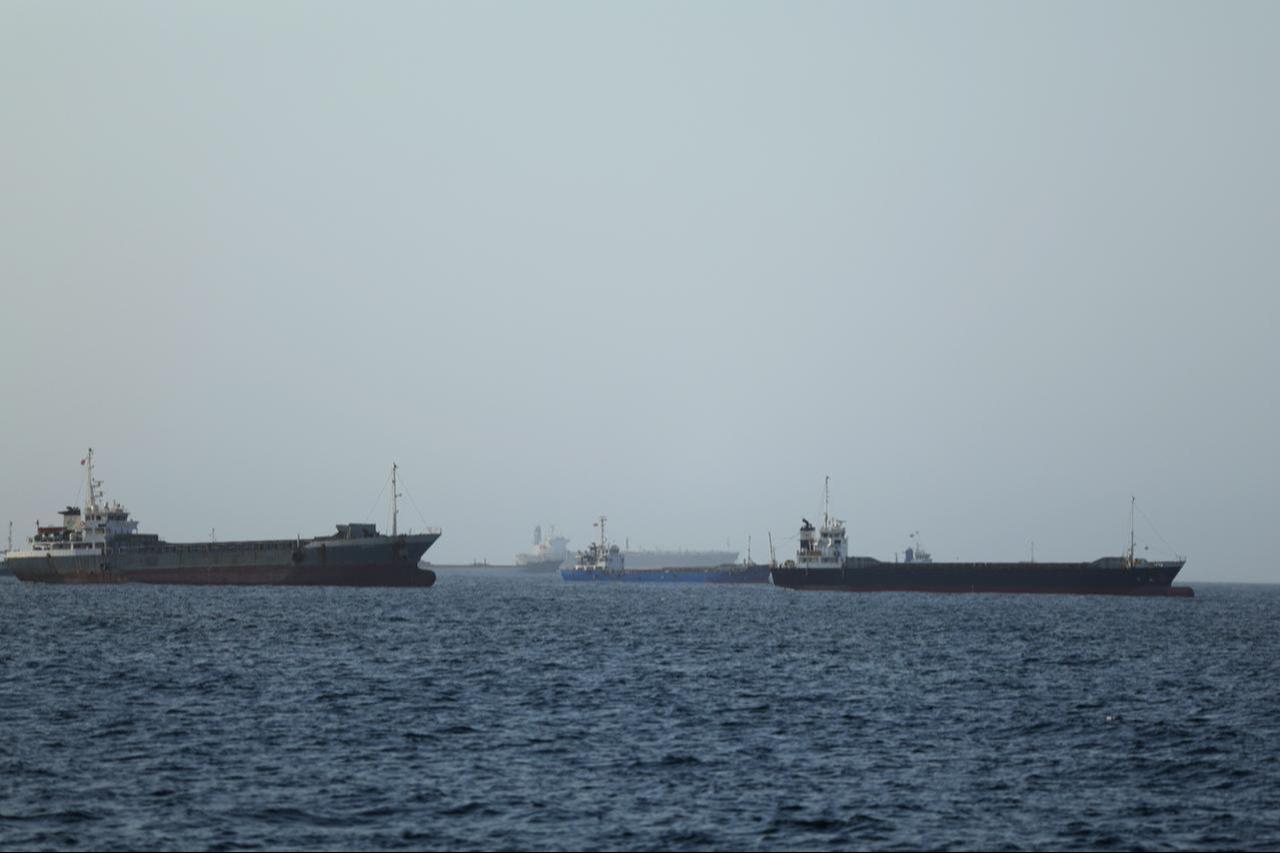

The U.S. first imposed its naval blockade on April 13, lifted it in June after Washington and Tehran reached a draft understanding, and reinstated it on July 14 after the agreement collapsed.
The renewed restrictions have dealt a major blow to Iran's oil trade, cutting off much of its access to China, its main remaining crude buyer, and depriving Tehran of a crucial source of foreign-currency earnings.
With fewer shipments reaching overseas buyers, Tehran has increasingly relied on crude held in floating storage to maintain sales. However, those stockpiles have also dwindled, further limiting the country's ability to generate export revenue.
Iran had previously built up substantial offshore inventories by transferring crude between tankers in waters near Malaysia, allowing shipments to reach Chinese buyers without vessels making direct deliveries from Iranian ports.
However, this supply has increasingly dried up as existing cargoes have been unloaded and fresh shipments have struggled to get past the U.S. blockade.
An October assessment by United Against Nuclear Iran (UANI) estimated that only 0-5 million barrels of Iranian crude remained in floating storage at Malaysia's Eastern Outer Port Limits, down sharply after more than 70 million barrels of oil and petrochemical cargoes left the Gulf of Oman during the period when Washington temporarily lifted its restrictions.


 Set as preferred source
 Set as preferred source


 1 min read
 1 min read