Newsletters


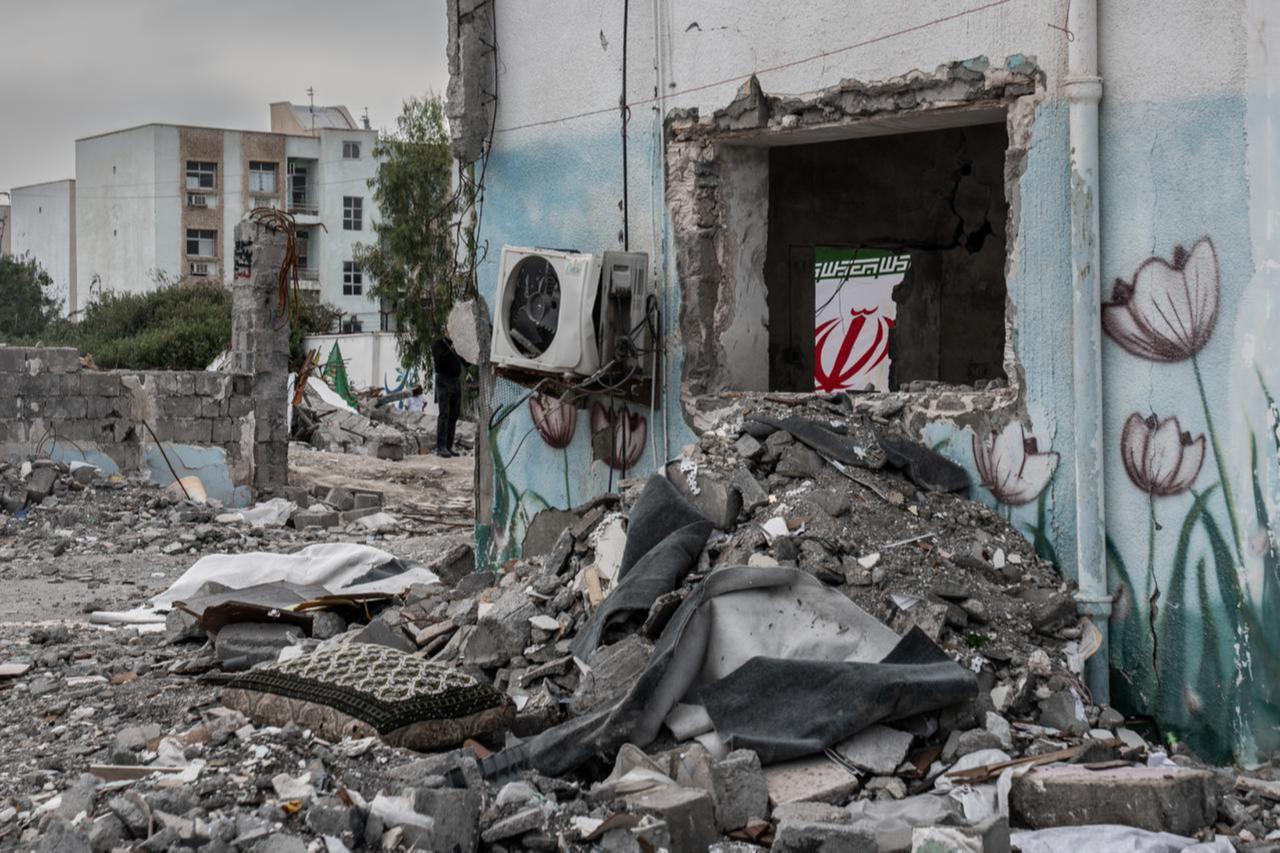


The United Arab Emirates carried out dozens of airstrikes against Iran during the war, in deeper involvement than previously known, The Wall Street Journal reported, citing people familiar with the matter.
The strikes began in the early days of the war and continued through the day after the April cease-fire was announced, according to the report.
The attacks were conducted in coordination with the U.S. and Israel, both of which provided intelligence, the people said.
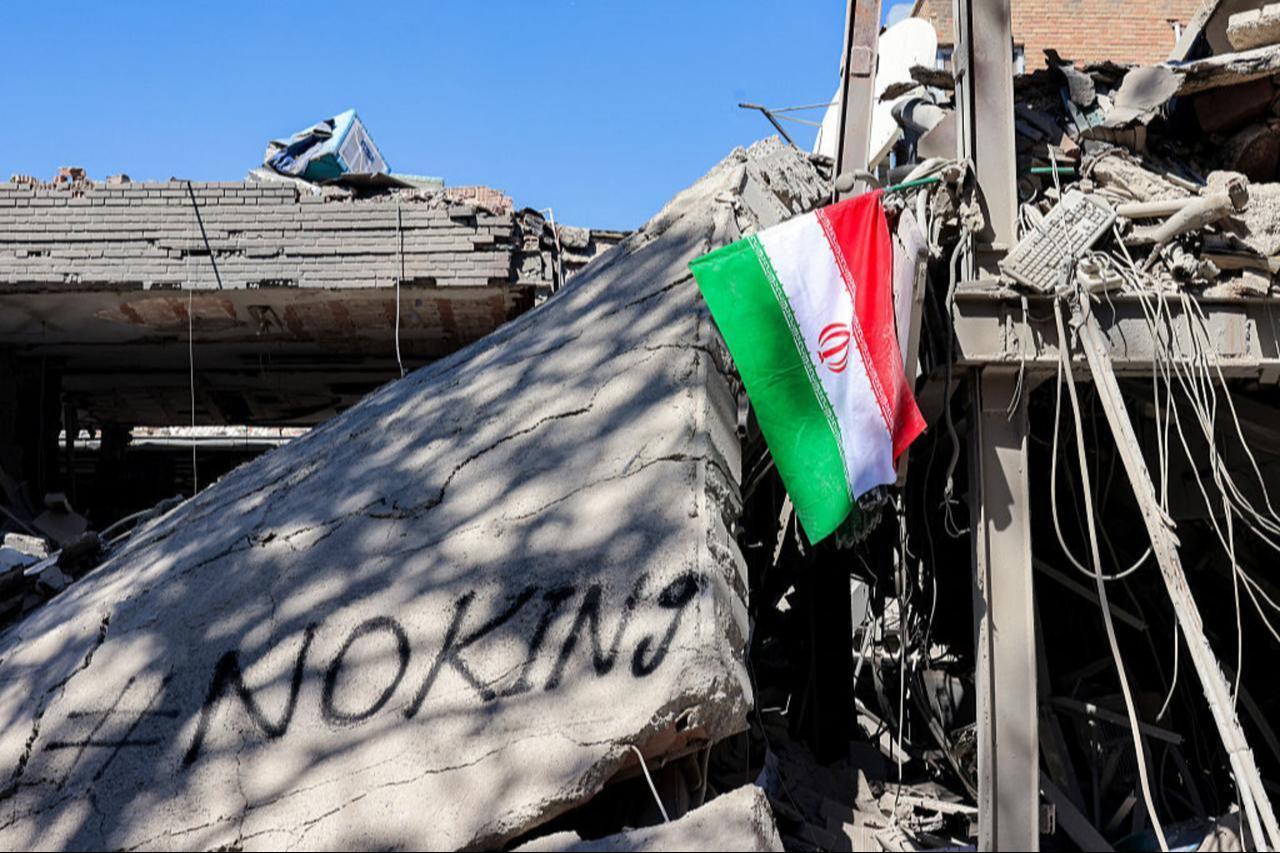

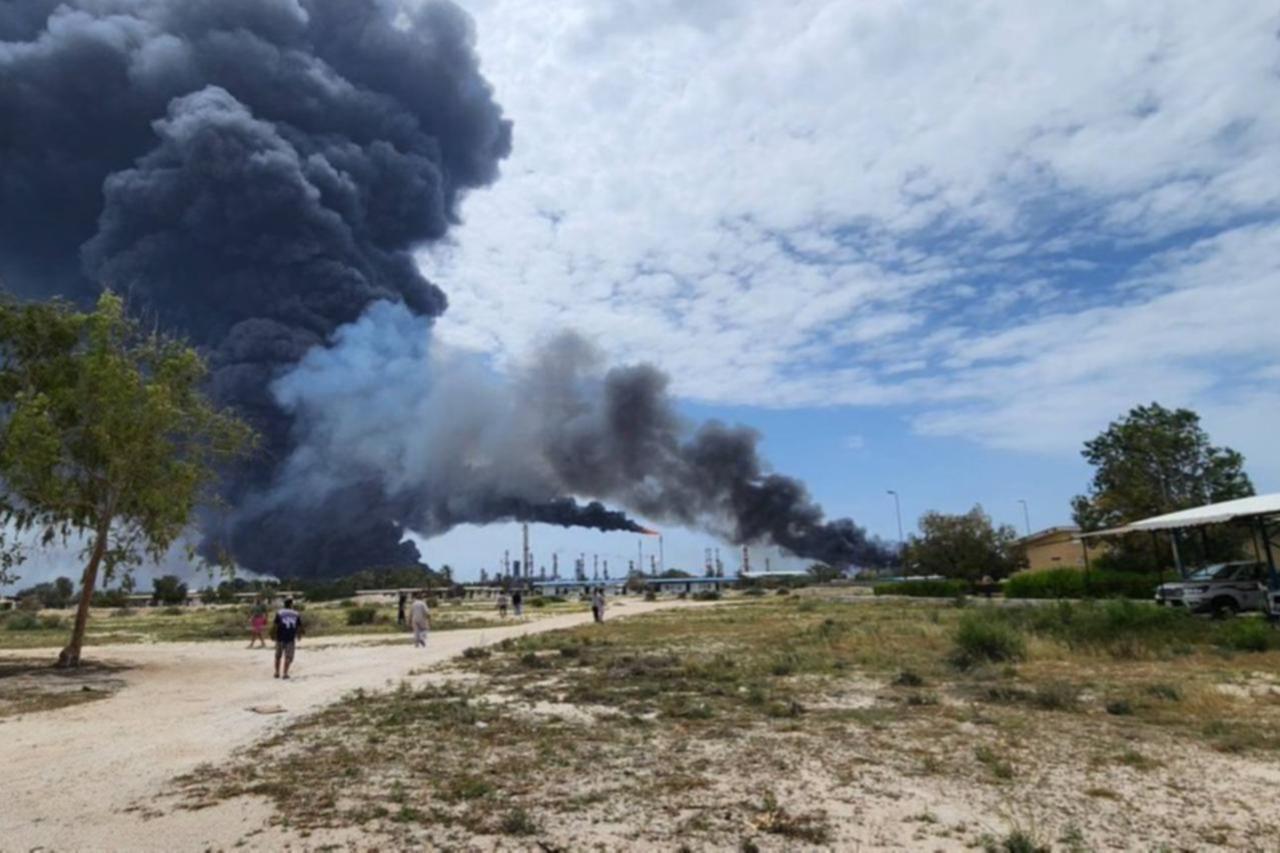
The targets included Qeshm and Abu Musa islands in the Strait of Hormuz, Bandar Abbas, the Lavan island oil refinery in the Persian Gulf and the Asaluyeh petrochemical complex, according to the report.
Some strikes targeted Iranian energy facilities in response to Tehran’s attacks on U.A.E. oil and gas infrastructure.
The strike on Asaluyeh, carried out with Israel, drew significant international backlash and led the U.S. to ask Israel to stop targeting energy facilities.
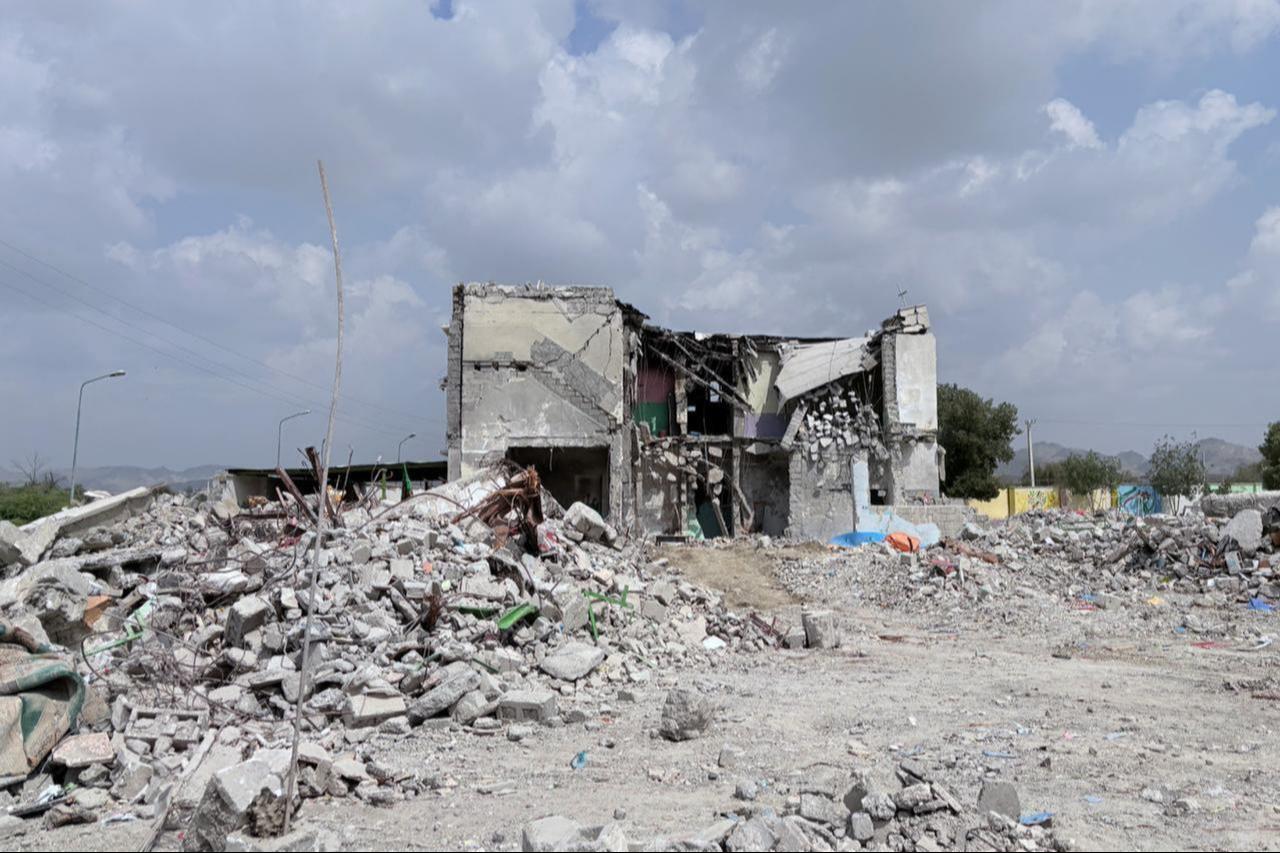
The U.A.E. suffered the heaviest Iranian attacks among Gulf states, with Tehran targeting it with more than 2,800 missiles and drones, far more than it fired at any other country, including Israel.
 1 min read
The scale of the U.A.E.’s response showed its growing willingness to protect what it sees as strategic interests, setting it apart from Gulf neighbors that took a more cautious approach toward Iran.
Saudi Arabia complained to the U.S. in early April that Emirati attacks were increasing the risk that regional energy facilities could come under Iranian fire, according to the report.
Saudi Arabia wanted Washington to pressure the U.A.E. to stop retaliatory strikes and join regional diplomatic efforts.
The U.A.E. Foreign Ministry said Iran was fully responsible for the attacks and their consequences.
Saudi Arabia has publicly condemned attacks on the Gulf but has taken a less confrontational approach and worked through diplomacy.
The war strengthened ties between the U.A.E. and Israel, according to the report.
Israel sent Iron Dome batteries and troops to defend the U.A.E. during the conflict, with dozens of Israeli troops still stationed at a military complex in the Gulf country.
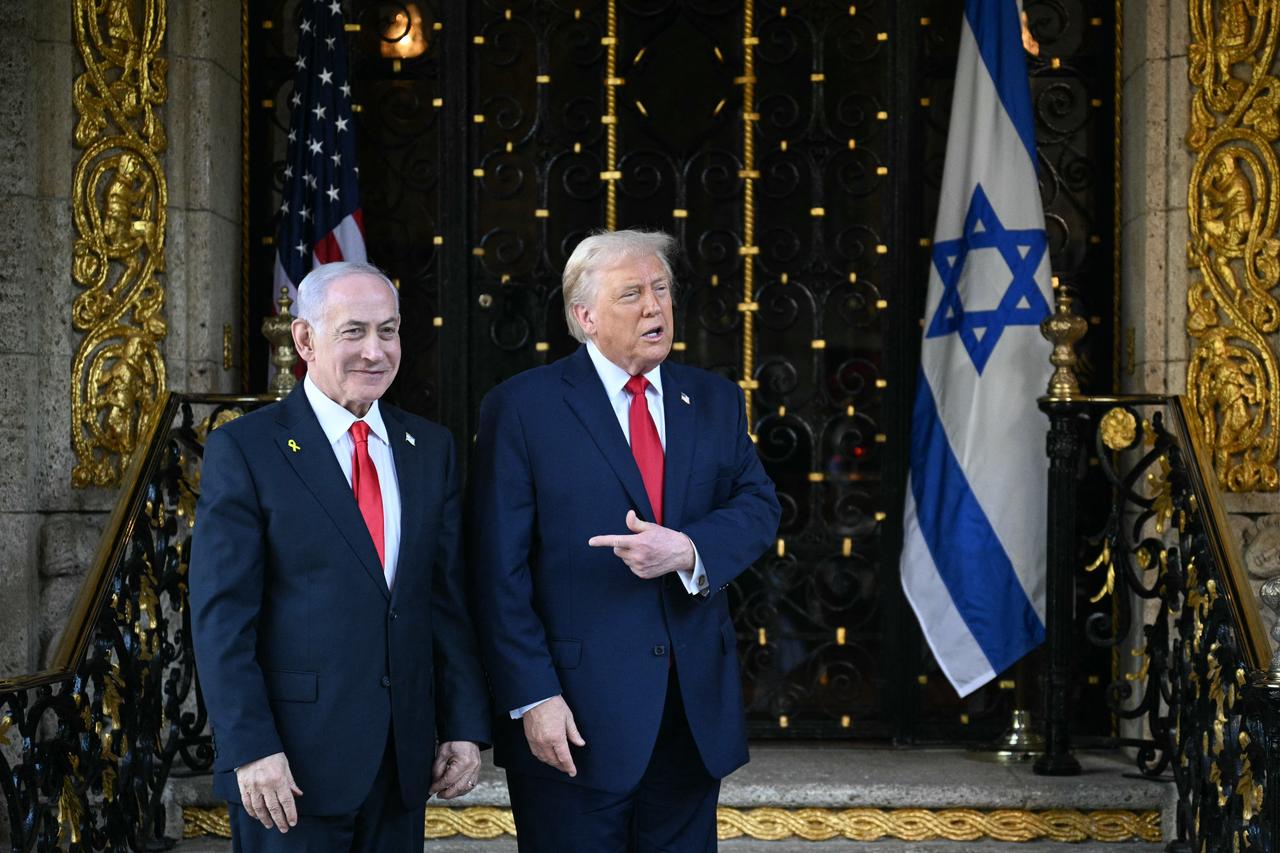
Top Israeli officials, including Prime Minister Benjamin Netanyahu, the heads of Mossad and Shin Bet, and Israel’s chief of staff, secretly visited the U.A.E. during the war to coordinate on Iran.
The U.A.E. also backed draft U.N. resolutions authorizing force if needed to break Iran’s control over the Strait of Hormuz. It also acted against Iranian financial interests by closing schools and clubs in Dubai linked to Tehran and denying visas and transit rights to Iranian citizens.
Iran has repeatedly accused the U.A.E. of joining the U.S. and Israeli campaign.
The U.A.E. has recently taken a more accommodating stance, pushing for diplomatic solutions as the conflict put its energy facilities at risk.


 Set as preferred source
 Set as preferred source


 1 min read