Newsletters


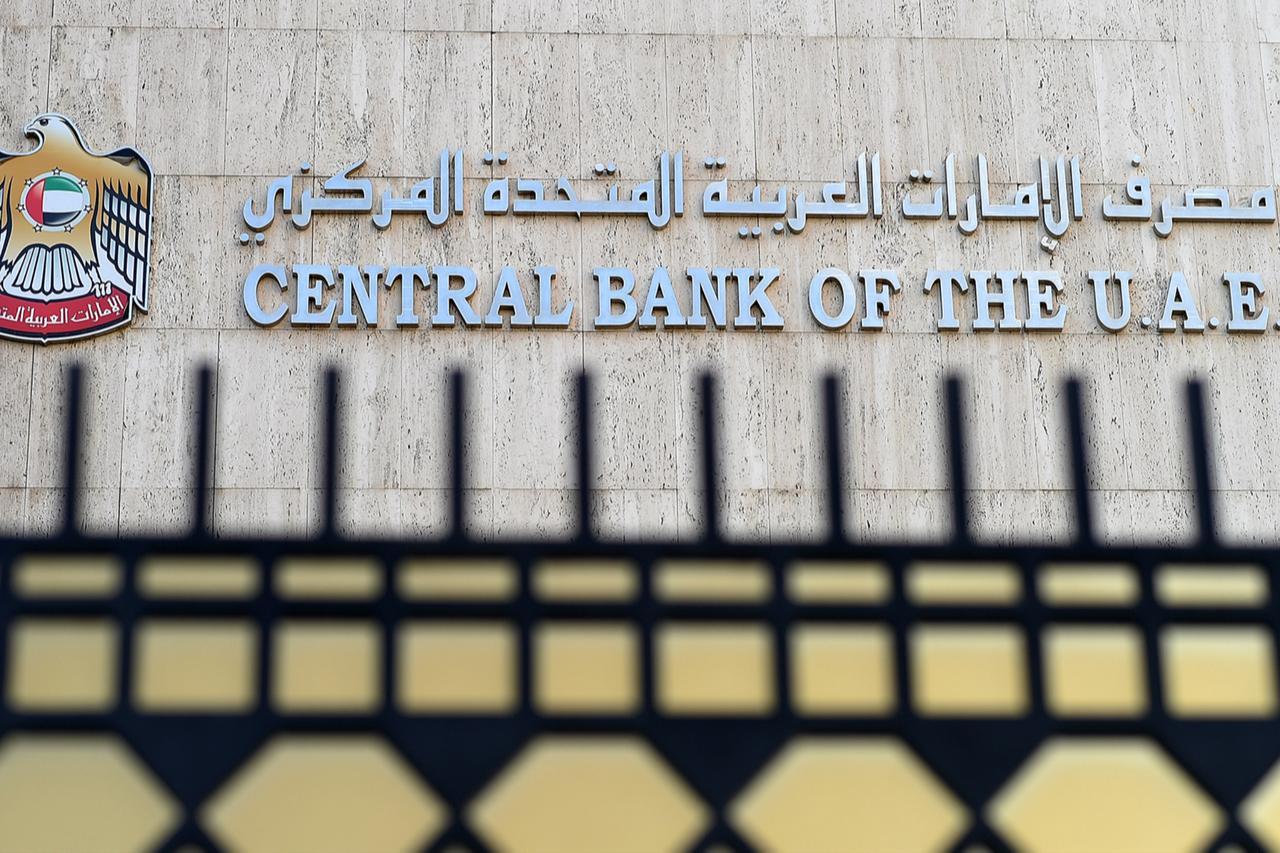


The Central Bank of the United Arab Emirates (CBUAE) said Tuesday it had launched a “resilience package” for banks to safeguard financial stability and support the broader economy as the Middle East war heightens regional risks.
The package, approved by the central bank’s board, is designed to support the banking sector amid what the regulator described as “exceptional global and regional circumstances.”
Under the measures, banks will be granted greater access to liquidity and temporary flexibility to draw on capital buffers to maintain credit flows to the economy.
The central bank said the package is underpinned by foreign exchange reserves exceeding 1 trillion dirhams ($272.29 billion).
As part of the package, lenders will be allowed enhanced access to reserve balances of up to 30% of cash reserve requirements, along with term liquidity facilities in both UAE dirhams and U.S. dollars.
The measures also include temporary relief from liquidity and stable funding ratios, as well as the release of the countercyclical capital buffer and capital conservation buffer.
The announcement comes as analysts warn Gulf lenders could face pressure if the regional conflict intensifies.
S&P Global Ratings said Monday that banks in the Gulf could see domestic deposit outflows of up to $307 billion in a more severe conflict scenario, though it added there are no current signs of significant foreign or local funding withdrawals.
The CBUAE said liquidity conditions remain strong, noting that total liquidity held by UAE banks at the central bank, together with net eligible assets for central bank operations, stands near $250 billion.
Of that amount, reserve balances alone exceed $109 billion.


 Set as preferred source
 Set as preferred source


 1 min read
 1 min read