Newsletters


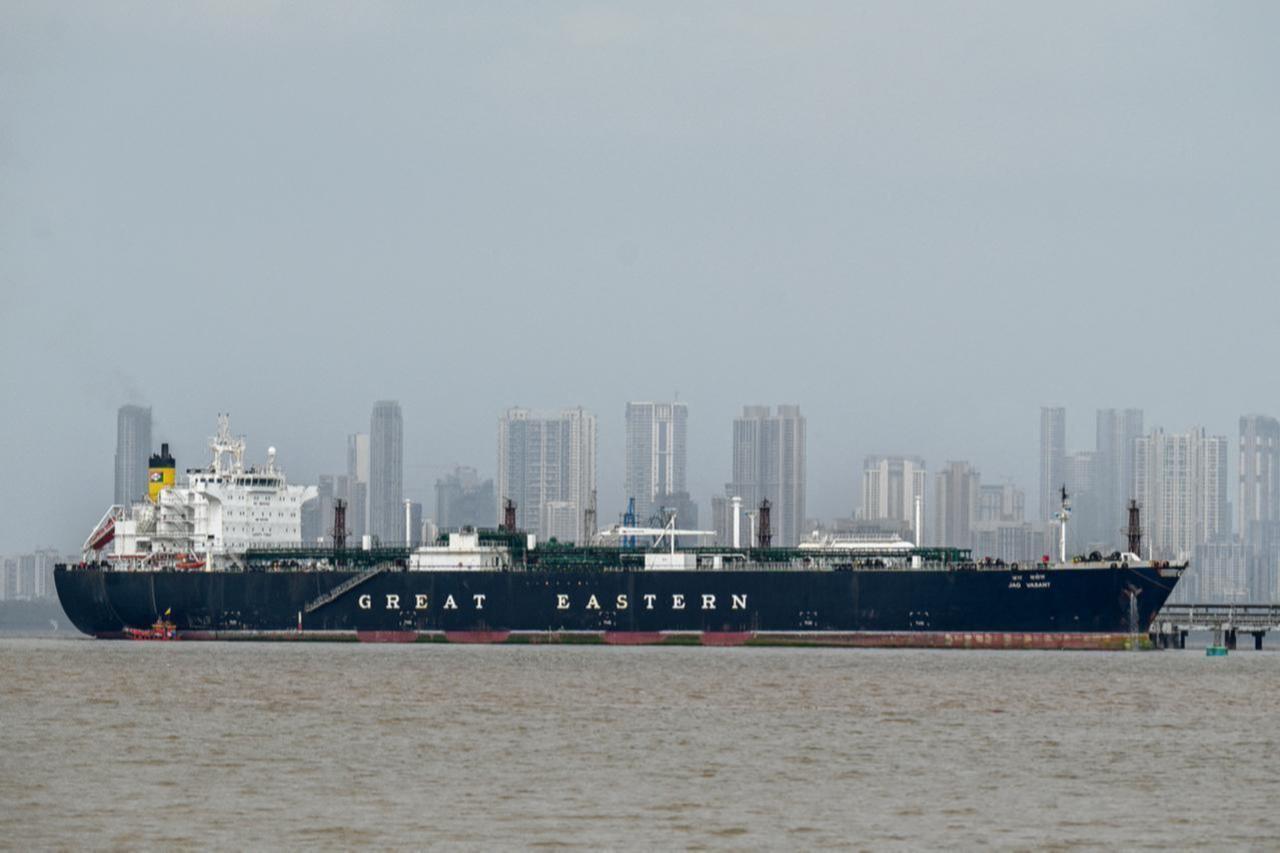


Iran has warned that any vessel attempting to transit the Strait of Hormuz without prior authorization will be "targeted and destroyed," as major shipping companies held back from resuming sailings through the critical waterway and called for greater certainty before committing to routes through the Gulf.
Iranian coastguards issued the warning on Wednesday even as the country's state television reported that the first vessel had passed through the strait with Tehran's permission following a ceasefire agreement. MarineTraffic data showed two Greek-owned and one Chinese-owned bulk carriers transiting since early Wednesday, though the identity of the permitted vessel was not immediately clear.
The world's largest container carriers stopped well short of declaring a return to normal operations. Denmark's Maersk said the situation may create transit opportunities but did not yet provide full maritime certainty. German carrier Hapag-Lloyd said it needed to see the ceasefire hold before taking orders for selected markets, with its chief executive Rolf Habben Jansen telling customers on a call that restoring flows to normal could take at least six to eight weeks.
Lars Barstad, chief executive of oil tanker group Frontline, said the firm was still assessing the situation. "I want to see the fine print," he told Reuters. Bimco Chief Safety and Security Officer Jakob Larsen warned that vessels leaving the Gulf without prior coordination with U.S. and Iranian authorities would face heightened risk.
Iran has previously arranged safe-passage agreements with several countries, including India and Iraq, and said it would offer coordinated transit through its armed forces, though the conditions attached to that offer have given the industry pause.
The human and commercial cost of the closure has been substantial. Some 187 laden tankers carrying an estimated 172 million barrels of crude oil and refined products were inside the Gulf as of Tuesday, according to ship tracker Kpler. The six-week disruption had brought traffic through the strait, which handles roughly 20 percent of global oil and liquefied natural gas shipments, close to a standstill, pushing energy prices sharply higher worldwide.
Asian economies, the primary buyers of oil shipped through the strait, have been among the hardest hit. Shipping sources said interest in loading Gulf cargoes had picked up among Asian refiners, as well as commodity trader Glencore and French oil major TotalEnergies, both of which declined to comment. Anoop Singh, global head of shipping research at Oil Brokerage, said more than 50 very large crude carriers and around 15 Suezmax tankers could soon exit the Gulf, predicting that "tankers and oil flowing to Iranian-friendly countries" would be first to move.
Britain said on Wednesday it would work with the shipping, insurance and energy sectors to try to restore confidence in use of the Strait of Hormuz, a sign that governments are treating the waterway's status as an active policy concern rather than a resolved one.


 Set as preferred source
 Set as preferred source


 1 min read
 1 min read