Newsletters


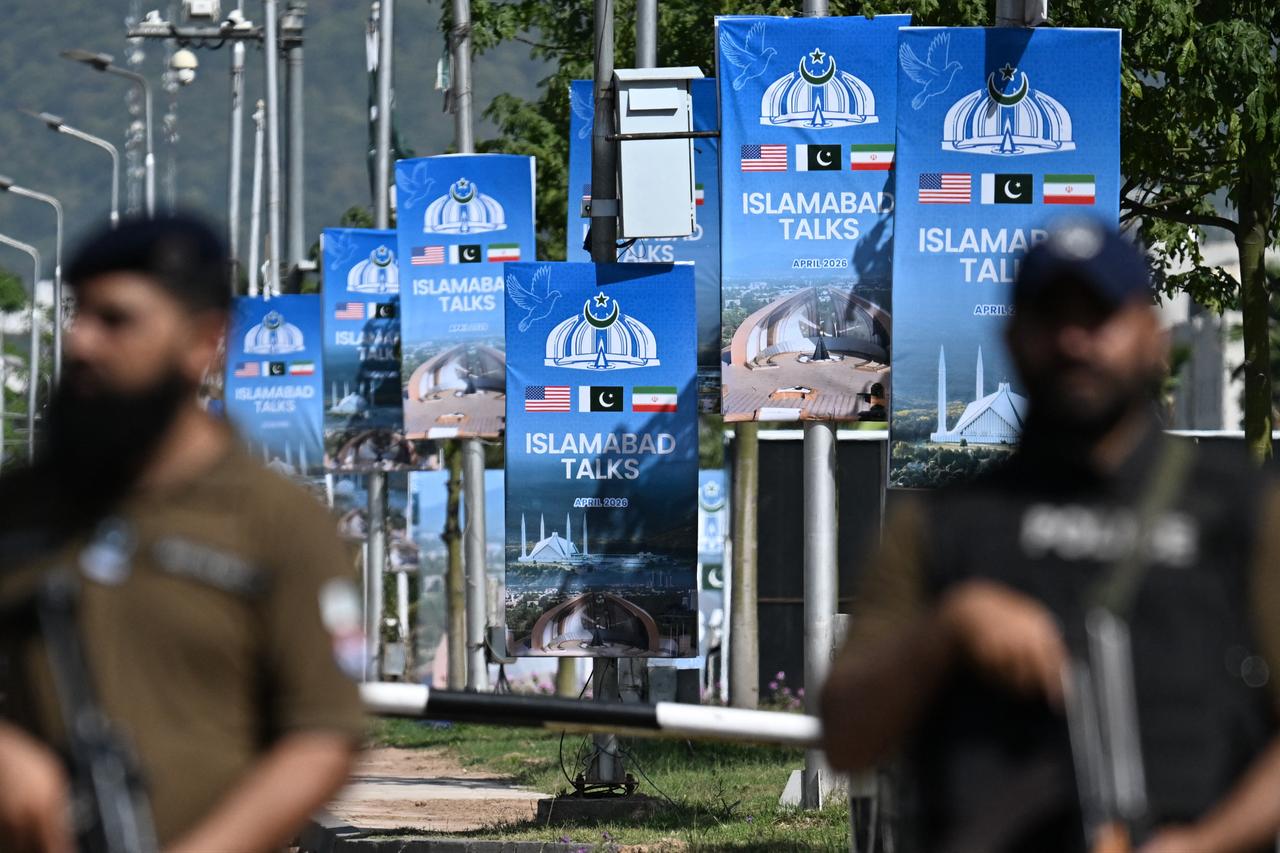


Iran’s ambassador to Russia, Kazem Jalali, said the U.S. and Israel failed to achieve their objectives in attacking Iran and won’t gain through negotiations what they couldn’t win in war.
He also denied reports of Russian military or intelligence support and stated that transit through the Strait of Hormuz is continuing under a new legal framework.
In an interview with the Russian newspaper Vedomosti, Jalali said Washington's objectives had changed during the conflict and argued that the war strengthened Iran's resolve rather than weakening it.
Jalali said the U.S. and Israel had failed in their attacks on Iran despite initially aiming for far broader goals.
"They stated that they could conquer all of Iran in a few days and carry out regime change," he said.
"Question: in which of their tasks have they achieved success? Not in one. The attacks on Iran by the United States and Israel have failed."
He said U.S. demands shifted significantly over the course of the war.
"At first, they wanted regime change, but they got to the point where they only wanted to open the Strait of Hormuz. It fails," Jalali said.
He also said a naval blockade announced by the U.S. made no sense.
"And the naval blockade he announced does not make any sense, because we have an iron will for further actions," he said.
Jalali said the war had reinforced Iran's determination rather than weakening it.
He said the U.S. had previously agreed to Iran's 10-point plan before abandoning it.
"What Trump did not achieve during the war, he will no longer be able to achieve during negotiations," Jalali said.
"Negotiations mean that people must reach a fair compromise based on a win-win position."
Jalali said a new legal regime now governs the Strait of Hormuz and that Iran is ensuring safe passage under that framework.
"Based on security and in accordance with the legal regime of the Strait of Hormuz, ships and vessels can pass through," he said.
He declined to provide details on fees, saying the Iranian parliament is "developing different options for resolving this issue."

The Iranian diplomat also rejected reports that Russia had provided military or intelligence assistance to Iran during the war.
"As for intelligence, this is not true. This was also recognized in the West; this is not true," he said.
He added that contracts signed with Russian counterparts had been concluded before the war and "have nothing to do with this war."
Jalali said Iran and Russia remain in close consultation at the highest levels.
He added that the war had only slightly delayed key joint infrastructure projects rather than derailing them.
Those projects include the Rasht-Astara railway and nuclear cooperation agreements, he said.


 Set as preferred source
 Set as preferred source


 1 min read
 1 min read