Newsletters




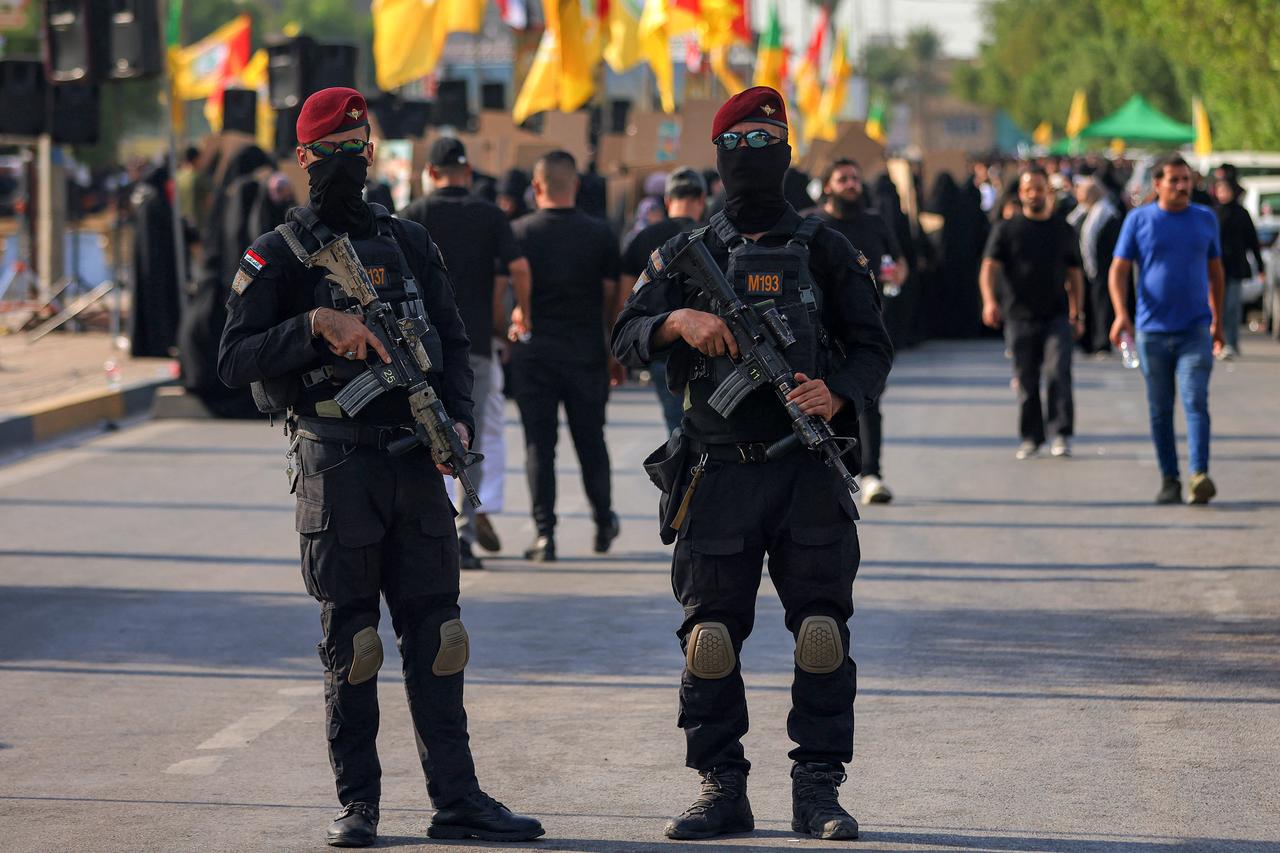
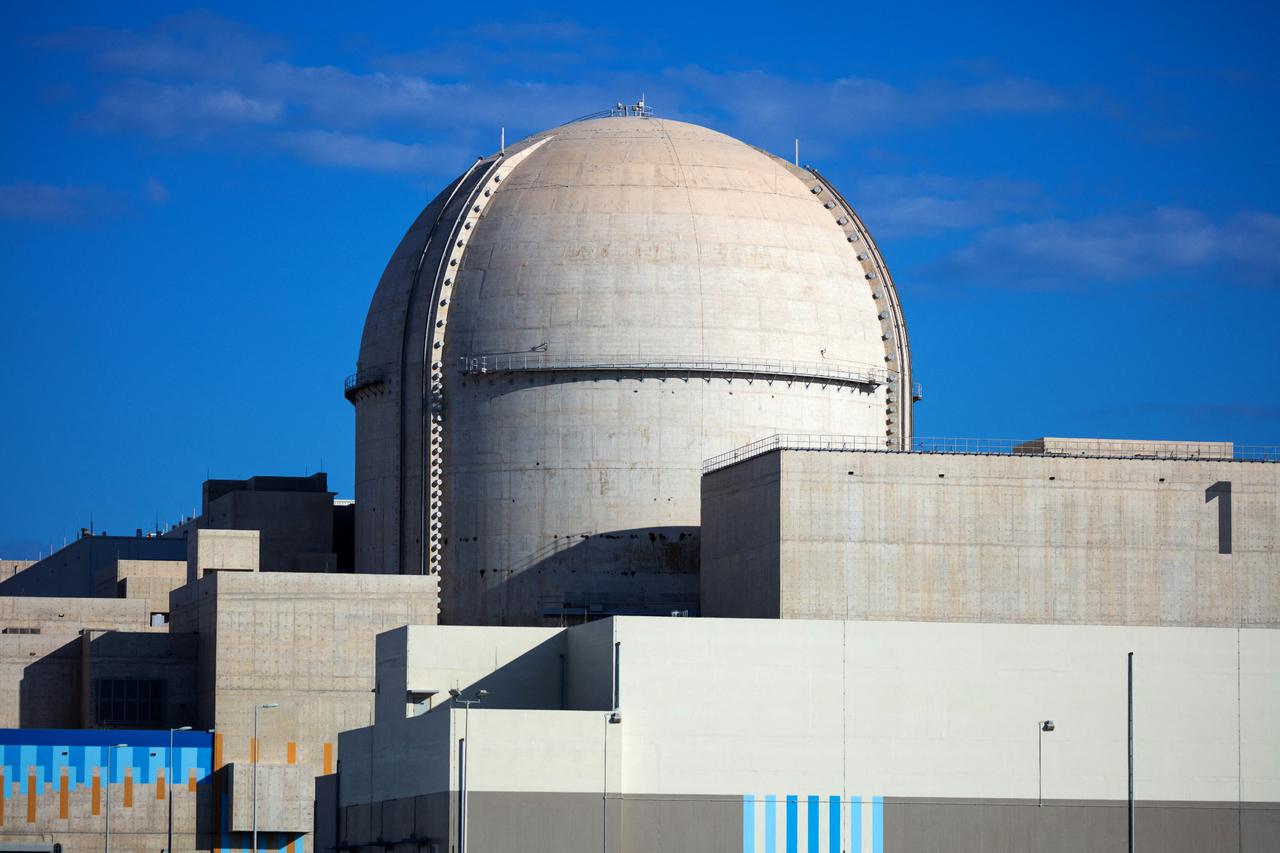
The United Arab Emirates said Tuesday that three drones targeting its Barakah Nuclear Power Plant last weekend were traced to Iraq, pointing to the Iran-backed militant networks that have conducted a series of attacks across the Gulf since the broader Middle East conflict erupted earlier this year.
The Emirati defence ministry said that "technical tracking and monitoring confirmed that the three drones... all originated from Iraqi territory," adding that six additional drones from Iraq had been intercepted in the preceding 48 hours as they attempted to strike civilian and vital infrastructure elsewhere in the country.
The announcement came two days after one of the three drones evaded interception and struck an electrical generator near the Barakah facility on Sunday, triggering a fire.
No injuries were reported, and authorities said there was no radiation leak. The other two drones were shot down before reaching the site.
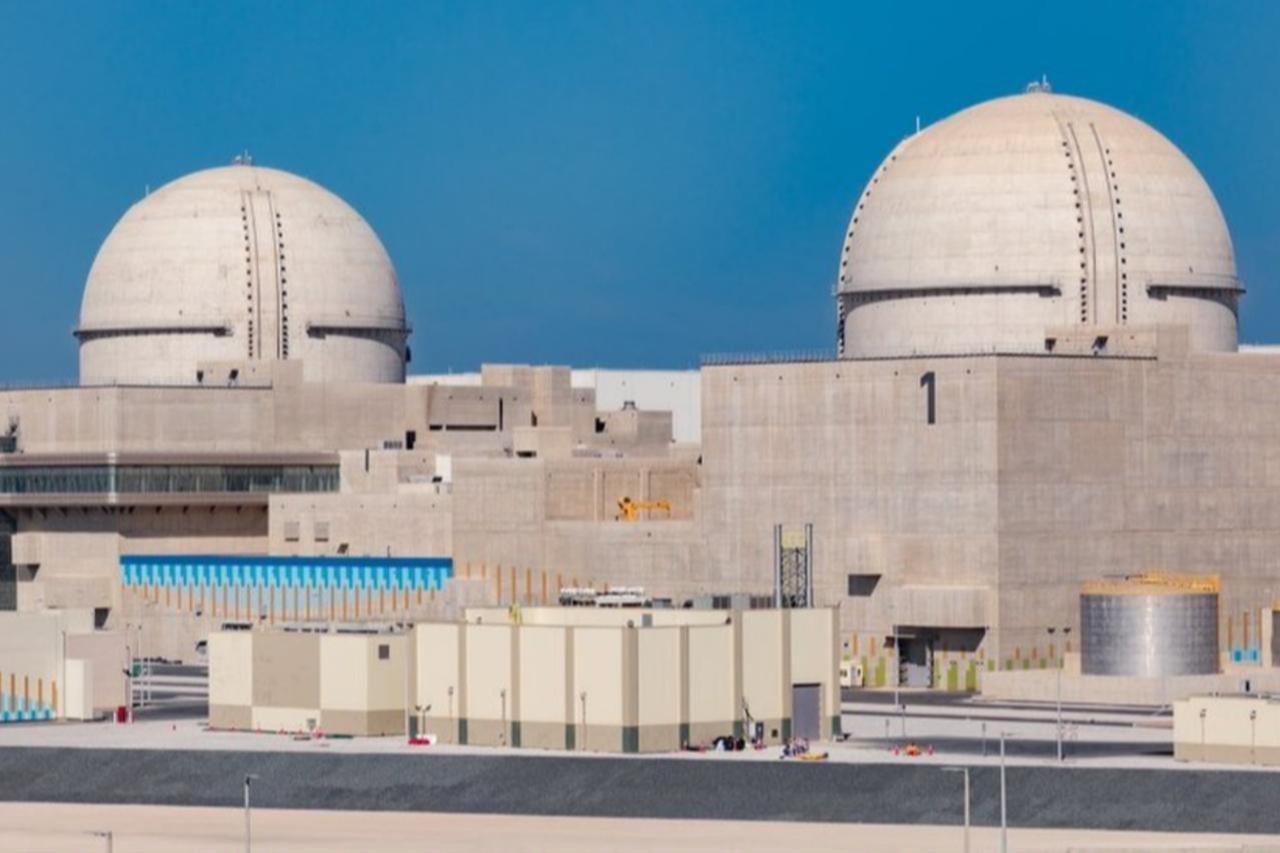
Until Sunday, the nuclear plant had been off limits. The attack marked a significant escalation, sending alarm across a Gulf region where energy infrastructure, shipping lanes, and civilian networks are densely concentrated. Barakah sits near the Saudi border and close to Qatar, amplifying fears of a broader spillover.
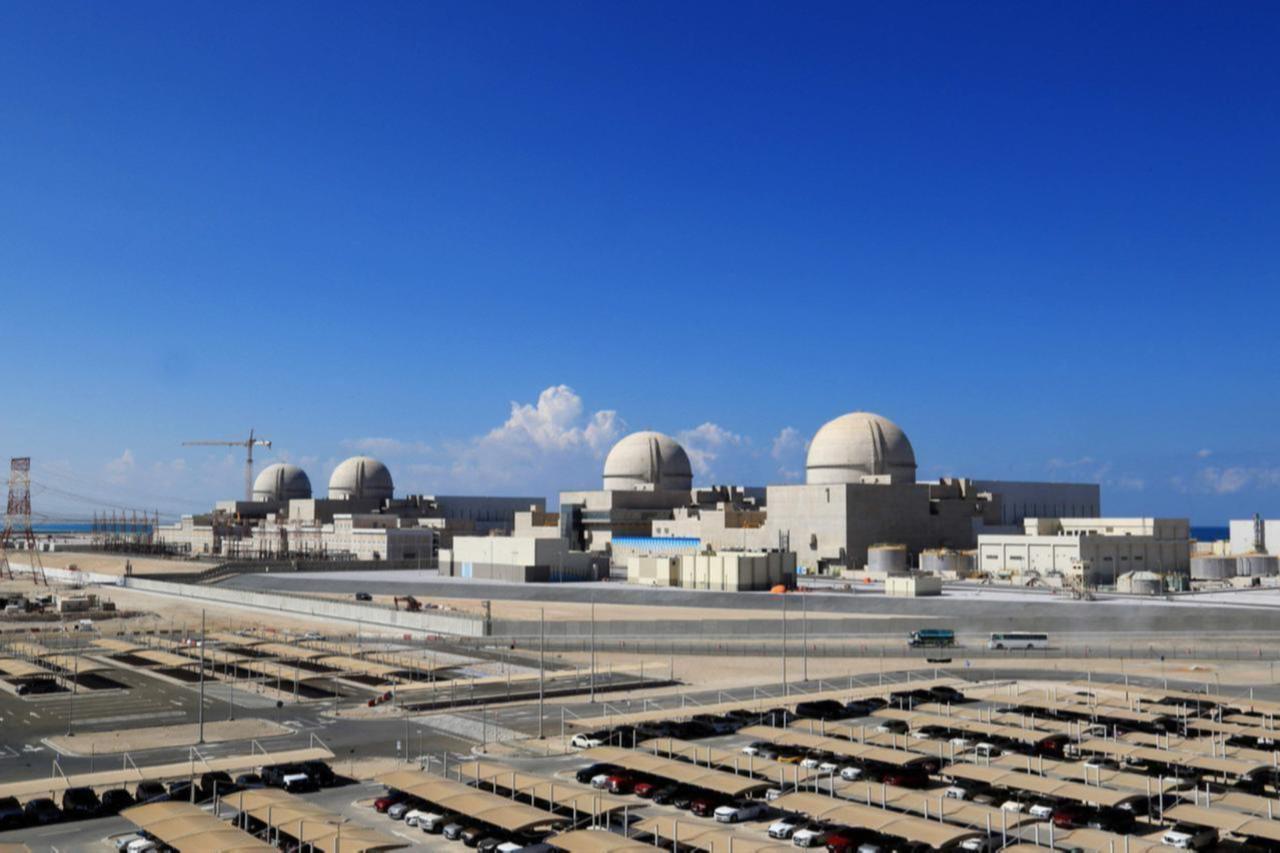
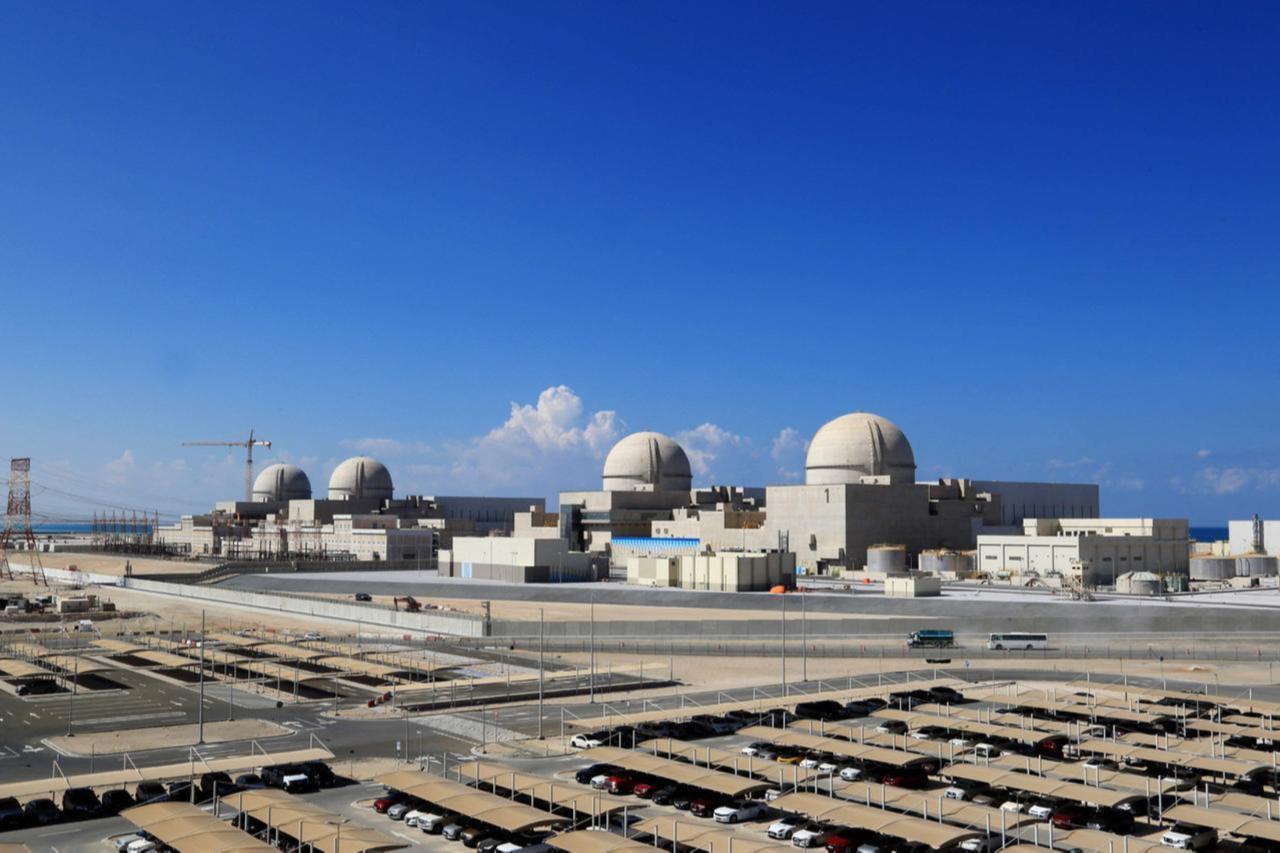
The plant is the Arab world's first and only nuclear power facility, built jointly by the Emirates Nuclear Energy Corporation and South Korea's Korea Electric Power Corporation.
Its four APR1400 reactors produce roughly 40 terawatt-hours of electricity annually, covering approximately a quarter of the UAE's national power needs, making it the country's single largest source of electricity.
Barakah had already been publicly identified as a potential Iranian target. In March, Iranian state media circulated a list of power plants that could be struck, with Barakah among them.
Iraqi authorities had condemned the Barakah attack before Abu Dhabi formally identified Iraq as the point of origin. Baghdad had also denied any knowledge of drone launches from its territory after Saudi Arabia on Sunday reported intercepting drones that similarly originated from Iraq.
The disconnect between what Gulf governments are reporting and what Baghdad acknowledges reflects a recurring pattern: Iran-backed armed groups operating in Iraq have long functioned with a degree of autonomy that the Iraqi government has struggled, or in some cases declined, to curtail.
Iran has targeted the UAE and other Gulf states repeatedly since the United States and Israel launched strikes against Iran on February 28. Those attacks have hit American assets as well as energy and civilian infrastructure across the region.
Before an April 8 ceasefire halted the wider conflict, Tehran-backed Iraqi factions joined the fighting in support of Iran, striking US facilities in Iraq and in Gulf countries.
Since the truce took effect, Iran-backed groups in Iraq have not publicly claimed any attacks, though Gulf nations have continued to report drone strikes originating from Iraqi territory.
Sunday's strike on Barakah is the most consequential of those incidents, representing the first time the nuclear complex, central to the UAE's energy security and decarbonisation strategy, has been directly hit.


 Set as preferred source
 Set as preferred source


 1 min read
 1 min read