Newsletters


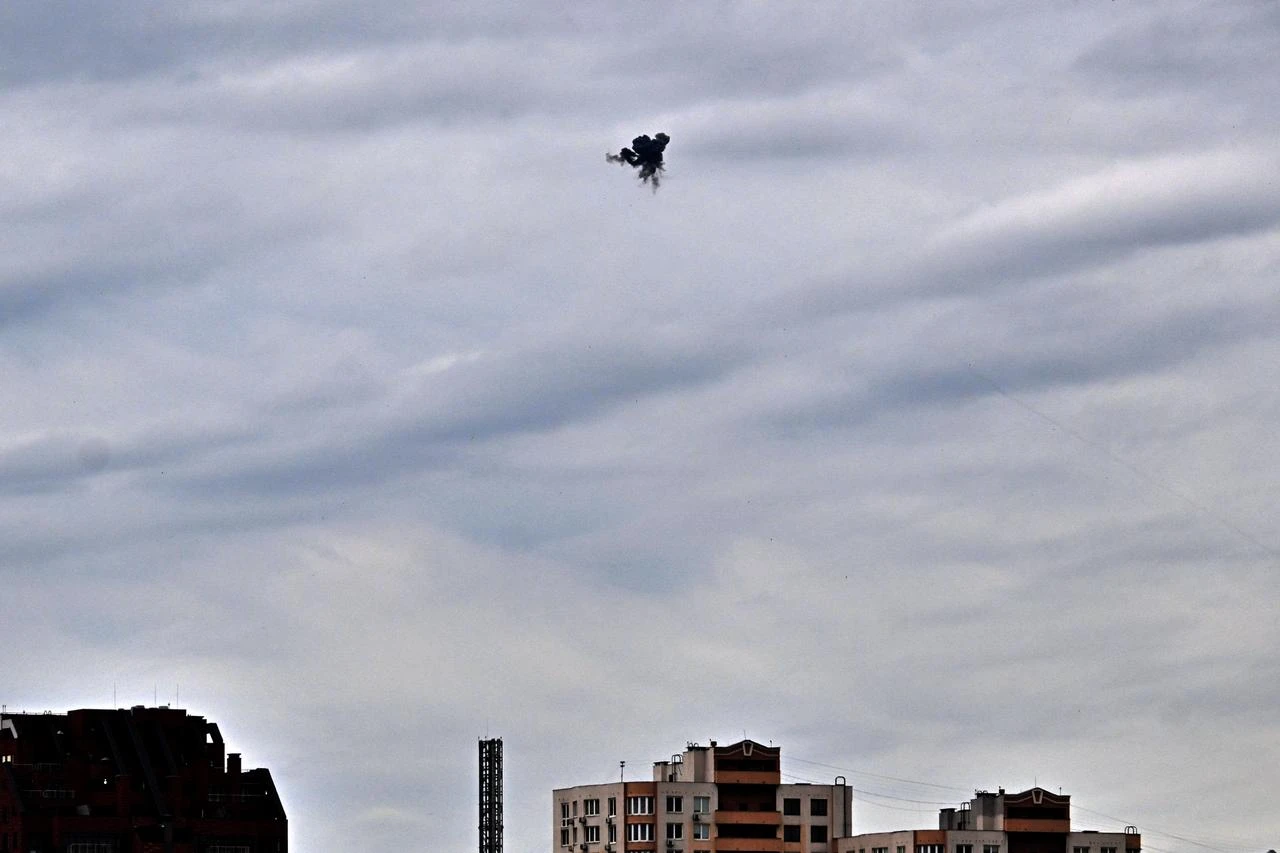


Ukraine denied on Saturday that it had deliberately targeted Bulgaria after a drone exploded near the Trans-Balkan gas pipeline close to the Romanian border, prompting Sofia to summon Ukraine's ambassador for talks.
Bulgaria's Defense Ministry identified the drone as a type "widely used by the Ukrainian military" after examining the wreckage. Even so, the ministry concluded that nothing currently indicates the incident was intentional. The country's foreign minister called in Ukraine's ambassador for a meeting on Monday.
"We are in close contact with the Bulgarian side to clarify the circumstances. We can say with certainty that the Ukrainian Armed Forces did not intentionally direct any assets toward Bulgaria," Foreign Ministry spokesperson Georgiy Tykhyi said, blaming Russia's invasion for the incident.
The drone exploded near the Kardam border crossing with Romania, around 1,000 meters from a compressor station serving the Trans-Balkan gas pipeline, Bulgarian Prime Minister Rumen Radev announced after an emergency meeting of the Security Council. No casualties or damage to infrastructure were reported.
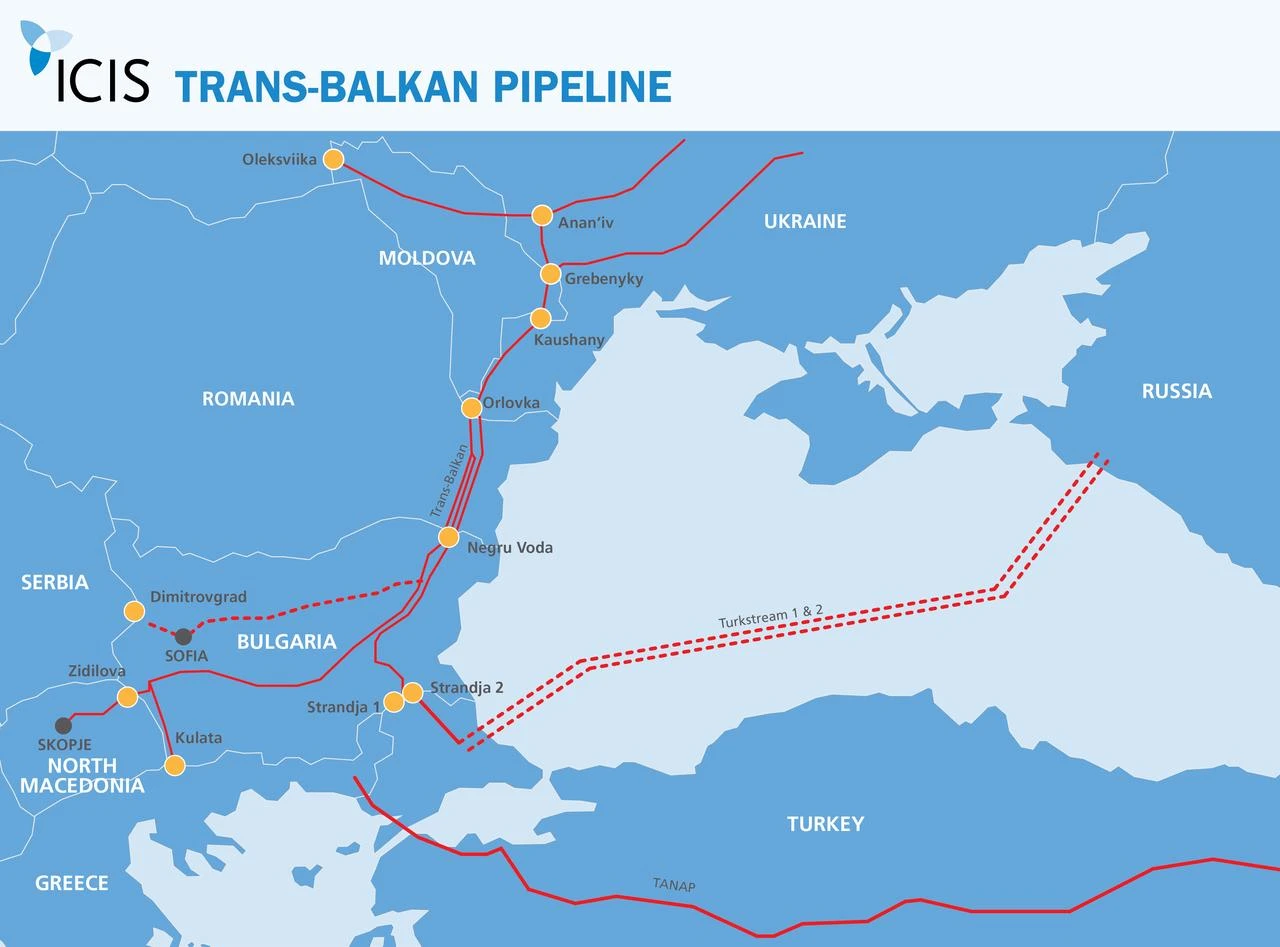
The Trans-Balkan pipeline is one of southeastern Europe's key natural gas corridors, stretching from Türkiye through Bulgaria, Romania and Moldova to Ukraine. Built during the Soviet era, it originally carried Russian gas south via Ukraine to the Balkans and Türkiye.
Since Russia shifted most exports to the TurkStream pipeline in 2020, the route has increasingly been adapted for reverse flows, allowing gas from Greece, Türkiye and other sources to move north toward Moldova and Ukraine.
According to Radev, the drone entered Bulgarian airspace from Romania before crashing into a sunflower field. Border police first heard the aircraft and later observed a powerful explosion followed by black smoke.
He noted that the drone had been carrying a significant amount of explosives and that neither Bulgarian nor Romanian air defense systems detected it before the blast.

Following the incident, Bulgaria stepped up surveillance along its borders and plans to redeploy troops while expanding anti-drone measures, Radev announced.
Drone incursions have become increasingly common across NATO's eastern flank since Russia launched its full-scale invasion of Ukraine in 2022. Bulgaria, Romania and Türkiye all border the Black Sea, where both Russian and Ukrainian forces regularly use drones.
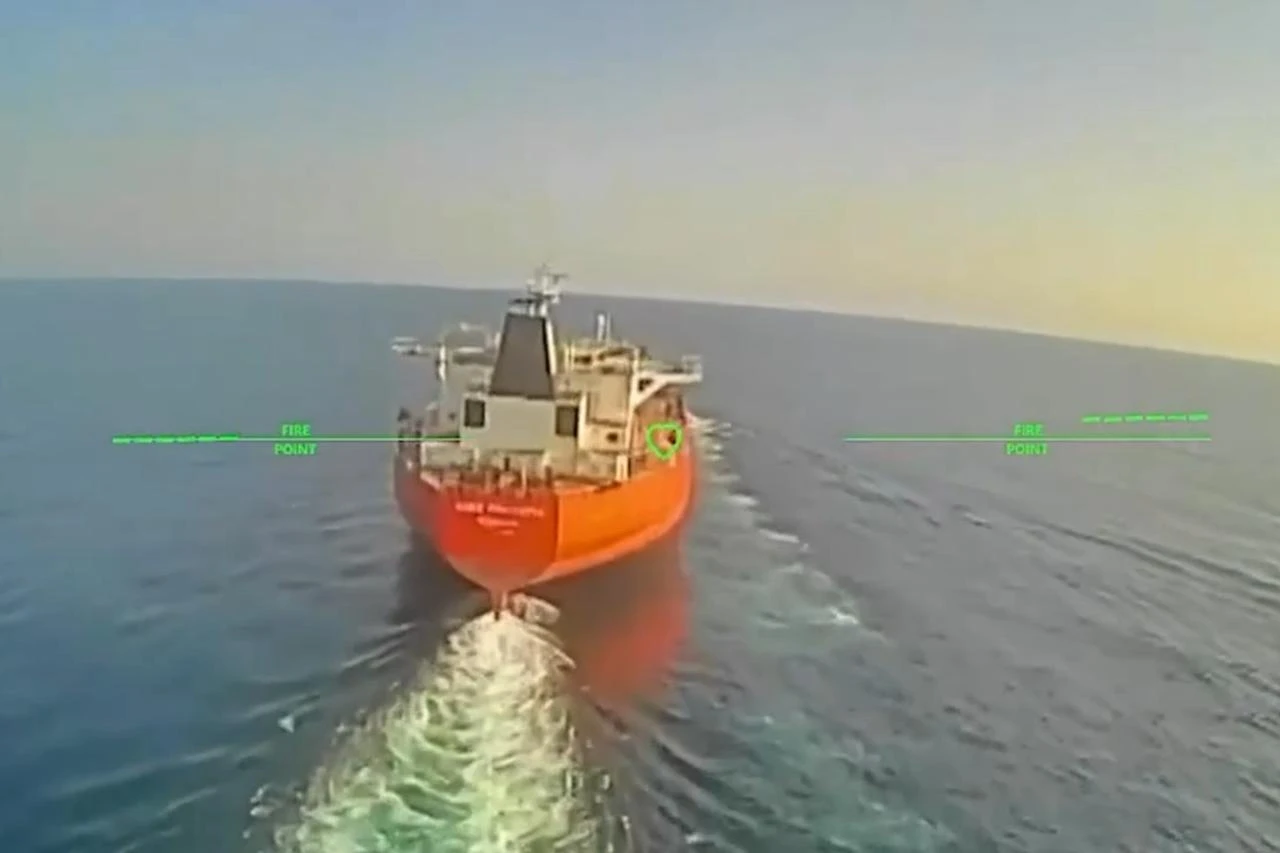
Earlier this week, Turkish officials reported that a drone attack on two civilian vessels in the Black Sea had injured crew members, while Ankara voiced concern over the escalating conflict in the region.


 Set as preferred source
 Set as preferred source


 1 min read
 1 min read