Newsletters





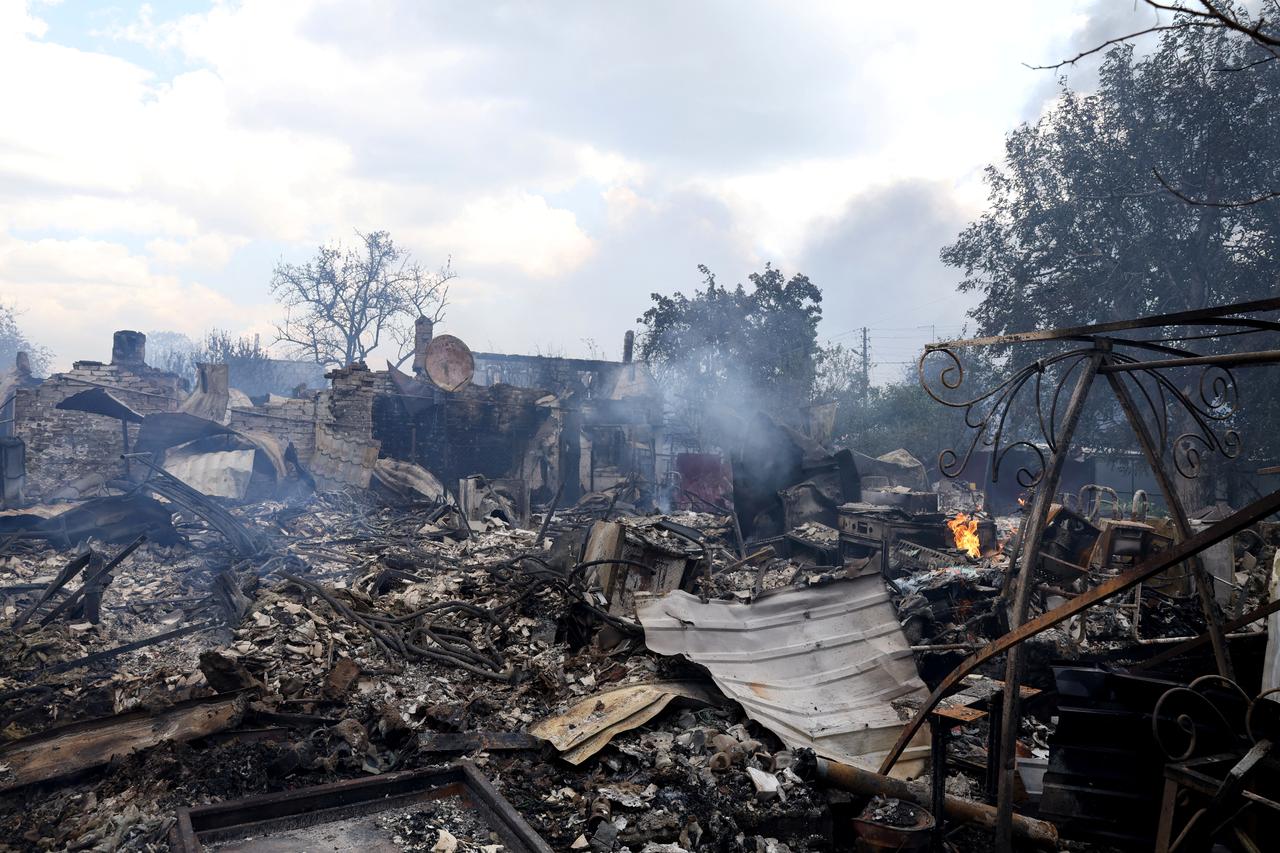
Ukrainian drone attacks struck oil facilities in southern Russia and the port city of Taganrog on the Azov Sea on Friday, sparking a fire at the Ilsky oil refinery and prompting authorities in Taganrog to declare a state of emergency and evacuate some residents.
Russia's Defense Ministry said its air defenses intercepted more than 370 Ukrainian drones, including many over the Moscow region. Authorities reported no casualties.
Kyiv has stepped up long-range strikes on Russian energy infrastructure in recent months, which is intended to undermine Moscow's ability to finance and sustain its war effort. The attacks have forced several refineries to suspend operations and disrupted fuel supplies across Russia.
Russian Deputy Prime Minister Alexander Novak acknowledged Friday that the country's fuel shortages stem from Ukrainian attacks that have put refineries out of service for repairs.
"The shortage is due to obvious reasons, because our oil refineries are partially out of order for repairs due to (Ukrainian drone) arrivals," Novak said.
He added that authorities are strengthening security at refinery sites and working to maximize production, while temporary bans on gasoline and diesel exports are intended to stabilize the domestic fuel market. Novak also said Russia has sufficient refining capacity and is increasing fuel deliveries to affected regions.
Russia imposed a ban on gasoline exports in April and expanded restrictions earlier this week by halting diesel exports to stabilize the domestic fuel market.
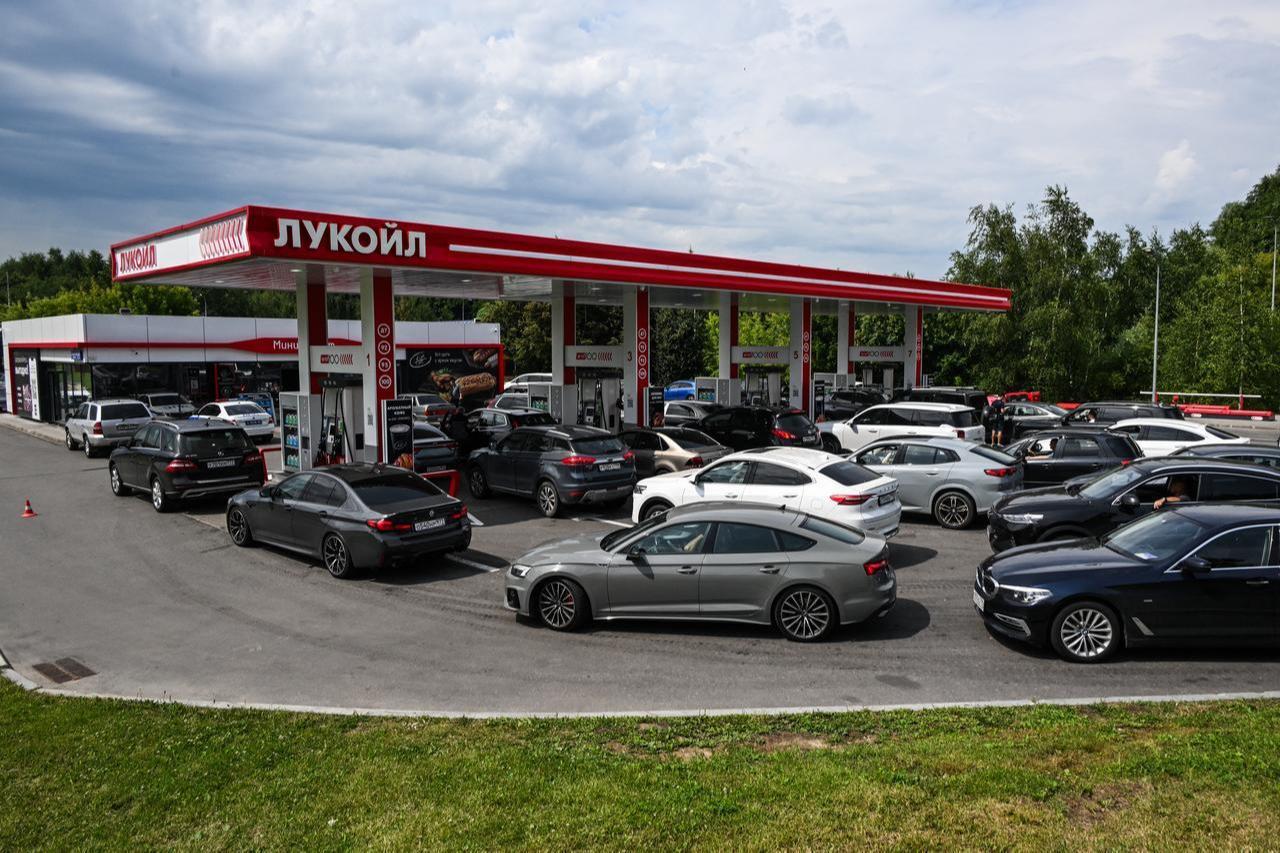

President Vladimir Putin had previously admitted late last month that Ukrainian strikes on Russia's energy infrastructure had contributed to fuel shortages but asserted that the situation remained under control.
Kremlin spokesman Dmitry Peskov also disclosed at the end of June that Russia plans to import gas to help stabilize the domestic market, an unusual step for one of the world's largest energy exporters.
The latest attacks came as the Trump administration increasingly framed Ukraine's long-range strikes as a way to strengthen Kyiv's hand ahead of any future negotiations, even as Washington continues to push for a diplomatic settlement.
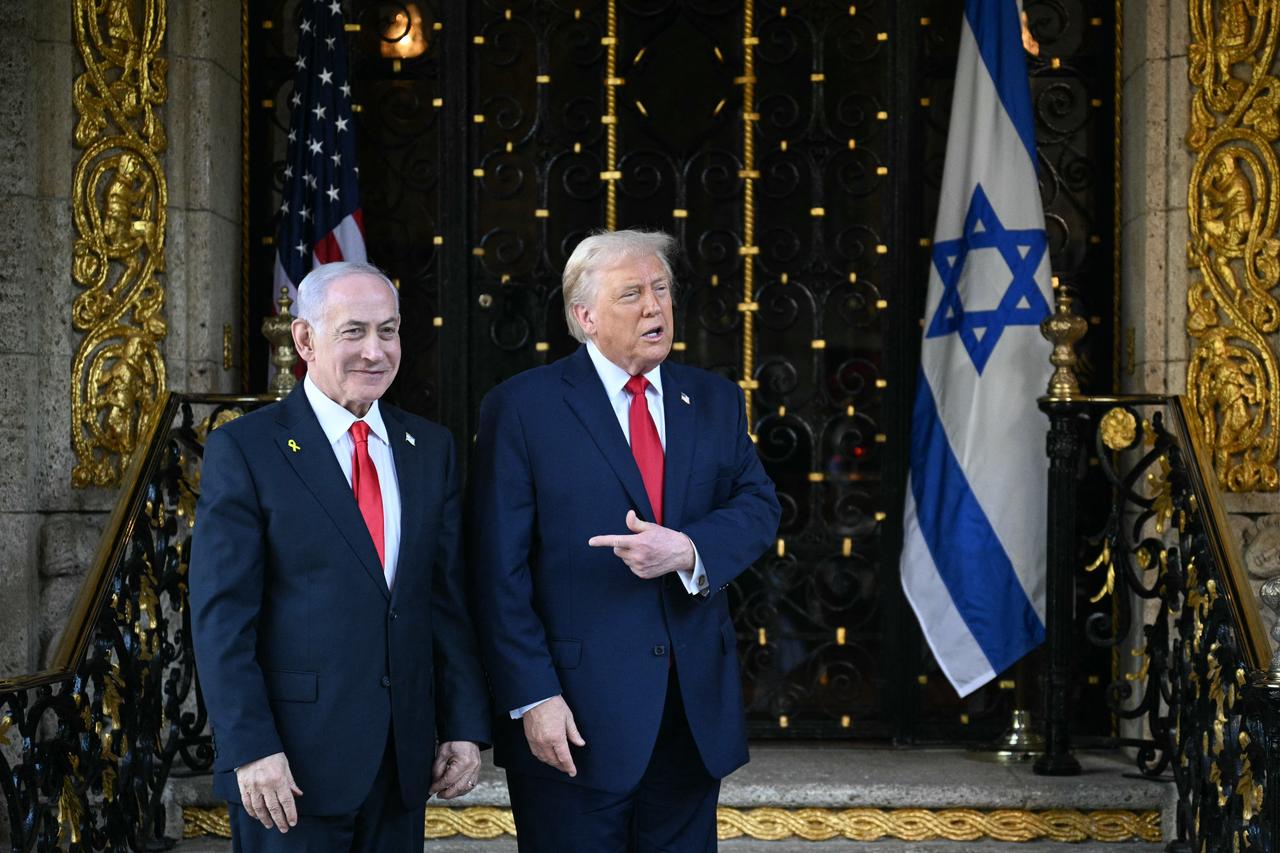
Speaking during a meeting this week with Ukrainian President Volodymyr Zelensky, U.S. President Donald Trump suggested the campaign could ultimately support peace efforts.
"It's an escalation, but it's also an escalation that can help lead to an end," Trump said.
Trump also expressed confidence that both sides ultimately wanted to reach an agreement, telling reporters, "He (Zelenskyy) wants to see a settlement, and I think President Putin wants to see a settlement."
The U.S. president added that he believed the two sides would "make a deal" and that "we've made a lot of progress in the last couple of weeks."


 Set as preferred source
 Set as preferred source


 1 min read
 1 min read