Newsletters


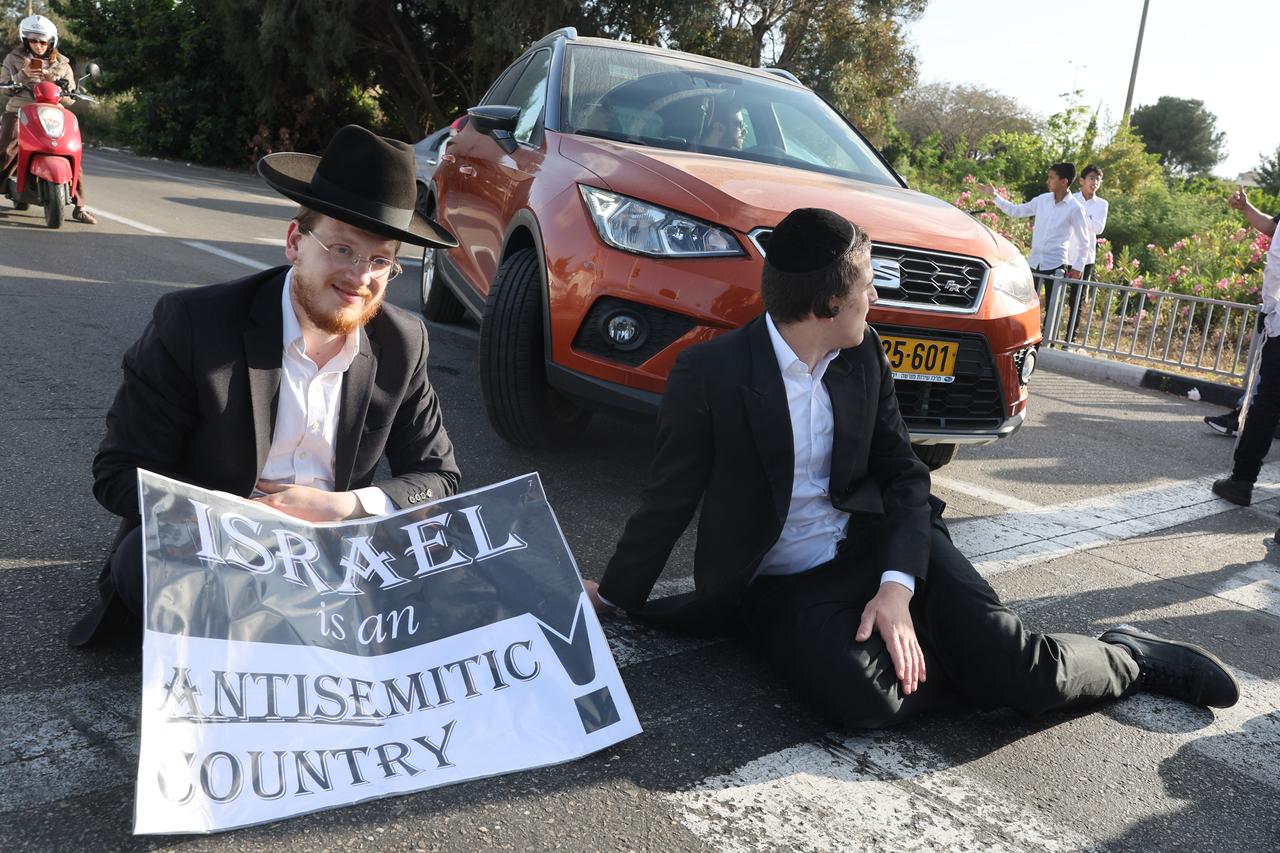


A group of ultra-Orthodox Jewish men opposed to military conscription stormed the private residence of Israel's military police chief Tuesday, barricading themselves inside his garden in a dramatic escalation of the long-running dispute over compulsory service for the country's Haredi community.
Footage circulating on social media showed scores of chanting men inside the Ashkelon home of Brigadier General Yuval Yamin, who was confined inside with his family during the incursion. The episode drew swift and sharp condemnation from Israel's political and military leadership.
Prime Minister Benjamin Netanyahu described the incident as a "brutal and violent attack" and demanded accountability for those responsible. Defense Minister Israel Katz denounced the "deliberate break-in" as a blatant crossing of a red line, citing the presence of Yamin's family members inside the home at the time.
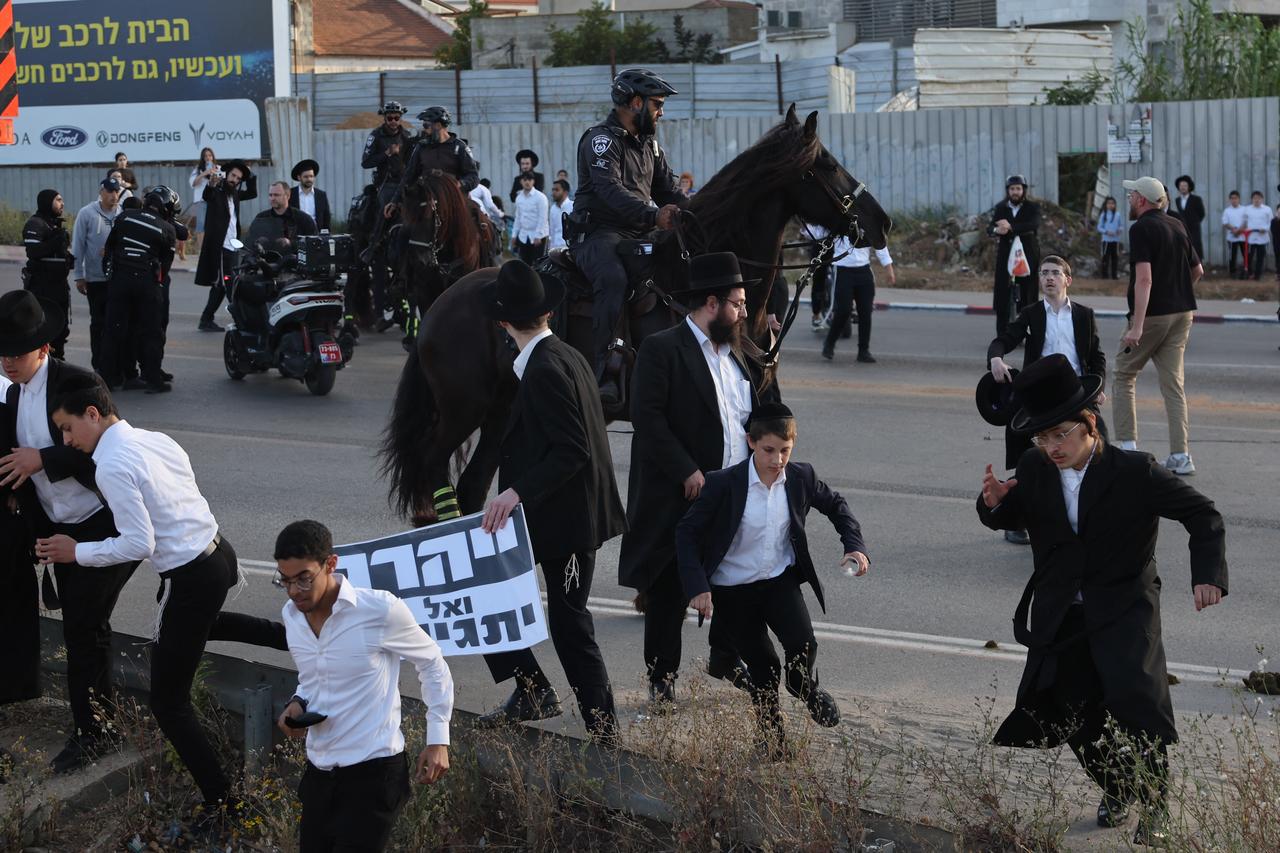

The incursion came two days after Israel's Supreme Court issued a landmark ruling ordering the government to cut financial subsidies to ultra-Orthodox Jews who avoid military service and to initiate criminal proceedings against those who refuse draft call-ups.
The court's order effectively strips the Haredi community of reduced rates for local taxes, public transport, and childcare, benefits that have long supplemented a lifestyle built around full-time religious study.
For many ultra-Orthodox protesters, the ruling represented an existential threat to a way of life that has been legally protected since Israel's founding in 1948, when the country's first prime minister, David Ben-Gurion, granted a conscription exemption to a small number of yeshiva students.
That exemption, never codified in permanent law, has expanded over decades as the ultra-Orthodox population grew into one of Israel's fastest-growing demographic groups.
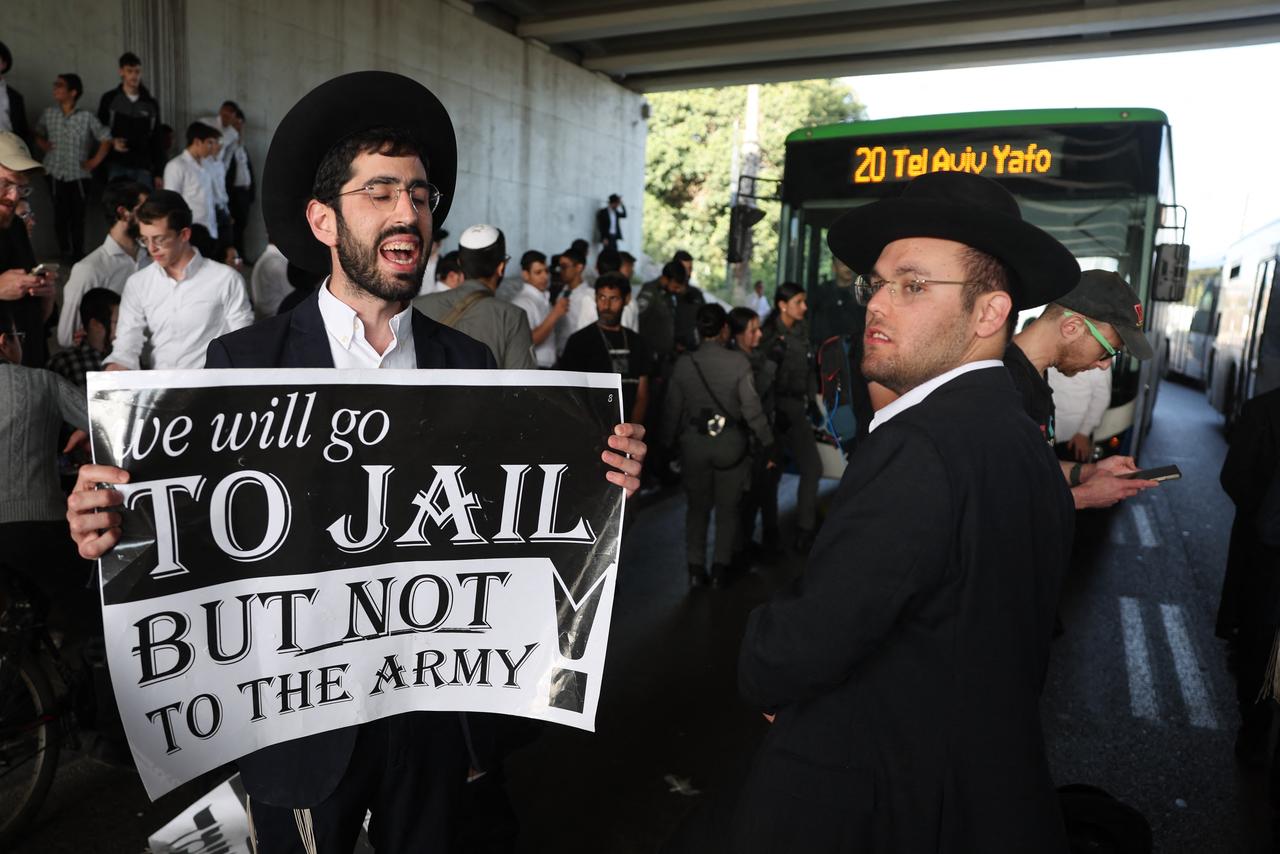
Israel's Supreme Court has challenged the exemption on multiple occasions in recent years, ruling that the state cannot legally continue to grant it without a legislative basis. Its 2024 decision went further, finding that the government was constitutionally obligated to conscript ultra-Orthodox men into the Israel Defense Forces alongside other Jewish citizens.
The military, which has been fighting a grinding war in Gaza since the Hamas-led attack of October 2023, has publicly pressed for an end to the exemption, arguing that the burden of service falls disproportionately on secular and modern Orthodox Israelis. Senior commanders have made little secret of their frustration.
 1 min read
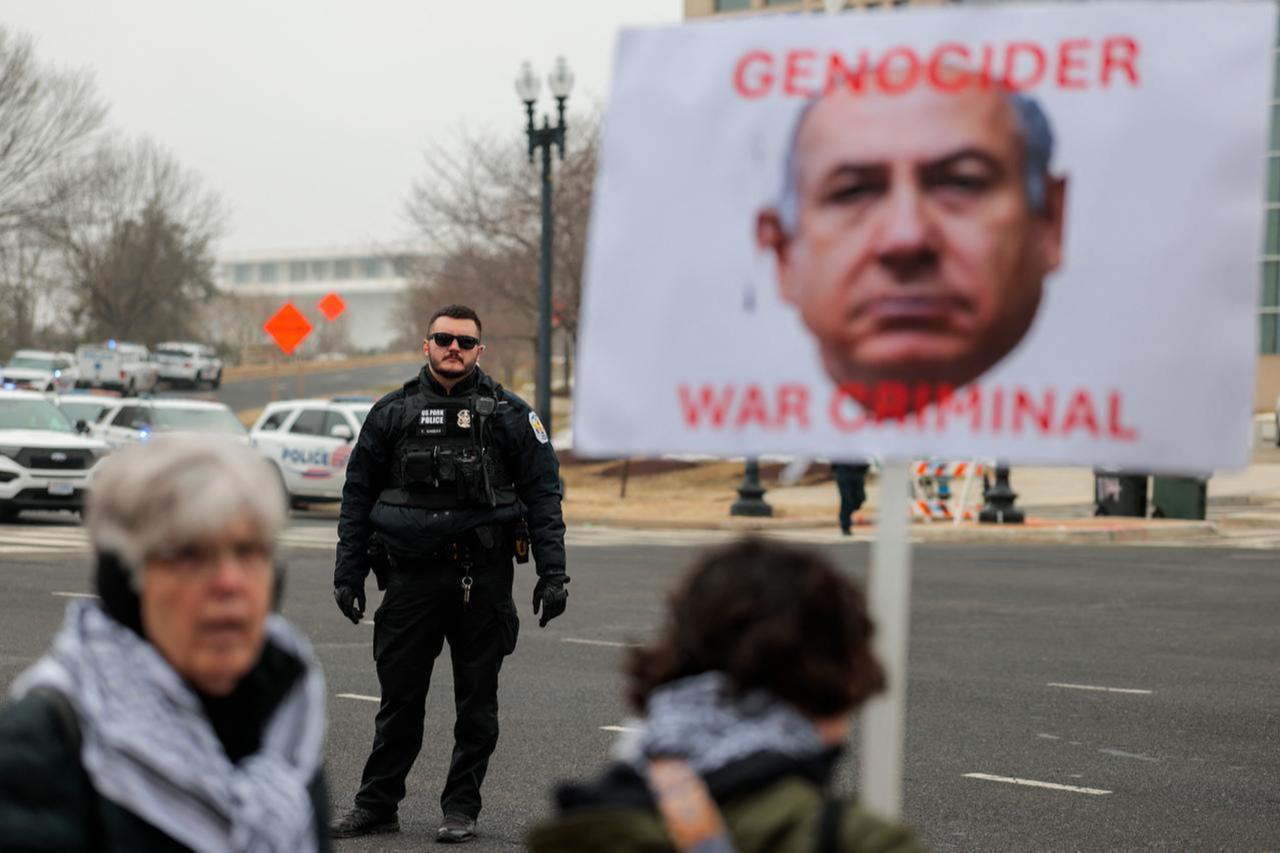
Netanyahu's response has been shaped less by legal principle than by political survival. His coalition government depends on the support of ultra-Orthodox parties, giving those parties effective veto power over legislation that would compel their constituents to serve.
The prime minister has repeatedly sought delays, workarounds, and legislative compromise to forestall implementation of the court's orders, drawing criticism from opposition politicians and military officials alike.
The latest ruling removes some of those options by directing government agencies, rather than the legislature, to act on subsidies and prosecutions, narrowing the space for executive inaction.
Whether Tuesday's protest will harden or soften political positions within the coalition remains to be seen, though the prime minister's public condemnation of the home invasion suggests he is eager to distance himself from the more confrontational elements of the anti-draft movement.


 Set as preferred source
 Set as preferred source



 1 min read