Newsletters


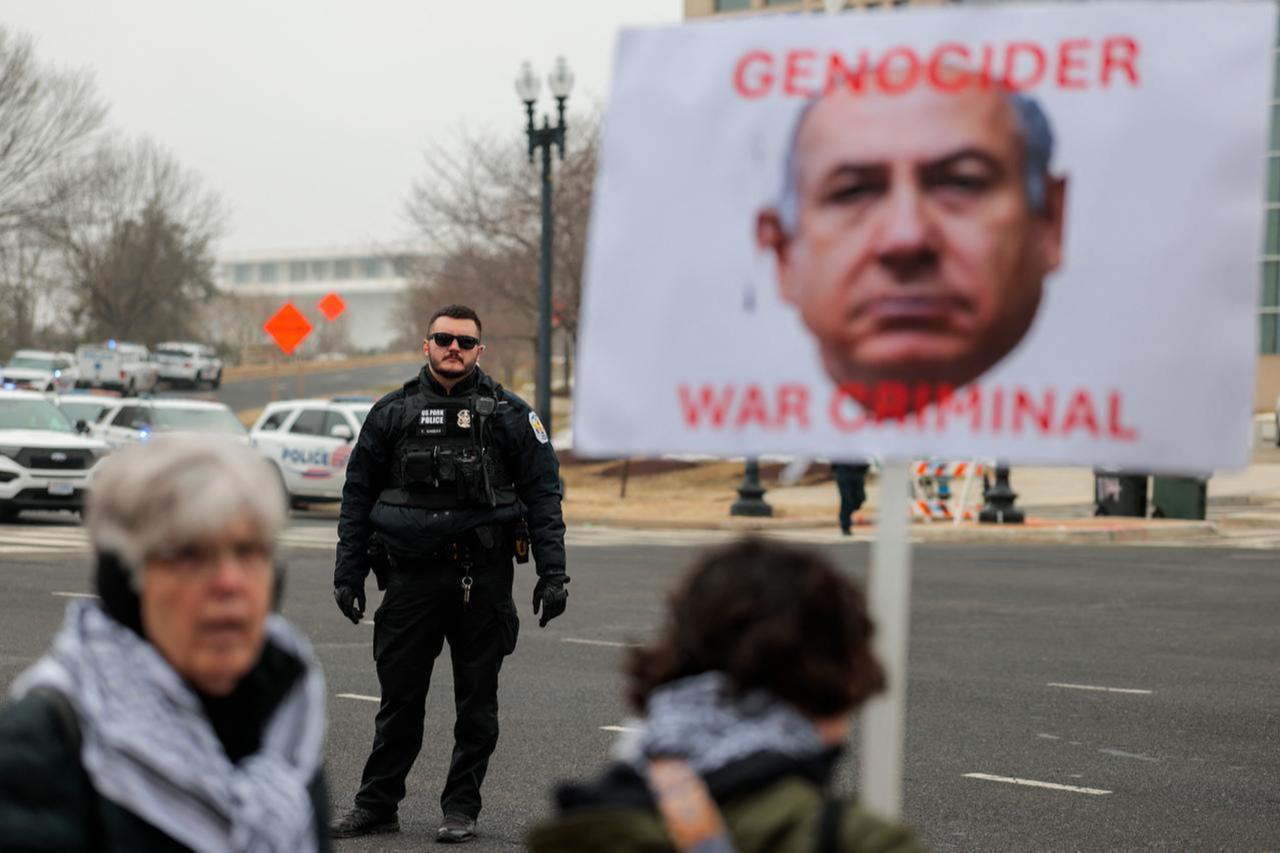


A shift in U.S. immigration policy is raising legal and political concerns after new internal guidance revealed that green card applicants could be denied permanent residency based on their views on Israel and Palestine.
According to documents reviewed by The New York Times, the administration of U.S. President Donald Trump has expanded its vetting process to include ideological screening, treating certain forms of political expression as grounds for rejection.
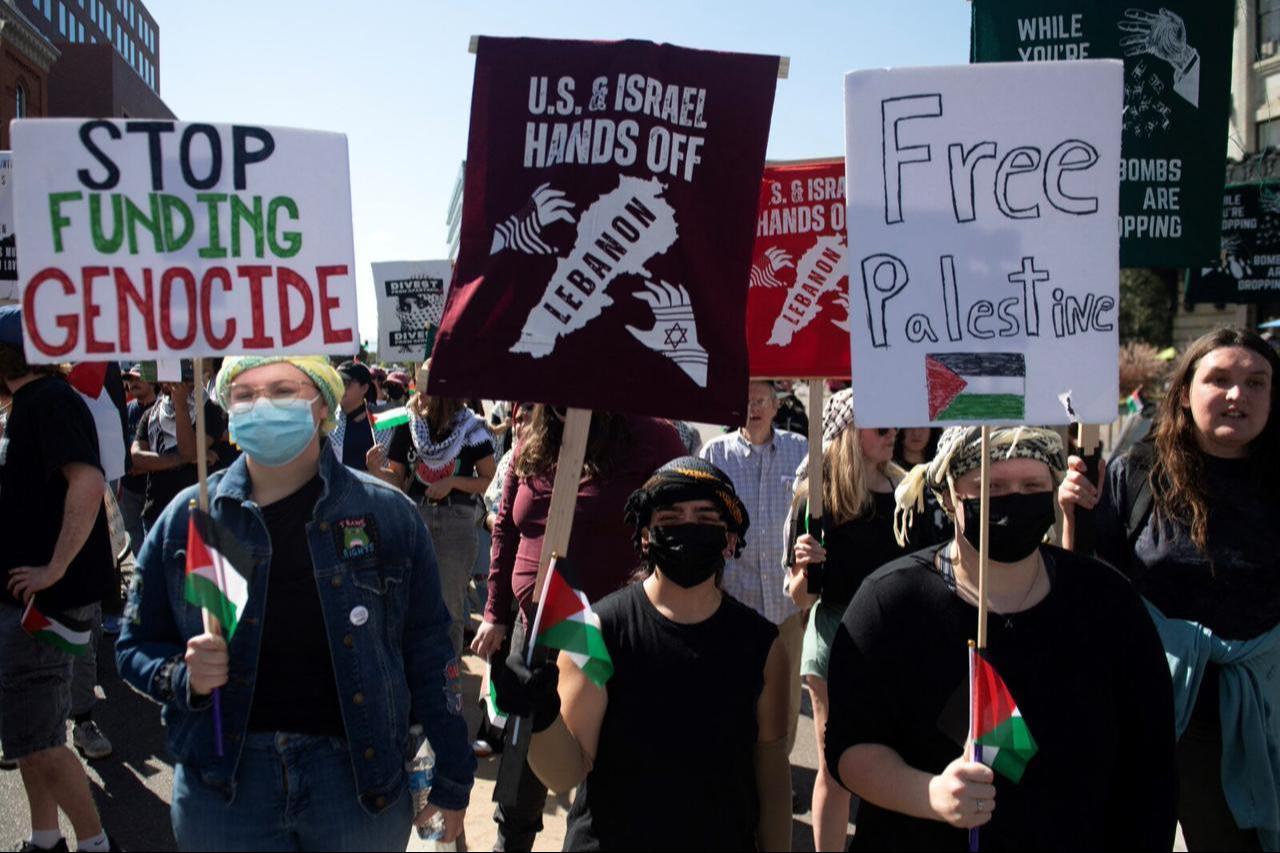
The guidance, distributed last month to officers at U.S. Citizenship and Immigration Services (USCIS), outlines that participation in pro-Palestinian protests, criticism of Israel on social media, or acts such as flag desecration may be considered “overwhelmingly negative” factors in green card decisions.
A green card allows foreign nationals to live and work permanently in the United States and is often a pathway to citizenship.
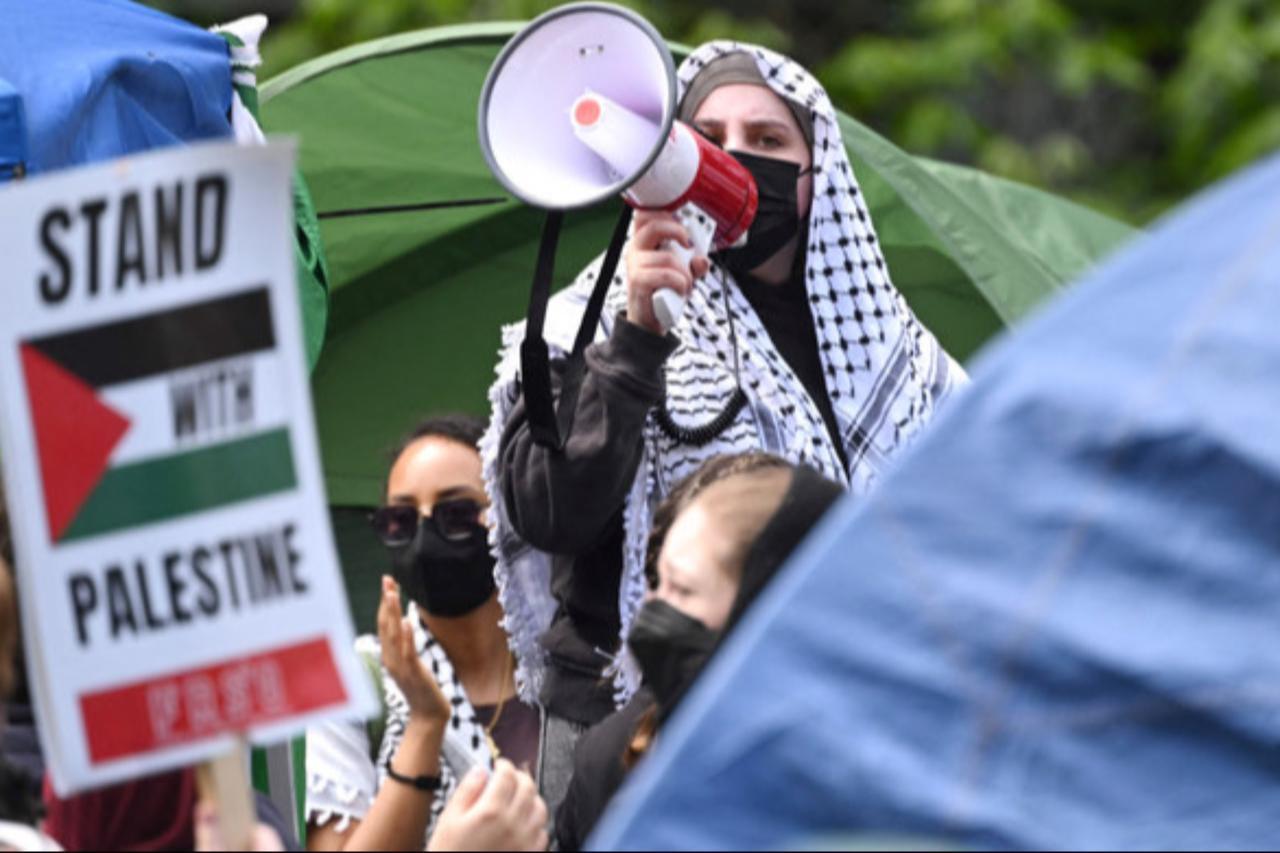

The newly introduced criteria mark a notable shift in how immigration cases are assessed.
While ideological considerations have historically played a limited role, particularly in cases involving support for violence or extremist groups, the current framework expands that scope significantly.
The training materials cite examples of “questionable speech,” including a social media post reading “Stop Israeli Terror in Palestine” alongside an image of a crossed-out Israeli flag. Immigration officers are instructed to treat such expressions as potential indicators of “anti-American” or “antisemitic” views.
Officials have framed the policy as a matter of national security and institutional protection. “There is no room in America for aliens who espouse anti-American ideologies or support terrorist organizations,” USCIS Director Joseph Edlow told Congress in February.
A spokesperson for the agency, Zach Kahler, said the measures are intended to safeguard “American institutions, the safety of citizens, national security and the freedoms of the United States,” adding that they have “nothing to do with free speech.”
The policy follows a directive issued by Trump in August 2025 calling for stricter screening of applicants for what the administration defines as “anti-American” and “antisemitic” views. Under the new system, immigration officers are required to flag and escalate cases involving such concerns for additional review.
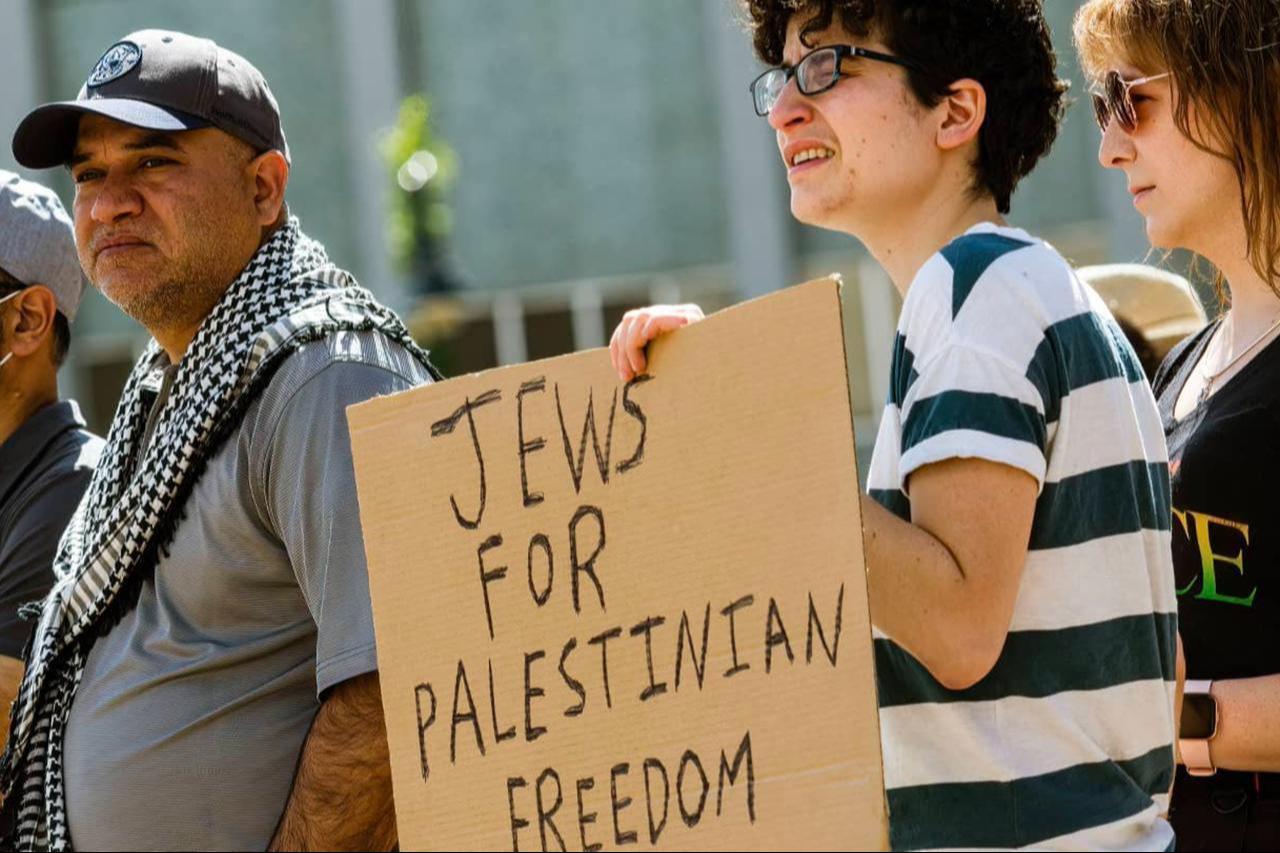
Legal experts and former officials argue that the changes risk undermining constitutional protections and conflating political dissent with extremism.
Amanda Baran, a senior official during the administration of former President Joe Biden, said that basing immigration decisions on “ideological screenings is fundamentally un-American and should have no place in a country built on the promise of free expression.”
Critics also point to a key contradiction: the guidance lists burning the American flag as a negative factor, despite the U.S. Supreme Court’s long-standing ruling that such acts constitute protected political speech under the First Amendment.
Beyond green card applications, the administration has taken broader steps to integrate ideology into immigration enforcement. Secretary of State Marco Rubio has revoked visas of pro-Palestinian student activists, including individuals who publicly criticized university responses to Gaza-related protests.
The Department of Homeland Security has also proposed expanding social media screening for tourists seeking entry into the United States, further extending the reach of ideological vetting.
The policy changes come alongside a sharp decline in green card approvals.
According to Times analysis of agency data, approvals have fallen by more than half in recent months.
The shift reflects a broader transformation within USCIS, which critics say is moving away from its traditional role as a gateway for legal migration toward a more enforcement-oriented function.
The agency has also explored efforts to strip citizenship from naturalized Americans and has increased the use of federal agents in immigration-related investigations.
Internal changes further underscore this repositioning. In recent job postings, USCIS has begun referring to its officers not as “immigration services officers” but as “homeland defenders,” with recruitment language urging applicants to “protect your homeland and defend your culture.”
For applicants navigating the system, the result is a more uncertain and politically charged process, where lawful expression may now carry consequences for long-term residency in the United States.


 Set as preferred source
 Set as preferred source



 1 min read