Newsletters


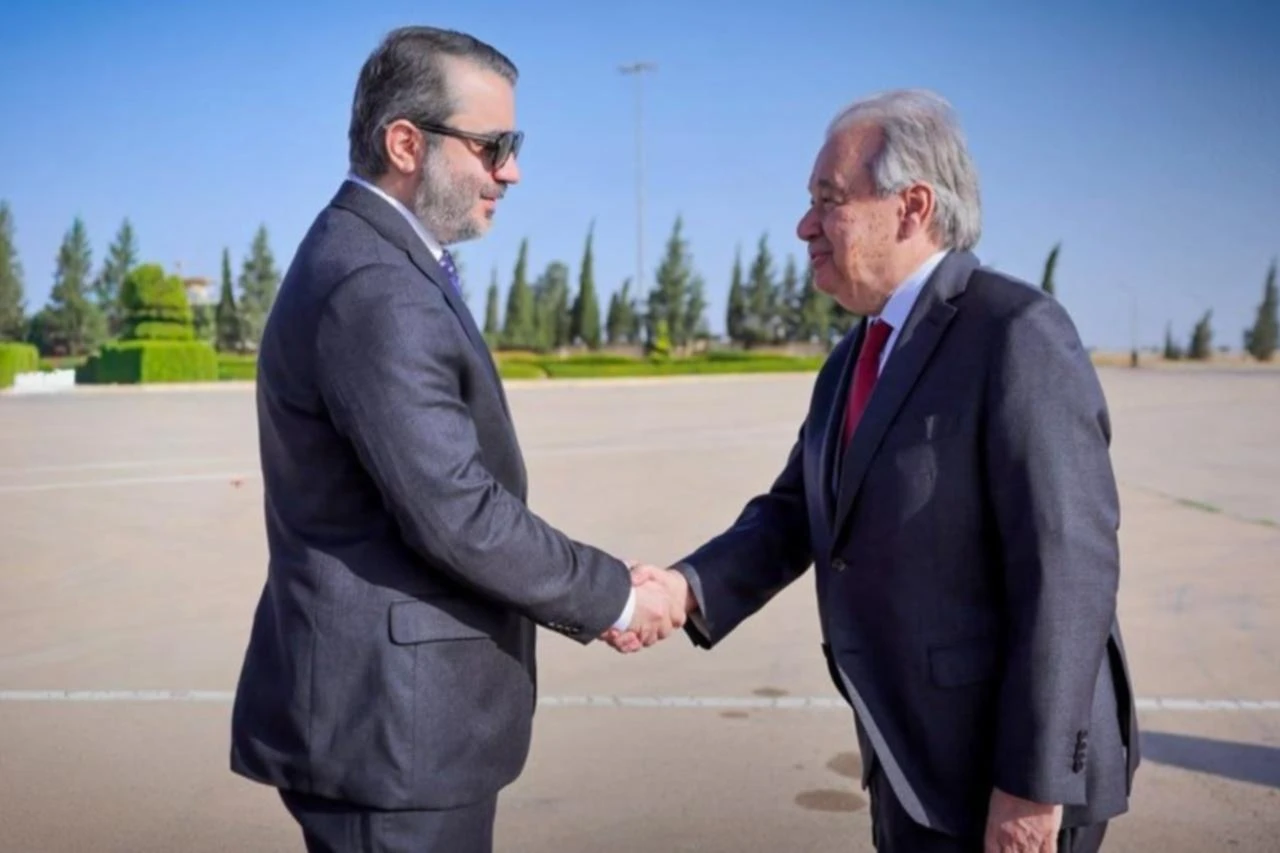


U.N. Secretary-General Antonio Guterres arrived in Syria on Saturday for a three-day visit, becoming the first head of the international organization to travel to the country since before its civil war began, state media reported.
Syrian Foreign Minister Asaad al-Shaibani received Guterres and his delegation at Damascus International Airport, according to the state-run SANA news agency.
Guterres is the first U.N. secretary-general to visit Syria since Ban Ki-moon traveled there in 2009, two years before the civil war began. The conflict killed more than half a million people before longtime President Bashar al-Assad was overthrown in December 2024 after more than 13 years of war.
During the visit, Guterres is expected to reaffirm U.N. support for Syria’s transition under President Ahmad al-Sharaa, whose authorities took power more than a year and a half ago.
Guterres is scheduled to meet Sharaa, who last year became the first Syrian president in decades to address the U.N. General Assembly.
He will also meet representatives of Syrian civil society and nongovernmental organizations supporting women’s issues and address the transitional parliament, which held its first session earlier this month.
U.N. spokesman Stephane Dujarric said ahead of the visit that Guterres would emphasize that Syria now had an opportunity not only to recover from conflict but also to build a more stable, inclusive and prosperous future.
He said the U.N. chief would reaffirm the organization’s role in supporting the Syrian people during the transition.
U.N. special envoy Claudio Cordone described the period as a “defining moment” in Syria’s history and said Guterres would renew the organization’s commitment to supporting the Syrian government and population.
The international community has urged Syria’s new Islamist authorities to establish strong institutions and a system of government that includes all parts of the country’s multiethnic and multiconfessional society.
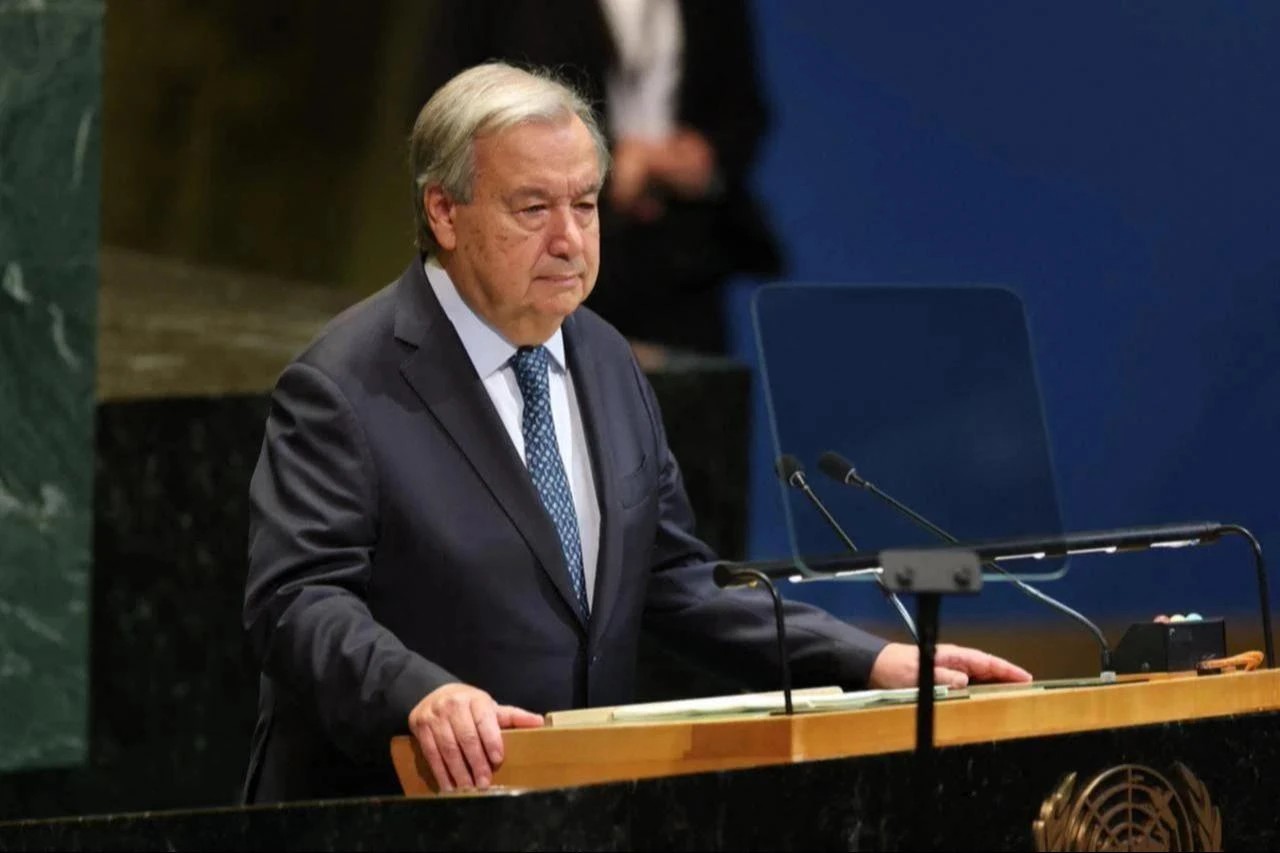

Guterres is also expected to visit the U.N. peacekeeping force stationed in the Israeli-occupied Golan Heights since 1974.
Following Assad’s overthrow in December 2024, Israel sent troops into the U.N.-monitored buffer zone separating Israeli and Syrian forces and carried out strikes and repeated incursions deeper into Syrian territory.
Israeli officials have said their forces will remain in a “security zone” in southern Syria, where Israel is seeking a broader demilitarized area.
Despite tensions, Israel and Syria’s new authorities have held several rounds of direct talks and agreed to establish an intelligence-sharing mechanism.
The agreement has not stopped Israeli military action, which the United Nations and members of the international community have condemned.
Several senior U.N. officials have traveled to Syria since Assad’s fall, including human rights chief Volker Turk and International Atomic Energy Agency Director General Rafael Grossi.
A delegation of U.N. Security Council ambassadors also made the council’s first visit to Syria late last year.


 Set as preferred source
 Set as preferred source


 1 min read
 1 min read