Newsletters


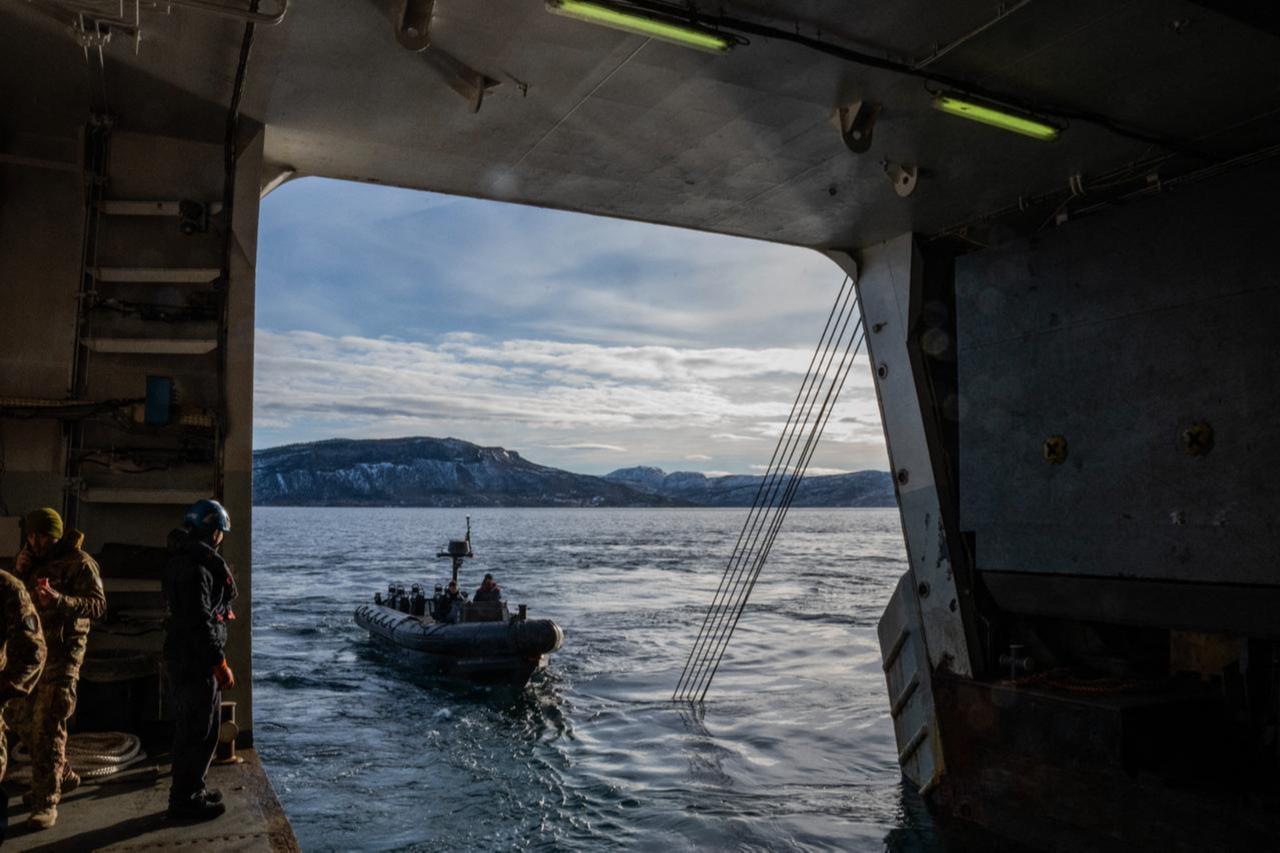


The International Maritime Organization (IMO) will hold an “extraordinary session” on Wednesday to address maritime security concerns amid the Middle East war, as fears grow over thousands of stranded ships and seafarers.
The London-based U.N. agency, which regulates global shipping safety, is set to consider possible resolutions during the two-day meeting at its headquarters.
The IMO’s 40-member council could vote Thursday on proposals including establishing a safe maritime corridor to evacuate seafarers and vessels stranded in the Persian Gulf.
Any resolutions adopted would be non-binding.
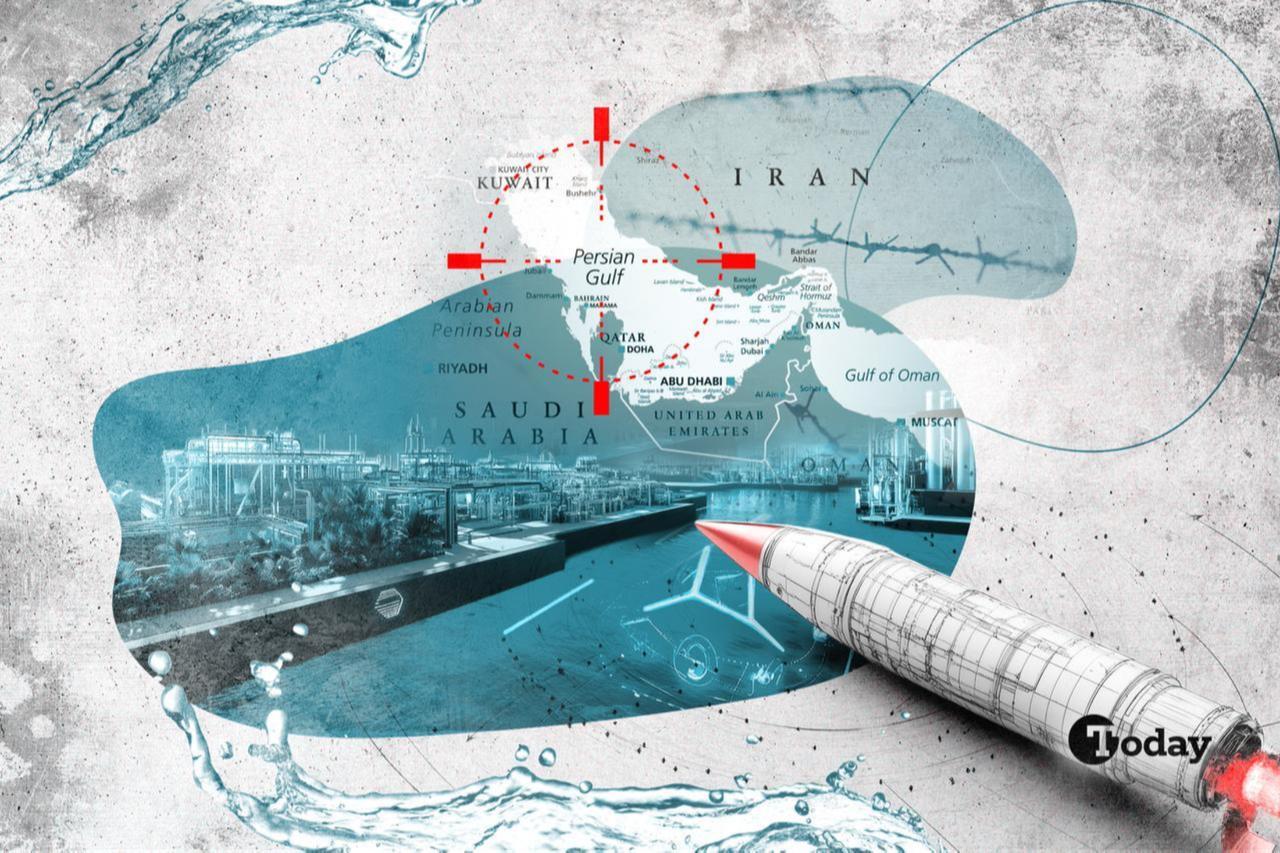
The meeting comes as Iran’s retaliation to U.S.-Israeli strikes disrupts commercial shipping in and around the Strait of Hormuz.
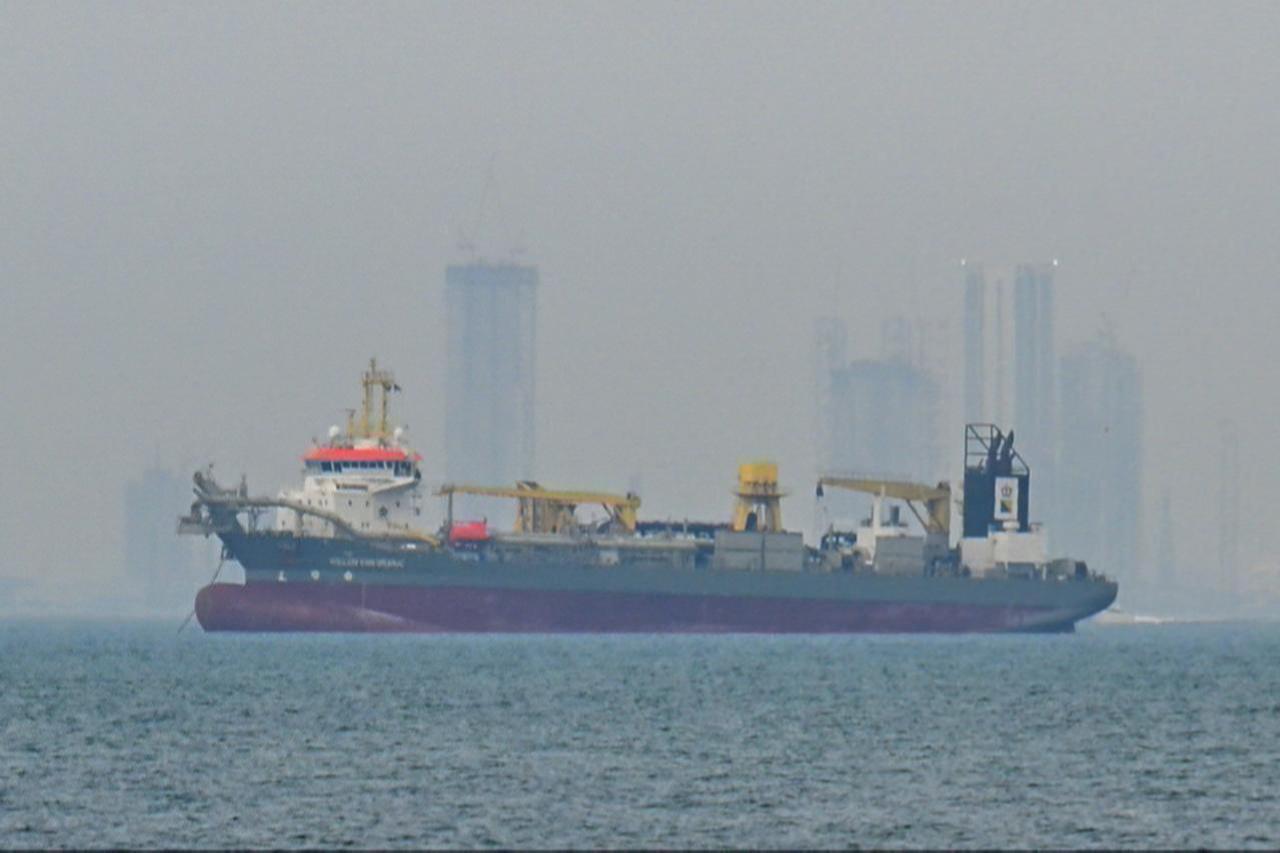

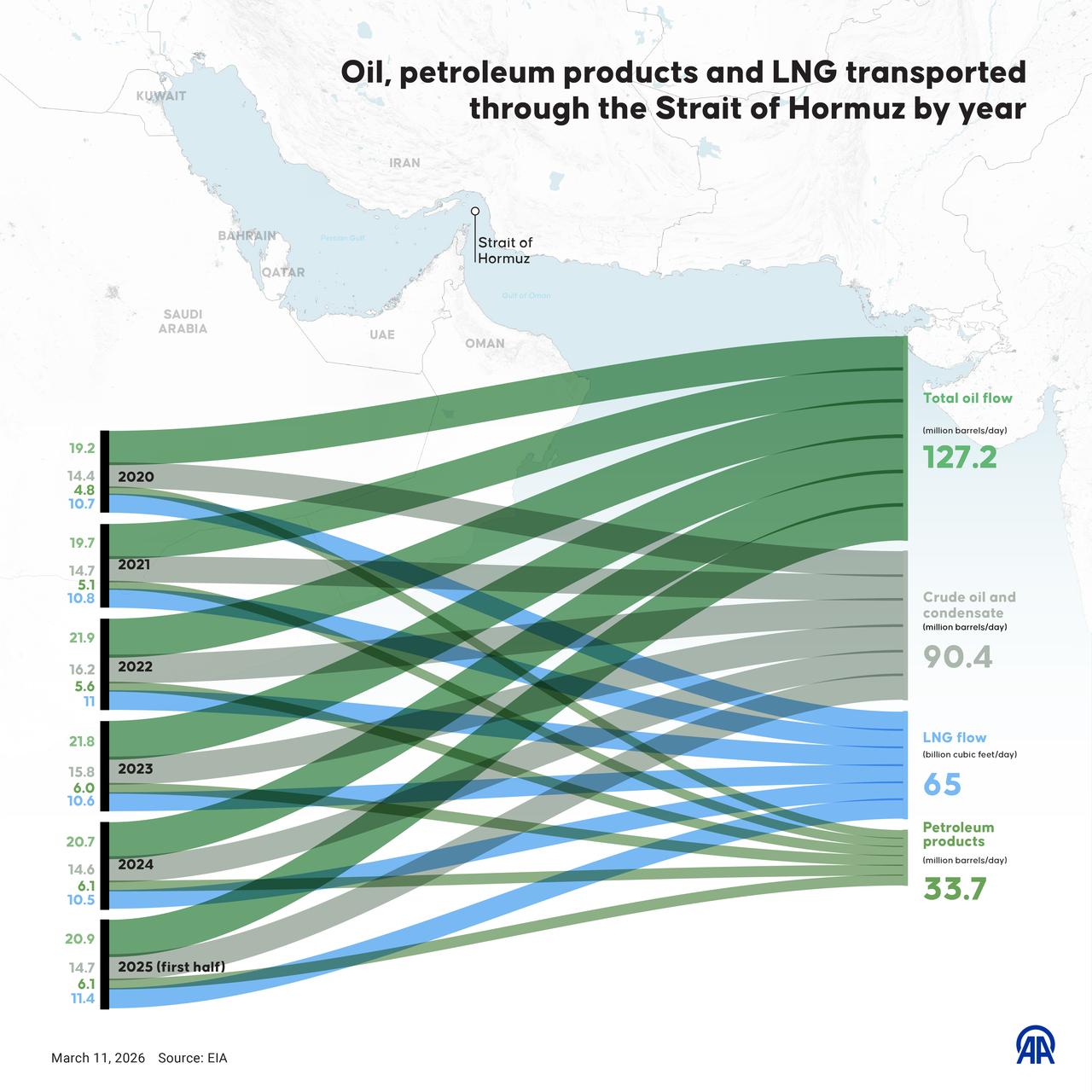
An effective Iranian blockade of the strategic chokepoint—through which about one-fifth of global crude oil and liquefied natural gas normally passes—has driven oil prices higher and rattled markets.
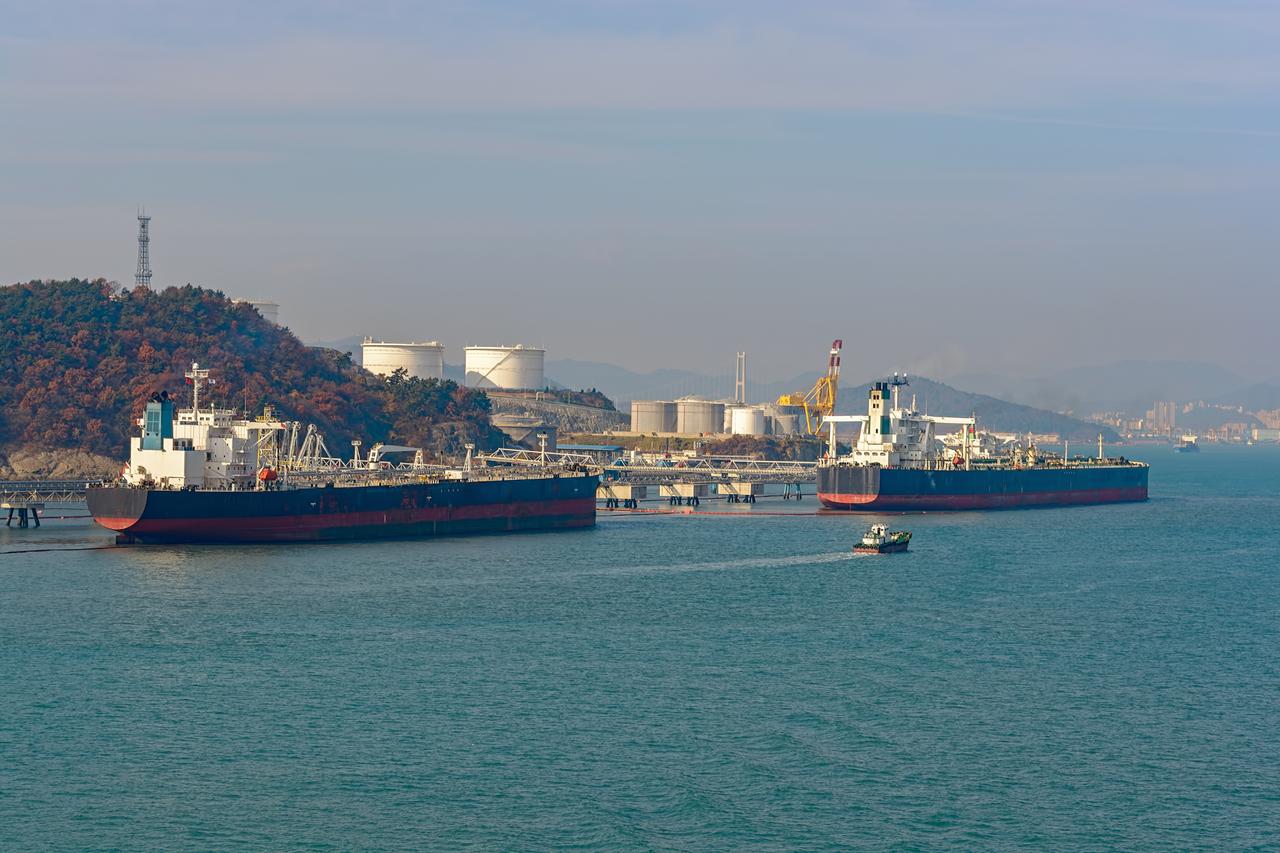
The IMO said around 20,000 seafarers remain stranded on approximately 3,200 vessels west of the strait.
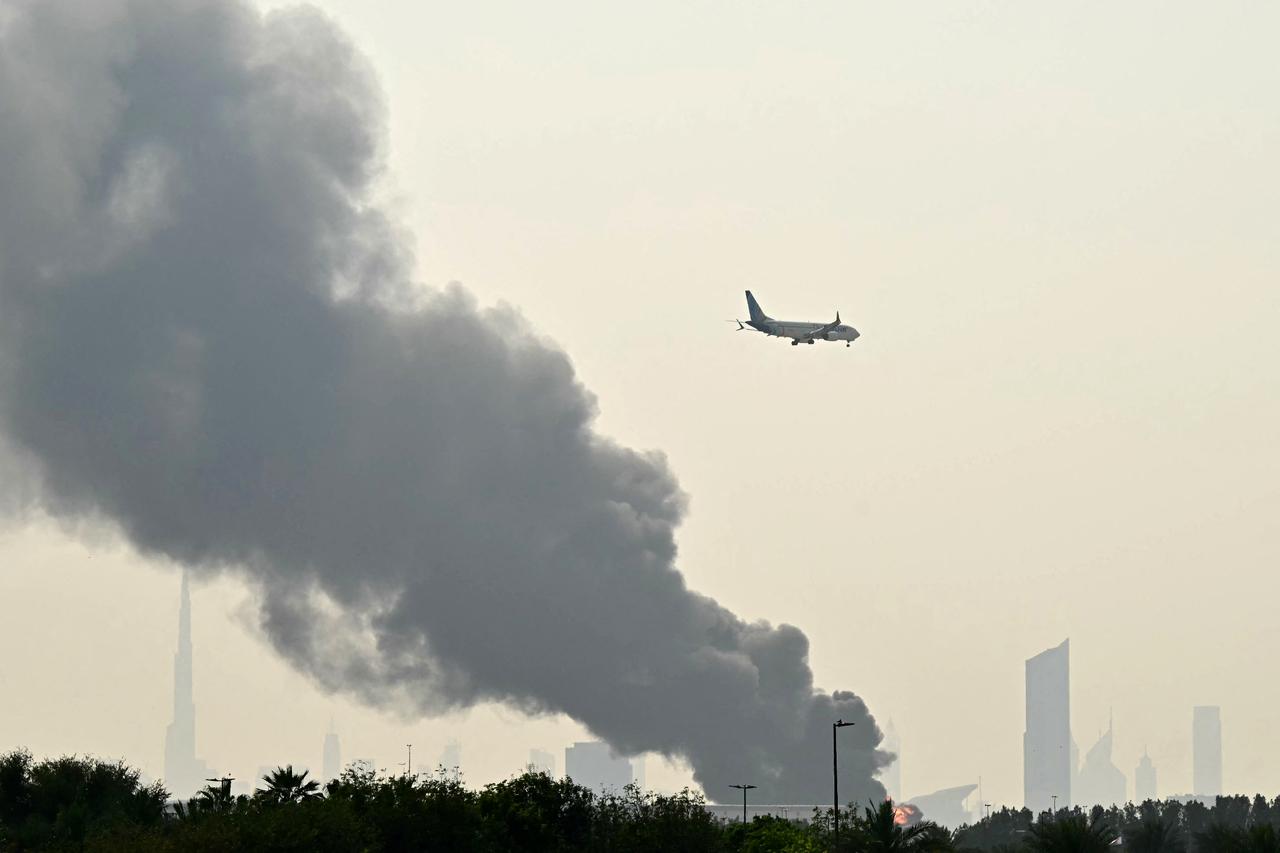
At least 21 ships have been hit, targeted or reported attacked since the start of the conflict, according to an Agence France-Presse (AFP) tally based on data from the U.K. Maritime Trade Operations, the IMO and regional authorities.
A submission by the United Arab Emirates to the IMO said “more than 18 merchant ships of various nationalities have been hit by projectiles, missiles, drone boats and sea mines.”
“At least eight seafarers are confirmed dead with four still missing,” the document added.
Britain, France, Germany and several Gulf states have urged the IMO council to adopt a declaration condemning what they described as “egregious attacks” by Iran on shipping and maritime infrastructure.
They said the attacks were “unjustifiable and must cease” and also called for condemnation of Iran’s “purported closure of the Strait of Hormuz.”
Iran, which is an IMO member but not part of the council, blamed the deterioration of maritime security on U.S. and Israeli strikes.
“The adverse maritime repercussions currently affecting shipping and seafarers are a direct and inevitable consequence of these unlawful actions,” Iran said in its submission.
Separately, Japan, Panama, Singapore and the United Arab Emirates urged the IMO to establish a framework to allow the safe evacuation of ships and crews from high-risk areas.
Maritime industry groups also called for a “coordinated international approach to security” and measures to protect seafarer welfare.
They urged ensuring communication with families, facilitating crew changes and maintaining adequate supplies for stranded crews.


 Set as preferred source
 Set as preferred source


 1 min read
 1 min read