Newsletters


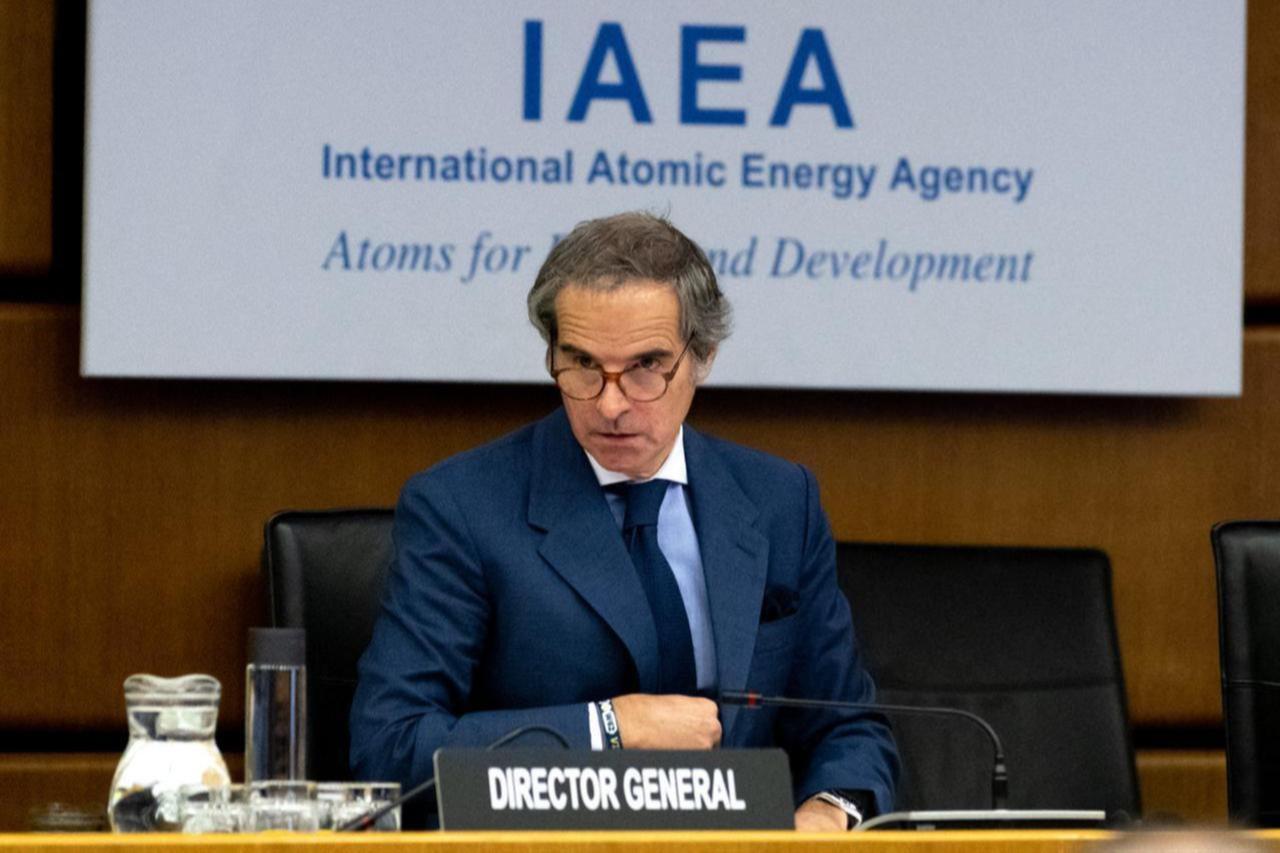


The head of the United Nations nuclear watchdog warned Tuesday that a direct strike on the United Arab Emirates' Barakah nuclear power plant could release dangerous levels of radioactivity into the environment, calling the situation "highly concerning" at an emergency session of the UN Security Council.
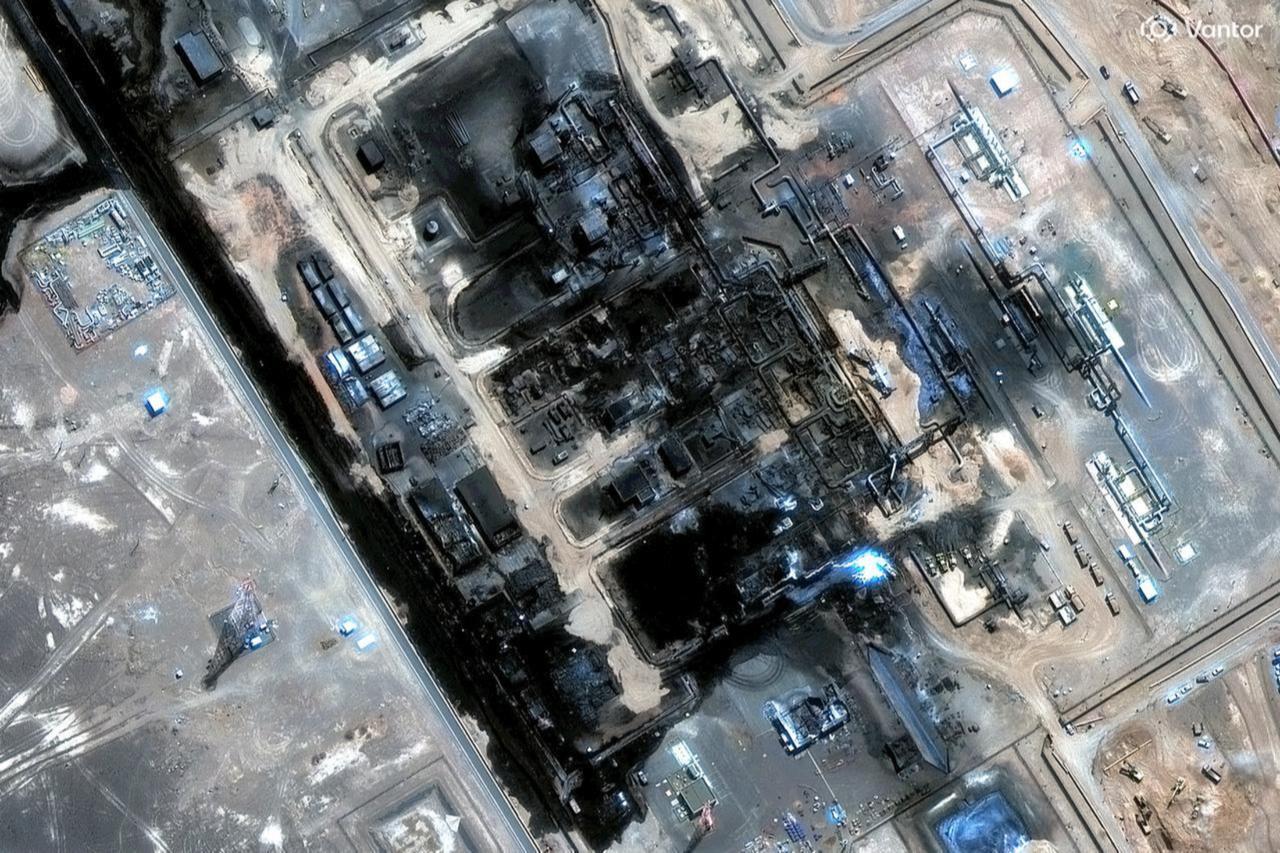
Rafael Grossi, director general of the International Atomic Energy Agency, addressed the Council following a drone attack on the facility over the weekend. UAE officials said a fire erupted near the plant on Sunday as a result of the strike.
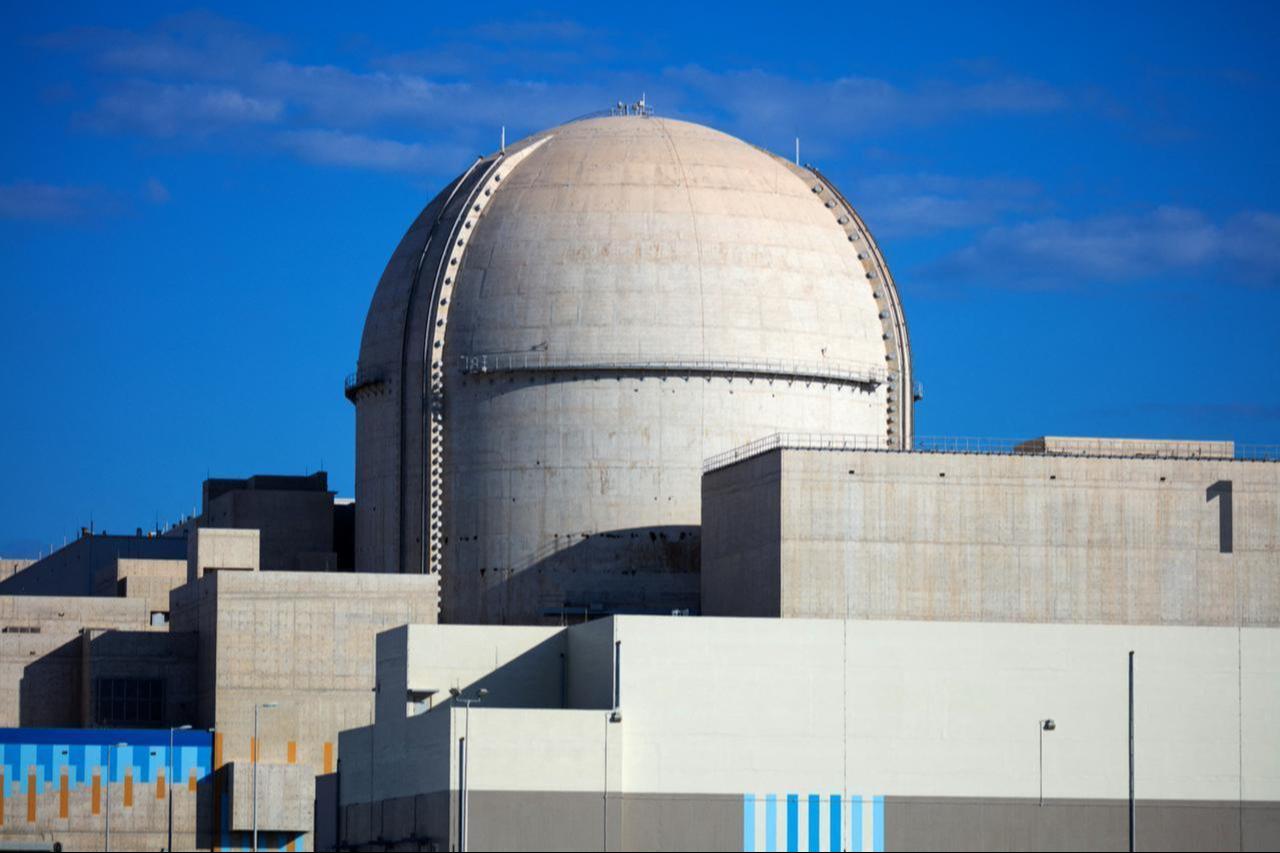

Barakah, located in the Abu Dhabi emirate roughly 300 kilometers from the capital, is an operational facility housing thousands of kilograms of nuclear material, including both fresh and spent fuel. Grossi underscored the gravity of its location: "This is a nuclear site in the Middle East, where the consequences of an attack could be most serious."
The IAEA chief outlined two scenarios of particular concern. A direct hit on the plant, he warned, "could result in a very high release of radioactivity to the environment."
Even damage to external power supply lines, he added, could pose serious risks by potentially triggering reactor core damage, a scenario that has drawn international attention since the 2011 Fukushima disaster demonstrated how loss of cooling power can escalate rapidly.
Both scenarios, Grossi said, would necessitate emergency protective measures, including evacuations, sheltering and the distribution of stable iodine, across distances potentially stretching several hundred kilometers.
The attack on Barakah occurs against a backdrop of sharply escalating regional tensions.
Fighting intensified after the United States and Israel launched strikes against Iran in February, prompting Tehran to retaliate with strikes against Israel and US allies in the Gulf, including the UAE, and the closure of the Strait of Hormuz, a critical artery for global oil shipments.
A ceasefire brokered through Pakistani mediation took effect on April 8, but subsequent talks in Islamabad failed to produce a durable agreement. US President Donald Trump later extended the truce indefinitely.
Grossi told the Council he is in contact with leaders across the Gulf region and announced he will travel to the area soon to evaluate emergency preparedness and response capacities.
The IAEA, he said, will continue providing guidance and training to authorities and first responders on radiological impact, protective measures for the public and workers, and emergency response planning and equipment.
Appealing for restraint, Grossi framed the agency as an essential platform for defusing the crisis. "The International Atomic Energy Agency, as the international technical institution entrusted with overseeing the peaceful use of nuclear energy, remains a vital forum for this dialogue, especially now," he said.


 Set as preferred source
 Set as preferred source


 1 min read
 1 min read