Newsletters


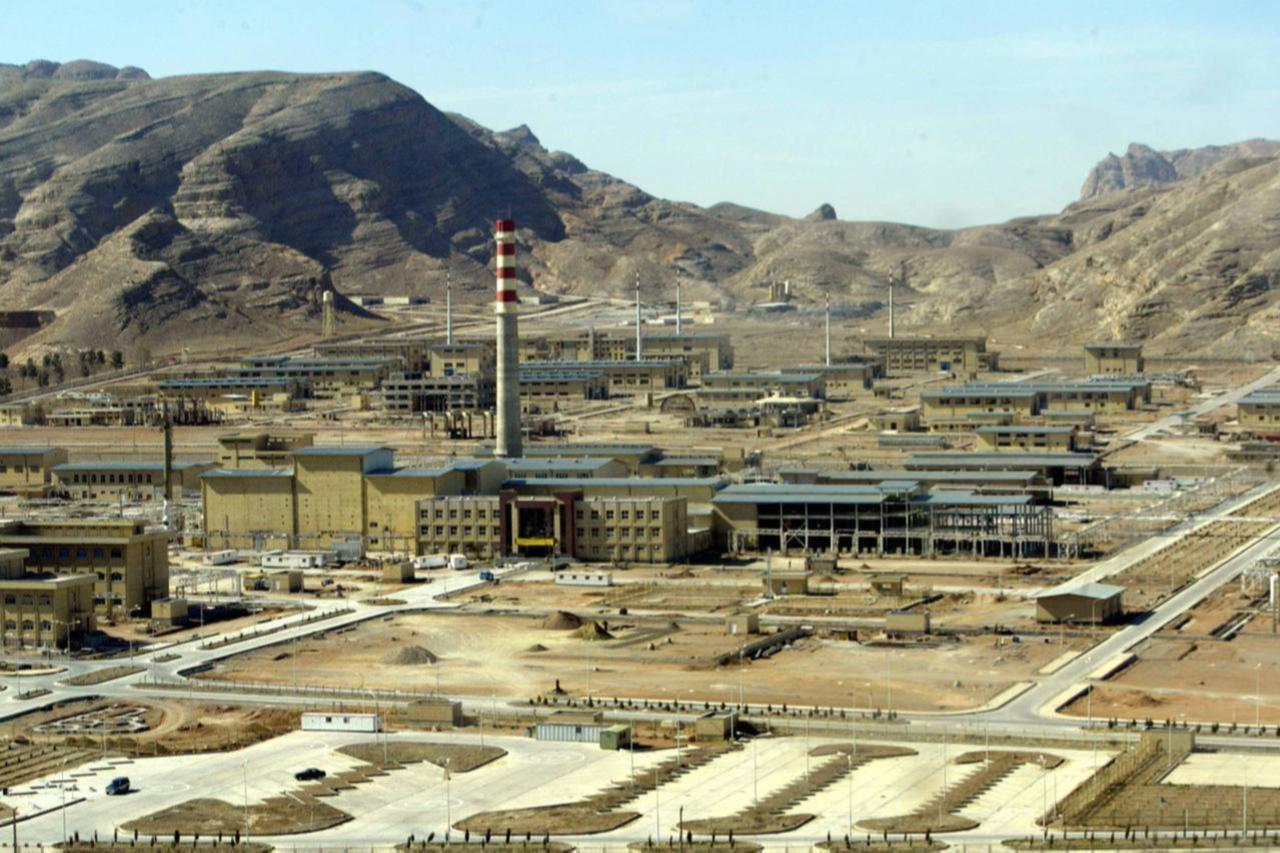


Iran's bombed nuclear sites show signs of activity as UN inspectors remain locked out, raising fresh concerns about Tehran's uranium stockpile just as Washington and the Islamic Republic attempt to negotiate a diplomatic resolution to the crisis.
The International Atomic Energy Agency reported Friday that satellite imagery has revealed "regular vehicular activity" near facilities where monitors believe enriched uranium is stored, including at the Natanz and Fordow enrichment complexes. But with Iran continuing to block physical access to those sites, the agency said it is unable to determine what is happening on the ground.
"Without access to these facilities it is not possible for the agency to confirm the nature and purpose of the activities," IAEA Director General Rafael Mariano Grossi wrote in a 12-page restricted report circulated to member states.
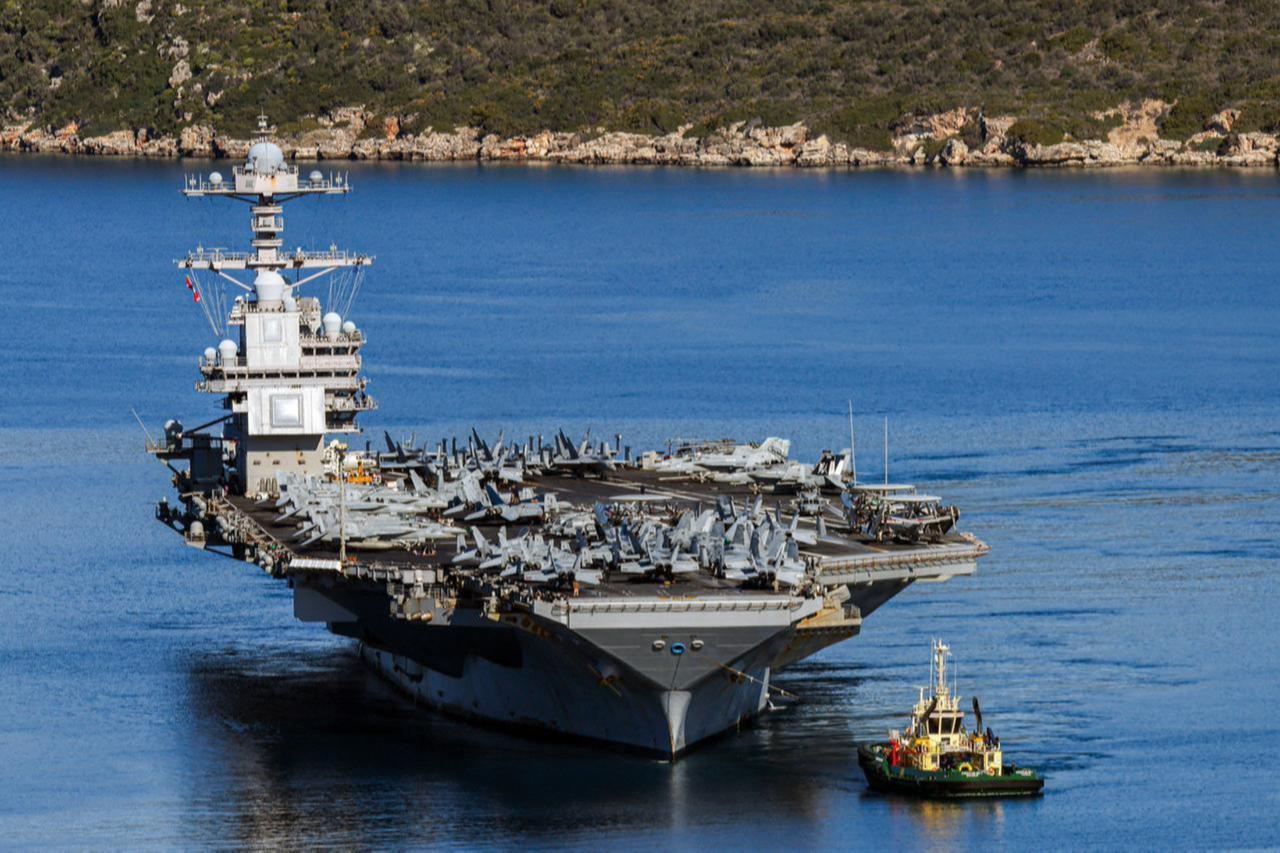
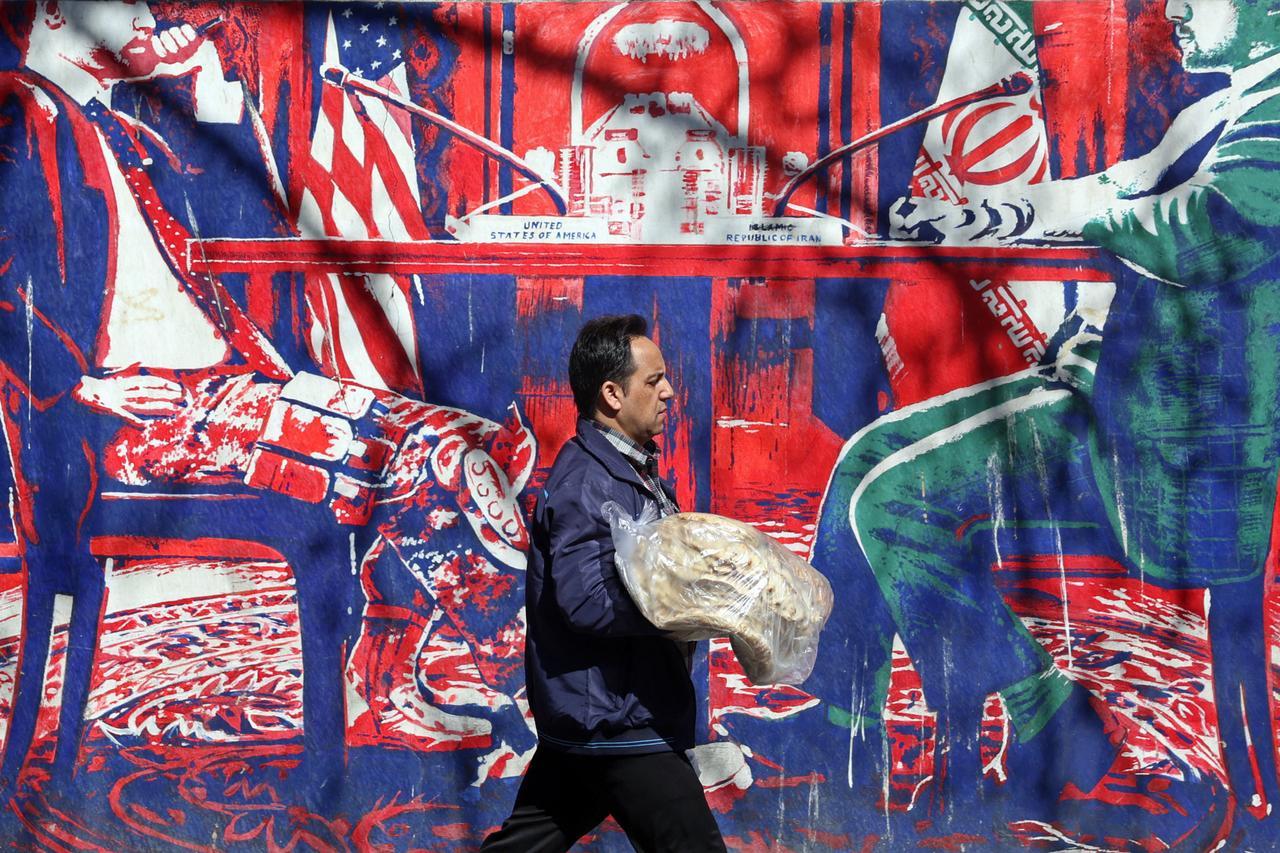
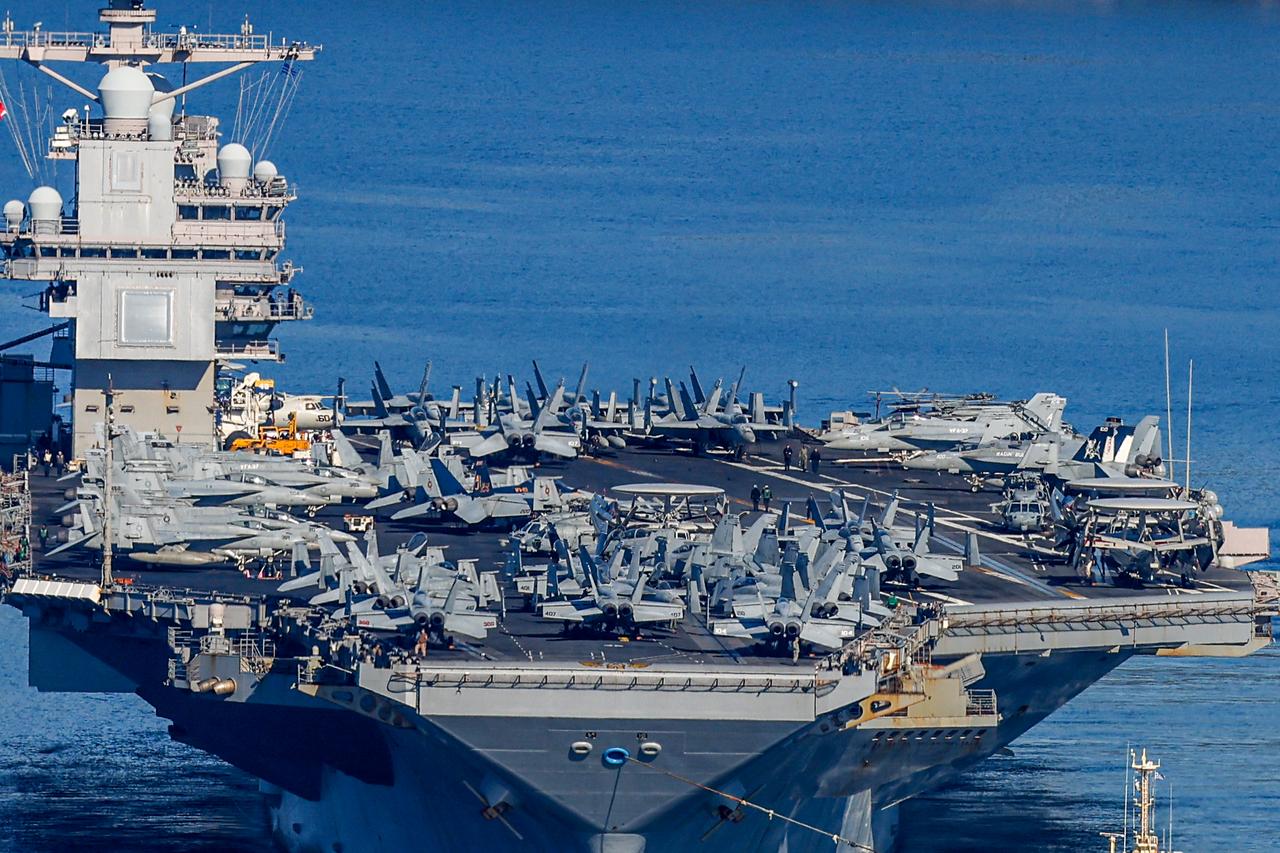
The findings land at a particularly volatile moment. The United States and Iran completed a third round of indirect talks in Geneva on Thursday without reaching a deal, while President Donald Trump has assembled the largest American military presence in the Middle East in more than two decades.

The IAEA has been unable to verify the state and location of Iran's inventory of near-bomb-grade uranium since June 13, when Israel and the United States launched airstrikes against Iranian nuclear facilities in what became known as the 12-day war. Before the strikes, agency inspectors had been conducting routine weekly checks at the country's declared nuclear sites.
Tehran curtailed those visits after the attacks and subsequently passed legislation barring inspectors from accessing its nuclear facilities. Iran has yet to submit a damage assessment or provide any estimate of the current state and location of its uranium reserves.
Grossi warned that the agency "will not be in a position to provide assurance that Iran's nuclear program is exclusively peaceful" until cooperation improves, and described the loss of monitoring continuity as a matter requiring "the utmost urgency."
The stockpile in question is enriched to up to 60 percent purity, a short technical step from the 90 percent threshold considered weapons-grade. Before the war, Iran's declared inventory of 60 percent enriched uranium had been climbing steadily, reaching roughly 500 kilograms in early 2025, theoretically enough material for multiple nuclear weapons.
IAEA diplomats are set to convene next week in Vienna to discuss the Iran file. On the sidelines, technical talks between Iranian and American envoys are also expected, a step that emerged from the Geneva round. Iranian Foreign Minister Abbas Araghchi said the two sides had identified the main elements of a possible agreement and agreed to assign technical teams to work through details at IAEA headquarters.
But the mood was not uniformly optimistic. A person familiar with Washington's position said Trump's special envoy Steve Witkoff and son-in-law Jared Kushner left the Geneva session disappointed with the progress. Oman's Foreign Minister Badr Albusaidi, who mediated the talks, was more upbeat, hailing "significant progress" in a post on social media.
The negotiations are unfolding against Trump's repeated threats of military action and a loose deadline he set previously for a deal by early March. That timeline has drawn comparisons to the sequence of events last June, when Israel began strikes within 24 hours of the IAEA board's decision to censure Iran over its lack of cooperation, a finding that US officials suggested at the time provided legal justification for military intervention.
New satellite imagery has also undercut Washington's narrative about the effectiveness of last year's strikes. While Trump declared in his State of the Union address this week that the US had "obliterated" Iran's nuclear program, the IAEA report and independent analysis paint a more complicated picture.
Non-proliferation specialists say that although US air power can destroy buildings, it cannot eliminate Iran's scientific expertise, its stockpiled material, or the political will to rebuild. The satellite images suggest military planners would face a dispersed and partially concealed set of targets with no guarantee of a decisive outcome.
Grossi put the challenge bluntly: "The agency cannot provide any information on the current size, composition or whereabouts of the stockpile of enriched uranium."
The standoff has left a dangerous intelligence vacuum at the heart of one of the world's most consequential diplomatic crises. With Iran insisting its nuclear program is entirely peaceful and the US demanding a complete halt to enrichment, the gap between the two sides remains wide, and the IAEA's ability to serve as an independent arbiter has been effectively suspended.


 Set as preferred source
 Set as preferred source


 1 min read
 1 min read