Newsletters


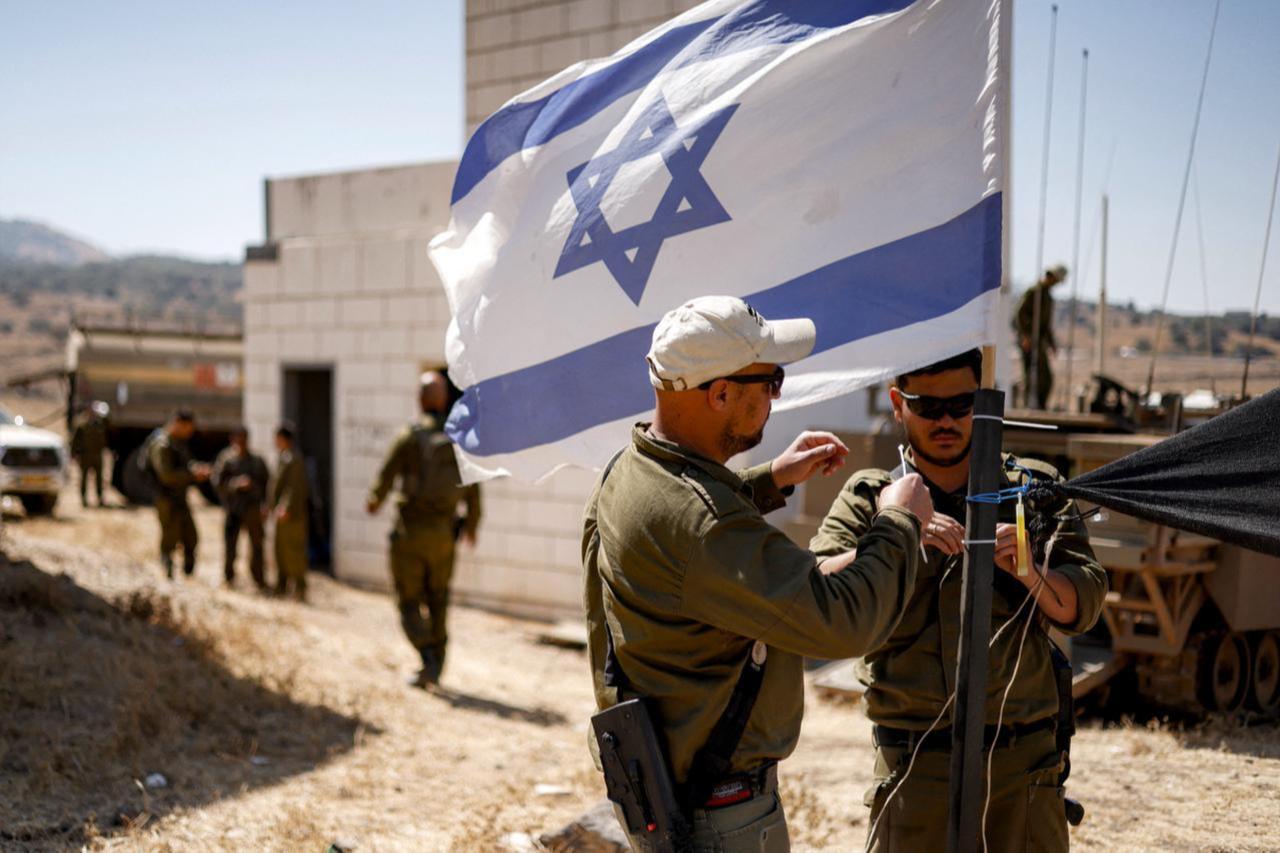


A United Nations commission investigating human rights violations in Syria said Tuesday it was "deeply alarmed" by Israel's expanding military activity inside Syrian territory, warning that the detention of civilians and other conduct documented since the fall of Bashar al-Assad could constitute war crimes.
Presenting findings to the UN Human Rights Council, Commissioner Fionnuala Ní Aoláin said Israeli operations in southern Syria had grown "increasingly sustained and entrenched," citing recurring ground incursions, patrols, raids and searches that have disrupted civilian life in the region.
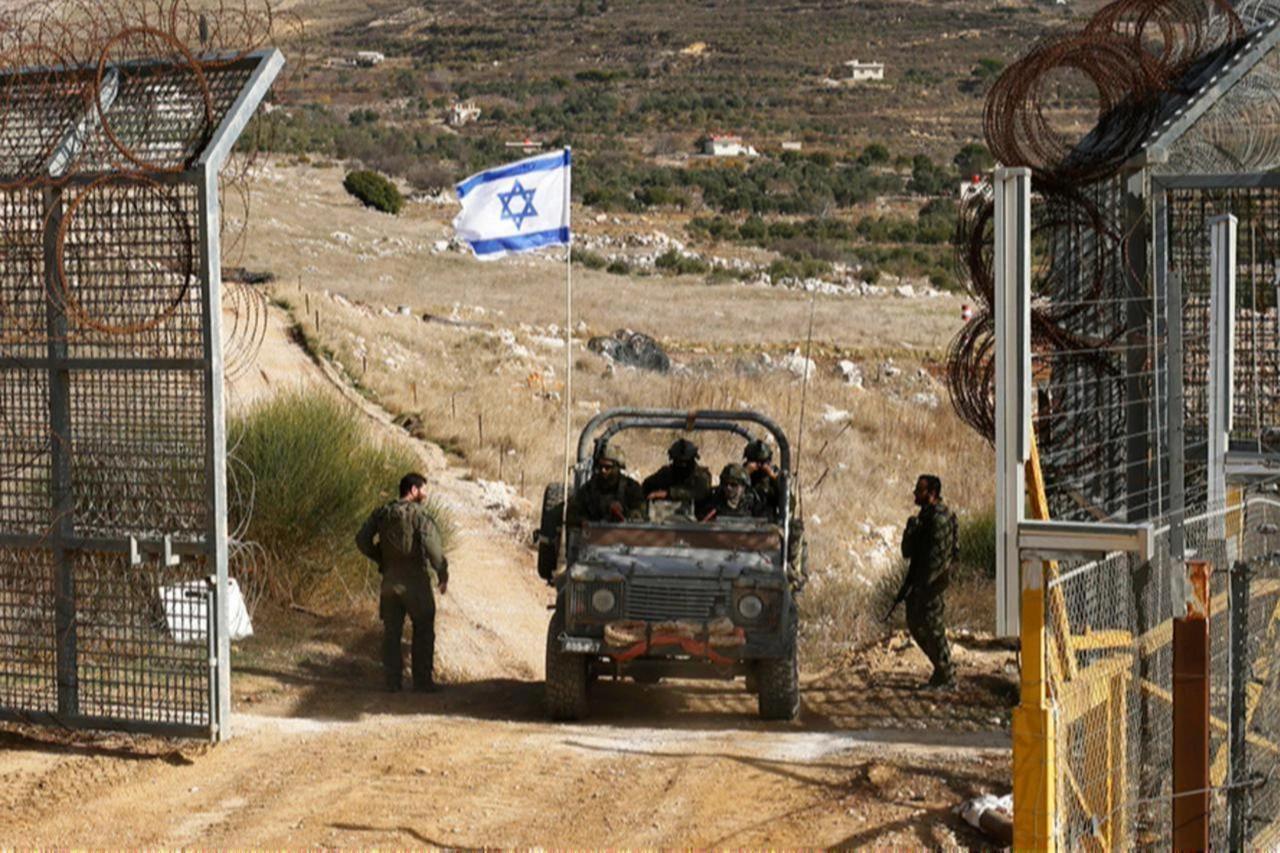

The Independent International Commission of Inquiry on Syria said it had documented the establishment of temporary checkpoints and permanent military infrastructure on Syrian soil, concentrated in the southern provinces of Quneitra and Daraa.
As of June, the commission said it had identified 49 Syrians, including two children, who had been detained by the Israeli military inside Syria and were believed to have been transferred across the border.
"Such acts may amount to war crimes," Ní Aolain told the council.
The commission said in a statement accompanying the session that some of those detained were being held incommunicado, a practice it said raised concerns about possible torture or ill-treatment.
It added that Israeli military activity had contributed to the displacement of residents and characterized Israel's presence in the area as a "belligerent occupation."
Ni Aolain said local residents had described a sense of "bewilderment" at Israel's actions as the country attempts to rebuild.
Israel's mission in Geneva rejected the findings, accusing the commission of conducting what it called an "Israel-bashing session" and denying that the country has any territorial ambitions in Syria.
The mission said Israeli military maintains a "temporary buffer zone amounting to 0.1% of Syria" that exists solely to protect Israeli citizens from what it described as "proven security threats."
Israeli troops moved into a UN-patrolled buffer zone in the aftermath of Assad's government collapsing in December 2024, a step Israel characterized at the time as temporary and necessary to secure its border during Syria's political transition.
Israel has since conducted hundreds of strikes on Syrian military infrastructure and expanded its positions deeper into the country, actions it maintains are required for its security.
The Syrian government and the United Nations have said Israel's deployment violates Syrian sovereignty as well as a 1974 disengagement agreement reached in the wake of the 1973 Middle East war, which established the buffer zone along the Golan Heights that UN forces have patrolled for decades.
The commission said it shared the assessment of UN Secretary-General António Guterres that violations of Syria's sovereignty and territorial integrity were unacceptable and must stop.
Syria's representative to the council welcomed the commission's findings, reiterating Damascus' commitment to cooperating with UN human rights mechanisms while it pursues accountability for abuses committed under the former government.
The Syrian delegate also condemned Israel's military operations, accusing it of violating both international law and the 1974 disengagement agreement.
Syria has been seeking to stabilize and rebuild nearly two years after Assad's fall ended more than five decades of his family's rule.


 Set as preferred source
 Set as preferred source


 1 min read
 1 min read