Newsletters


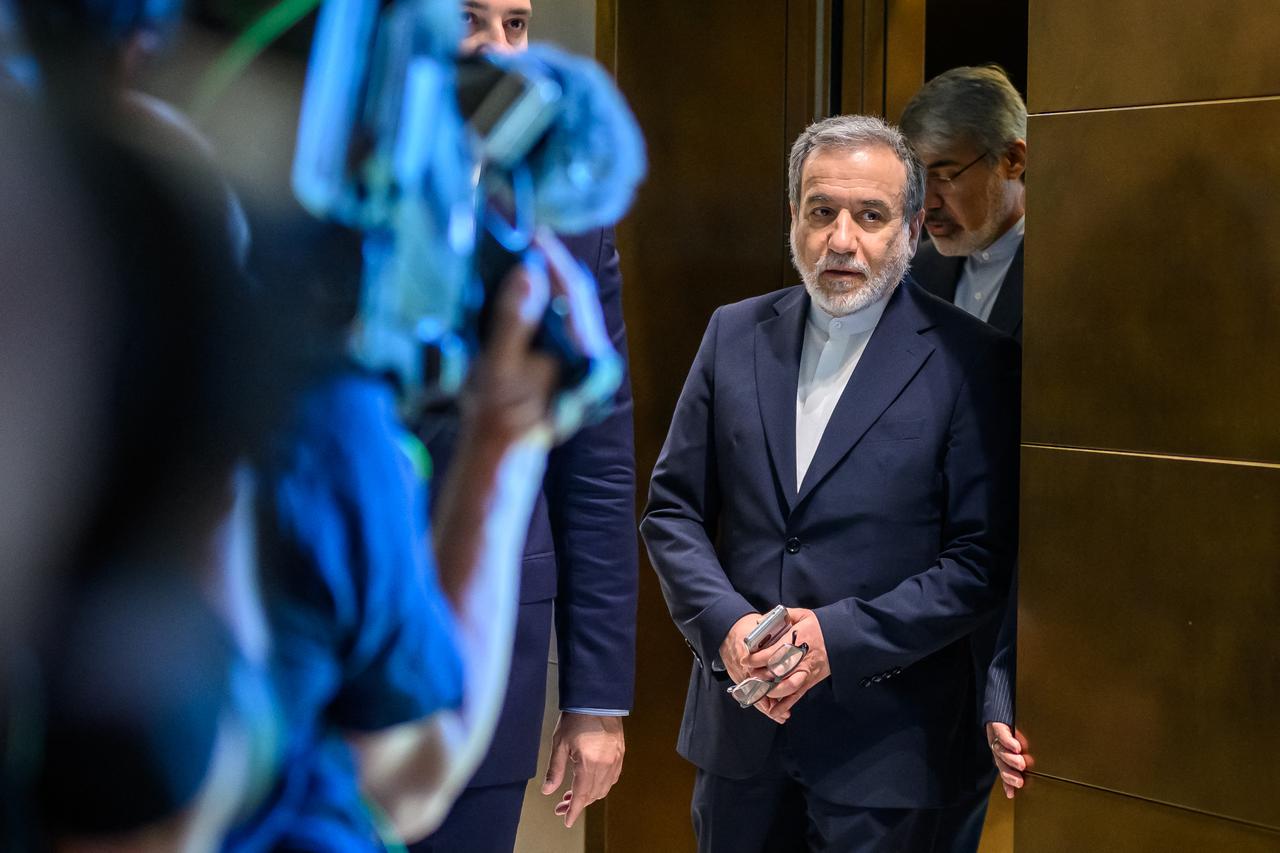


Iran's Foreign Ministry said Tuesday it has not met with International Atomic Energy Agency (IAEA) Director General Rafael Grossi and has no plan to allow the agency to inspect nuclear facilities damaged during the recent war, directly contradicting claims made by U.S. officials about progress on nuclear inspections.
"We have neither had a meeting with Grossi nor have we discussed any plan for the agency to inspect Iran's damaged nuclear facilities," Foreign Ministry spokesperson Esmaeil Baghaei said, according to Tasnim News Agency.
"Basically, there is no such procedure in this regard. As a member of the Non-Proliferation Treaty and a country committed to its safeguards agreements, we will continue our current course, and I think that current course is also very clear," he added.
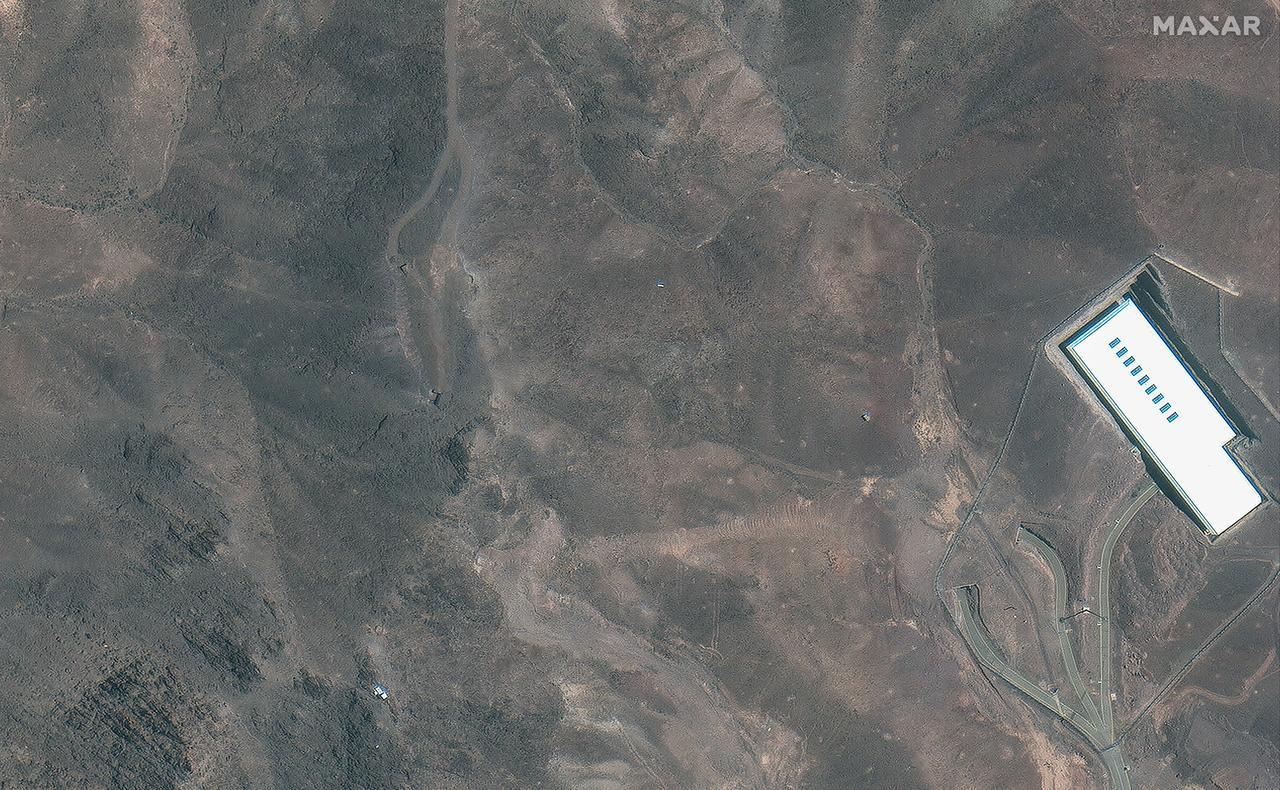
In June 2025, during a 12-day war between Israel and Iran, which the United States later joined, saw Washington bomb three nuclear facilities at Fordow, Natanz and Isfahan.

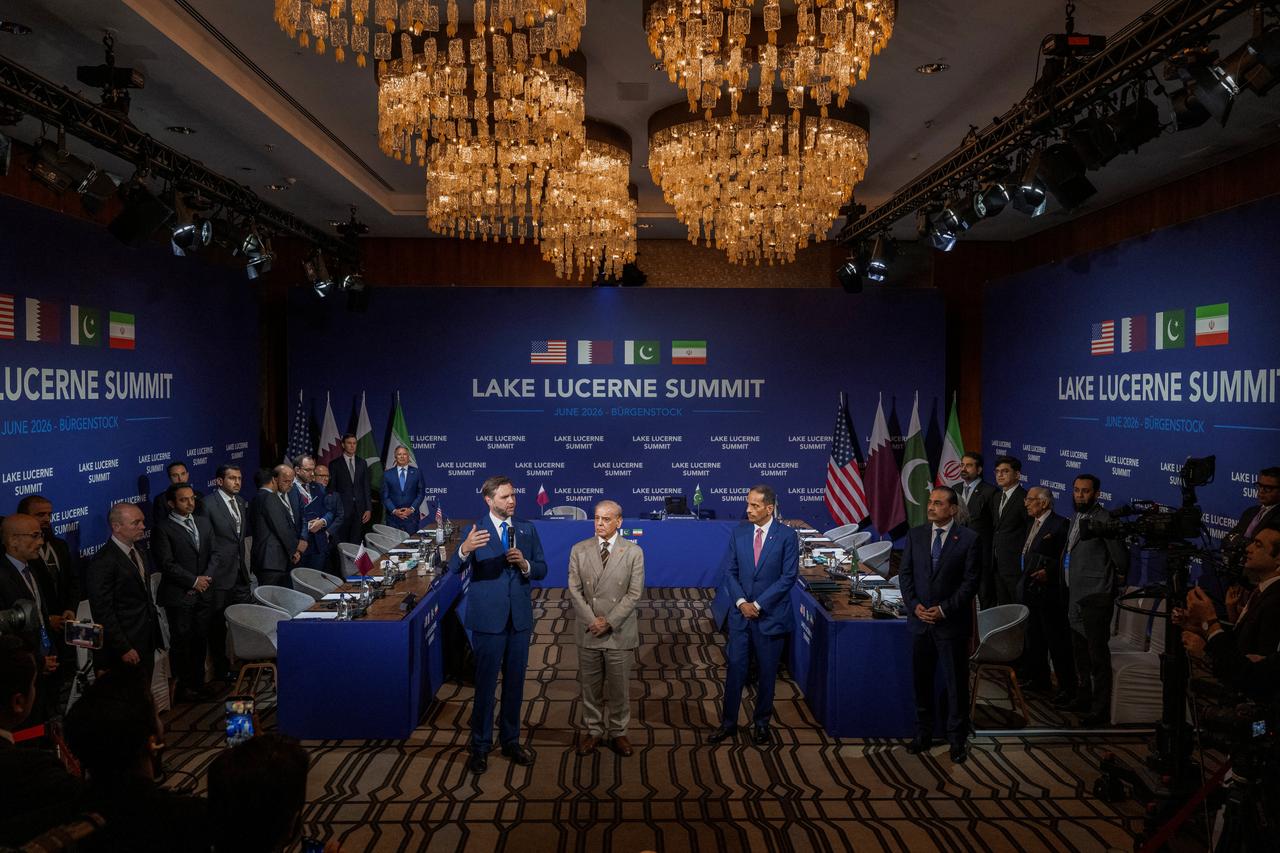
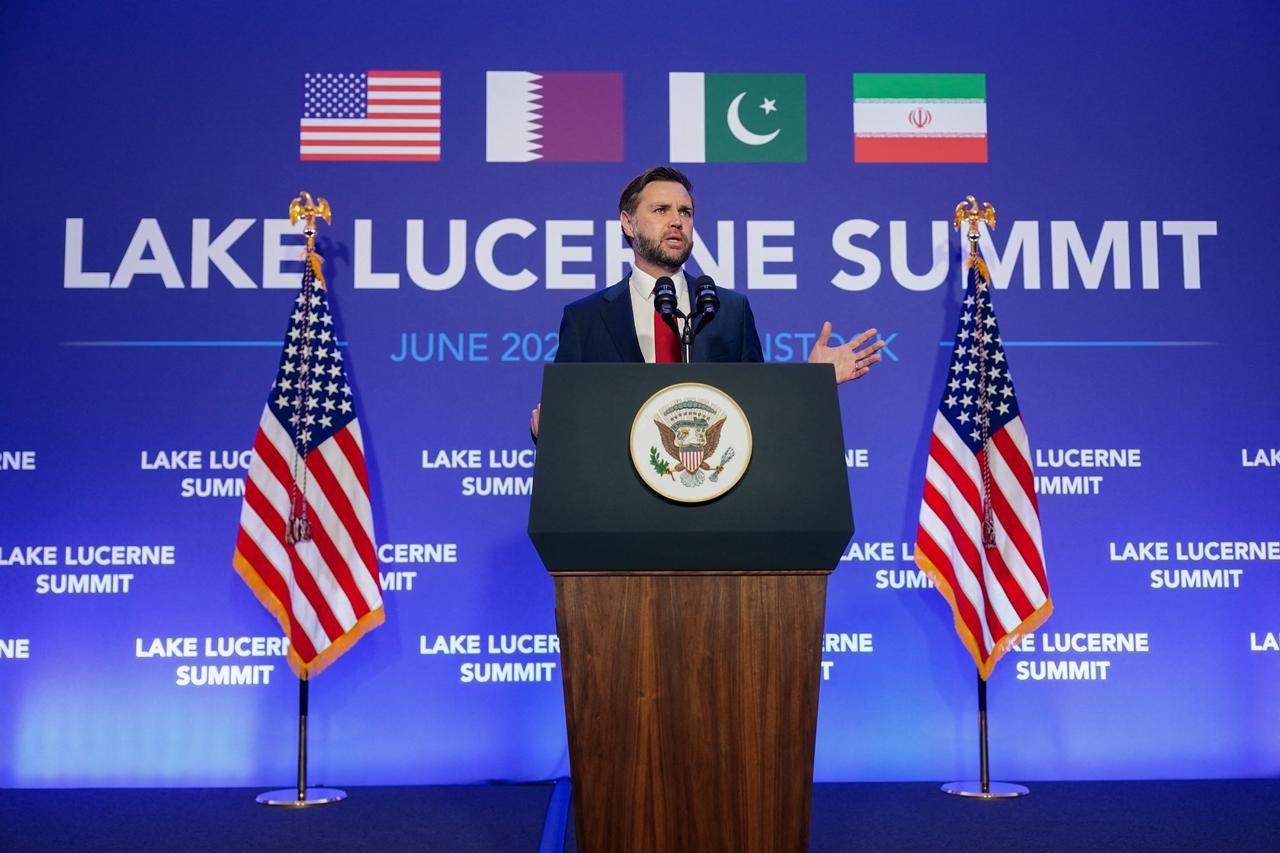
Asked about Iran's absence from a planned quadrilateral meeting in Switzerland, Baghaei said the session, involving Iran, the United States and two mediating countries, had run for about an hour and a half before a planned 30-minute break, after which it was meant to resume.
"In that same interval, we were confronted with threats from American officials, and the quadrilateral session was not held. The continuation of discussions took place only through message exchanges via the mediators," Baghaei said.
"We had no other direct contact with the United States. It was deemed appropriate to continue exchanging messages through the mediator," he added.
Pressed on reports that U.S. Vice President JD Vance had claimed the Iranian delegation did not walk out after Trump's threats and that talks continued until 1 a.m., Baghaei rejected the framing of the question.
"I have always promised you I would not tell you a narrative; I will tell you the truth," he said.
"The quadrilateral session, attended by Iran, the United States and the two mediators, began around 3:00 p.m. and continued for about an hour and a half. It was agreed that after a short, half-hour break, the session would resume. In that same interval, we were confronted with significant and threatening remarks from American officials. The quadrilateral session was not held after that, and what continued was an exchange of messages through the mediators. Therefore, after deciding to halt the quadrilateral talks, we had no direct contact with the American side. Iran's decision, in advancing the country's objectives, was to continue exchanging messages through the mediators. You all witnessed the outcome," Baghaei noted.
Asked about claims that funds from Iran's released assets would be used to purchase American agricultural goods, Baghaei dismissed the characterization.
"It is interesting to us that the philosophy and goal of the war, which they had previously declared was to destroy Iranian civilization and bring about Iran's collapse, has been reduced to enriching American farmers," he said.
"We will decide on these assets; however, it is in the country's interest," he added.
Baghaei said there are no restrictions on what Iran's Ministry of Agriculture may purchase.
"Regarding the purchase of goods, our Ministry of Agriculture and other relevant bodies will decide as they see fit, based on both price and quality. Therefore, there is no restriction in this regard," he said, adding that licenses related to oil sales took effect as of the previous day.
"The important thing is that Iran's blocked assets are accessible for free use and will be used however Iran sees fit, to provide the goods the country deems necessary," Baghaei noted.
Addressing claims that Iran's missile program had come up in the Switzerland talks, Baghaei was unequivocal.
"The issue of missile capabilities and defense capacities was never a subject of negotiation, and never will be," he said.


 Set as preferred source
 Set as preferred source


 1 min read
 1 min read